



Stone Garden Planters
Stone garden planters bring architectural weight and aged character to open grounds, spanning centuries of classical and rustic design.
Stone Garden Planters
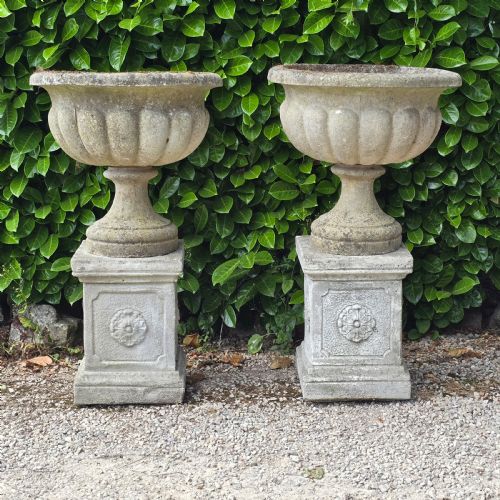
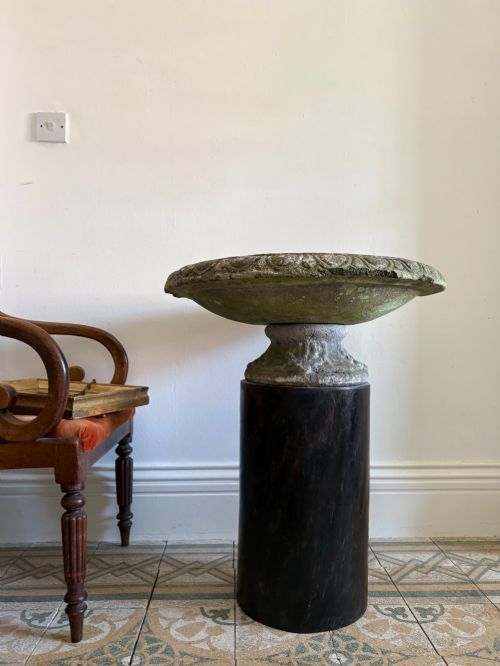
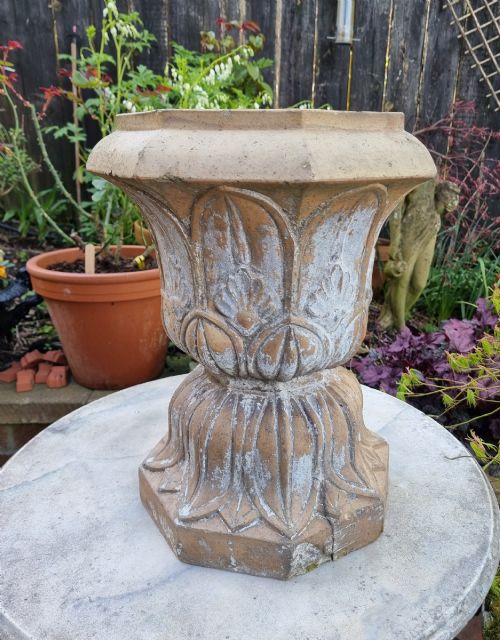
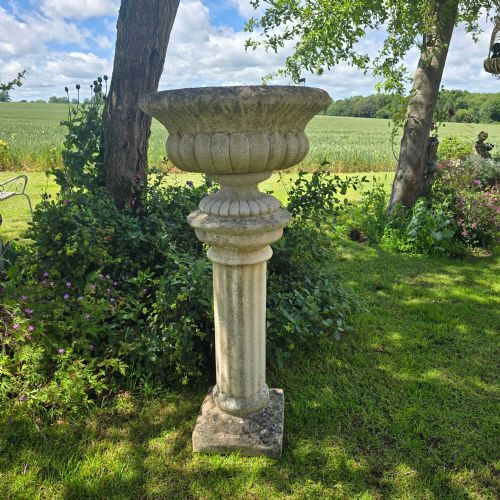
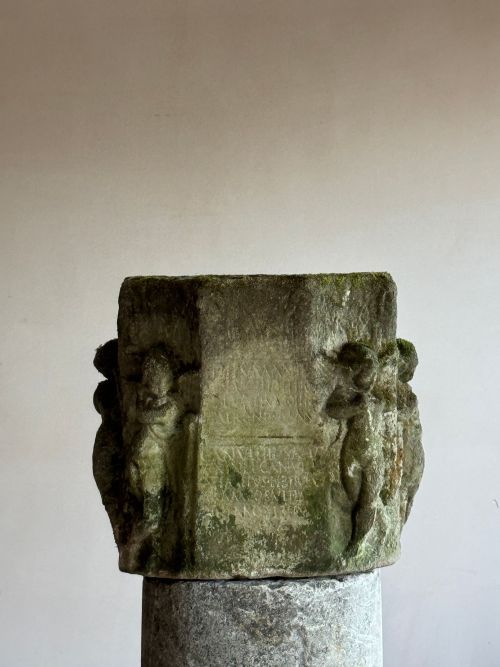
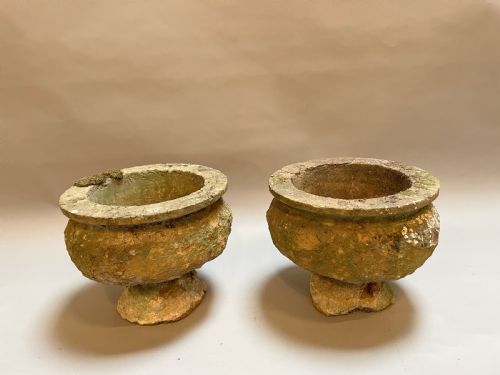
Stone garden planters include massive troughs, carved baskets, and ornamental urns designed to hold plantings while withstanding the elements outdoors. You will most frequently encounter nineteenth century examples rendered in cast stone, natural limestone, or terracotta.
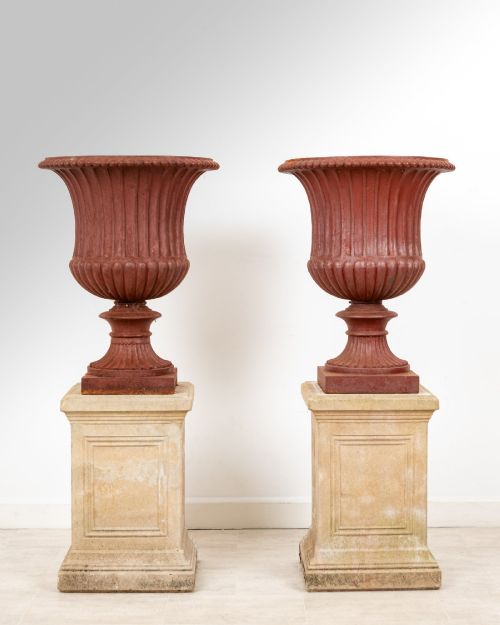
The forms range from severe classical campana shapes to rustic farmhouse vessels and Gothic revival plinths. Many arrive paired, intended to anchor pathways, terraces, or formal garden entrances with balanced symmetry.
Origins stretch from English workshops to Scottish kilns and continental yards, encompassing periods from the Georgian era through the early twentieth century.
How they were made
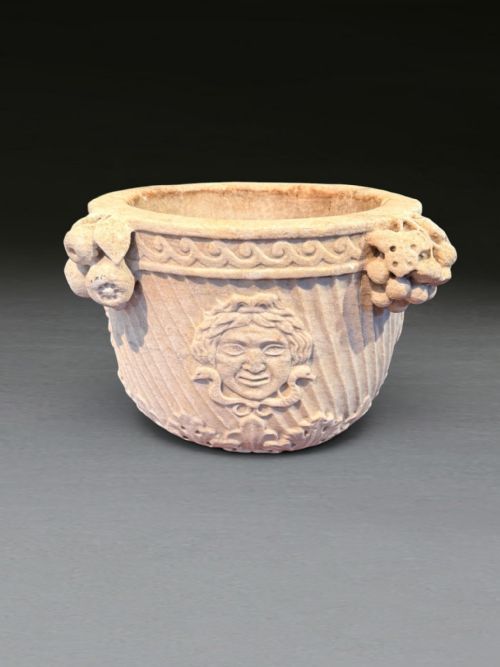
Makers shaped natural materials like sandstone, Purbeck stone, and marble through hand carving, utilising chisels to define crisp acanthus leaves and fluted sides. Alternatively, workers cast mixtures of crushed stone and binders into moulds to produce durable composite garden vessels.
Terracotta and stoneware pieces underwent firing in kilns to achieve dense, weatherproof bodies, occasionally receiving salt glazes for added surface protection. Iron components and cast elements were frequently paired with stone bases to support heavier garden urns.
One extraordinary stone planter was forged from parliamentary masonry damaged during the Blitz in World War Two.
What varies in quality
Quality rests in the crispness of the original carving or the precision of the casting mould, where sharper relief lines denote superior craftsmanship. The depth of patination and weathering accrued over decades also distinguishes finer garden vessels from cruder work.
Proportion and material integrity dictate lasting value, with uniform natural stone or high-grade cast composition outperforming fragile mixtures that degrade under frost.
Andrew Handyside
The Stone Garden Planters Glossary
- Campana urn
- A bell-shaped garden vessel with an everted rim, typically mounted on a short stem and square foot. This classical silhouette originated in ancient Greece and Rome.
- Trough
- A long, rectangular stone basin traditionally used for feeding livestock or watering plants. Antique examples show deep chisel marks from hand shaping.
- Terracotta
- Fired unglazed clay ranging in colour from buff to deep orange. It remains porous, allowing plant roots to breathe while acquiring a mellow surface moss over time.
- Plinth
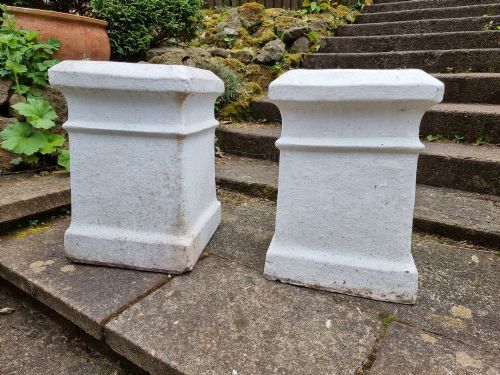
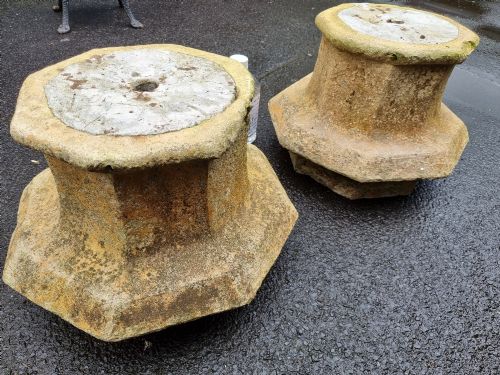
- A heavy base block or pedestal that elevates an urn or planter above ground level. These architectural supports often feature moulded cornices and stepped profiles.
- Cast stone
- A refined building product manufactured from aggregate stone and cement binders poured into moulds. It reproduces the texture and appearance of natural quarried stone.
Stone Garden Planters: Frequently Asked Questions
How do I choose between stone and terracotta?
Stone offers supreme weight and frost resistance, making it ideal for permanent outdoor placement on terraces and paths. Terracotta provides a lighter alternative that breathes well for plant health but requires sheltered storage during hard freezes.
Consider the scale of your garden and the level of exposure when selecting your material.
Can these planters stay outside in winter?
Most sturdy stone, cast stone, and well-fired terracotta vessels withstand winter weather comfortably, provided they feature adequate drainage holes. Elevating planters on small feet prevents moisture from freezing underneath and cracking the base.
Checking that water escapes freely is the primary step for winter survival.
How do I date an antique stone planter?
Dating relies on tool marks, material composition, and stylistic cues borrowed from architectural history. Eighteenth and nineteenth-century pieces typically show hand-chiseled surfaces or early cast stone recipes, whereas twentieth-century examples display more uniform industrial pouring.
Comparing the decorative motifs against known neoclassical or Gothic revival periods clarifies the timeline.
How should I clean weathered stone?
Gentle brushing with water preserves the desirable lichen and moss patination that accumulates over decades outdoors. Avoid harsh pressure washers or chemical treatments that strip away the aged surface character.
Light maintenance keeps the historic integrity visible without erasing the marks of time.