

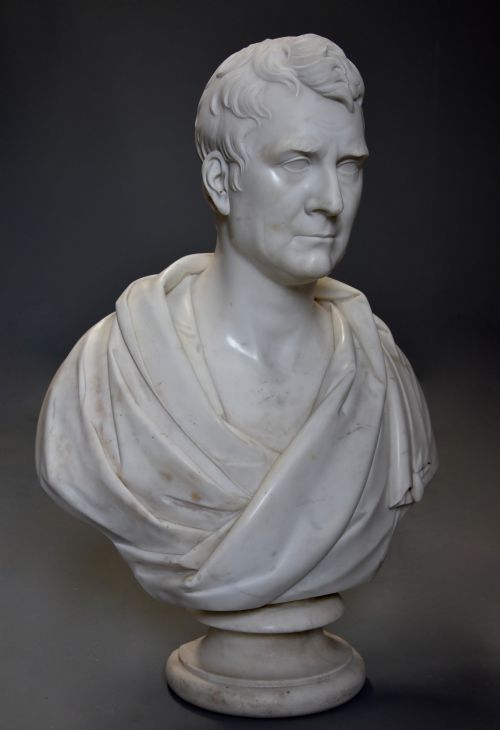
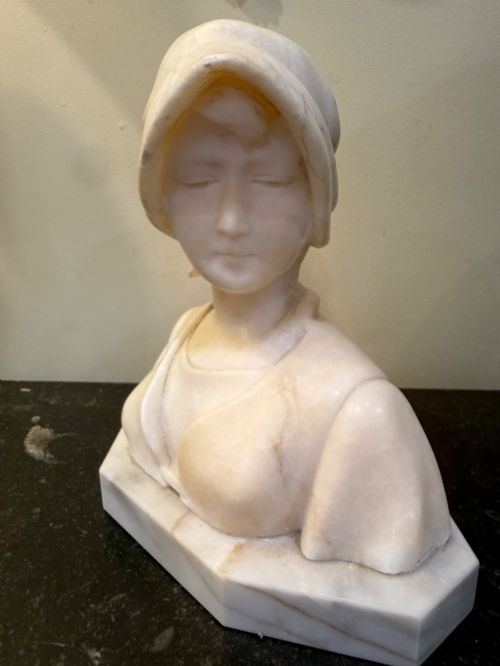

Stone Bust Sculpture
These stone bust sculpture pieces bring classical presence and carved likenesses into a room, offering both quiet portraiture and grand architectural weight.
Stone Bust Sculpture
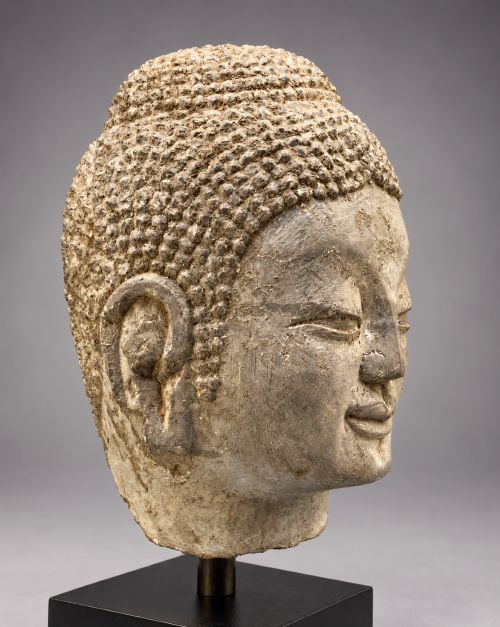
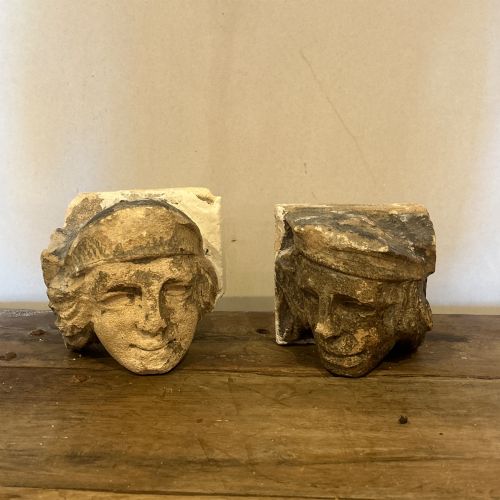
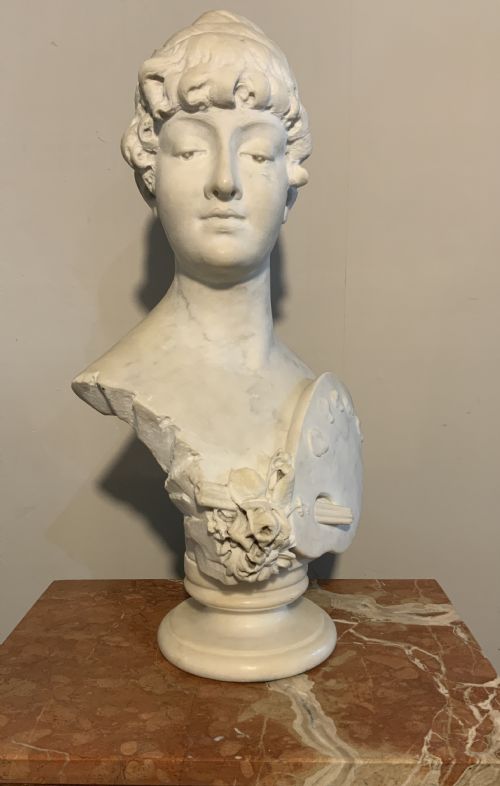
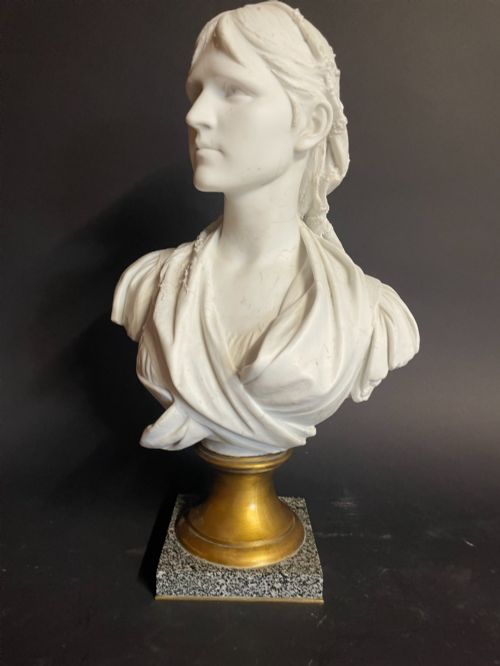
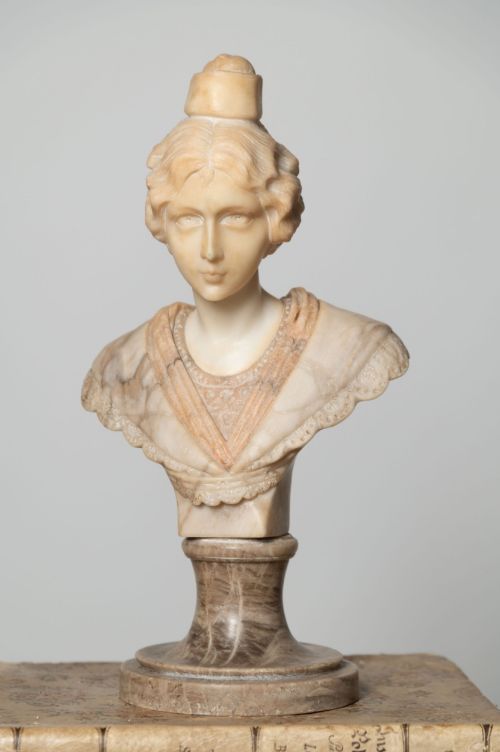
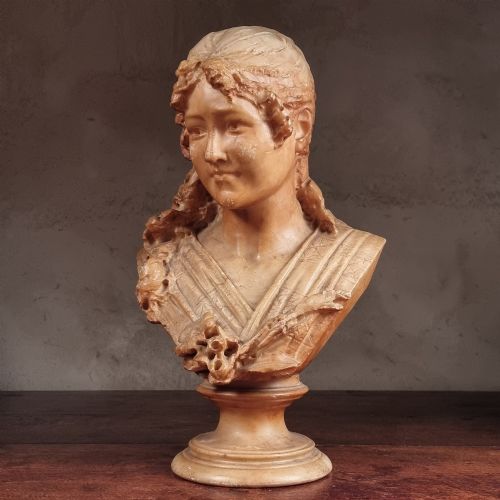
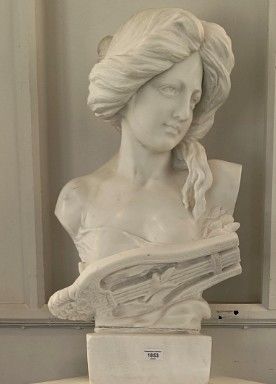
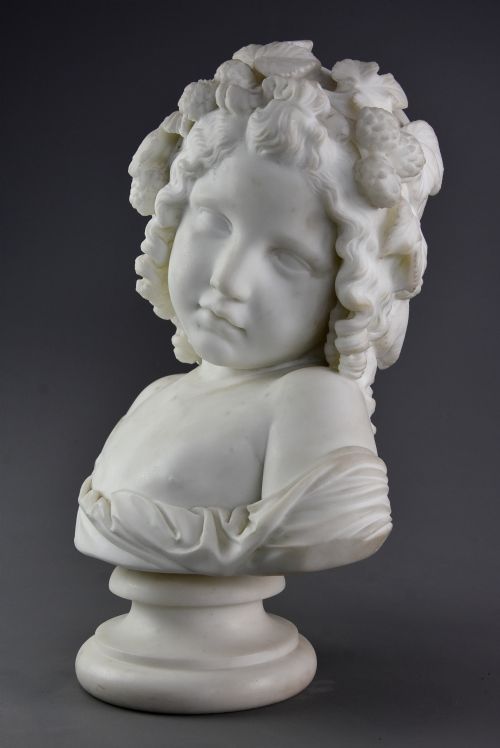
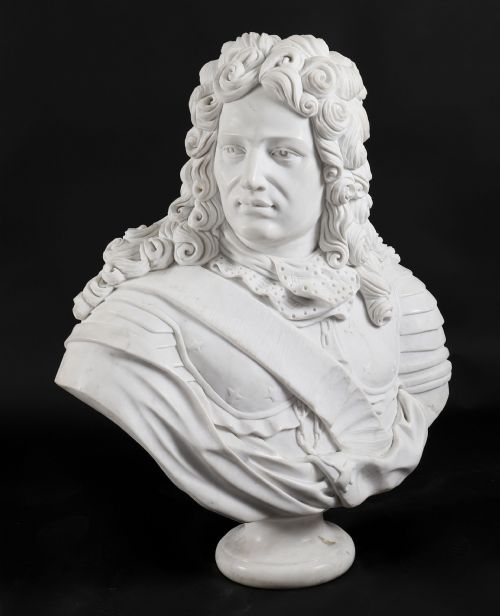
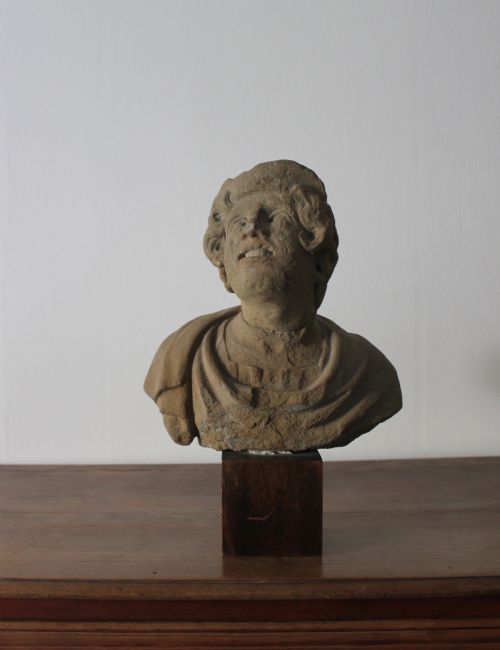
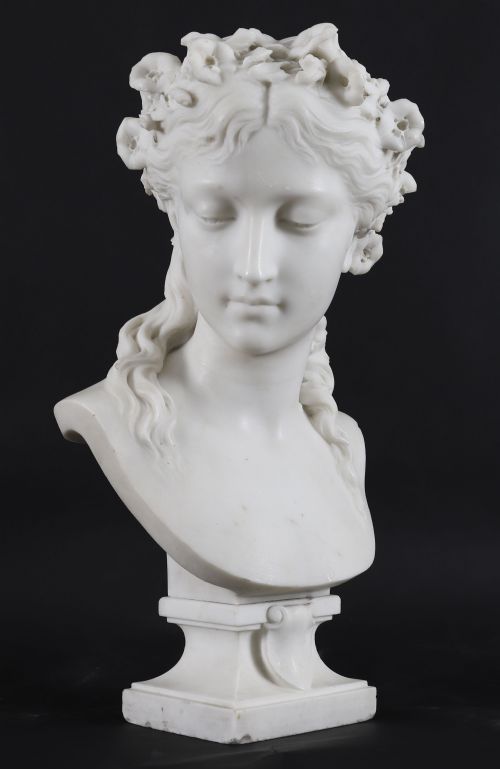
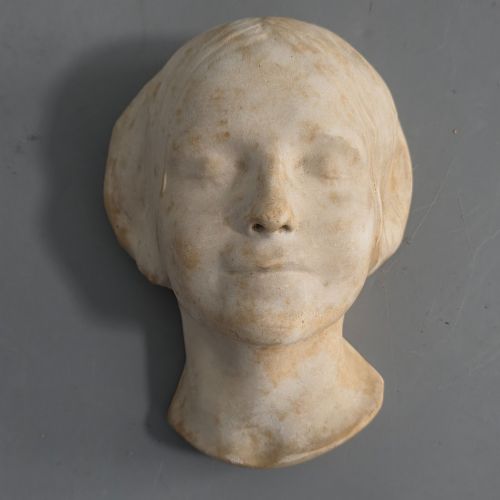
A stone bust sculpture captures a head and shoulders, ranging from classical mythological figures and noblemen to literary icons and anonymous historical portraits. When exploring a stone bust sculpture selection, the nineteenth-century neoclassical interpretations in marble and alabaster appear most frequently alongside weathered garden pieces.
The materials span from fine Carrara marble and translucent alabaster to rugged limestone and cast stone, reflecting both indoor library pieces and outdoor architectural fragments. These works emerge from diverse traditions, including medieval corbels, Victorian portraiture, and twentieth-century garden statuary.
Makers ranged from known nineteenth-century sculptors signing their marble works to anonymous artisans carving regional limestone and alabaster. Buyers select these pieces to anchor a room with historical gravity or to introduce classical form into contemporary interiors.
Materials and Carving Methods
Sculptors shaped these pieces primarily through direct carving of hard stone, marble, or softer alabaster using chisels, rasps, and drills. Some nineteenth-century and twentieth-century examples utilise cast plaster or reconstituted stone for simulated texture and monumental scale.
Finishing techniques varied from high polish on white marble flesh to matte surfaces on weathered limestone and plaster. Details such as drapery folds, hair texture, and armour were incised by hand to achieve lifelike depth.
Several noblemen, poets, and Roman emperors share shelf space here, keeping a stony silence through the centuries.
Assessing Quality and Execution
The distinction between ordinary and exceptional work lies in the sensitivity of the carving, particularly in the expression of the eyes, the fall of hair, and the treatment of fabric. Superior examples display anatomical precision and subtle depth that bring the stone to life.
Signatures by recorded sculptors elevate a piece, as do crisp details on garments and intricate veining within the marble or alabaster. Lesser works can appear stiff or mechanical in proportion, lacking the fluid transition from base to shoulder.
Houdon·Eugene Aizelin·J Francis·Raffaelo Monti·Auguste Henri Carli·R. Mattei·John Wenlock Rollins
The Stone Bust Sculpture Glossary
- Carrara marble
- A fine-grained, white or blue-grey marble quarried in Tuscany, widely used for nineteenth-century portrait busts.
- Alabaster
- A soft, fine-grained stone that allows light to penetrate slightly, prized for its translucent quality in sculptural work.
- Neoclassical
- A style reviving classical Greek and Roman forms, dominant in nineteenth-century sculpture and architectural ornament.
- Corbel
- A structural piece of stone jutting from a wall to support a weight, often carved into figurative or architectural busts.
- Plinth
- The heavy base or pedestal upon which a bust sculpture rests to elevate its presentation.
Stone Bust Sculpture: Frequently Asked Questions
How do I clean a marble bust?
Dust the surface gently with a dry, soft cloth or a very soft brush to prevent dirt accumulation in carved crevices. Avoid using harsh chemical cleaners, oils, or excess water, which can damage unsealed stone or delicate plaster.
For stubborn grime, consult a professional restorer rather than attempting wet cleaning yourself. Maintaining a stable indoor environment away from direct heat sources protects the material from cracking over time.
Where should I display a heavy stone sculpture?
Place heavier pieces on sturdy wooden columns, stone pedestals, or low tables capable of supporting substantial weight safely. Ensure the furniture or architectural bracket is level and anchored if placed in a busy hallway.
Positioning the piece at eye level allows the carved details of the face and shoulders to be appreciated properly. Good side lighting helps reveal the subtle contours and textures of the material.
Are these pieces suitable for outdoor gardens?
Only pieces specifically fashioned from durable limestone, reconstituted stone, or cast stone should remain outside exposed to weather. Marble and alabaster busts are generally softer and susceptible to frost damage and acid rain, making them strictly indoor pieces.
If placing garden statuary outdoors, position them under shelter or elevate them off damp ground on a stone plinth. Bring vulnerable garden pieces indoors during freezing winter months to preserve the carved surface.
How can I tell if a bust is nineteenth century?
Examine the tooling marks, the style of clothing, and the signature if one is present on the shoulder or base. Nineteenth-century pieces frequently exhibit neoclassical styling, meticulous hand-chiselled detailing, and specific types of polished marble.
Comparing the patina and the method of mounting to known period examples helps confirm the age. Consult stylistic indicators such as Victorian hairstyles or Edwardian clothing conventions to narrow down the decade.