


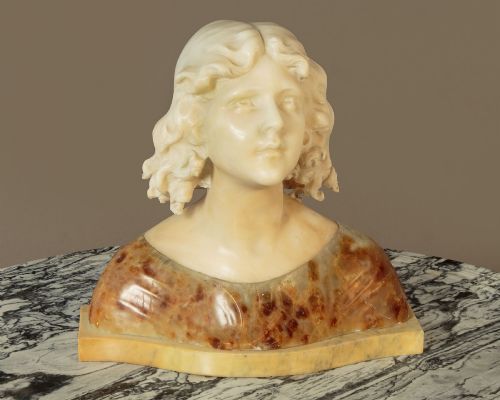


Female Marble Portrait
A female marble portrait captures a subject in stone, offering enduring character through sculpted form.
Female Marble Portrait
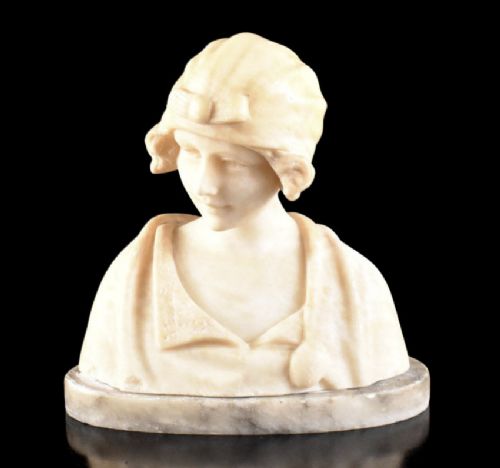
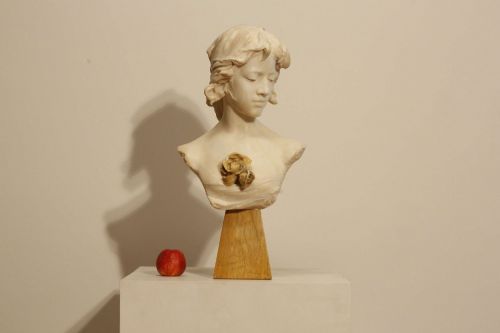
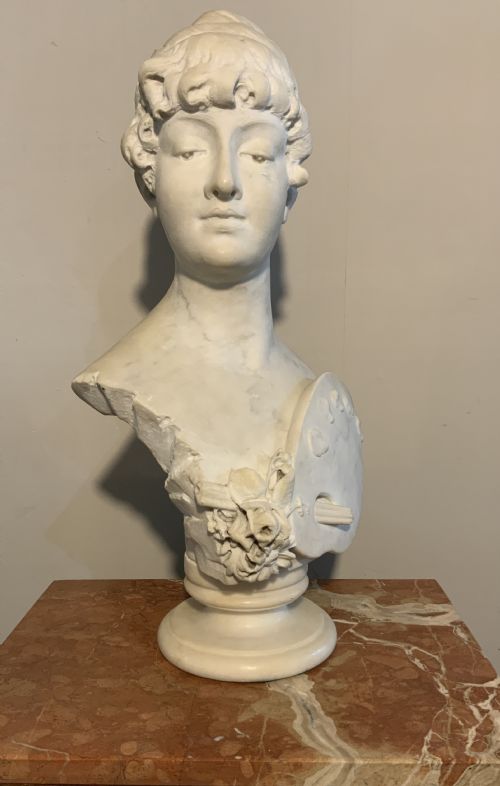
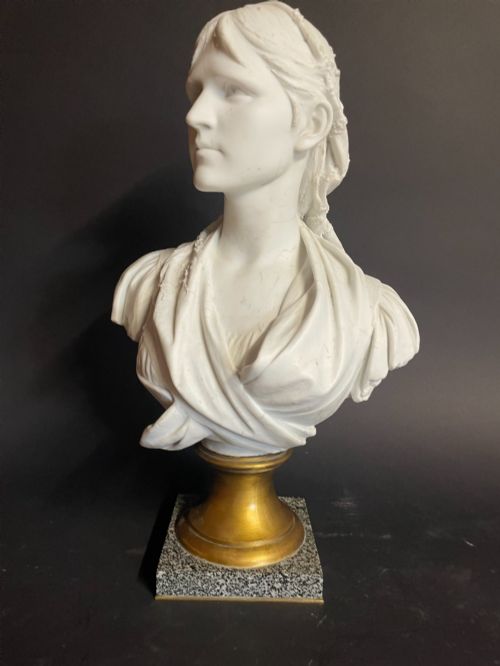
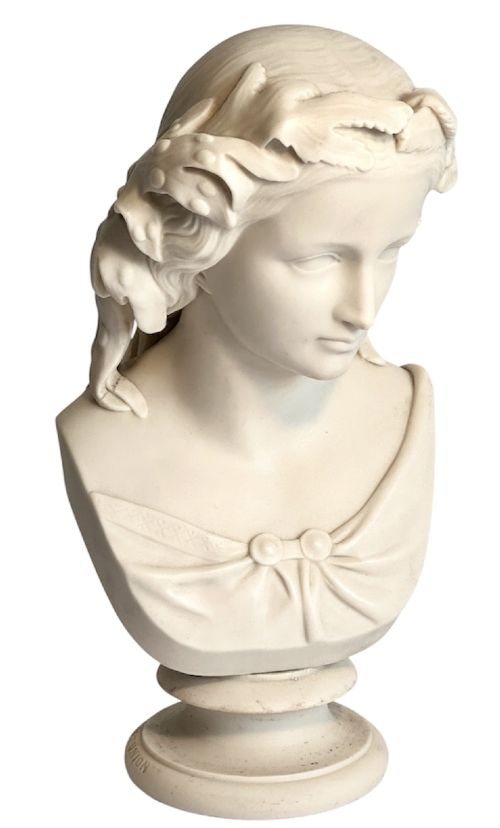
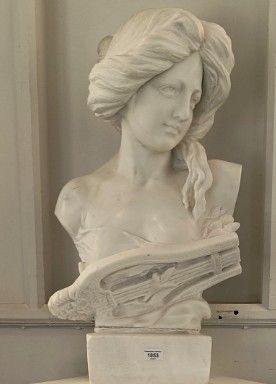
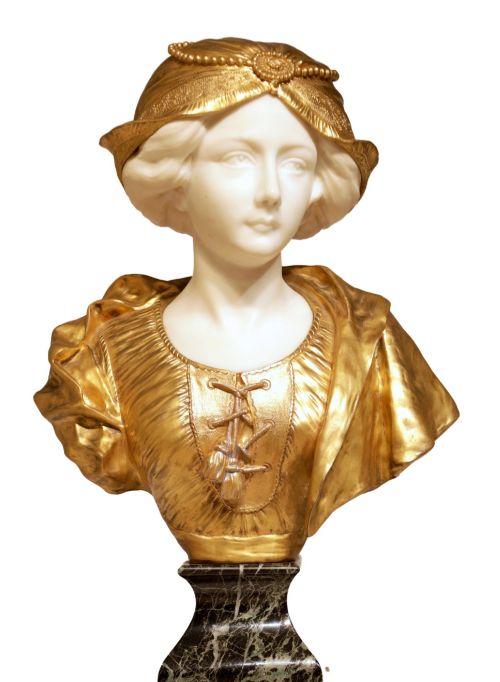
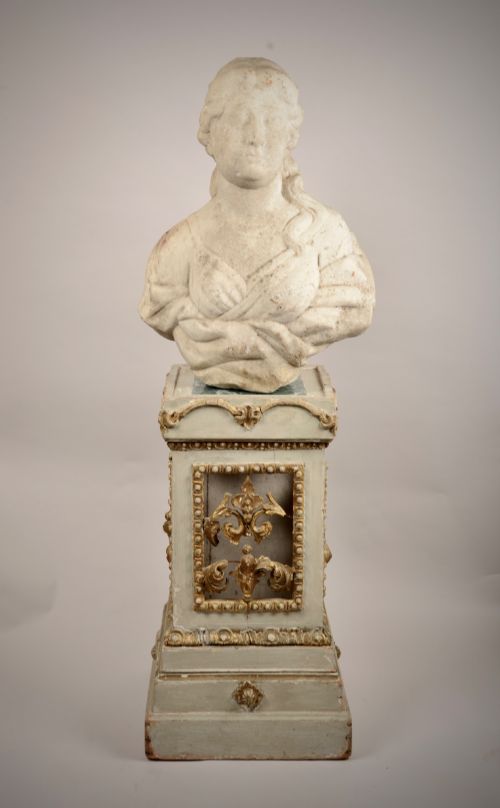
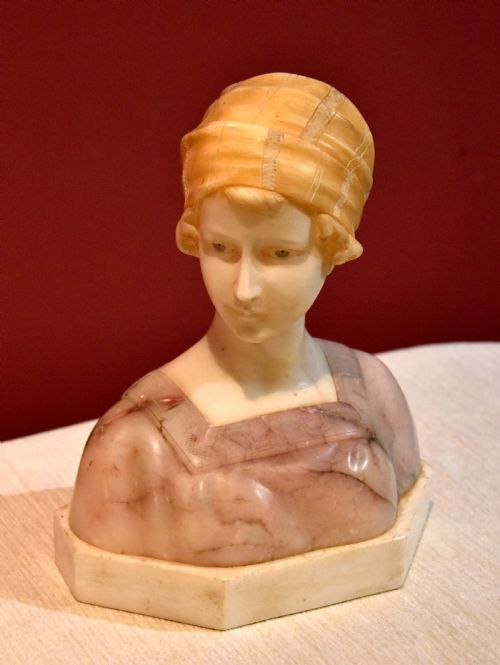
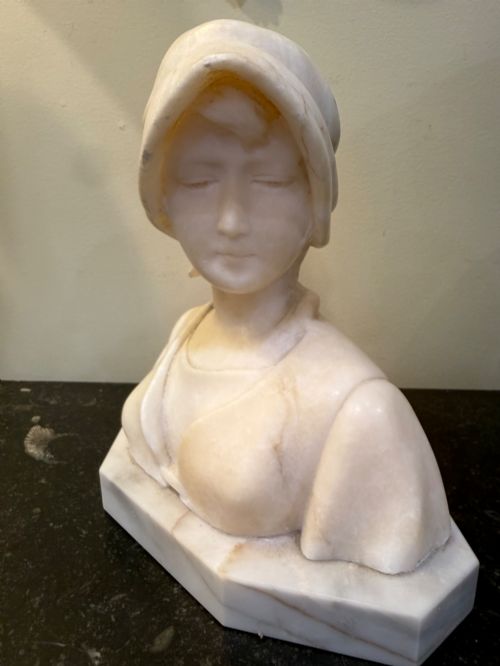
A female marble portrait represents women through carved sculpture, predominantly taking the form of busts and heads originating from the nineteenth century. These pieces encompass depictions of historical figures, mythological subjects, and anonymous young ladies rendered in solid stone or alabaster. The selection on this page centres heavily on nineteenth-century French and Italian workmanship, reflecting various historical revivals.
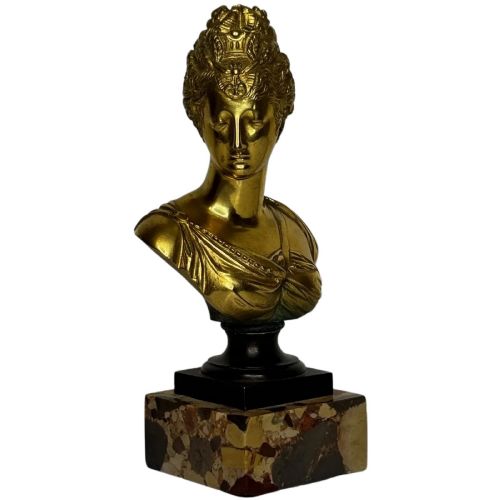
Makers frequently turned to classical antiquity and mythological themes for inspiration, producing Neoclassical interpretations alongside romanticised portraits. Pieces range from life-sized Italian carvings in Carrara marble to smaller mixed-media works combining stone with gilt bronze or ormolu. Collectors encounter distinct regional styles, from French Art Nouveau elegance to stern seventeenth-century fragments.
Materials and Methods
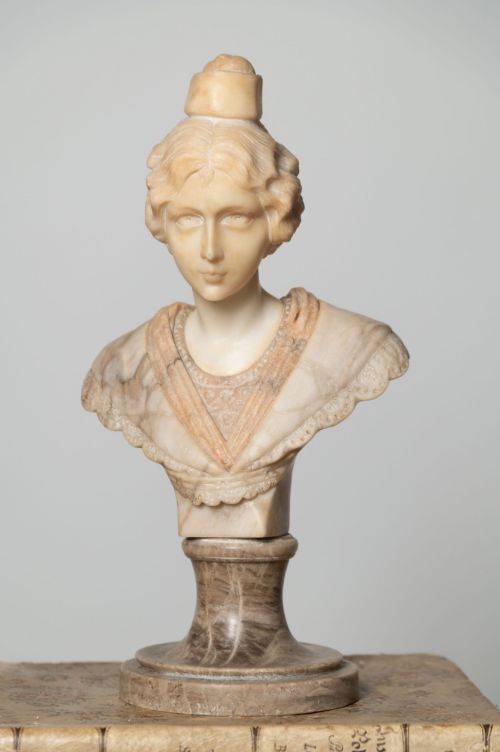
Sculptors utilised fine-grained Carrara marble, alabaster, and various coloured stones to achieve smooth flesh tones and intricate drapery. Many works combine carved marble or alabaster with cast bronze, spelter, and gilt bronze elements, frequently mounting the primary sculpture on contrasting marble bases such as Vert de Mer or Portoro.
Artisans carved the stone by hand using chisels and rasps, following preparatory models before polishing the surfaces to varying degrees of matte or glossy finish. Details such as hair texture and lace collars demonstrate meticulous hand-finishing, while mixed-media pieces required precise metal casting and fitting.
Female Marble Portrait Retail Price Guide 2026
Typical asking prices for female marble portrait among the pieces listed under this phrase on Sellingantiques today, from the lower quarter to the upper quarter. They describe what is for sale here now, not the wider market.
Several ladies gaze out from underneath intricately sculpted stone veils that look surprisingly soft despite being carved from solid marble.
Evaluating the Workmanship
Quality in a female marble portrait rests upon the sensitivity of the carving and the natural purity of the stone used by the sculptor. Superior pieces display anatomical precision, lifelike facial expression, and delicate rendering of difficult details like veils and hair.
The integration of mixed materials distinguishes finer studio output from standard commercial production. Expert chiselling that creates subtle contrasts between polished flesh and textured drapery separates masterworks from simpler decorative outputs.
Affortunato Gory·Auguste Henri Carli·Georges-Charles Coudray·Emmanuel Villanis·E. Laurent·Eutrope Bouret·Auguste Moreau·Georges Van Der Straeten
The Female Marble Portrait Glossary
- Carrara marble
- A white or blue-grey stone quarried in Italy, prized by sculptors for its fine and uniform grain. It forms the primary medium for many classical and nineteenth-century portrait busts.
- Alabaster
- A softer mineral stone that allows for translucent carving and warm, milky tones. Artisans frequently used this material for intimate Victorian and Art Nouveau female busts.
- Bust
- A sculpted representation of a person from the chest or shoulders up. This format focuses attention entirely on facial expression and hairstyle.
- Ormolu
- Gilded bronze ornamentation applied to furniture and sculpture bases. It adds metallic contrast to white marble and stone portraits.
- Spelter
- A zinc alloy utilised as a less costly alternative to bronze in decorative sculpture. It appears frequently in French Art Nouveau figural works.
Female Marble Portrait: Frequently Asked Questions
What materials make up these sculptures?
These portraits utilise natural stones including Carrara marble, white marble, alabaster, and assorted coloured marbles. Many examples incorporate metal elements such as bronze, gilt bronze, spelter, and ormolu.
The combination of stone and cast metal defines much of the nineteenth-century French and Italian output found across these listings.
How do I identify the period of a marble bust?
Stylistic clues such as flowing Art Nouveau hair, Neoclassical drapery, or Victorian hairstyles help date a piece alongside any inscribed signatures or dates. Costume details and the specific type of marble base also provide clear indications of origin.
Most surviving portraits date from the nineteenth century, though earlier seventeenth-century fragments and early twentieth-century examples also appear.
Were these pieces displayed outdoors?
Interior display was the primary purpose for these carved portraits, intended for placement on pedestals, mantelpieces, or table surfaces within domestic drawing rooms and studies. Their delicate stone and mixed-media construction made them unsuitable for exterior weather.
The addition of contrasting coloured marble bases elevated the sculptures for prominent indoor presentation.
How should I care for marble and alabaster?
Dusting with a soft, dry cloth keeps the porous stone surfaces clean without risking moisture damage. Avoiding harsh chemical cleaners preserves the original polish and natural texture of the carved material.
Alabaster requires particular caution regarding moisture due to its softer composition compared to standard marble.