




Sterling Silver Visiting Case
A sterling silver visiting case is a pocket receptacle designed for carrying personal cards, turning social calls into tangible exchanges of polite craft.
Sterling Silver Visiting Case
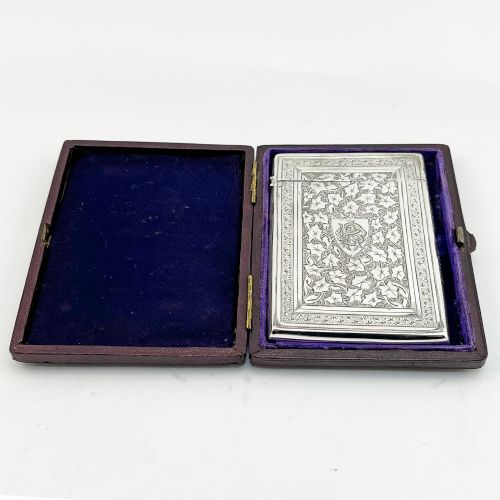
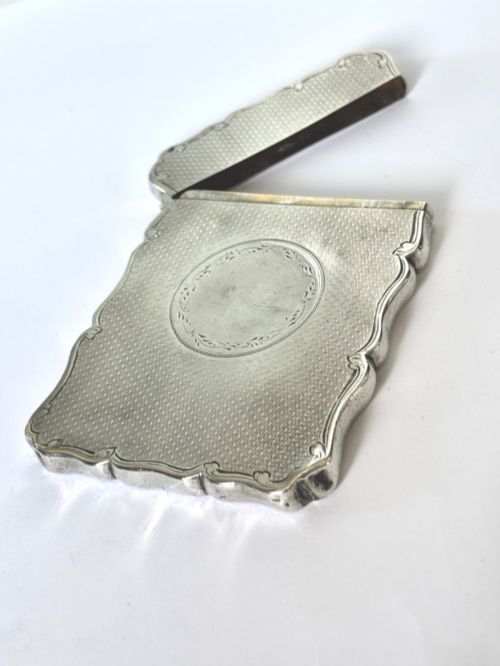
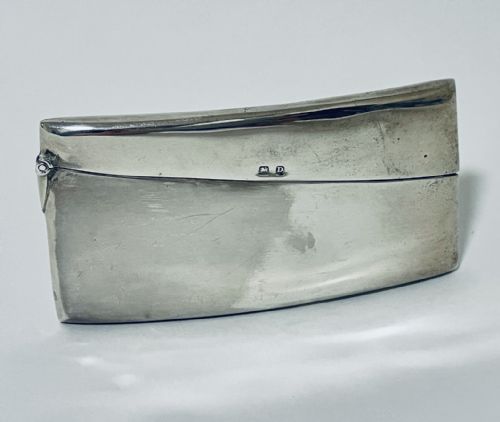
A sterling silver visiting case serves as a portable holder for calling cards, emerging frequently from Victorian and Edwardian workshops in forms ranging from simple sleeves to hinged boxes. Collectors encounter these items as card cases, aide memoires, and calling card cases originating primarily across the nineteenth and early twentieth centuries.
The material record shows solid silver construction augmented on occasion by silver gilt linings, crocodile skin design textures, mother of pearl inserts, and Connemara marble panels. These objects reflect a structured nineteenth-century social etiquette where leaving a card represented a fundamental daily transaction.
Materials and Techniques
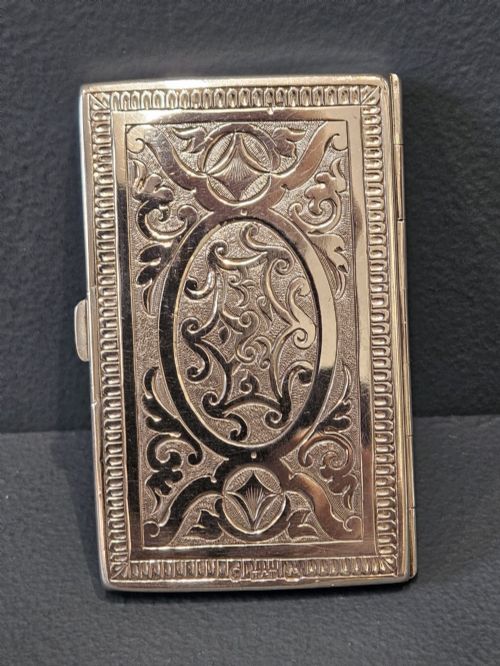
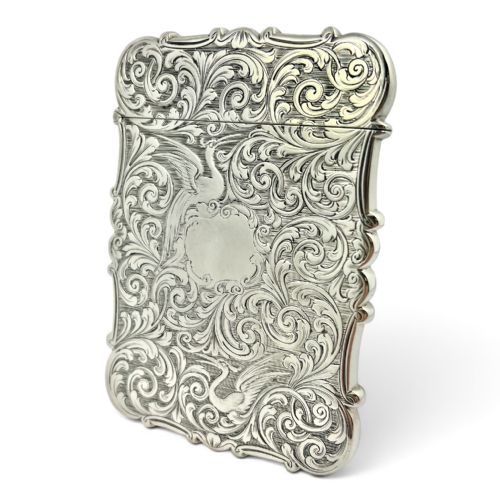
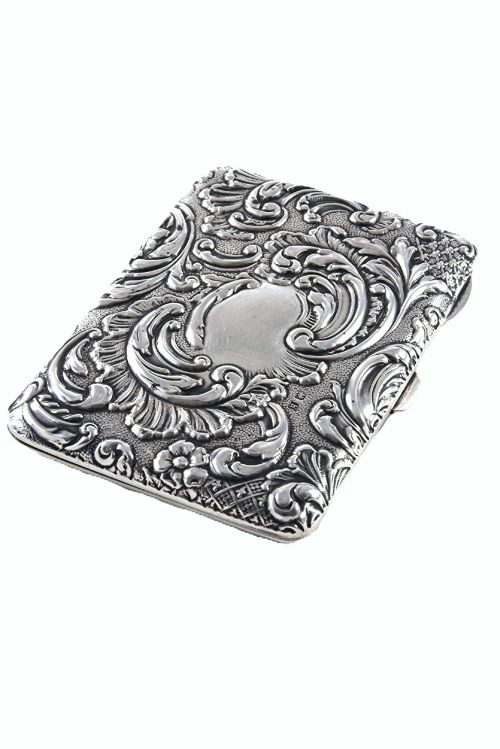
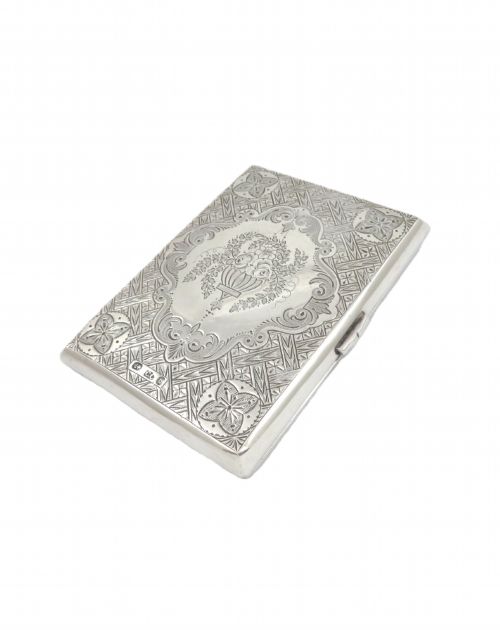
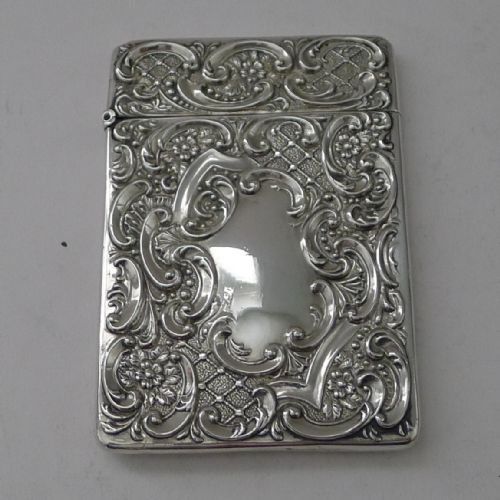
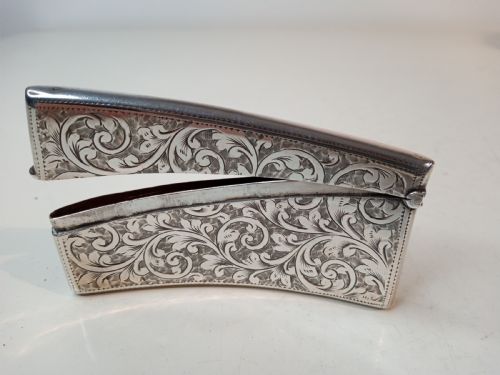
Silversmiths constructed these pieces using sterling silver sheet, shaped by pressing, folding, or soldering into rigid hinged cases designed to protect delicate paper cards within pockets and reticules. Surfaces received intricate ornamentation through hand engraving, engine turning, and repoussé work.
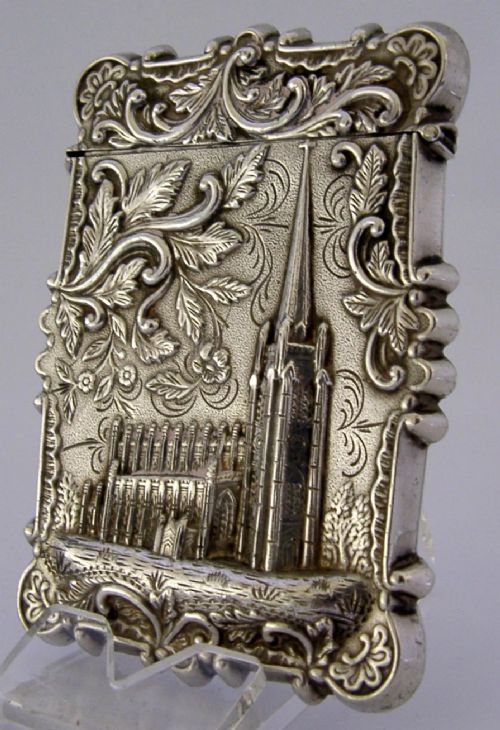
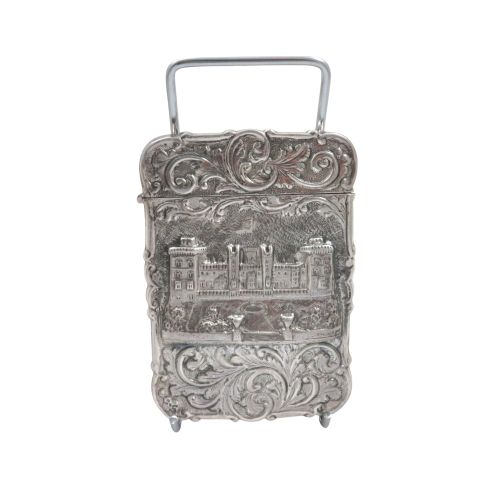
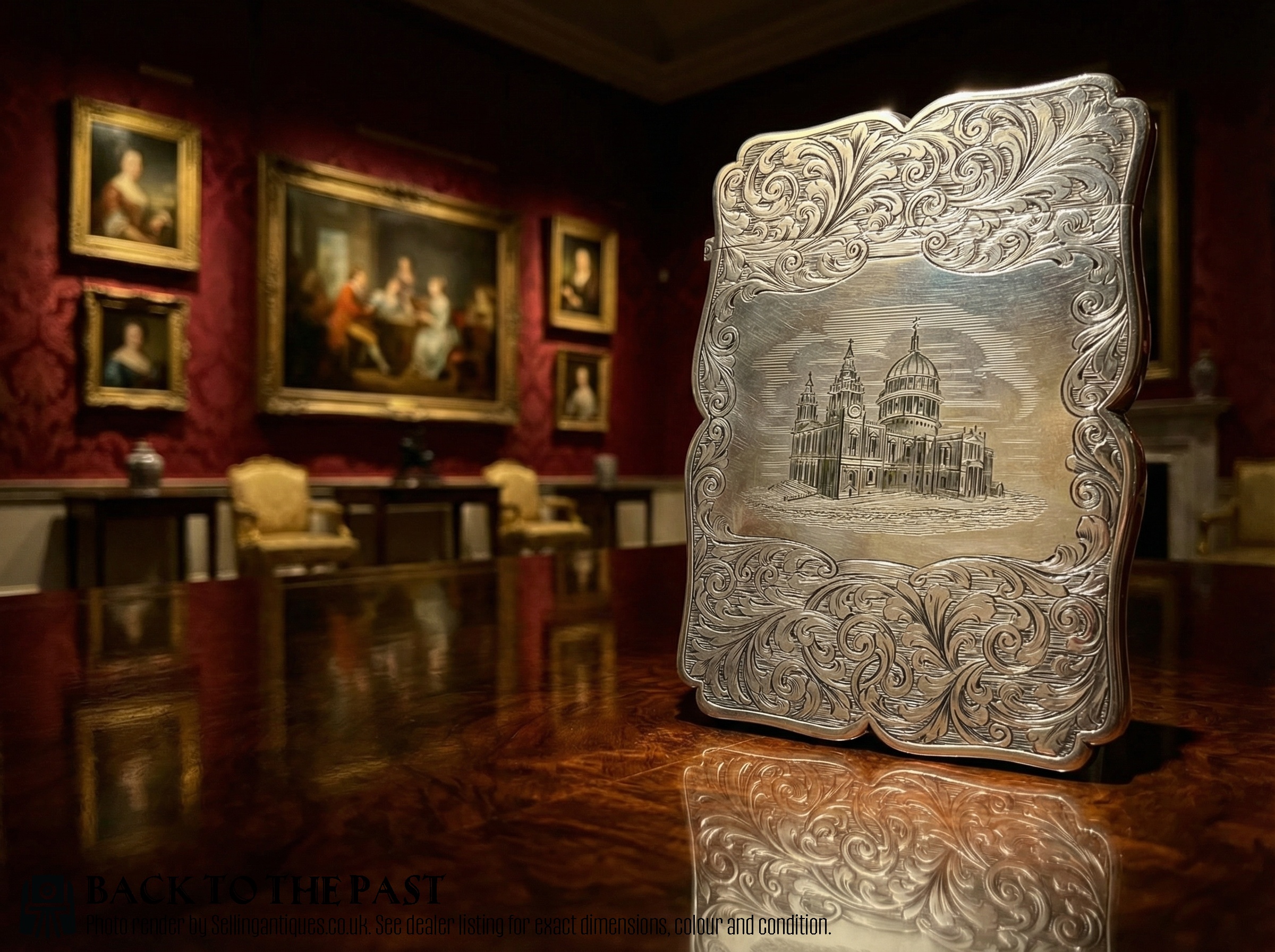
Specialised variants incorporate cast topographical scenes known as castle tops, depicting architectural landmarks in high relief on the primary panels. Interior compartments frequently utilise silk linings, leather partitions, spring clips, and silver gilt washes to separate notes and cards.
Sterling Silver Visiting Case Retail Price Guide 2026
Typical asking prices for sterling silver visiting case among the pieces listed under this phrase on Sellingantiques today, from the lower quarter to the upper quarter. They describe what is for sale here now, not the wider market.
Materials documented in the inventory include solid silver, silver gilt, Connemara marble, mother of pearl, and crocodile skin design textures.
Distinctions in Execution
Quality resides in the crispness of the relief work and the depth of the hand engraving, particularly across pictorial panels depicting buildings or natural motifs like stags and dogs. Superior examples display sharp architectural detail in castle top designs and tight tolerances in the spring hinges.
The presence of maker marks from notable silversmiths alongside clear town assay offices elevates an item beyond standard commercial production. Interior appointments such as intact gilt surfaces and fitted aide memoire tablets further distinguish finer specimens.
Willian Aitken·Nathaniel Mills·George Unite·Foxall and Co
The Sterling Silver Visiting Case Glossary
- Castle top
- A style of card case featuring a high-relief architectural engraving or casting of a famous building on the lid. These pieces depict specific landmarks such as Windsor Castle or St Paul's Cathedral.
- Aide memoire
- A small memorandum book or card case fitted with interior leaves for writing notes alongside visiting cards. They often include a small mechanical pencil or ivory writing slate.
- Silver gilt
- Sterling silver that has been coated with a thin layer of gold on the interior surfaces. This technique protected the metal from tarnishing and provided a decorative contrast.
- Calling card
- A small inscribed paper card utilised during the Victorian and Edwardian eras to announce a social visit. These slips were deposited in hall trays upon arrival.
- Repoussé
- A metalworking technique where the silversmith hammers the design from the reverse side to form a raised pattern in relief. This method creates tactile floral and scrollwork borders.
Sterling Silver Visiting Case: Frequently Asked Questions
How were visiting cases used?
These cases held personal calling cards that individuals left at acquaintances' homes to signal a social call or express condolences. The slim profile allowed gentlemen to slide them into breast pockets and ladies to carry them in small purses.
Inside, spring clips or tight sleeves kept the fragile paper cards pristine despite movement during travel. Some iterations included small writing tablets to record engagements or messages.
How do I date an antique case?
Dating relies upon the hallmarks stamped directly into the silver, which record the assay office, standard mark, and date letter for the specific year of production. Additional clues emerge from the prevailing decorative style, such as early Victorian floral engraving versus later Edwardian minimalism.
Changes in clasp mechanisms and hinge construction also provide chronological markers for pieces lacking clear date letters. Comparing the form against documented maker marks refines the timeline further.
Can I still use one today?
Modern owners frequently repurpose these silver cases to hold credit cards, business cards, business notes, or folded currency inside modern pockets. The robust sterling silver construction protects contents effectively during daily transit.
Care should be taken with delicate nineteenth-century hinges and internal spring mechanisms to prevent accidental strain. Regular handling also maintains the natural polish of the exterior engraving without requiring abrasive cleaning.