



Sterling Silver Tobacciana
Sterling silver tobacciana encompasses pocket and desk accessories crafted for smoking, defined by solid precious metal construction from the Georgian, Victorian, and later eras.
Sterling Silver Tobacciana
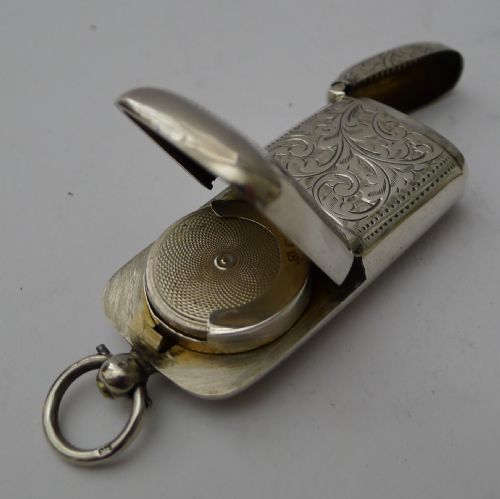
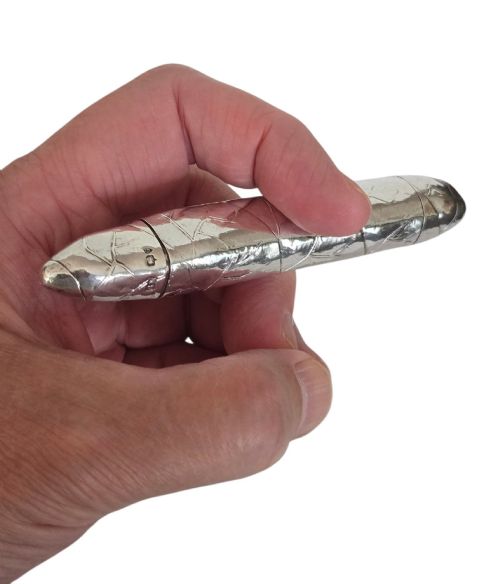
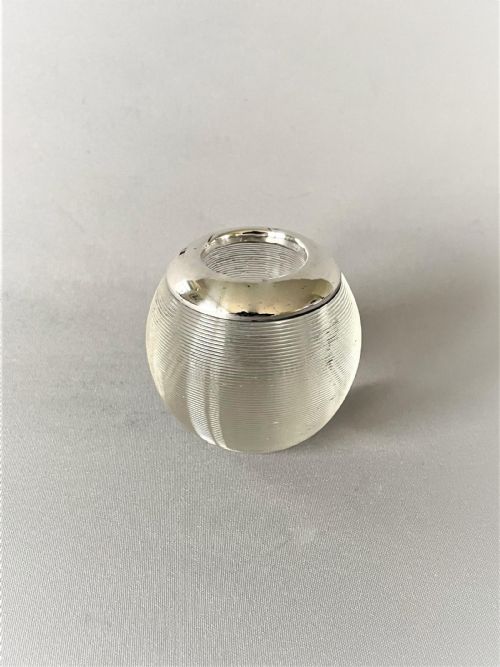
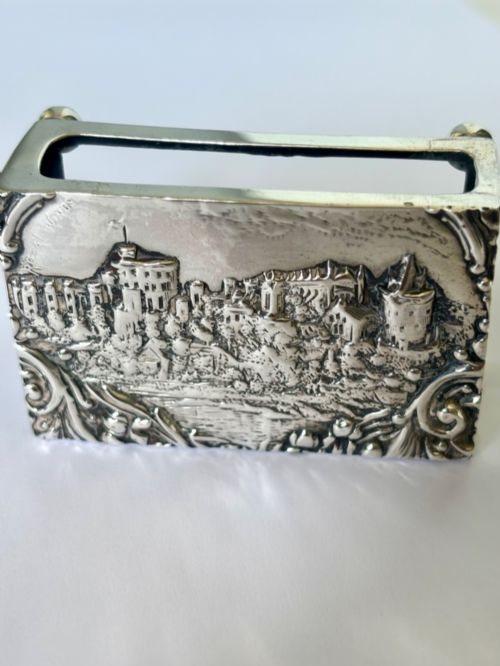
Sterling silver tobacciana covers an array of functional smoking gear, from pocket vestas and cigarette cases to desk matchbox covers and table lighters. You encounter forms originating across the nineteenth and twentieth centuries, including Edwardian squeeze tobacco boxes and Victorian novelty pieces.
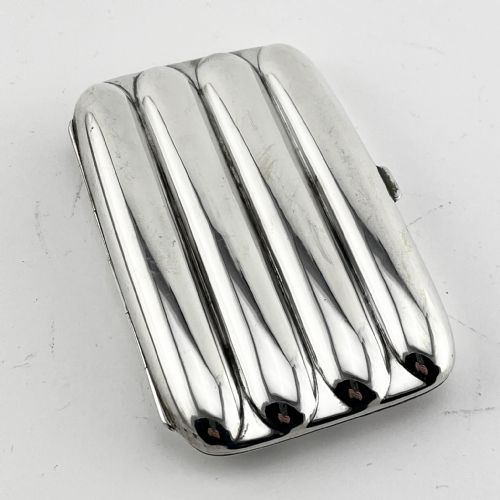
Pocket items such as curved matchsafes and sovereign cases sit alongside larger desk pieces like cigar cutters and spirit lighters. The selection demonstrates how smokers in past decades housed matches, tobacco, and cigars using durable silver shells.
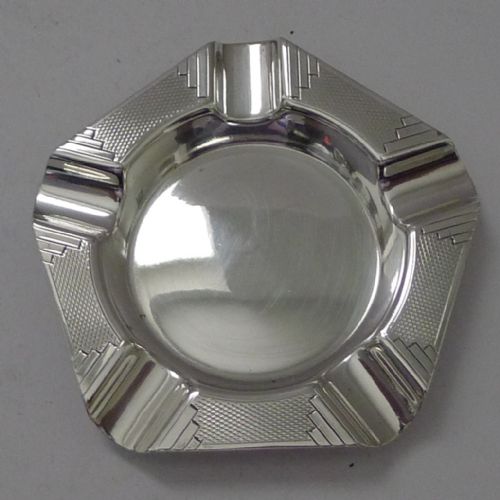
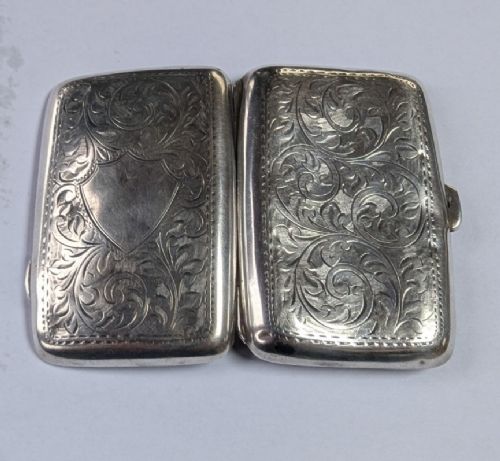
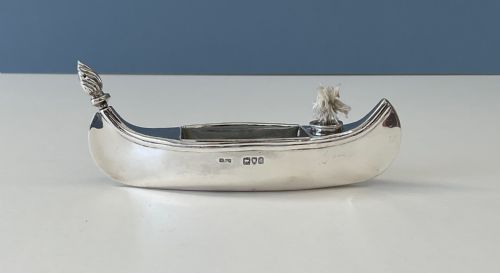
Victorian and Edwardian examples dominate the forms on this page, often featuring engraved ornament or figural shapes. Pieces span straightforward engine-turned cigar cases to imaginative animal novelties.
Materials and Construction
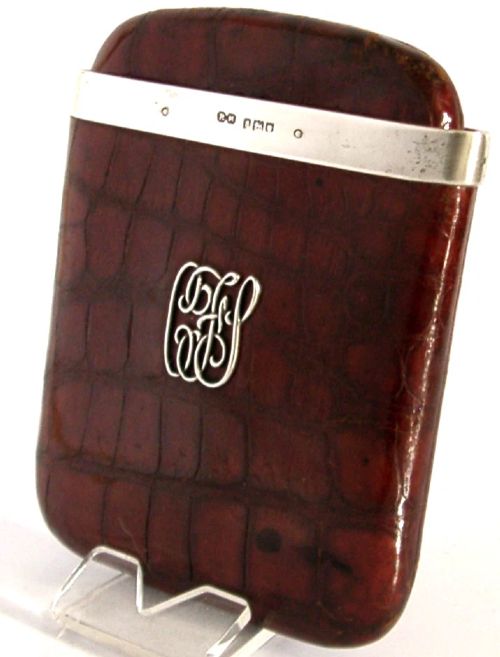
Makers utilised solid sterling silver alongside silver gilt, frequently pairing the metal with contrasting textures like crocodile leather, glass, suede, and fabric wicks. Artisans employed stamping, casting, and hand-engraving to form matchbox covers, cigarette cases, and vesta bodies.
Structural elements rely on secure hinges, tight spring lids on squeeze boxes, and fitted interiors designed to protect delicate cigars and matches. Hallmarks stamped into the silver panels record the assay office, city, and year of manufacture.
Listings feature items spanning the Victorian, Edwardian, George V, and Art Deco periods, constructed in sterling silver alongside crocodile leather and glass.
Distinctions in Quality
Quality rests upon the crispness of chased or engraved detail and the structural integrity of hinged lids and catches. Pieces bearing maker marks from notable workshops exhibit superior finishing compared to unmarked or generic items.
Walker & Hall·Mappin & Webb·Robert Chandler·Sampson Mordan & Co·Robert Pringle·Alfred Clark·Edward Edwards·Christopher Lawrence·Joseph Braham·Hermes Paris
The Sterling Silver Tobacciana Glossary
- Vesta Case
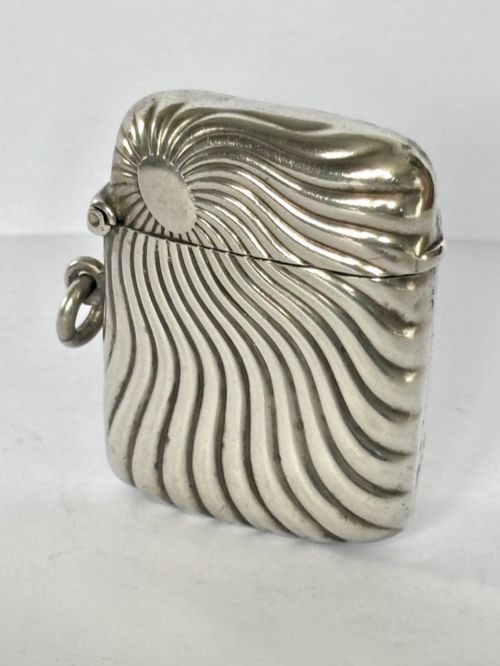
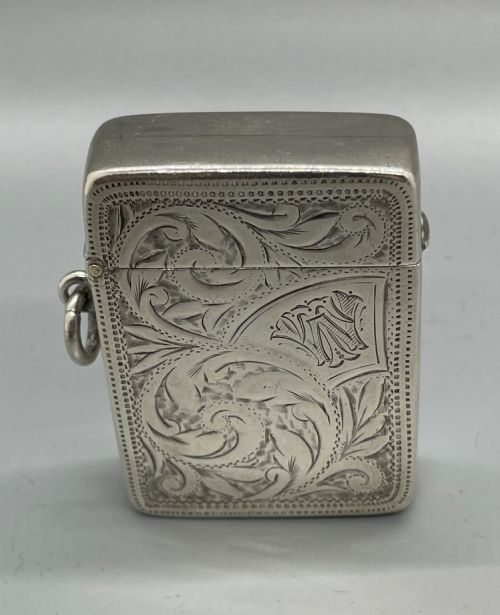
- A small pocket container designed to hold matches, typically fitted with a striking serration on the base. These cases protected matches from moisture before the widespread adoption of safety matches.
- Table Lighter
- A larger desktop lighter engineered for communal use in smoking rooms or studies. They frequently take sculptural or figural forms, such as animals or mythological vessels.
- Squeeze Box
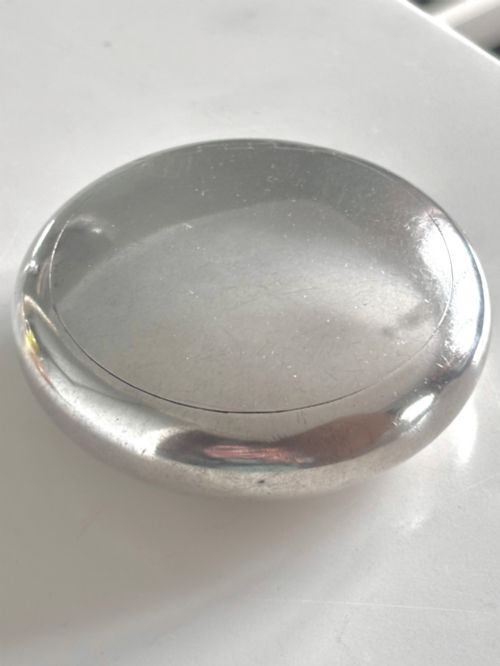
- A flexible tobacco container constructed so that pressing the sides opens the aperture to dispense contents. This mechanism allowed one-handed access to loose tobacco.
- Match Safe
- An American term synonymous with the British vesta case, housing matches securely in a pocket. They feature hinged lids and often carry personal monograms or floral engraving.
- Engine Turned
- A decorative pattern of precise, geometric lines mechanically cut into the silver surface. This technique added texture while masking minor everyday handling marks.
Sterling Silver Tobacciana: Frequently Asked Questions
How were antique vesta cases used?
Vesta cases served to carry matches safely in pockets or waistcoats without accidental ignition. Users struck the match against the serrated base of the case to light pipes or cigars.
Many designs incorporated double compartments to hold stamps or sovereigns alongside the matches, serving multiple daily carrying needs for the owner.
How do I identify the date of a silver piece?
British silver bears hallmark stamps that indicate the assay office, the standard of silver, and a specific date letter corresponding to the year of assay. Examining these tiny stamped marks provides the exact year and city of manufacture.
Additional clues include the prevailing artistic style of the period, such as Edwardian neoclassical motifs or Art Deco geometric lines.
How should I clean antique silver tobacciana?
Antique silver requires gentle cleaning with a soft cloth and proprietary silver polish designed to preserve fine detail and engraved lines. Aggressive scrubbing can wear away thin surface layers or historic hallmarks.
Leaving a degree of natural patina in recessed areas often enhances the visual depth and highlights the original craftsmanship of the piece.