




Sterling Silver Sugar Tongs
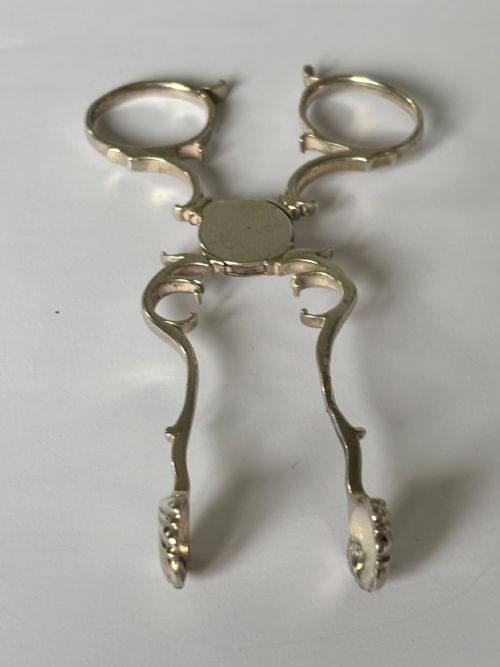
Sterling silver sugar tongs gather small lumps of sugar for the tea table, ranging from delicate Georgian scissor-arms to playful Edwardian novelties.

Sterling Silver Sugar Tongs
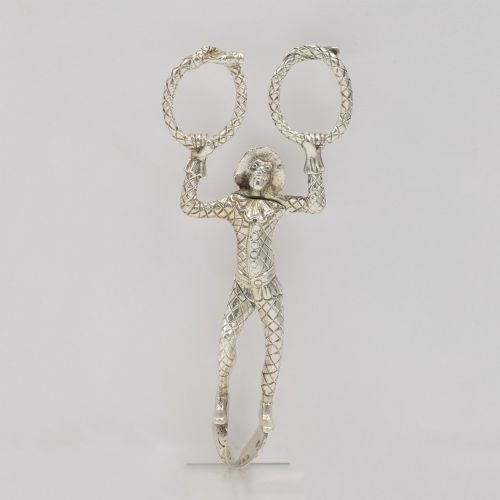
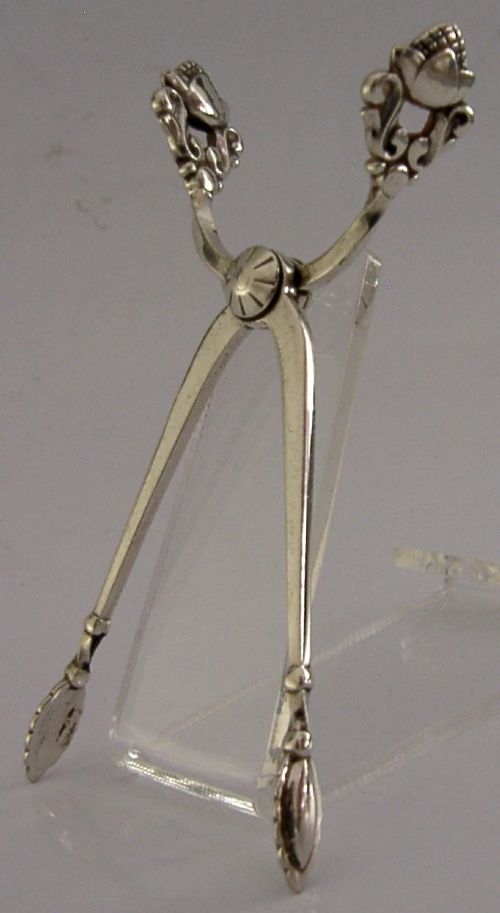
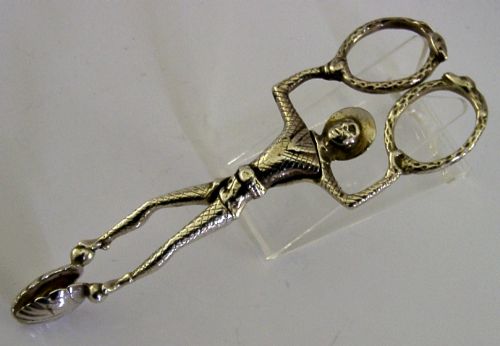
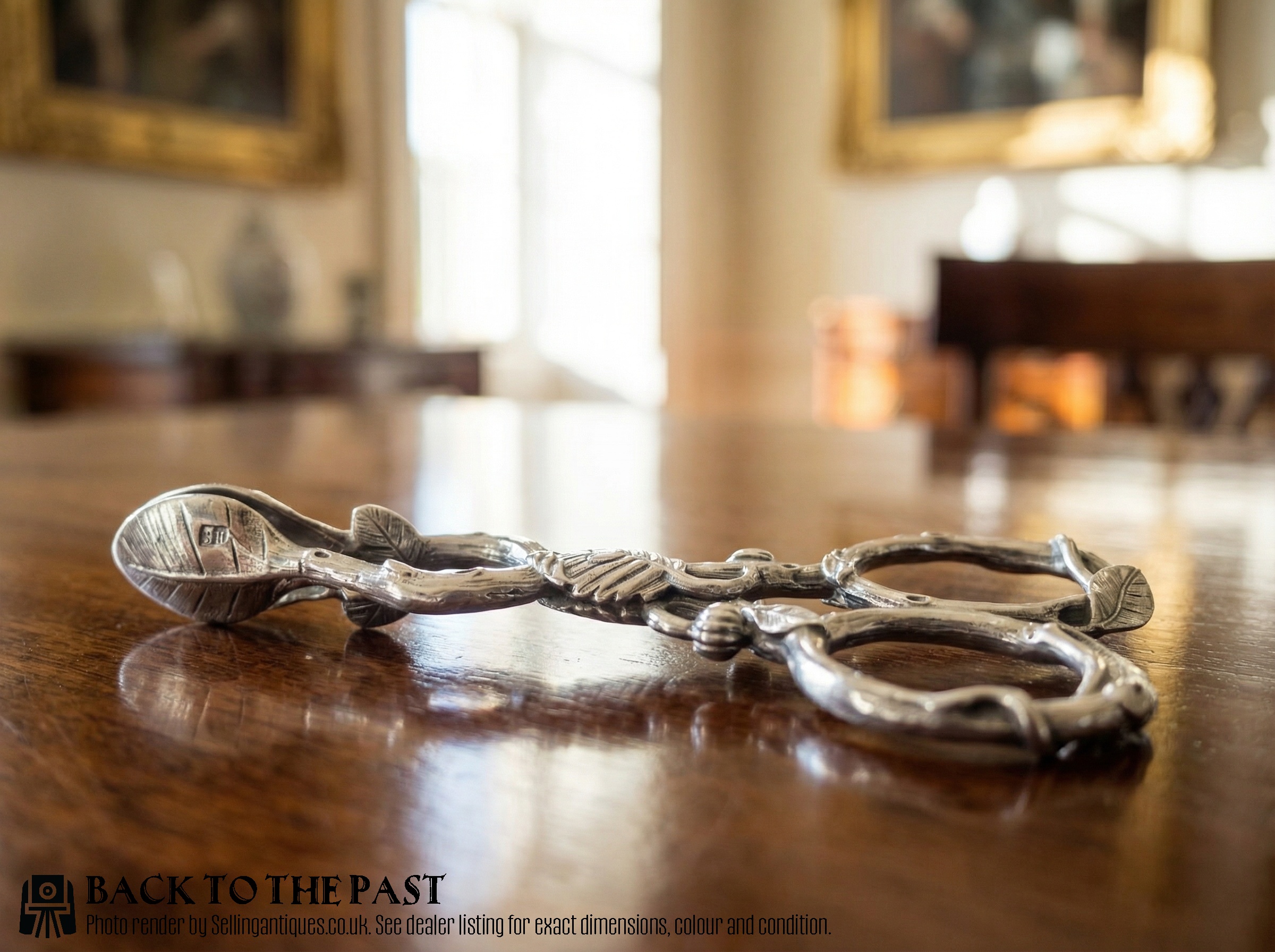
Victorian and Edwardian versions introduce naturalistic foliate designs, family crests, and novelty shapes such as wishbones, monkeys, jesters, and articulated eagle claws. Later pieces incorporate twentieth-century aesthetics like Art Deco and Danish Modern styles, alongside Georg Jensen patterns.
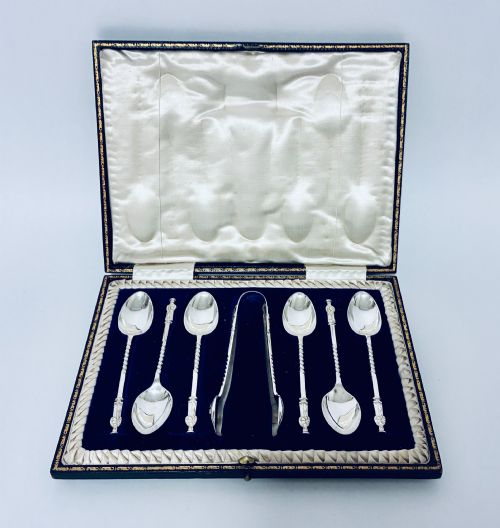
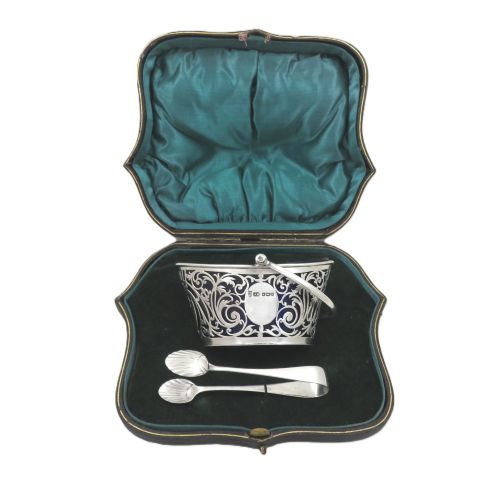
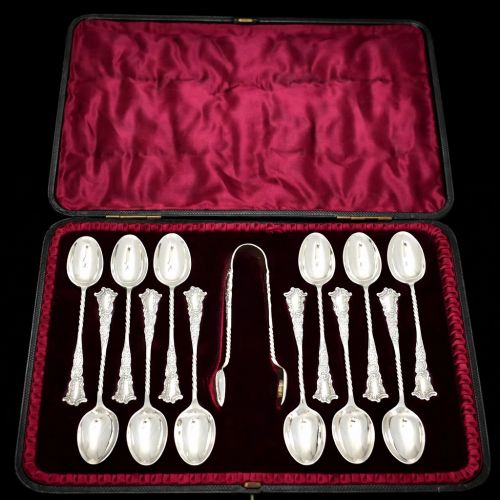
The pieces often appear alongside matching teaspoons, sugar baskets, or cased sets featuring fitted interiors lined in velvet, silk, satin, or leatherette. Buyers encounter everything from utilitarian serving tools to ornate, pierced, and cast collector pieces.
Materials and construction methods
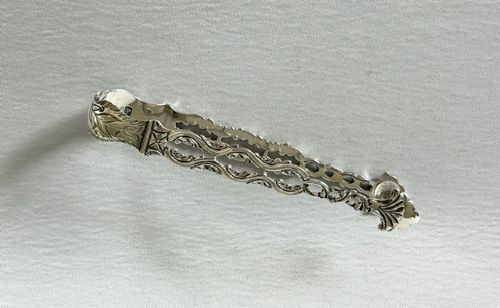
Silversmiths formed these objects primarily from solid sterling silver, occasionally applying a silver-gilt finish for a decorative gold-washed appearance. Makers utilised casting and piercing techniques to create openwork patterns on the arms and bowls.
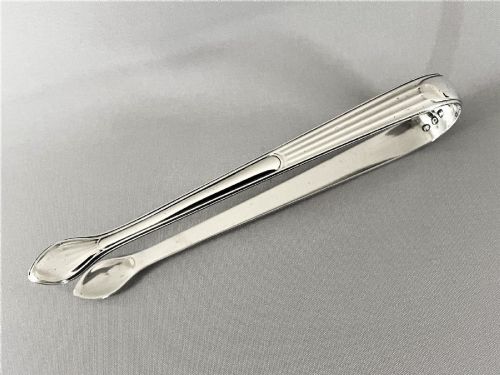
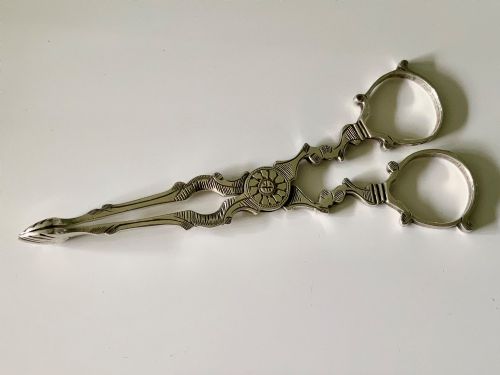
Scissor-action nips rely on a pivot hinge to join two distinct arms, while sprung folding tongs depend on the natural resilience of bent silver to provide tension. Master craftsmen engraved details such as bright-cut geometric borders and crests directly onto the metal surface.
Sterling Silver Sugar Tongs Retail Price Guide 2026
Typical asking prices for sterling silver sugar tongs among the pieces listed under this phrase on Sellingantiques today, from the lower quarter to the upper quarter. They describe what is for sale here now, not the wider market.
Listings feature sterling silver sugar tongs spanning the Georgian, Victorian, and Edwardian periods, alongside Art Deco designs.
Distinctions in design and maker attribution
Quality rests on the reputation of the silversmith or workshop, with pieces bearing marks from notable makers like Hester Bateman commanding particular attention. The precision of cast ornamentation, hand-piercing, and crispness of bright-cut engraving further separate standard items from superior works.
Novelty pieces derive their standing from the complexity of the mechanism and the sculptural detail of forms like harlequins or articulated claws. The integrity of the silver spring tension and the clarity of full hallmarks also govern the overall standard of each pair.
Bateman Family·Dee And Fargus·Thomas Tookey·Georg Jensen·Henry Stuart Brown·John Walton·Francis Higgins·Robert Stebbings·James And William Marshall·William Sumner I·Hester Bateman
The Sterling Silver Sugar Tongs Glossary
- Sugar Nips
- Early scissor-style implements used for cutting and lifting sugar lumps before the prevalence of pre-formed cubes.
- Bright-Cut
- An engraving technique using faceted cuts to reflect light, commonly found on late eighteenth-century silver.
- Novelty Tongs
- Pieces shaped into playful or unusual forms, such as wishbones, animals, or jesters, popular in the Edwardian era.
- Silver-Gilt
- Solid silver that has been coated with a thin layer of gold, providing a two-tone decorative effect.
- Provincial Mark
- Hallmarks applied by assay offices outside London, indicating manufacture in regional centres like Newcastle or Exeter.
Sterling Silver Sugar Tongs: Frequently Asked Questions
How were sugar tongs used?
Users picked up individual sugar lumps to drop into tea cups, keeping fingers clean during formal tea service.
Scissors-style nips were held between the thumb and fingers, while sprung arms required a simple squeeze to grip the lump.
What is the difference between tongs and nips?
Nips typically feature a scissor action with finger rings or looped handles dating from the earlier Georgian period.
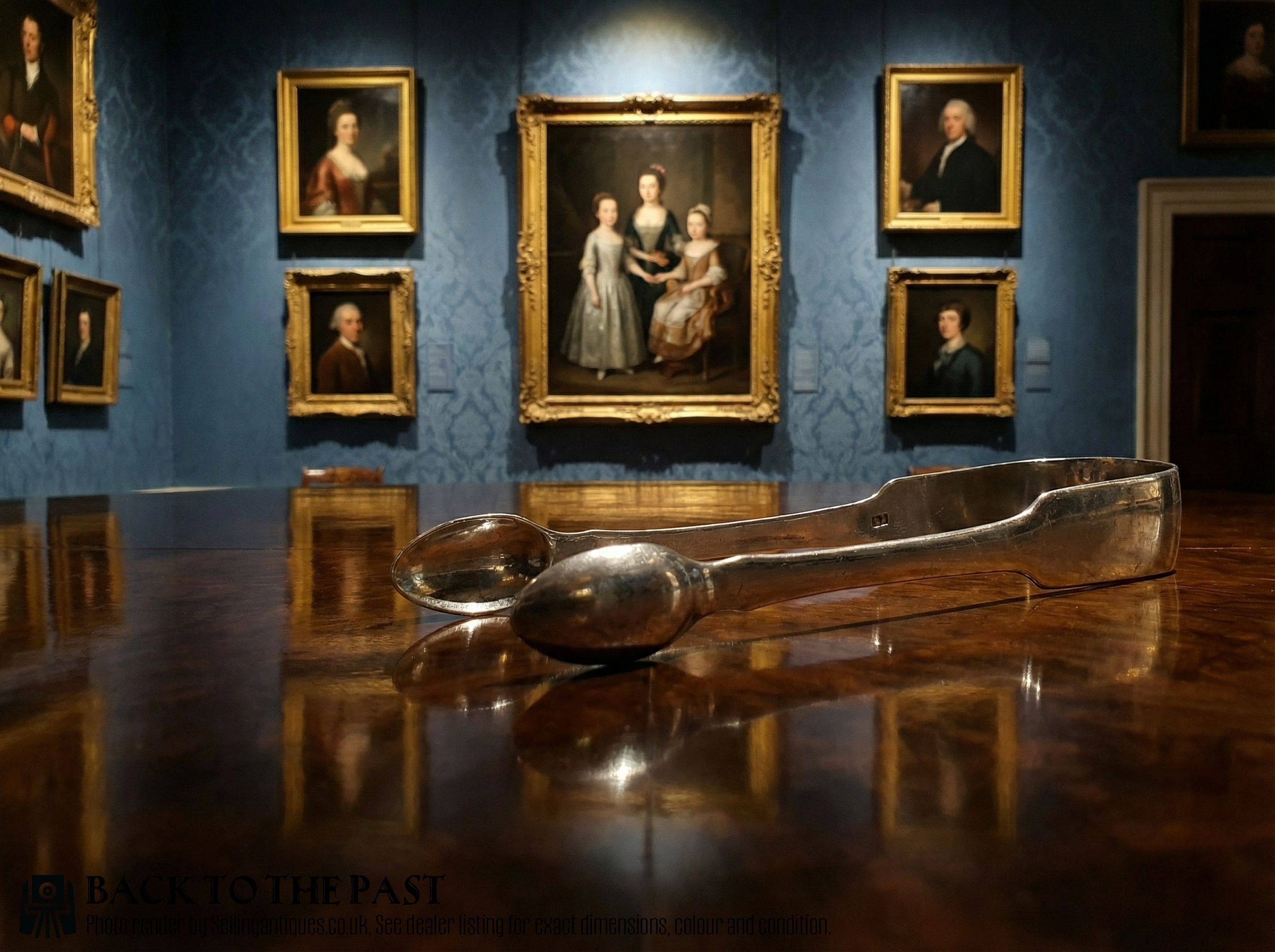
Tongs are usually sprung from a single folded metal joint at the top, becoming more common in the Victorian era.
How do I date sterling silver sugar tongs?
Full hallmarks stamped on the silver provide the exact year mark, maker's mark, and assay office location.
Stylistic clues such as bright-cut engraving point to the Georgian period, while naturalistic foliage often indicates Victorian manufacture.
Why do some tongs have family crests?
Wealthy households commissioned silversmiths to engrave family crests or monograms onto tableware to denote ownership.
These personalisations link the silver directly to specific historical families and estates.