

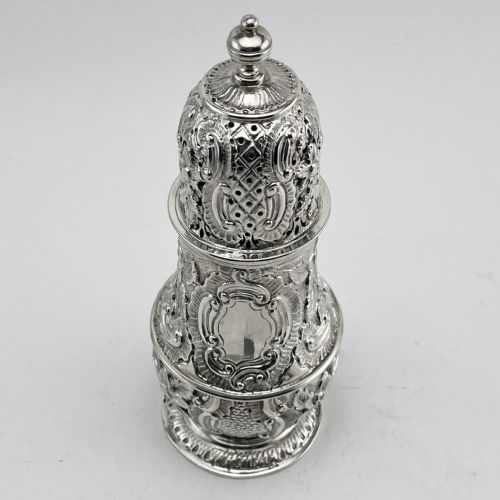


Sterling Silver Sugar Dredger
A sterling silver sugar dredger brings the elegance of the dining table to life with its perforated lid and fine craftsmanship.
Sterling Silver Sugar Dredger
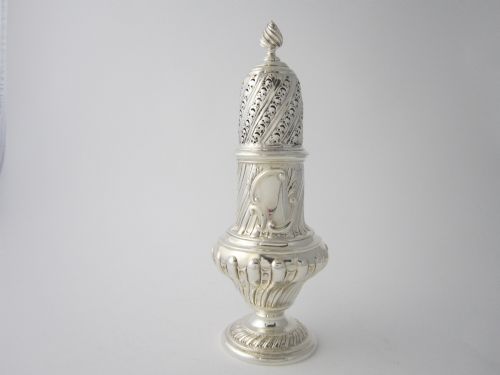
A sterling silver sugar dredger is a functional piece of tableware designed to sprinkle fine sugar over pastries, fruits, and desserts, emerging in forms from the 18th Century through to the mid-20th century. Buyers searching this phrase will find a variety of historical expressions, including robust Victorian examples, elegant Georgian vessels, and sleek Art Deco pieces.
The objects appear under several historical names in the evidence, such as sugar casters, muffleers, pounce pots, and shakers. Pieces span periods from Queen Anne and George I eras through Edwardian times and into the 1930s and 1940s, showing both genuine antiquity and later revivals.
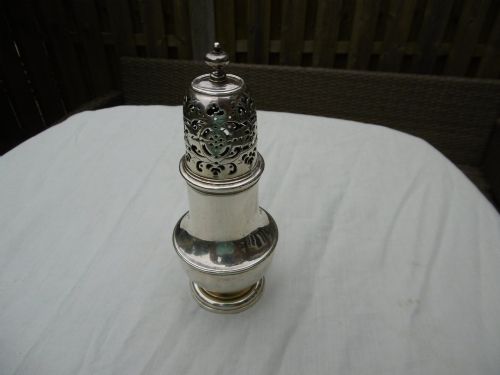
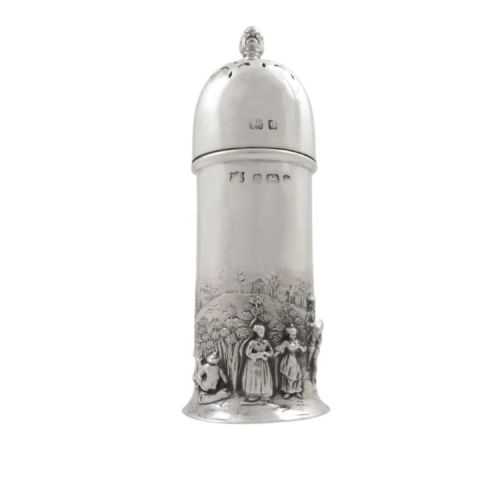
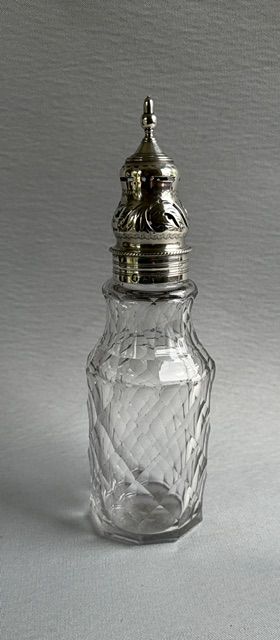
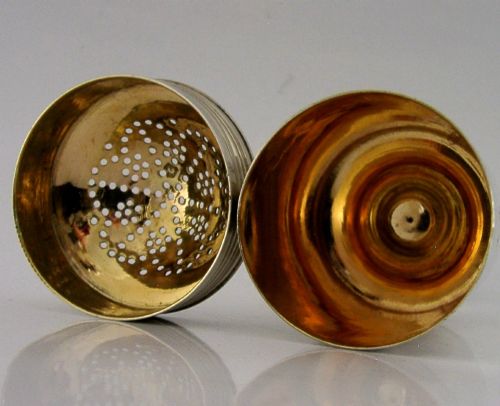
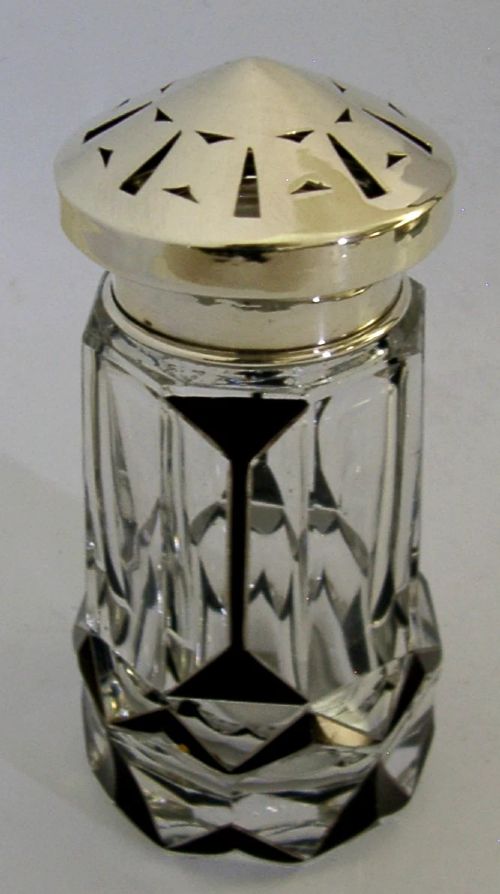
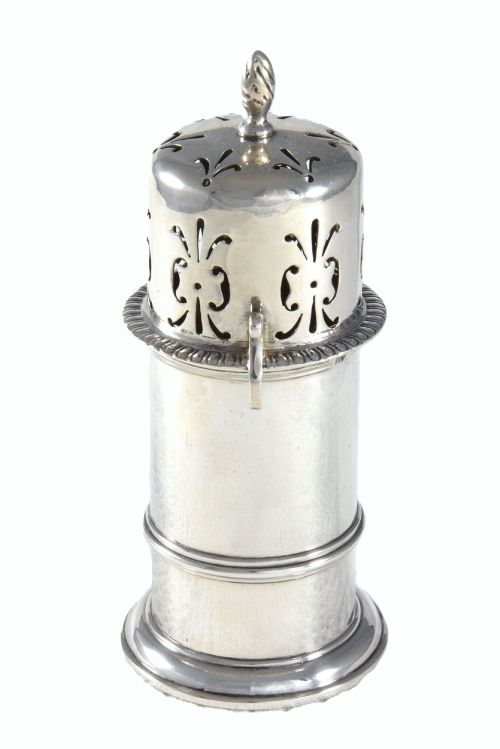
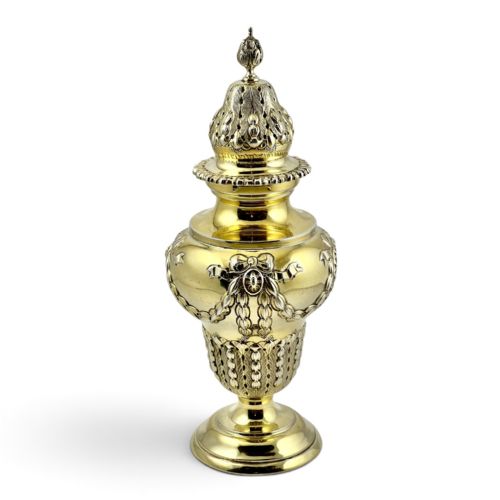
Most examples take the form of tall, weighted or footed vessels topped with pierced lids intended for scattering sugar or spices. Alongside standard sterling silver versions, the selections incorporate combinations of cut glass, enamel, and silver-gilt finishes.
Materials and Techniques
The primary material across the pieces is sterling silver, frequently shaped through traditional silversmithing techniques like casting and hammering. Certain examples introduce contrasting textures by pairing the silver body with cut glass or applying rich silver-gilt and vermeil finishes.
Decorative elements involve intricate piercing on the lids for the sifter function, alongside hand-engraved crests and armorials. Enamel work occasionally appears on mid-century designs to add colour and visual depth to the metallic surface.
Sterling Silver Sugar Dredger Retail Price Guide 2026
Typical asking prices for sterling silver sugar dredger among the pieces listed under this phrase on Sellingantiques today, from the lower quarter to the upper quarter. They describe what is for sale here now, not the wider market.
Early 18th-century casters were often made in sets of three to hold different spices alongside sugar for the tea table.
Assessing Quality and Craftsmanship
Quality rests in the crispness of the lid piercing, the weight and balance of the silver body, and the clarity of any cut glass elements. Master silversmiths achieved harmonious proportions and secure fitting lids that remained functional over centuries of use.
The presence of distinguished maker marks and historical crests elevates a piece, reflecting the standing of the original workshop and the significance of the first owner. Finer examples display meticulous attention to detail in engraved decoration and uniform casting thickness.
Simon Pantin·Barker Brothers·James Dixon And Sons Ltd·Thomas Pritchard
The Sterling Silver Sugar Dredger Glossary
- Sterling silver
- An alloy containing 92.5 percent silver by mass, with the remainder consisting of other metals like copper to provide durability.
- Muffineer
- A small caster or dredger specifically intended for sprinkling sugar or salt over hot muffins and buttered toast.
- Pounce pot
- A small container with a perforated top used to sprinkle resin powder onto paper to prepare it for writing.
- Silver-gilt
- Sterling silver that has been coated with a thin layer of gold on its surface, also known as vermeil.
- Armorial
- A heraldic design or coat of arms engraved onto the silver surface to denote family lineage and ownership.
Sterling Silver Sugar Dredger: Frequently Asked Questions
What is a sterling silver sugar dredger used for?
These vessels were designed to distribute powdered or caster sugar evenly over food items such as desserts, cakes, and morning pastries.
In period dining, they sat on the table as both practical implements and decorative silver items that displayed the household's refinement.
How do I date an antique silver dredger?
Dating relies heavily upon the official hallmarks stamped into the metal, which indicate the assay office, year of production, and maker.
Stylistic cues such as the bulbous shape of early George I pieces versus the geometric lines of 1930s Art Deco examples also help determine the period.
Are cut glass and silver casters authentic?
Yes, combinations of cut glass bodies and sterling silver tops appear frequently across 18th Century and later tableware.
The glass provided a clear view of the contents while the silver added structural integrity and a decorative pierced lid.
How should I clean silver sugar dredgers?
Maintenance requires gentle washing with warm soapy water and a soft cloth to remove dust and sugar residue without scratching the metal.
Harsh chemical dips should be avoided, particularly on pieces featuring delicate enamel or gilt surfaces that require careful preservation.