



Silver Sugar Sifter Caster
These silver sugar sifter casters bring precise period grace to the tea table, offering both decorative presence and functional refinement.
Silver Sugar Sifter Caster
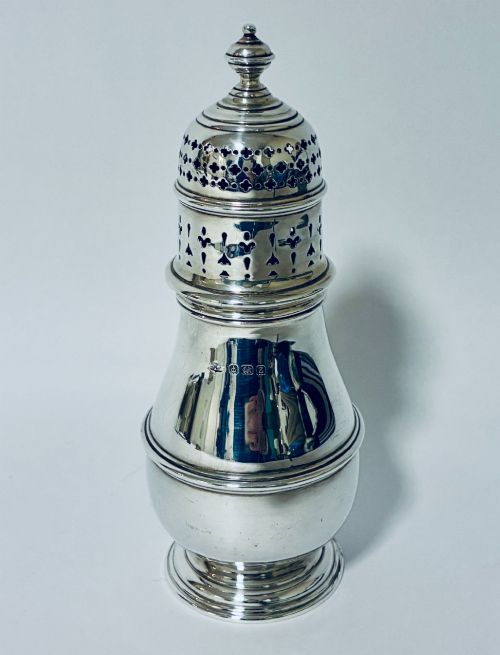
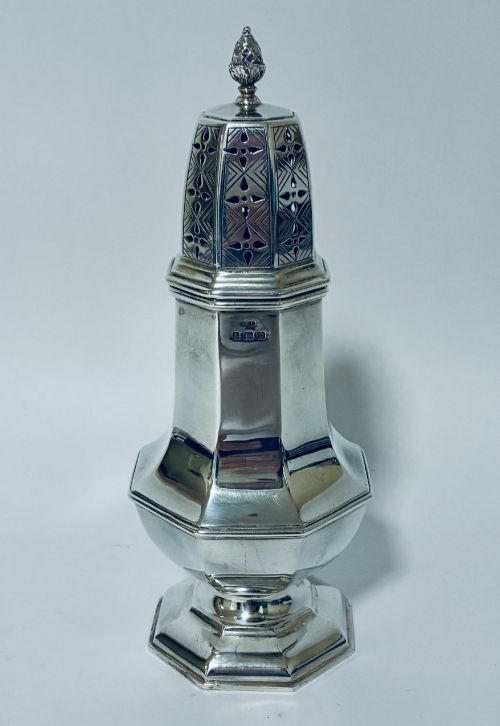
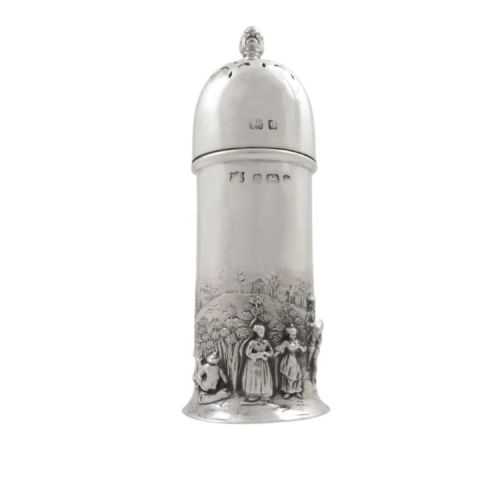
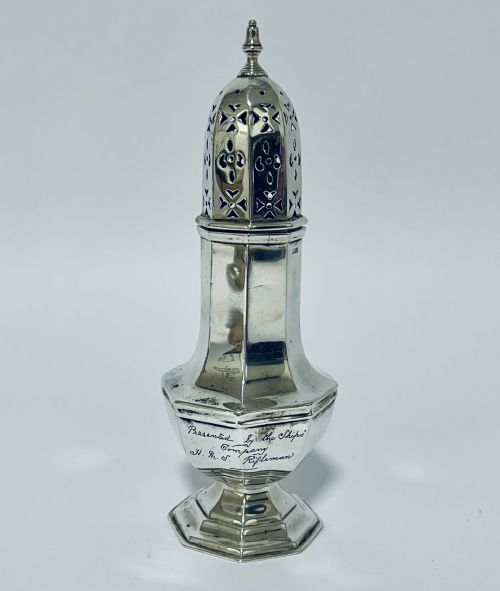
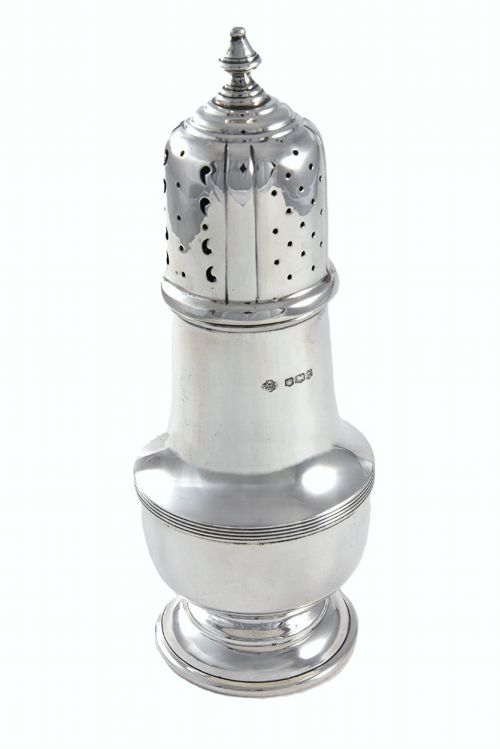
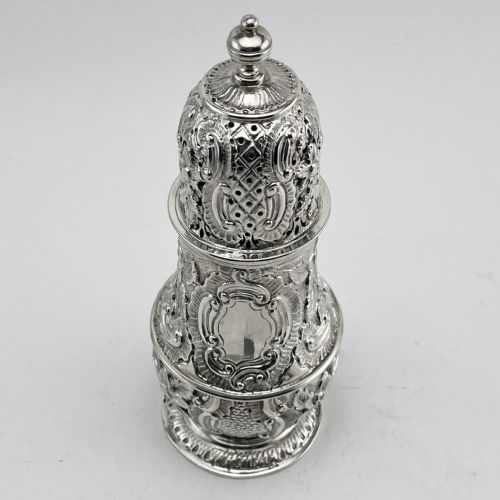
A silver sugar sifter caster is a table vessel designed to dispense fine sugar over food or beverages, taking forms such as muffineers, dredgers, and shakers. When you search for silver sugar sifter caster, you encounter tableware intended for formal dining from various historical eras.
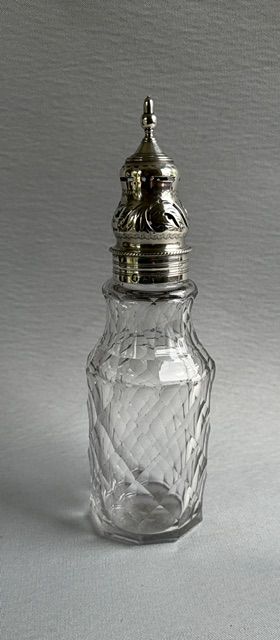
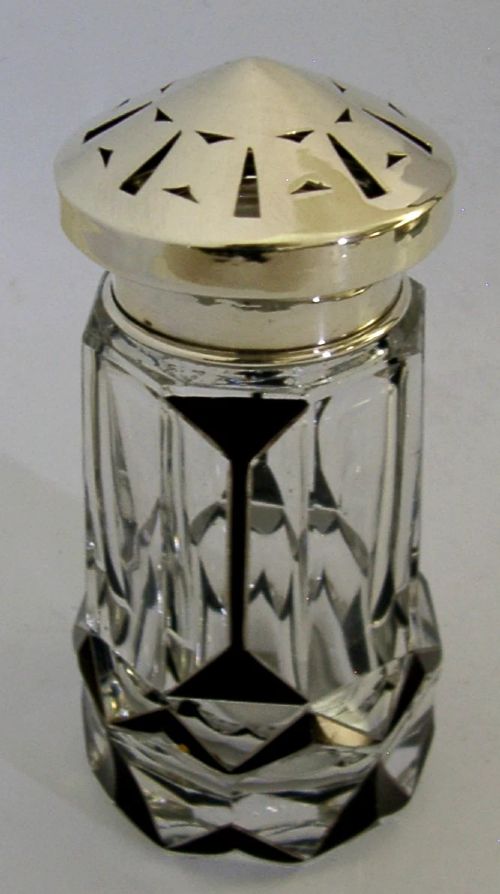
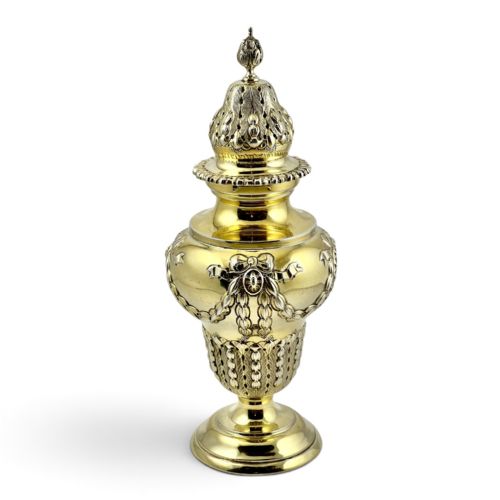
The selections span distinct stylistic eras, featuring Georgian elegance, Victorian ornamentation, Edwardian balance, and later twentieth-century Art Deco interpretations. These vessels appear in solid sterling silver, silver-gilt, and combinations incorporating cut glass bodies.
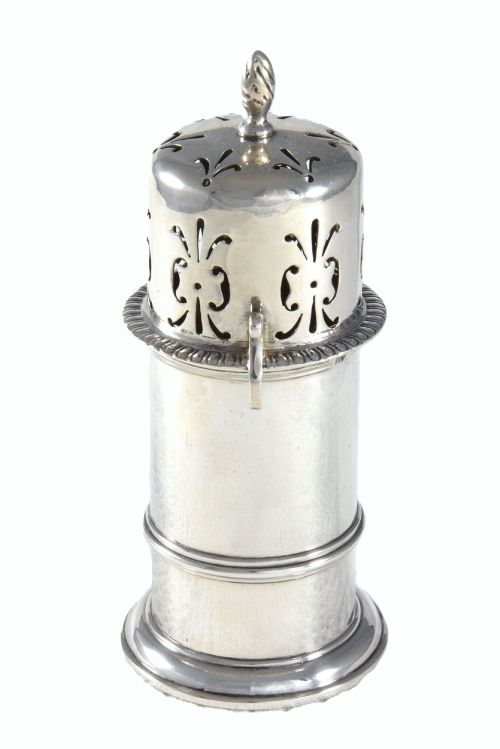
Makers shaped these objects into traditional lighthouse profiles, cornucopia motifs, and classical revival silhouettes. Each piece reflects the dining customs and silver-smithing standards of its specific decade.
Materials and construction
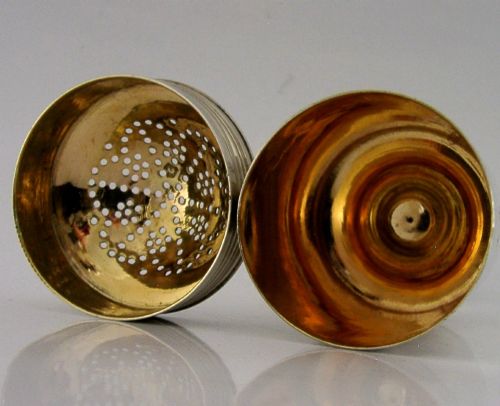
Silversmiths utilised sterling silver and solid silver for the bodies and pierced covers of these vessels, sometimes applying vermeil or silver-gilt finishes to the interior and exterior surfaces. Cut glass was also employed for the body, paired with hallmarked silver mounts and pierced tops.
The piercing of the top required careful hand-sawing or punching to create regular apertures for sifting sugar cleanly. Makers stamped these pieces with town marks, date letters, and maker's marks to authenticate the silver standard.
Silver Sugar Sifter Caster Retail Price Guide 2026
Typical asking prices for silver sugar sifter caster among the pieces listed under this phrase on Sellingantiques today, from the lower quarter to the upper quarter. They describe what is for sale here now, not the wider market.
Assessing quality and craftsmanship
Quality rests in the crispness of the piercing on the cover and the weight of the metal utilised in the body. Finer examples display balanced proportions, clear hallmarks, and secure fitting between the removable top and the base.
Design complexity distinguishes standard production from exceptional work, particularly where hand-chased ornamentation, enamel detailing, or unusual forms like lighthouse silhouettes are executed with precision.
Stephen Adams·The Barker Brothers·James Dixon And Sons Ltd·Horace Woodward And Co Ltd·Preece And Willicombe
The Silver Sugar Sifter Caster Glossary
- Caster
- A small vessel with a perforated top used for sprinkling sugar or spices over food. These items often appear in matching sets for the table.
- Muffineer
- An alternative term for a sugar caster or dredger, historically used for dusting sugar over warm muffins or bread. This form is common in Georgian domestic silver.
- Silver-Gilt
- Silver that has been coated with a thin layer of gold on its surface. This technique imparts a rich yellow sheen to the interior or exterior of the vessel.
- Pounce Pot
- A small container with a perforated lid used to sprinkle resin powder on parchment. They share a similar construction to sugar casters.
- Hallmark
- An official stamp applied to precious metals indicating the purity, place of assay, and year of manufacture. These marks help verify the age and origin of the silver.
Silver Sugar Sifter Caster: Frequently Asked Questions
How do I clean a silver sugar sifter caster?
Use a soft cloth and specialised silver polish to maintain the shine without damaging the metal surface or delicate pierced work on the top.
Avoid harsh abrasives or soaking pieces that incorporate cut glass or enamel sections, ensuring the hallmarks remain protected.
What is the difference between a caster and a sifter?
Casters generally feature a tall, narrow profile with a pierced dome for dispensing loose sugar grains. Sifters perform a similar function but often relate to designs specifically intended for dusting powdered sugar.
Both terms describe table vessels used in beverage and dessert service across different historical periods.
Can I still use these casters for dining?
These vessels remain functional for table service, allowing you to dispense sugar over desserts or breakfast items just as intended by their makers. Modern users simply fill the cavity with fine sugar and replace the pierced top securely.
Hand washing is recommended after use to preserve the integrity of the antique silver and any internal gilt surfaces.
How do I identify the date of my caster?
Examine the base or the rim of the cover for stamped hallmarks, which include a date letter corresponding to the assay office records of that year. Maker's marks and standard marks like the lion passant also provide clues to the exact period of manufacture.
Stylistic elements such as Art Deco geometric lines or Georgian neoclassical forms further narrow down the era.