



Silver Pepper Castor Shaker
These silver pepper castor shaker examples bring traditional dining room elegance to the table through centuries of domestic silverwork.
Silver Pepper Castor Shaker
A silver pepper castor shaker combines functional kitchenware with decorative table ornament, taking the form of tall pierced vessels designed for seasoning food. When searching for a silver pepper castor shaker, collectors encounter domestic tableware spanning from the early eighteenth century through the Edwardian era.
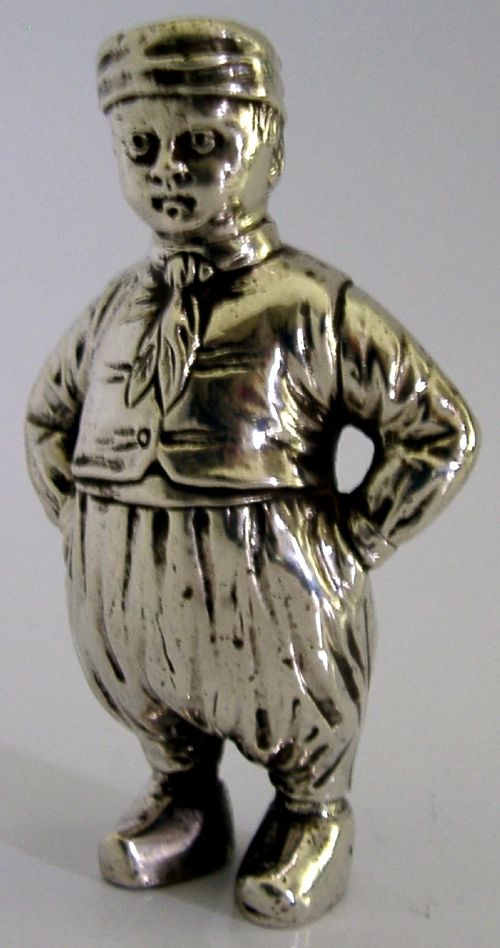
Makers utilised diverse regional styles, moving from severe classical proportions in Georgian examples to playful Victorian figural shapes like owls and dogs. Buyers most frequently meet standard sterling silver baluster forms alongside occasional novelty pieces and matched cruet components.
How they were made
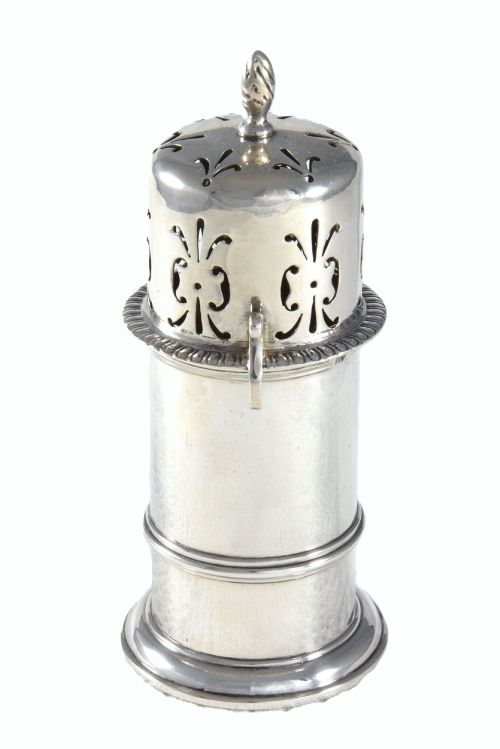
Silversmiths constructed these vessels primarily using sterling silver, solid silver, and silver plate, shaping metal bodies through raising and spinning techniques. Pierced lids required careful hand-sawing or punching to create decorative patterns that allowed ground pepper or sugar to escape evenly.
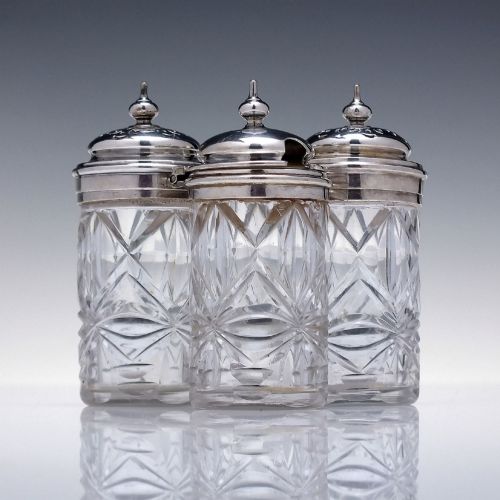
Glass inserts and cut glass components appear frequently in cruet frames, providing transparent contrast to the polished metal work. Internal mechanisms often relied on threaded collars or simple push-fit caps to secure the perforated top to the main body.
Silver Pepper Castor Shaker Retail Price Guide 2026
Typical asking prices for silver pepper castor shaker among the pieces listed under this phrase on Sellingantiques today, from the lower quarter to the upper quarter. They describe what is for sale here now, not the wider market.
Listings feature items spanning the eighteenth, nineteenth, and early twentieth centuries, rendered in sterling silver, silver plate, and glass.
What varies in quality
The distinction between standard domestic items and high-end pieces lies primarily in the crispness of the piercing work on the lid and the weight of the metal. Heavier gauge silver provides a more substantial feel in the hand and resists denting during daily service.
Artistry in design elevates certain examples, particularly where silversmiths invested significant labour into hand-chased armorial engravings or detailed figural casting for novelty forms. Superior items maintain balanced proportions and clear hallmarks that confirm their period origin.
Bricks And Sons·Thomas Ross·Thomas Pritchard
The Silver Pepper Castor Shaker Glossary
- Castor
- A small container with a perforated top used for sprinkling sugar or dry condiments onto food. These vessels typically feature baluster or vase-shaped bodies standing on moulded foot rims.
- Cruet set
- A matched collection of condiment bottles or casters held together within a metal frame or stand. These frames often include handles for passing around the dining table.
- Sterling silver
- A silver alloy containing substantial pure silver content alongside other metals added for durability. British items usually display specific hallmarks indicating this standard.
- Novelty pepperette
- A pepper pot shaped to resemble an animal, human figure, or object rather than traditional tableware silhouettes. Victorian examples frequently utilise this whimsical approach.
- Baluster
- An architectural column shape with a swollen lower portion that tapers upward, forming the classic silhouette for many eighteenth and nineteenth-century casters.
Silver Pepper Castor Shaker: Frequently Asked Questions
What is the difference between a castor and a pepper pot?
A castor traditionally refers to a taller vessel intended for sugar or general condiments, whereas a pepper pot specifically holds ground pepper for table seasoning.
Historical sizing often distinguishes them, as sugar casters typically stand larger to accommodate greater volume usage during formal dining.
How were silver casters used on the dining table?
Dinners utilised these pieces to distribute fine spices, sugar, and seasoning across dishes as courses were served throughout the meal.
Servants or diners passed the individual pots or cruet frames around the table depending on the formality of the household.
How can I tell a Georgian castor from a Victorian one?
Georgian examples usually exhibit clean neoclassical or plain baluster lines with restrained ornamentation and strong architectural proportions.
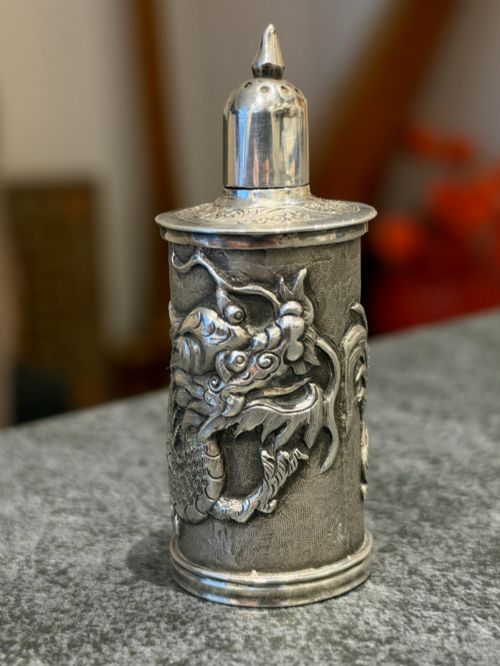
Victorian pieces often introduce heavier cast decoration, naturalistic embossing, or playful novelty shapes such as animals and birds.
What does a cruet set include?
A standard cruet set comprises multiple glass bottles or metal casters mounted within a single silver or plated carrying frame.
These sets typically held combinations of pepper, mustard, oil, and vinegar ready for immediate table service.