
Sterling Silver Centerpiece
When you search for a sterling silver centerpiece, you are looking at substantial table focal points spanning Victorian, Edwardian, and mid-century periods.
Sterling Silver Centerpiece
A sterling silver centerpiece encompasses large decorative bowls, tazzas, baskets, candelabra, and epergnes designed to command the dining table. These pieces emerge across Victorian, Edwardian, George V, and mid-century decades, reflecting shifting dining fashions.
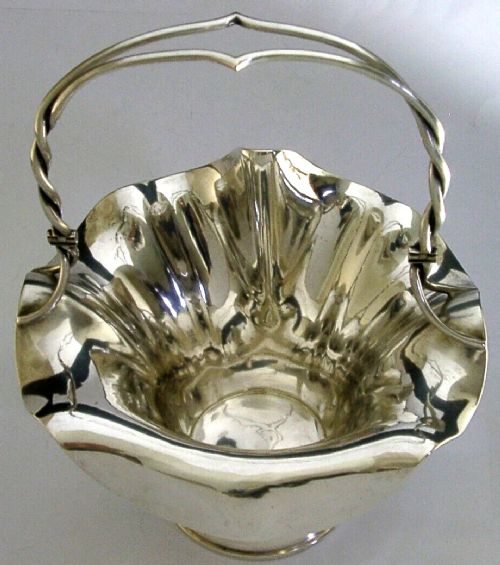
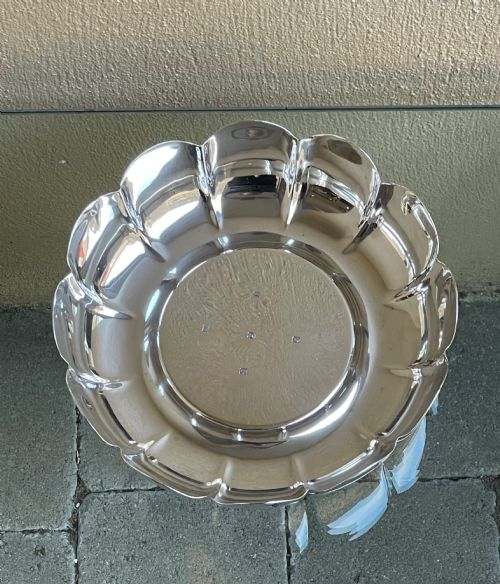
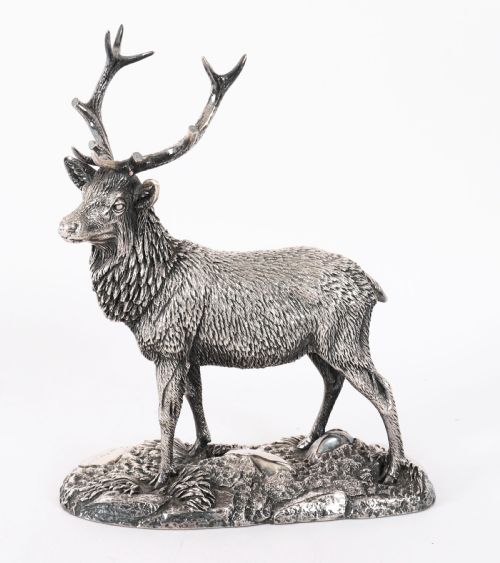
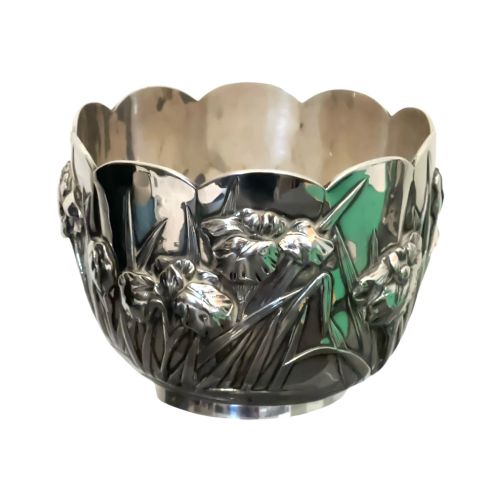
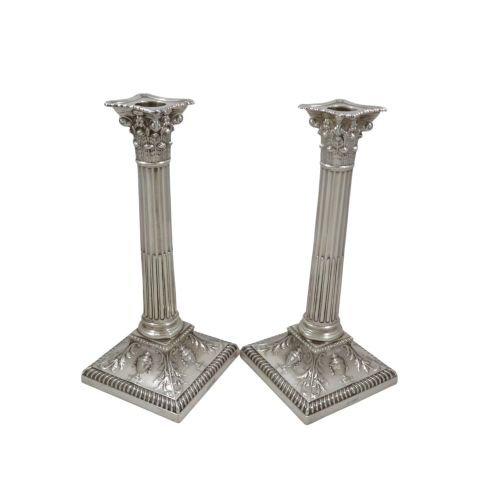
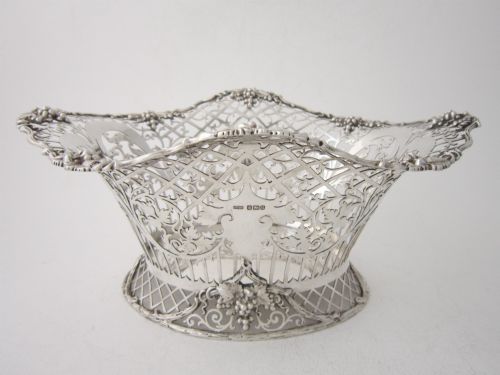
The selections available here range from heavy solid silver baskets with swing handles to pedestal dishes, animalier sculptures, and three-branch candelabra. British domestic work sits alongside Continental, Anglo-Indian, and Japanese examples.
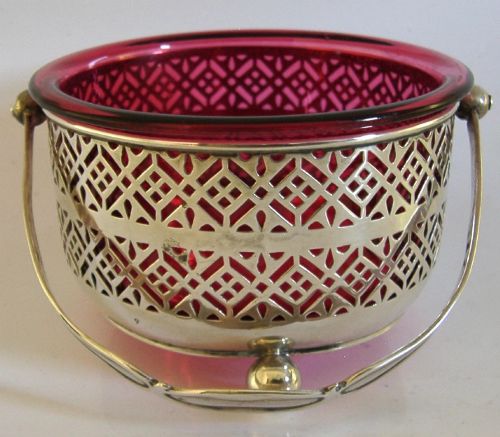
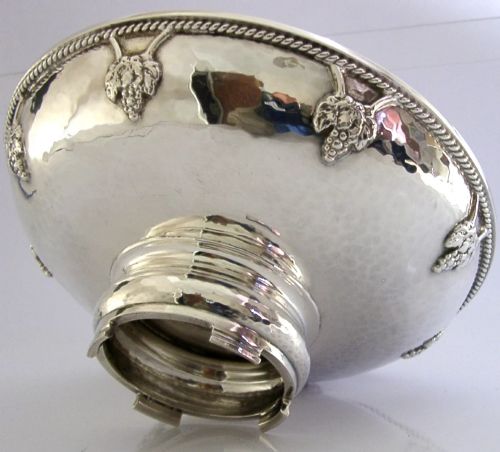
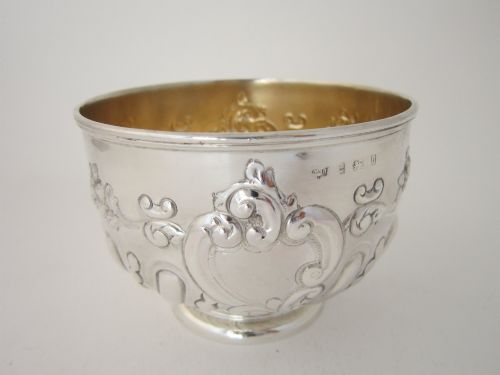
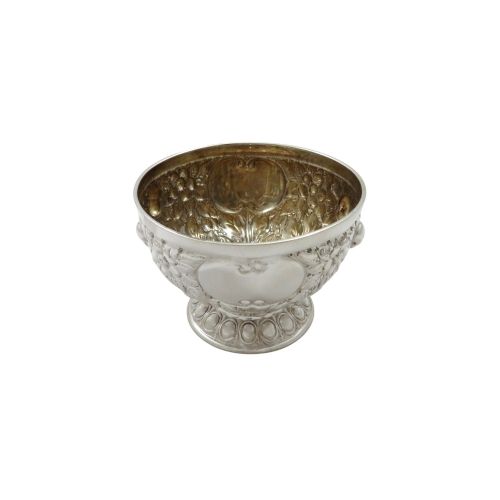
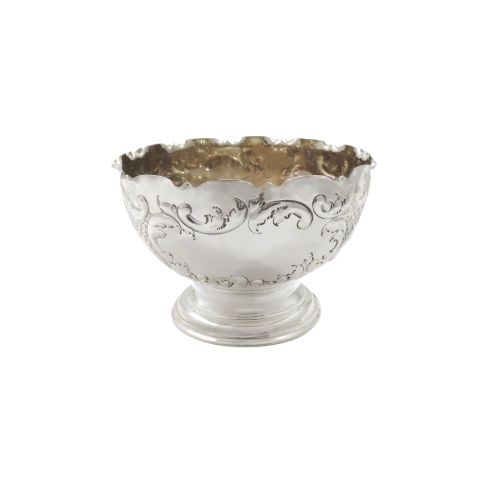
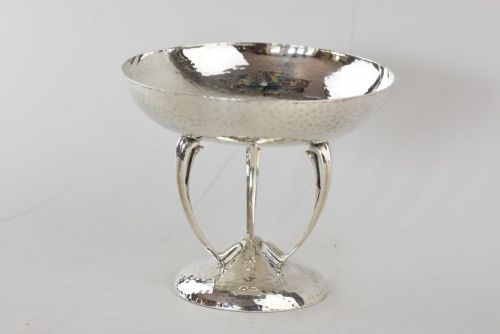
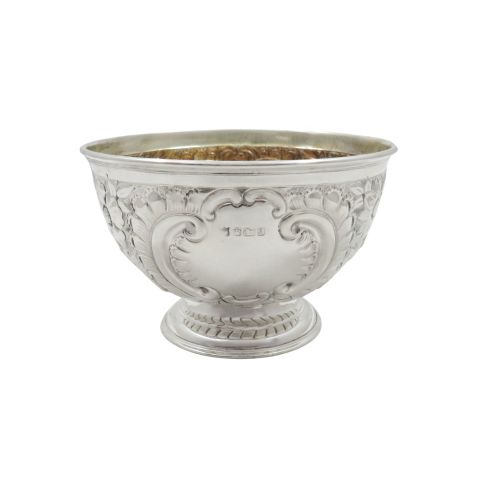
Buyers meet forms like the Arts and Crafts hammered tazza, the Rococo floral repoussé tray, and the cranberry glass insert basket. Each object serves as a structural centre of a room or table setting.
Materials and Technique
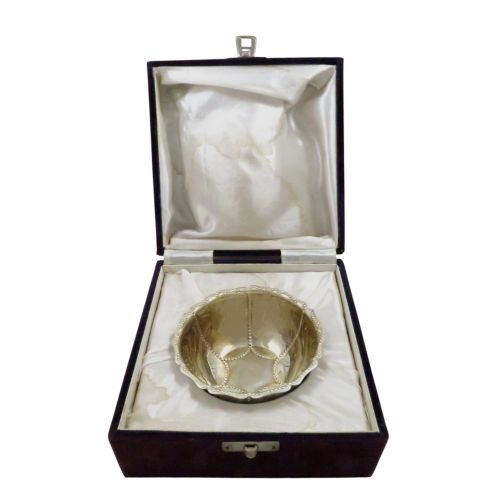
Makers utilise sterling silver, solid silver, and silver gilt, frequently pairing metal with glass, crystal, or vermeil linings. Cranberry glass and satin finishes provide contrasting colour and texture within silver frames.
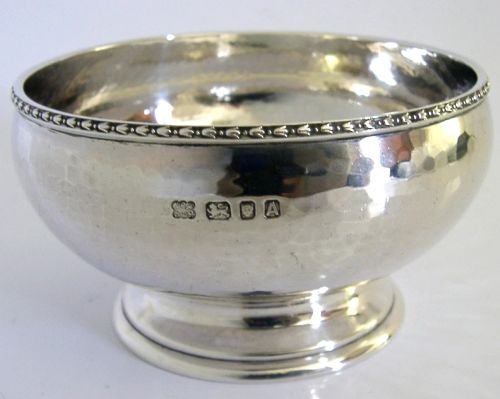
Techniques span hand-hammering, planishing, and deep repoussé work, particularly prominent in Arts and Crafts and Victorian pieces. Heavy gauge silver is shaped into pedestal feet, swing handles, and multi-branch candelabra structures.
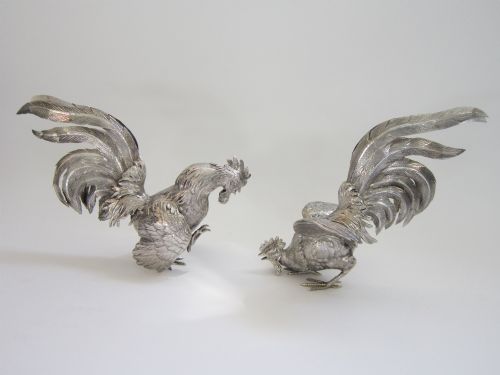
Solid silver fighting cockerels stand ready for a match on the dining table, bringing feathered drama straight to the silver service.
Evaluating the Work
Quality rests upon the weight of the silver gauge relative to the scale of the bowl or basket, alongside the crispness of repoussé detailing and hand-hammered surfaces. Substantial weight and balanced proportion separate standard production from master workshops.
The integrity of secondary materials, such as undamaged cranberry glass liners or crystal bowls secured within silver rims, dictates the completeness of the piece. Maker attribution and documented provenance further distinguish notable studio creations.
A E Jones·Goldsmiths and Silversmiths Company·Tiffany and Co·Nathan and Hayes·Charles Boyton·John Hunt
The Sterling Silver Centerpiece Glossary
- Tazza
- A shallow bowl or plate mounted upon a stem and foot, frequently utilised for presentation or fruit.
- Repoussé
- A metalworking technique where the metal is hammered from the reverse side to form a raised design in relief on the front.
- Planished
- A surface finish achieved by hammering metal with a polished round-faced tool to create small, controlled facets.
- Epergne
- An ornamental centrepiece table vessel featuring multiple tiered dishes, baskets, or branches for food or flowers.
- Vermeil
- Sterling silver that has been plated with a thin layer of gold, providing a rich gilt interior or surface.
Sterling Silver Centerpiece: Frequently Asked Questions
How were these centerpieces used?
These vessels held fruit, flowers, or confectionery to anchor formal dining tables during Victorian and Edwardian banquets. Large candelabra and epergnes provided both illumination and decorative height.
Over time, many transitioned into display pieces or presentation items given for civic and personal milestones.
What styles dominate these designs?
Victorian and Edwardian items often display ornate Rococo floral repoussé work and fluid curves. Arts and Crafts examples favour hand-hammered, planished surfaces with simpler structural lines.
Art Deco and later twentieth-century items introduce streamlined forms and geometric restraint.
How do I care for silver centerpieces?
Regular, gentle dusting and occasional polishing with a soft cloth preserve the silver surface without wearing down raised repoussé details. Avoid abrasive cleaners that strip patination.
Glass liners and crystal inserts should be washed separately in warm soapy water before being safely returned to the silver mount.
How do I identify the period?
Hallmarks stamped onto the silver provide assay office symbols, date letters, and maker marks that date British pieces precisely. Stylistic cues such as heavy cast feet or hammered finishes point toward specific decades.
Comparative analysis of manufacturing techniques separates nineteenth-century Victorian work from mid-century productions.