
Hallmarked Sterling Silver Bowl
A hallmarked sterling silver bowl brings centuries of silversmithing skill to the table, offering both decorative presence and lasting metal substance.
Hallmarked Sterling Silver Bowl
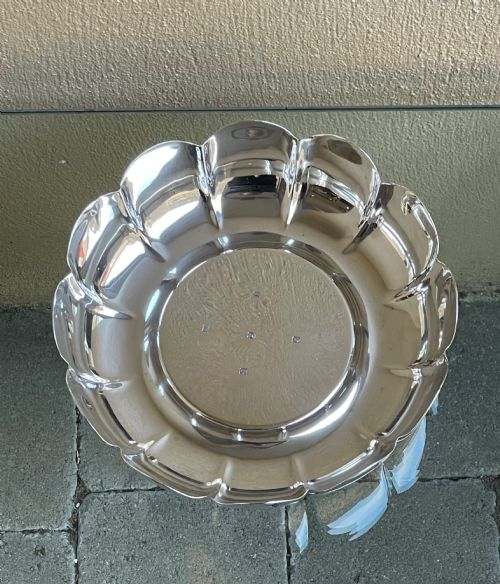
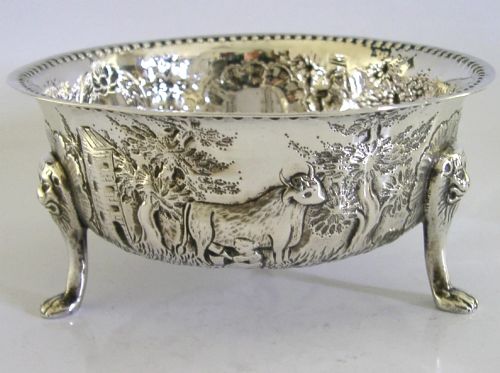
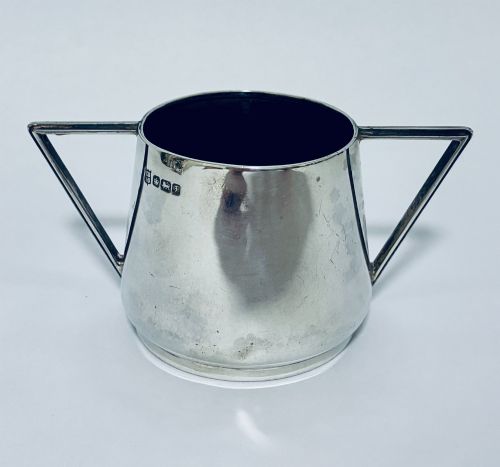
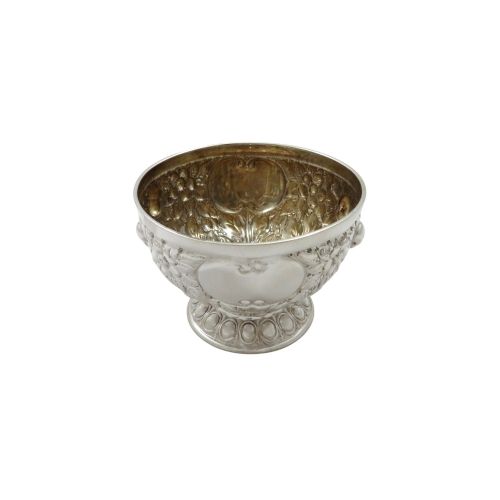
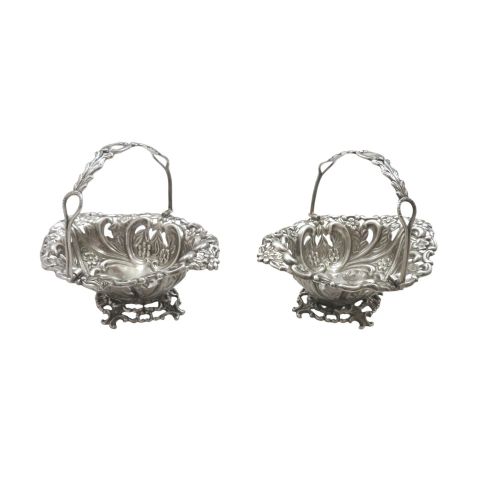
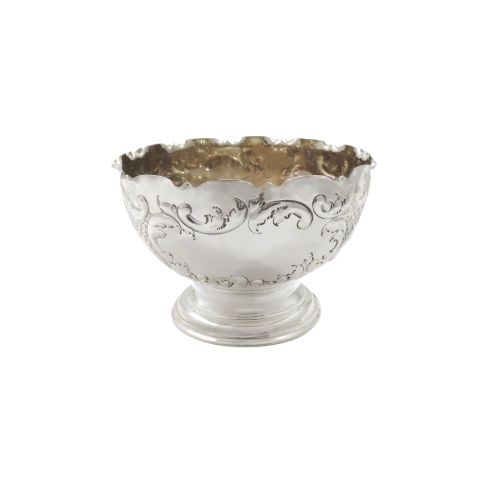
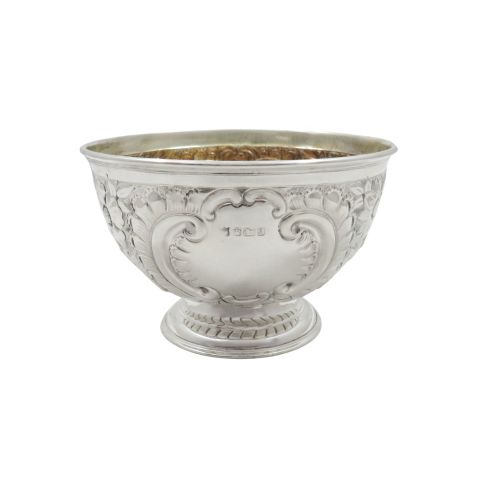
When you search for a hallmarked sterling silver bowl, you encounter a diverse range of vessels designed for domestic service, dining, and display. The selection spans distinct periods from the seventeenth century through the twentieth century, encompassing Victorian, Edwardian, and Art Deco aesthetics. The most common examples you will meet on this page are Victorian and Edwardian footed bowls, pedestal dishes, and sugar bowls bearing clear hallmarks.
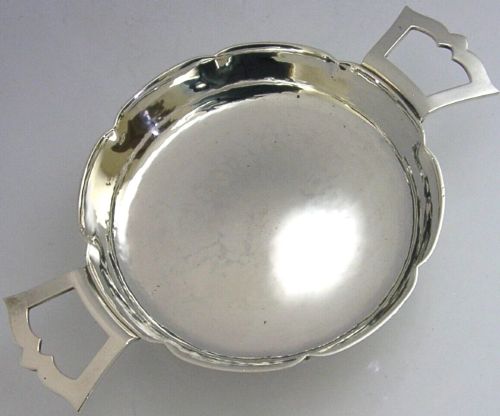
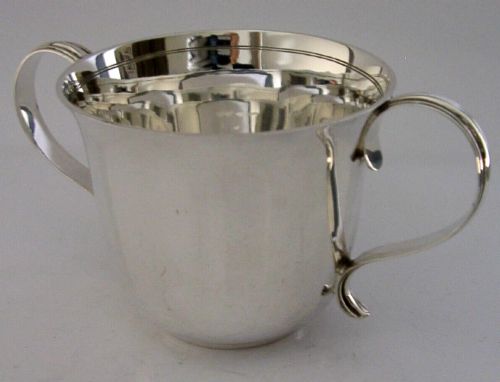
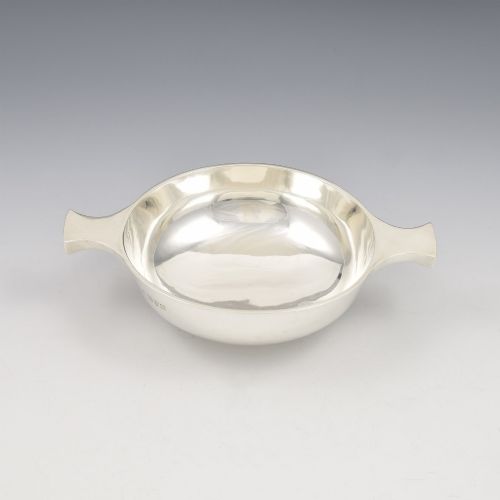
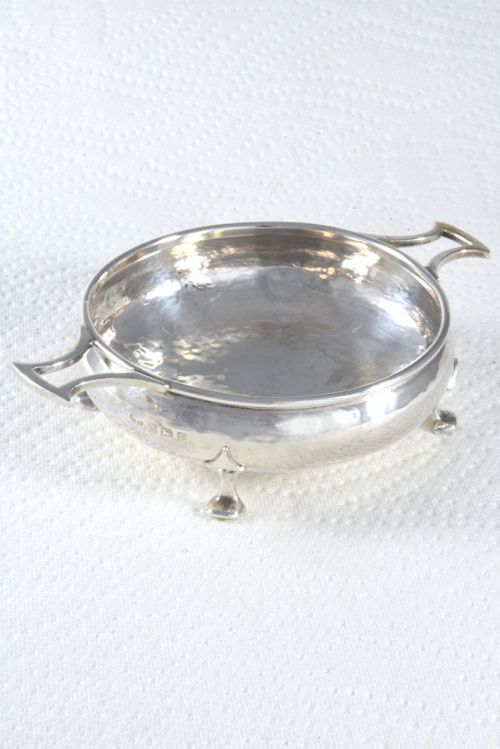
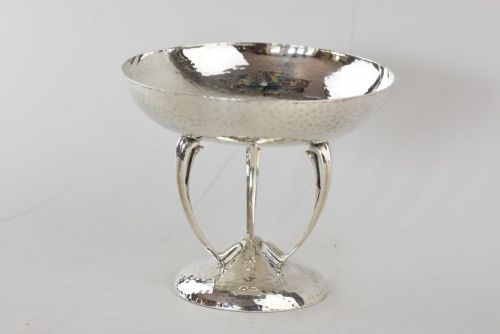
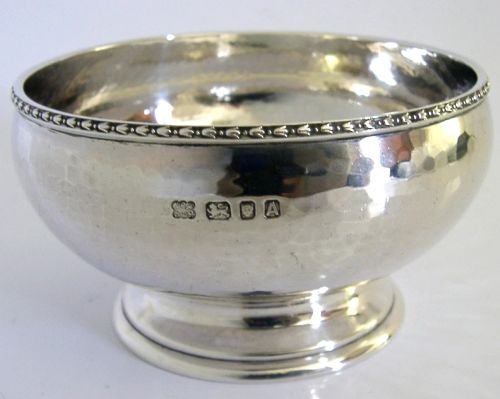
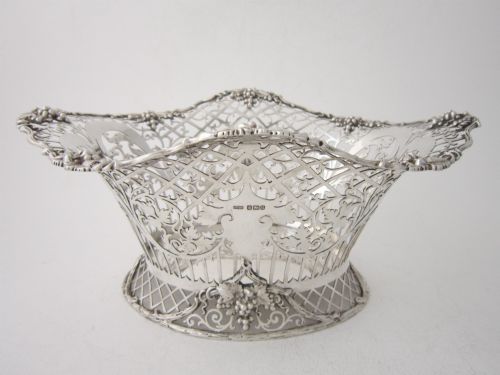
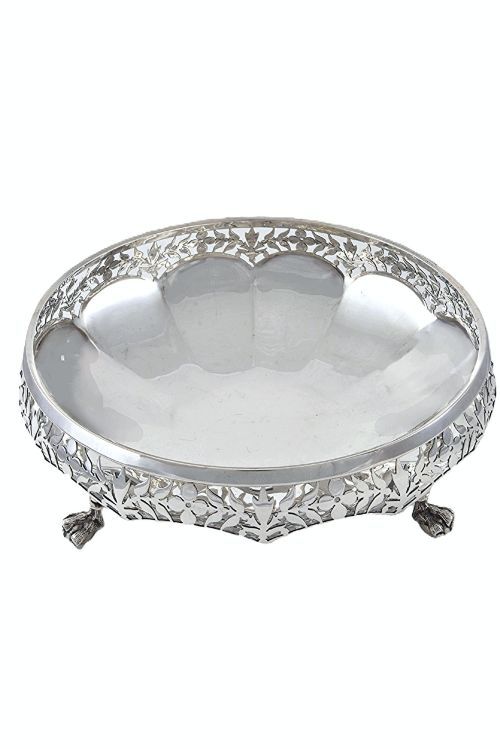
Beyond standard bowls, the category expands to include specialised forms such as two-handled porringers, quaich cups, bon-bon dishes, and larger centrepiece bowls. Many pieces incorporate decorative pierced work, pedestal feet, or paired handles, while others adopt the characteristic hammered surfaces of the Arts and Crafts movement. Whether designated as a decorative basket, a trinket dish, or a fruit bowl, each item reflects the domestic habits and silversmithing standards of its specific decade.
How they were made
The construction of these pieces relies primarily on sterling silver and solid silver, sometimes enhanced with silver gilt surfaces. Silversmiths employed traditional techniques such as raising from a flat sheet of metal, casting handles or feet, and applying piercing and engraving by hand. In Arts and Crafts examples, planished surfaces display the deliberate hammer marks left by the maker.
Many of the bowls and baskets are complemented by fitted elements in other materials, including glass liners, leather, velvet, and silk. Certain smaller dishes and boxes further incorporate glass, citrine stones, or enamel work to add contrast to the metal structure.
Materials paired with the silver across these objects include clear glass, cranberry glass, leather, velvet, silk, and polished citrine.
What varies in quality
Quality in these silver vessels rests upon the weight of the metal, the crispness of the hallmarks, and the skill of the execution. Heavier pieces demonstrate a more substantial use of sterling silver, providing a solid feel in the hand that lighter stamped items lack. The legibility of the town mark, date letter, and maker's mark indicates how well the piece has survived and how carefully it was struck initially.
The refinement of decorative details also distinguishes finer examples. Pierced basketwork executed with sharp, clean geometry and hand-hammered surfaces displaying deliberate, even planishing represent a higher tier of craftsmanship than routine factory production.
Nathan and Hayes·Martin Hall and Co·Goldsmiths and Silversmiths Company·Hamilton and Inches·Joseph Rodgers·William Comyns·Atkin Brothers·Mappin and Webb
The Hallmarked Sterling Silver Bowl Glossary
- Hallmark
- An official stamp applied to precious metals indicating the standard of purity, the assay office, and the year of manufacture.
- Sterling silver
- An alloy containing 92.5 percent silver by mass, with the remainder consisting of other metals, usually copper.
- Quaich
- A traditional Scottish two-handled drinking vessel, often adapted in silver as a shallow bowl or cup.
- Porringer
- A small, shallow bowl with one or two flat horizontal handles, historically used for porridges and broths.
- Planished
- A metal surface finished by hammering with a flat-faced tool, leaving a distinctive texture of small, overlapping facets.
- Centrepiece
- A large, prominent decorative bowl or dish placed in the middle of a table for display or service.
Hallmarked Sterling Silver Bowl: Frequently Asked Questions
How do I read silver hallmarks?
Hallmarks consist of a series of tiny stamped symbols that reveal the history of the piece. They typically include the maker's mark, a standard mark for sterling purity such as a lion passant, an assay office mark indicating the city, and a date letter.
Consulting specialised reference books allows you to match the specific letter shape and shield outline to an exact year and town. This system provides a reliable method for dating British silver accurately.
How should I clean sterling silver?
Cleaning sterling silver requires gentle methods to preserve the metal and any original patina. Warm water, a mild non-abrasive liquid soap, and a soft cloth are usually sufficient for removing daily tarnish and dust.
Harsh chemical dips and abrasive pastes should be avoided because they can strip away the fine surface layer and damage engraved details. Regular, gentle wiping maintains the natural shine of the metal.
How can I tell an Edwardian bowl from a Victorian one?
Distinguishing Victorian pieces from Edwardian ones involves examining the overarching design style and cross-referencing the date letter in the hallmarks. Victorian silver spans a long reign characterised by varied revivals, ornate decoration, and heavy forms.
Edwardian pieces often reflect lighter neoclassical influences, simpler floral motifs, or early Art Nouveau curves. Checking the assay office date mark provides the definitive answer.