
Standing Floor Clock Case
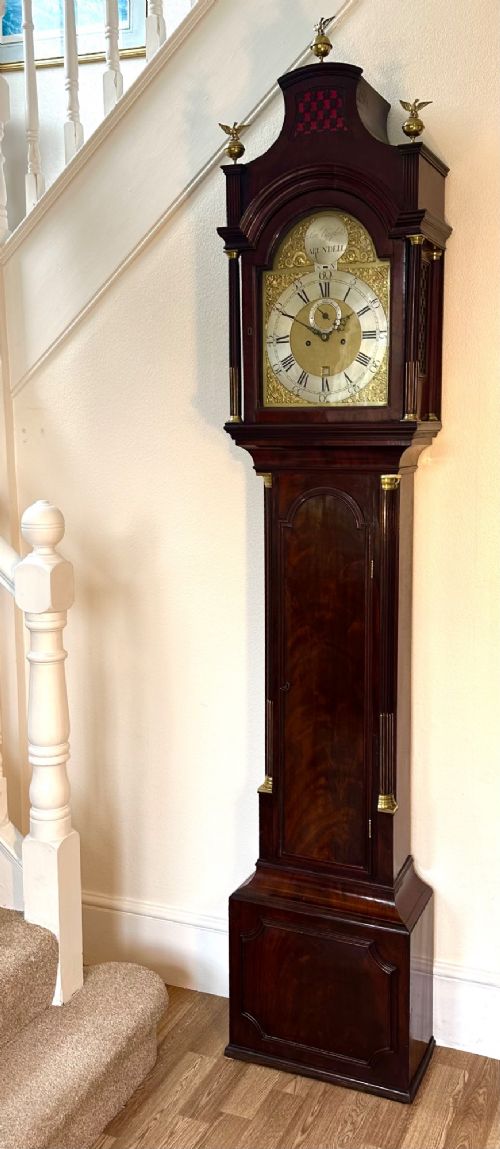
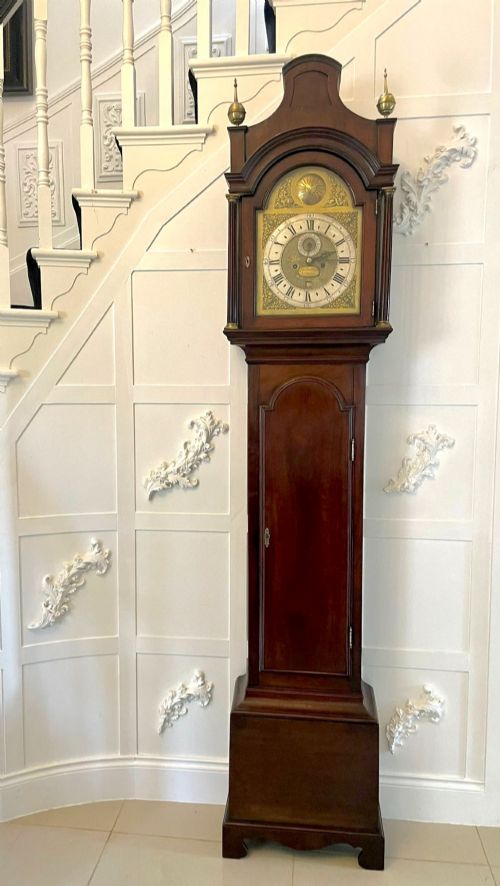
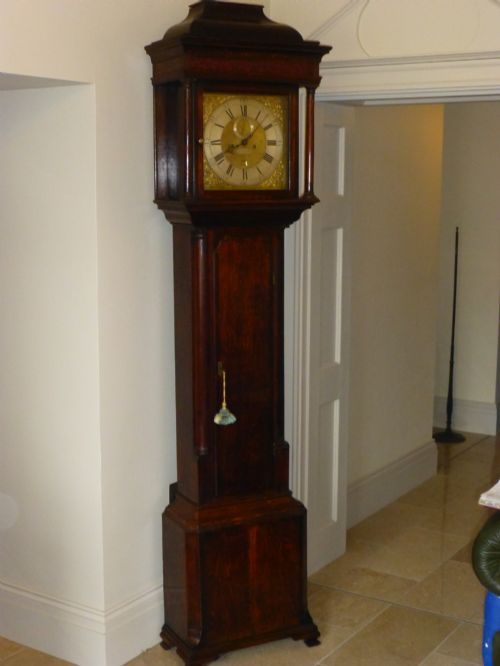
A standing floor clock case houses the delicate movement of a longcase timekeeper, bringing towering architectural presence and time-honoured craftsmanship into a room.
Standing Floor Clock Case
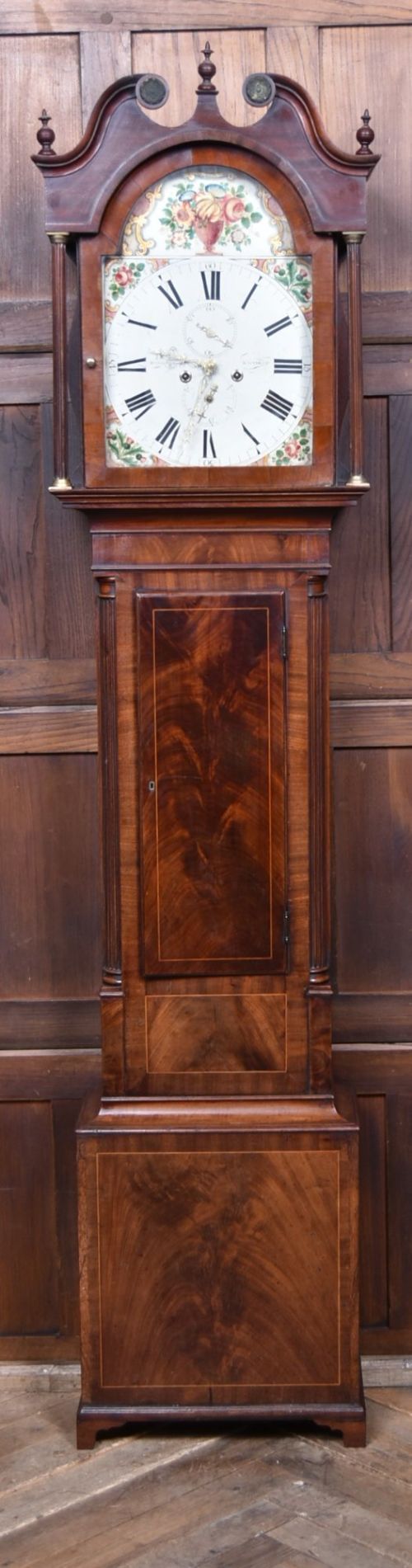
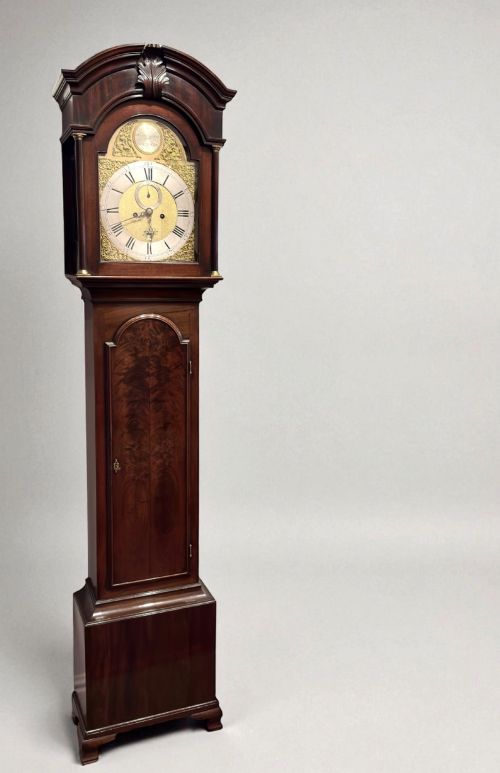
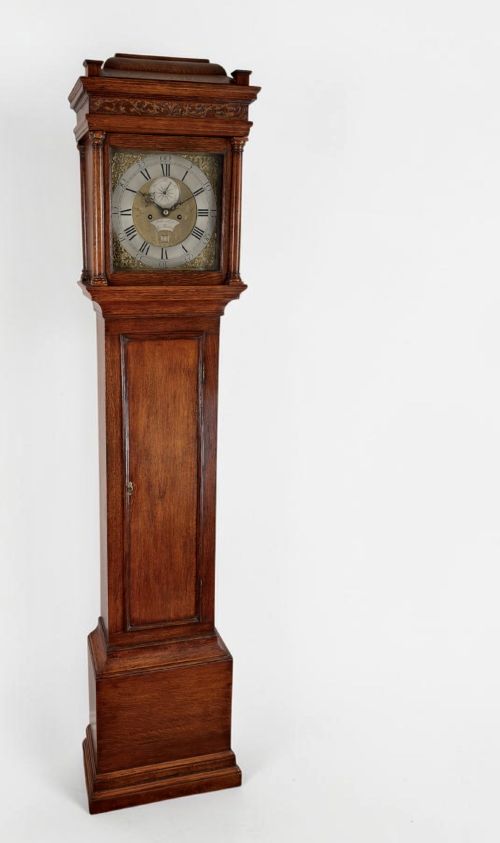
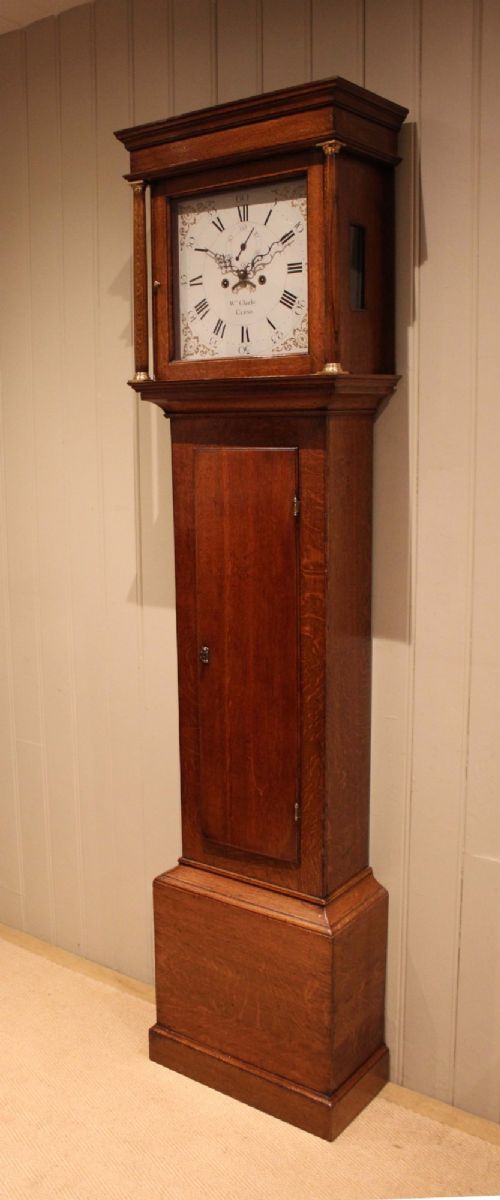
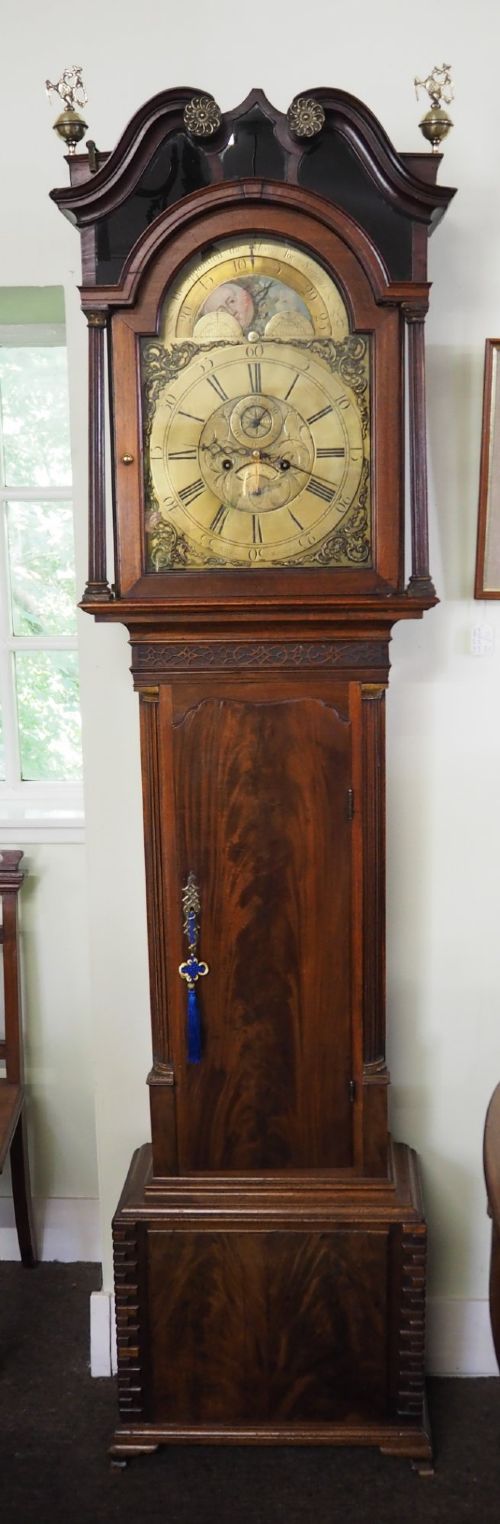
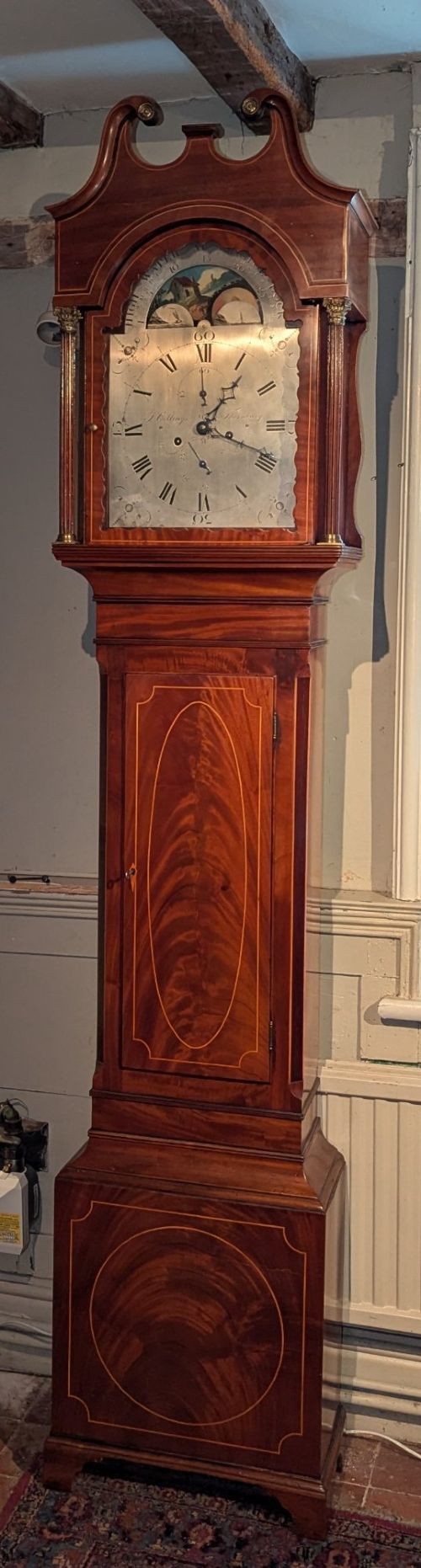
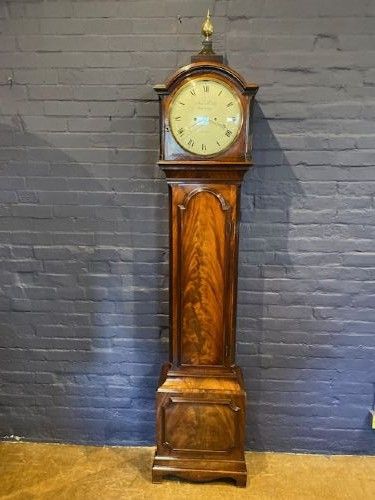
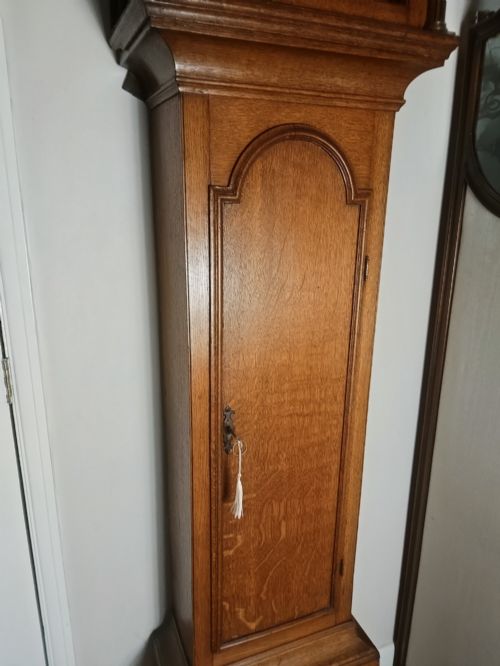
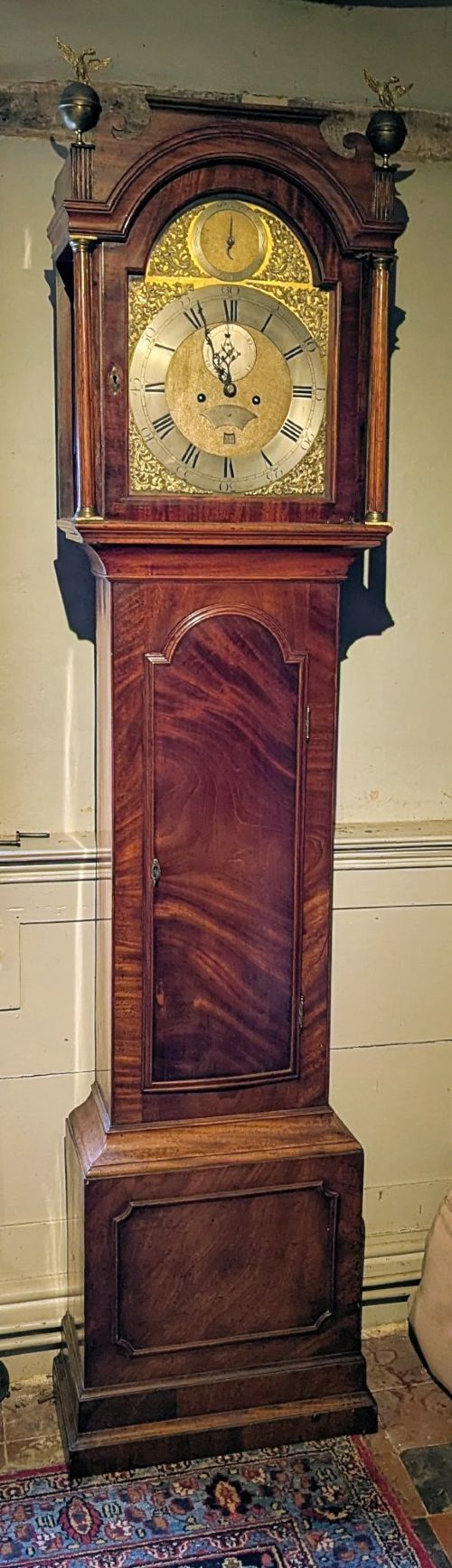
A standing floor clock case serves as the protective wooden or lacquered housing for a longcase or grandfather clock mechanism, shielding the weights, pendulum and dial from dust and air currents. When exploring standing floor clock cases, buyers encounter tall vertical constructions designed to stand directly on the floor against a wall.
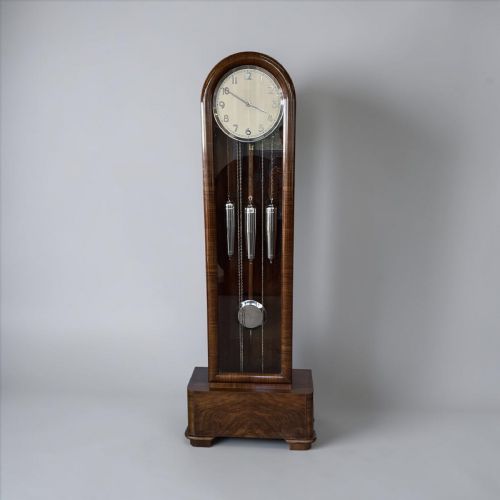
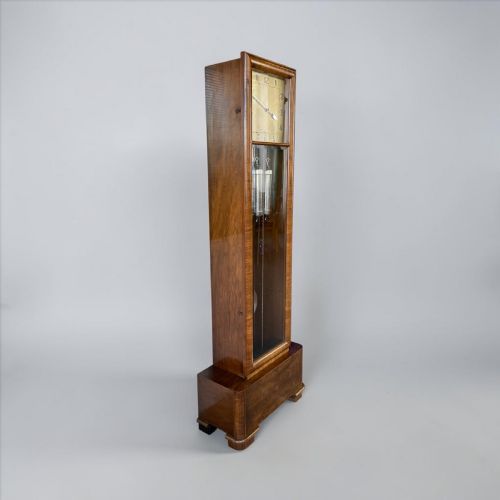
The pieces appearing on this page span several centuries, with prominent examples originating from the Georgian period, the 18th century and the 19th century, alongside later Edwardian and Art Deco expressions. Formats range from full-sized grandfathers to more compact grandmother clocks, utilising timber builds that define the silhouette.
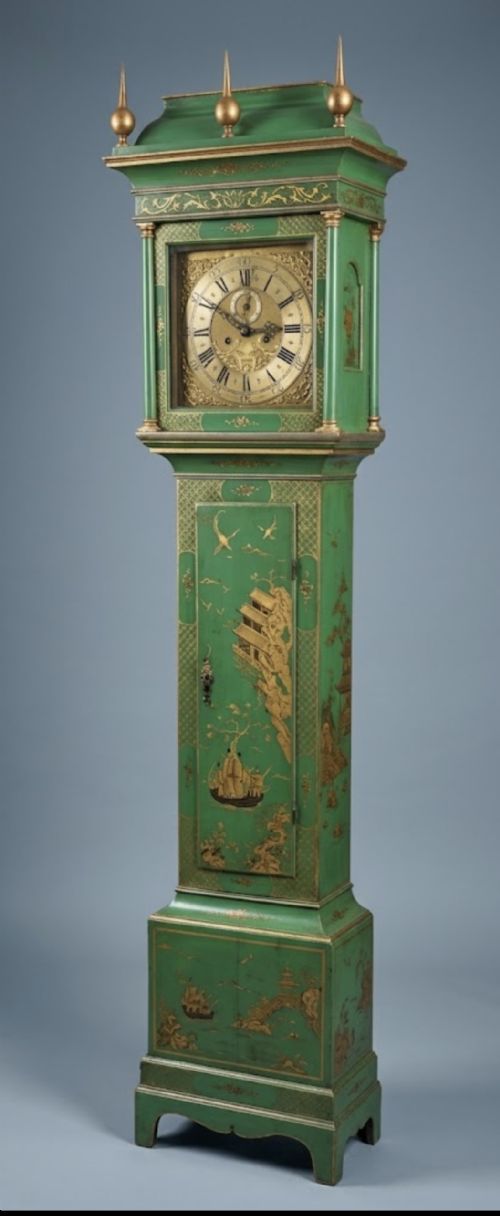
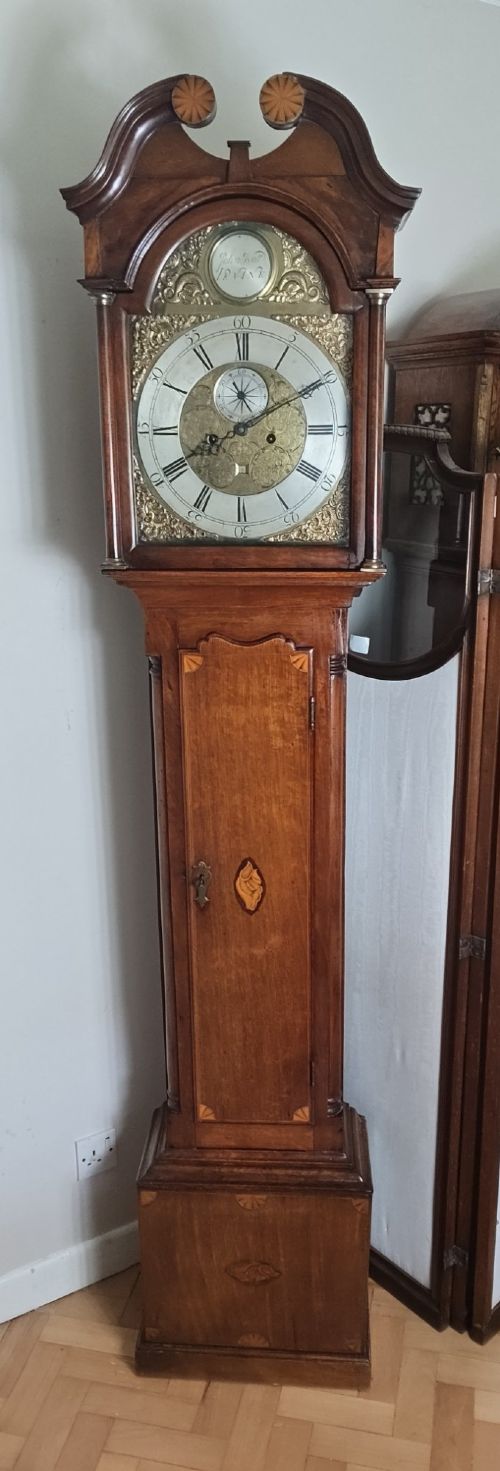
Regional variations emerge clearly across the selection, featuring Scottish examples alongside pieces originating from English towns and cities. Makers integrated brass dials, moon rollers and subsidiary hands into tall mahogany, oak, walnut and green lacquered chinoiserie housings.
Materials and construction methods
Cabinetmakers constructed these tall housings primarily using native and imported hardwoods, selecting figured mahogany, sturdy oak and rich walnut to form the trunk, base and hood. Selected pieces display painted iron dials, glass viewing windows and intricate brass dial appliques.
Joinery techniques relied on pegged mortise and tenon joints to bear the considerable weight of the trunk and hood while maintaining structural rigidity over centuries. Surface treatments ranged from clear wax polishes that emphasised the grain of mahogany and walnut to green lacquer finishes decorated with chinoiserie motifs.
Several tall housings hide musical tubular bell movements inside their trunks, ready to chime melodies across the room.
Distinctions in construction and design
The refinement of the cabinetwork separates standard examples from exceptional ones, observed in the choice of dense, well-figured timber veneers and the crispness of carved mouldings, fretwork friezes and pillar capitals. Proportions dictate overall visual success, distinguishing slender, elegant proportions from heavier, unrefined constructions.
Dial execution similarly marks the tier of quality, where engraved brass chapter rings, finely pierced steel hands and painted moon phase mechanisms demonstrate superior artisan skill. The integration of specialised movements, such as strike-silent systems, musical tubular bells or precision regulator setups, corresponds with elevated standards of housing design.
John Fielder of Alton·Charles Shuckburgh London·Hendrie Ogg Dunfermline·Gordon of Aberdeen·Lee of Great Marlow·Richard Corless of Stockport·James McCabe·Fisher Of Preston·Rickards Wotton Under Edge·D Williams of Crickhowell·Lenzkirch·Elliott·Henry Weedon London·Edward Shepley of Manchester
The Standing Floor Clock Case Glossary
- Longcase clock
- A tall, floor-standing pendulum clock enclosed in a wooden case with a weighted movement. These timepieces are frequently referred to as grandfather clocks.
- Moon dial
- A specialised clock dial featuring a rotating disc that tracks the phases of the lunar cycle. This mechanical addition appears behind an arched aperture above the main time ring.
- Chinoiserie
- A European decorative style reflecting Chinese artistic influences, typically executed in raised gold and coloured motifs on a lacquered background. Green lacquered variants frequently employ this technique.
- Regulator
- A precision pendulum clock designed for extreme accuracy, often utilised as a standard for timekeeping. These movements are housed in tall, disciplined cases.
- Grandmother clock
- A smaller, more slender version of the traditional longcase clock, typically produced during the 20th century. These scaled-down housings suit lower ceiling heights.
Standing Floor Clock Case: Frequently Asked Questions
What is a standing floor clock case?
A standing floor clock case is the tall vertical wooden housing designed to protect and display the mechanical movement, dial, pendulum and weights of a longcase clock.
These enclosures rest directly on the floor and typically consist of a base, a long trunk with a locking door, and an upper hood featuring glass panels around the dial.
How do I tell an 18th-century case from a 19th-century one?
Eighteenth-century cases frequently exhibit proportions, wood selections like early oak and walnut, and hood designs specific to Georgian cabinetmaking traditions.
Nineteenth-century examples often incorporate denser mahogany timbers, broader dial apertures, and decorative elements reflecting Victorian or later stylistic shifts.
What is the difference between a grandfather and a grandmother clock?
A grandfather clock is a full-sized standing floor clock, generally measuring six to eight feet in height with substantial weight-driven movements.
A grandmother clock is a significantly smaller, more slender variant produced later, standing at a reduced height to fit modern domestic spaces.
Where should I place a standing floor clock case?
Standing floor clocks require a stable, level surface against a solid wall to ensure the pendulum swings freely and accurately.
Placing the case away from direct sunlight, central heating vents, and exterior doors prevents timber warping and protects the delicate internal mechanism.