


Longcase Clock Case
When you search for a longcase clock case, you are looking at the tall wooden housing that protects and frames a pendulum clock mechanism.
Longcase Clock Case
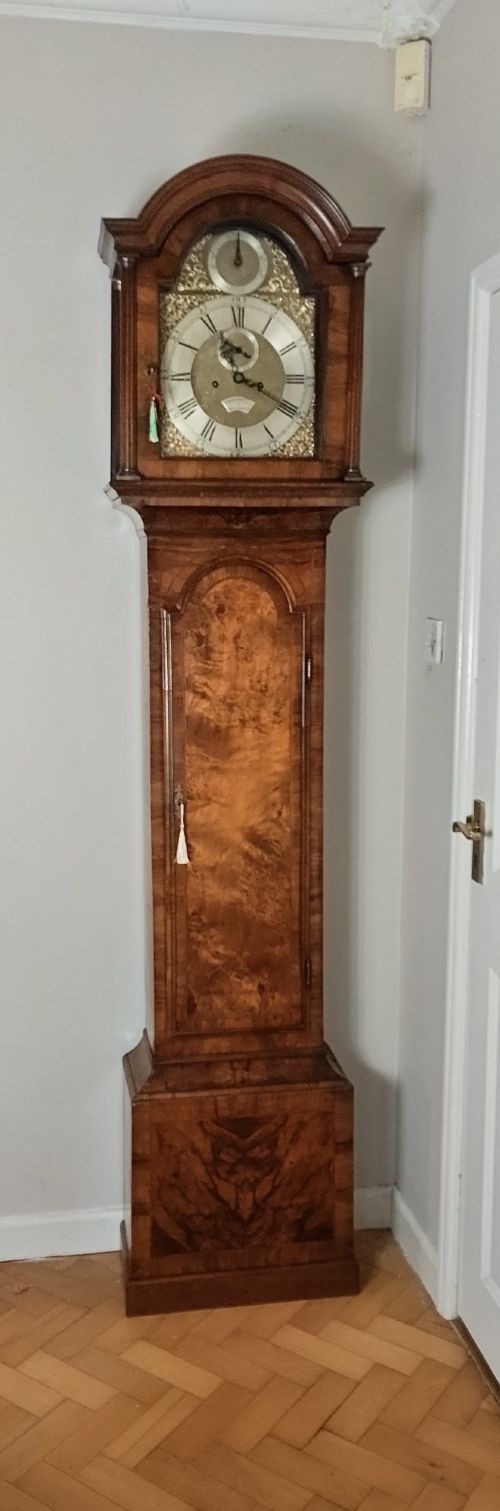
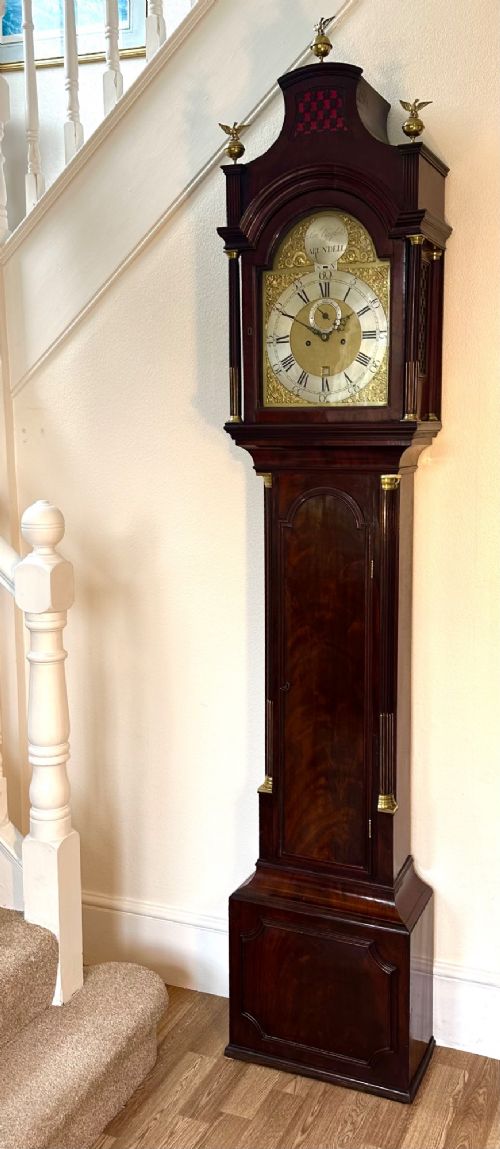
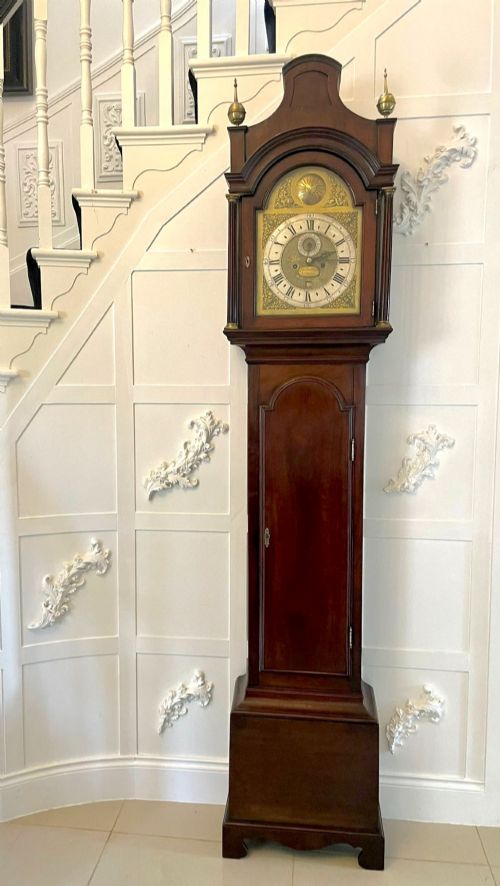
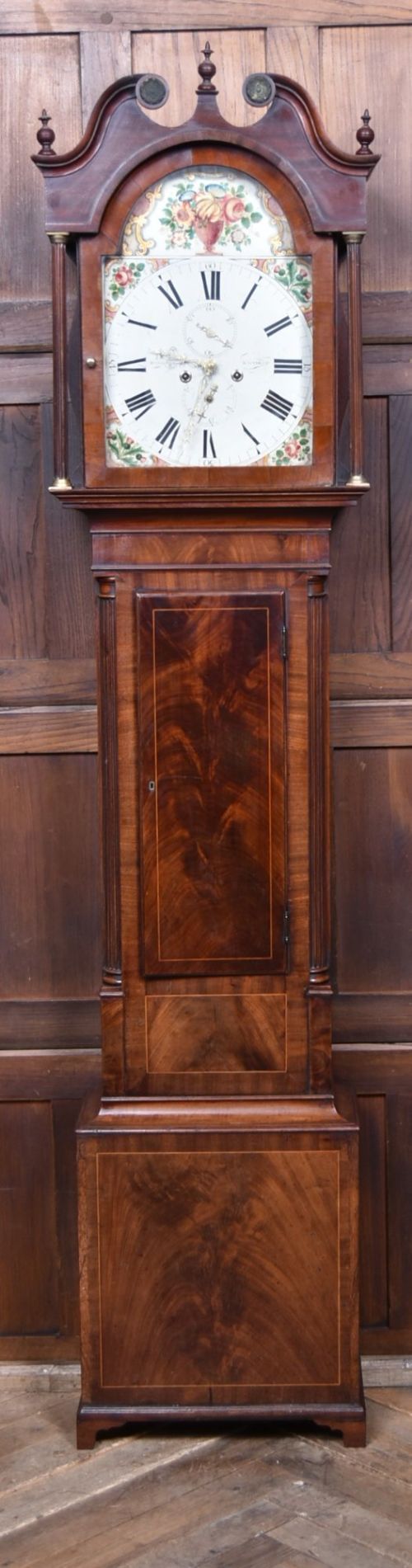
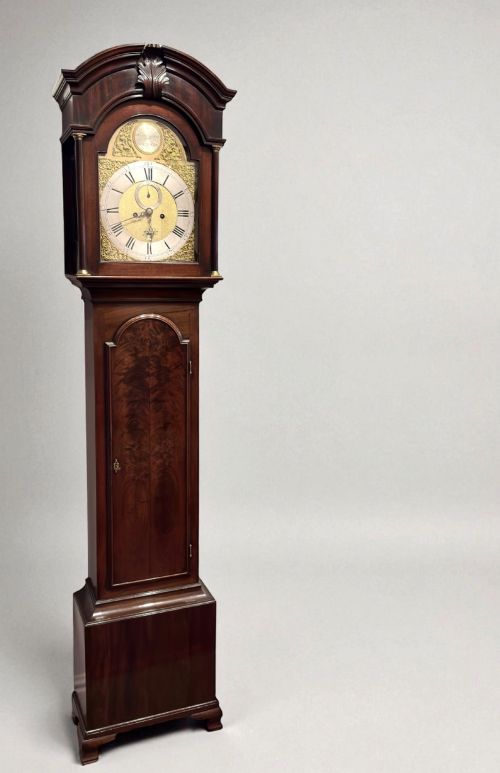
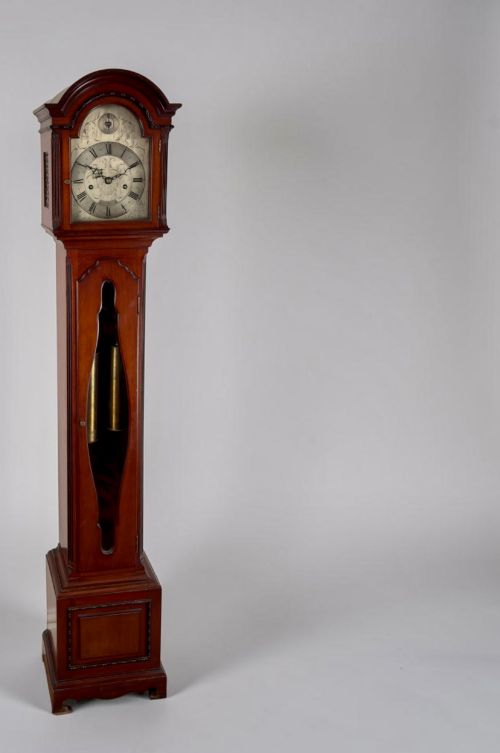
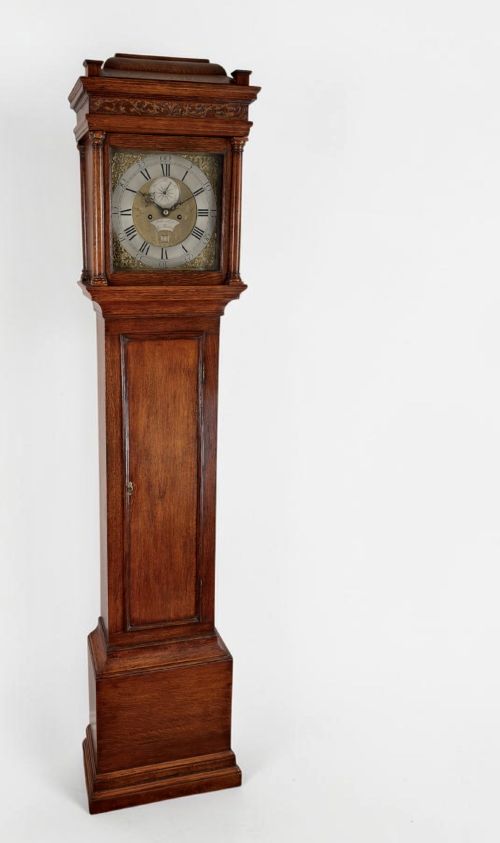
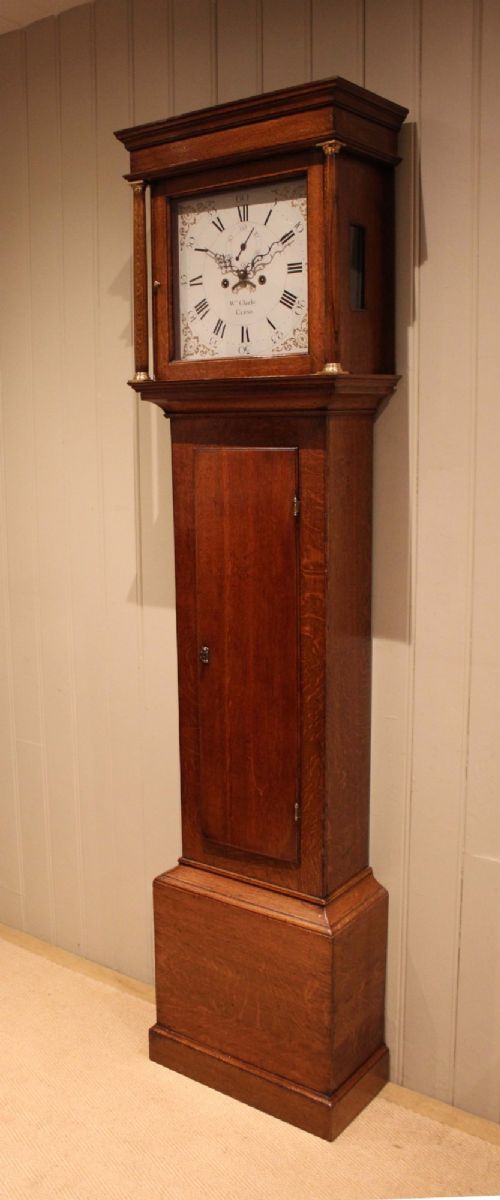
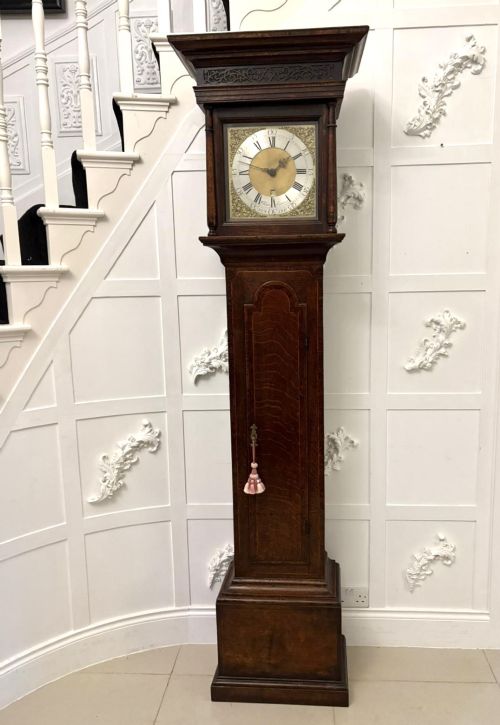
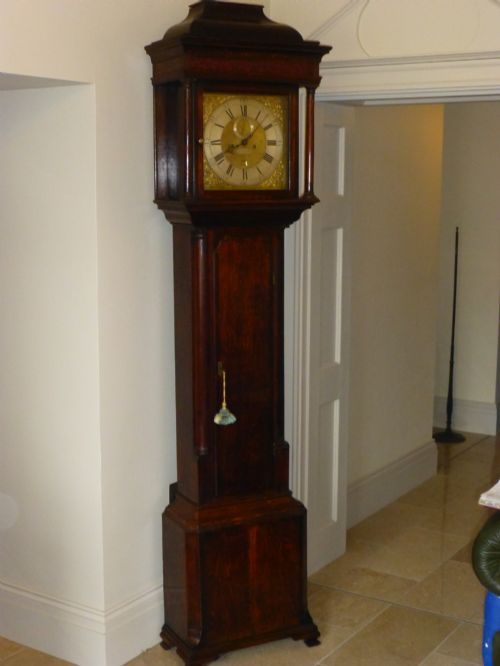
A longcase clock case serves as the tall architectural enclosure for longcase clocks, grandfather clocks, and smaller grandmother clocks. These housings appear across periods from the eighteenth century through to the Edwardian era and the Art Deco period.
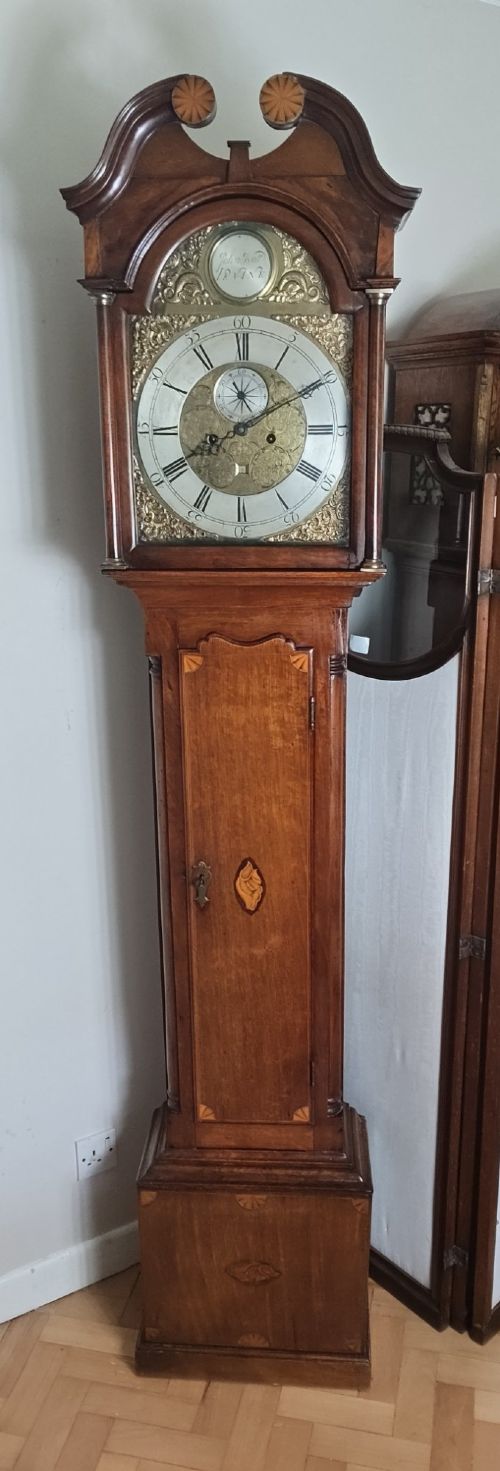
The form typically comprises a hood at the top to protect the dial, a long trunk to accommodate the swinging pendulum and falling weights, and a sturdy base.
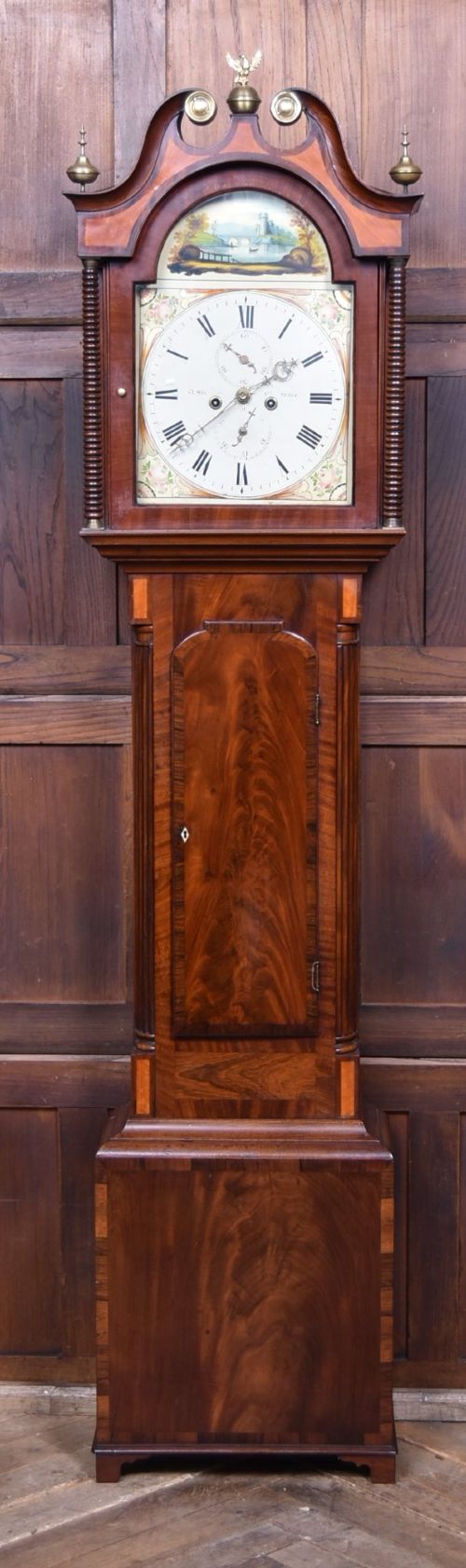
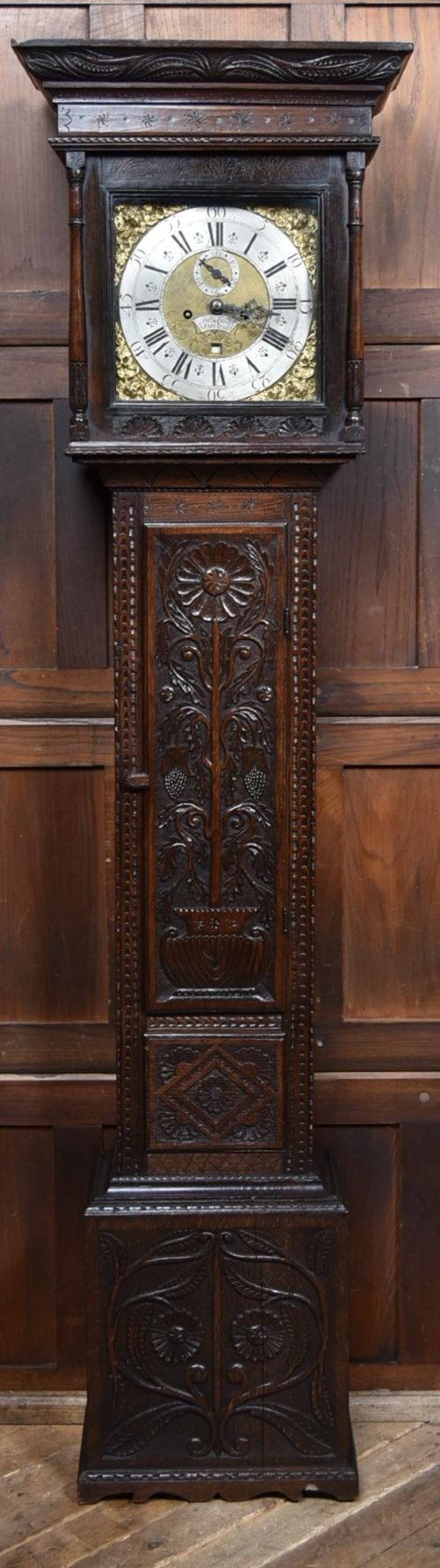
Examples on this page range from robust regional oak and mahogany housings to refined London pieces and later scaled-down versions.
How They Were Made
Cabinetmakers constructed these housings primarily using native and imported hardwoods like oak, mahogany, and walnut, frequently incorporating secondary woods for internal framing.
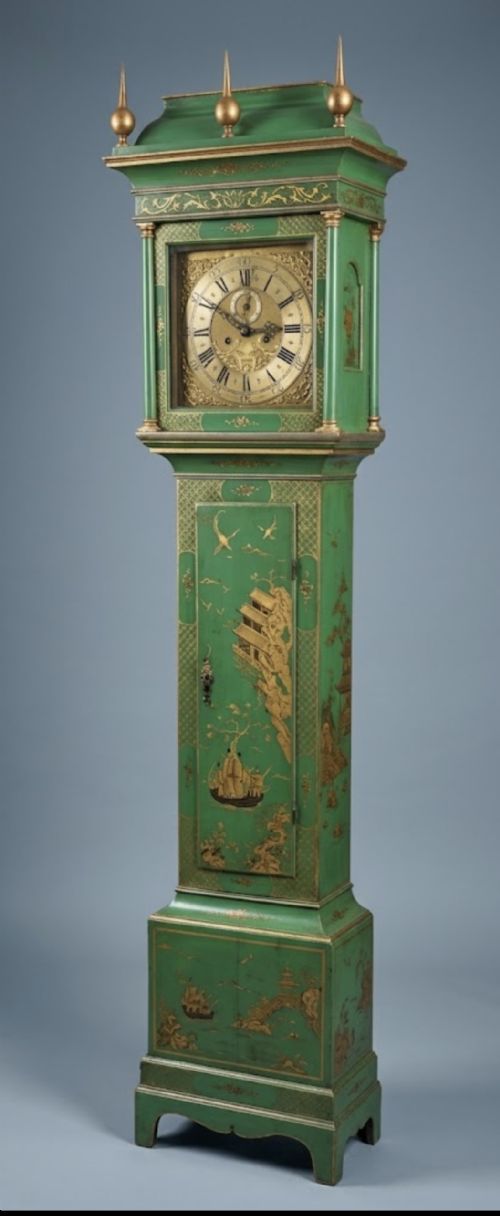
Surface ornamentation involved decorative techniques such as marquetry, burr oak veneers, and painted finishes, complemented by brass and glass components on the dial hoods.
Some cases come with a duck egg blue finish, proving that traditional cabinetmakers were not afraid of a splash of colour.
What Varies in Quality
The calibre of timber selection and cabinetmaking distinguishes superior housings from standard utility examples, visible in the depth of grain figure and the crispness of mouldings.
Proportion and architectural balance dictate the visual success of the piece, with finer housings displaying harmonious transitions from the base through the trunk to the hood.
Charles Shuckburgh London·Gillett and Johnston·Handley and Moore·James McCabe·William Jourdain
The Longcase Clock Case Glossary
- Hood
- The upper removable section of a longcase clock case that encloses and protects the dial and movement. It is often fitted with glass panels and ornamental mouldings.
- Base
- The lowest foundational block of the longcase clock case that supports the entire structure and rests directly on the floor. It gives the tall case its stability.
- Marquetry
- The art of applying decorative pieces of veneer to a structure to form intricate patterns and pictorial designs. It appears on select high-end eighteenth-century housings.
- Astragal glazing
- Framework strips holding small panes of glass within the door of the housing. This technique is often seen on refined regional and metropolitan pieces.
Longcase Clock Case: Frequently Asked Questions
What is a longcase clock case?
A longcase clock case is the tall wooden enclosure built to house a weight-driven pendulum clock. These housings protect the delicate internal mechanism while providing a decorative focal point for a room.
They combine a protective hood, a tall trunk for the pendulum, and a solid base. The form evolved significantly across different centuries and regions.
How do I tell an 18th-century case from a 19th-century one?
Eighteenth-century housings frequently utilise solid oak or walnut with simpler architectural proportions and square or arched hoods. They often display regional craftsmanship from makers across England and Scotland.
Nineteenth-century examples lean heavily towards mahogany veneers, bolder architectural styling, and sometimes more elaborate dial surrounds. Proportions shifted as tastes changed from the Georgian period into the Victorian era.
What is the difference between a grandfather clock and a grandmother clock?
Grandfather clocks are the standard full-sized tall versions designed to stand directly on the floor. They feature long trunks and substantial proportions suitable for high-ceilinged hallways and rooms.
Grandmother clocks are significantly smaller, scaled-down versions produced in later periods such as the Edwardian era. They offer the traditional longcase aesthetic in a more compact footprint.
Where should I place a longcase clock case in my home?
These tall housings require a stable, dry environment away from direct sunlight and temperature fluctuations to protect the timber. Hallways, living rooms, and landings provide ideal vertical wall space for their height.
Ensure the floor is level so the entire structure rests evenly. Adequate clearance is necessary if the housing includes a door that opens for pendulum access.