


Antique Grandfather Clock Case
When you search for an antique grandfather clock case, you are looking for the architectural housing built to shelter a tall pendulum clock.
Antique Grandfather Clock Case
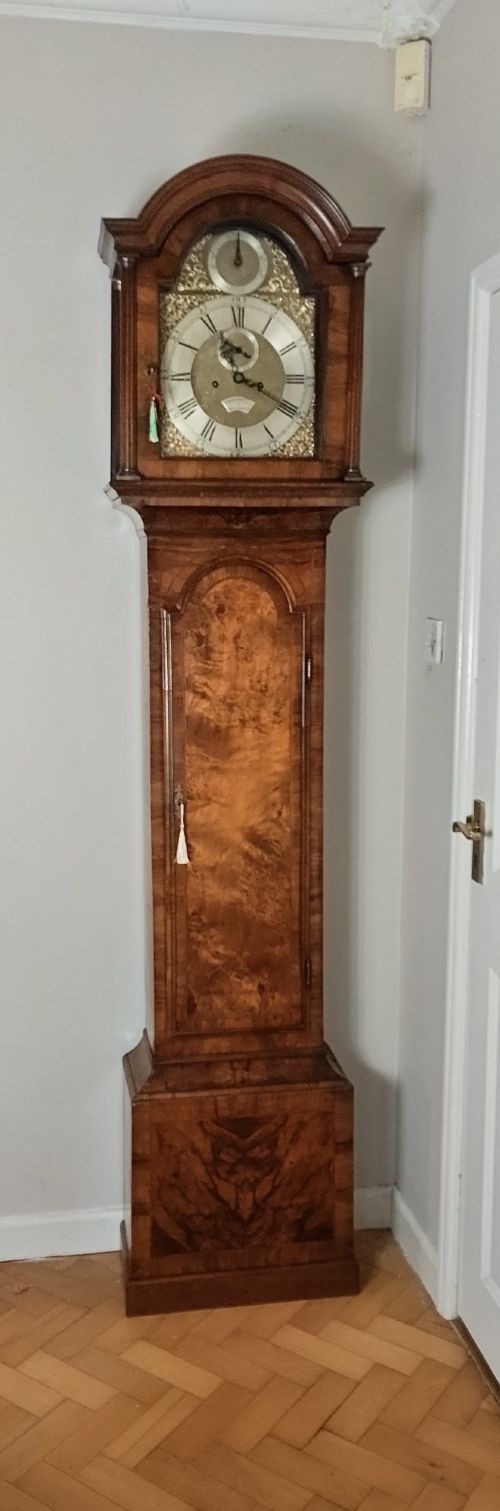
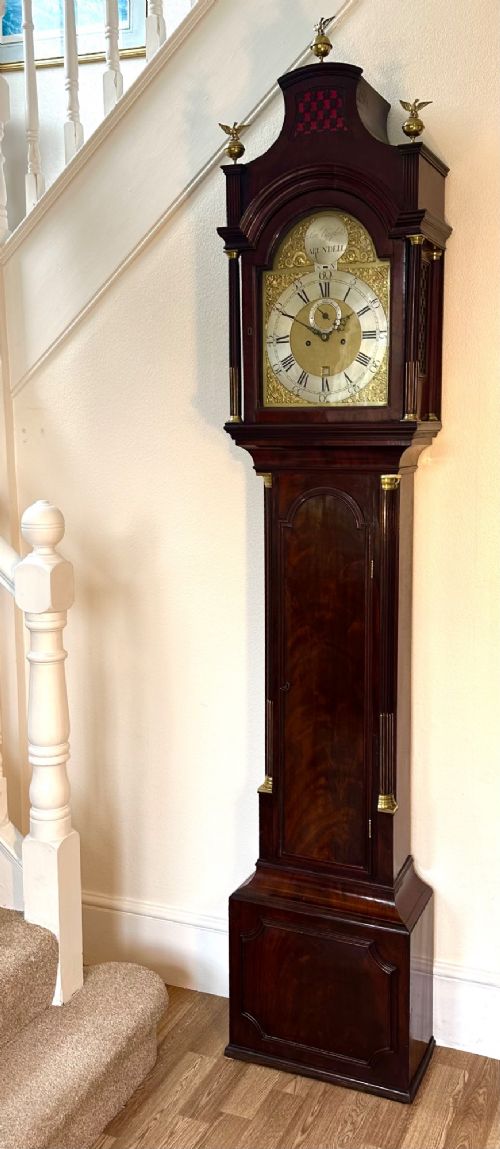
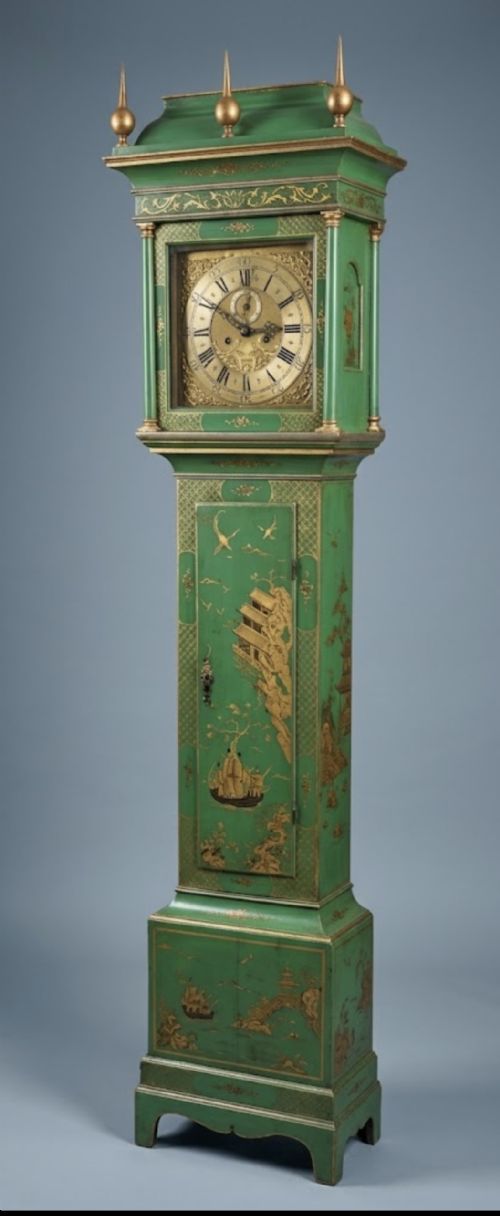
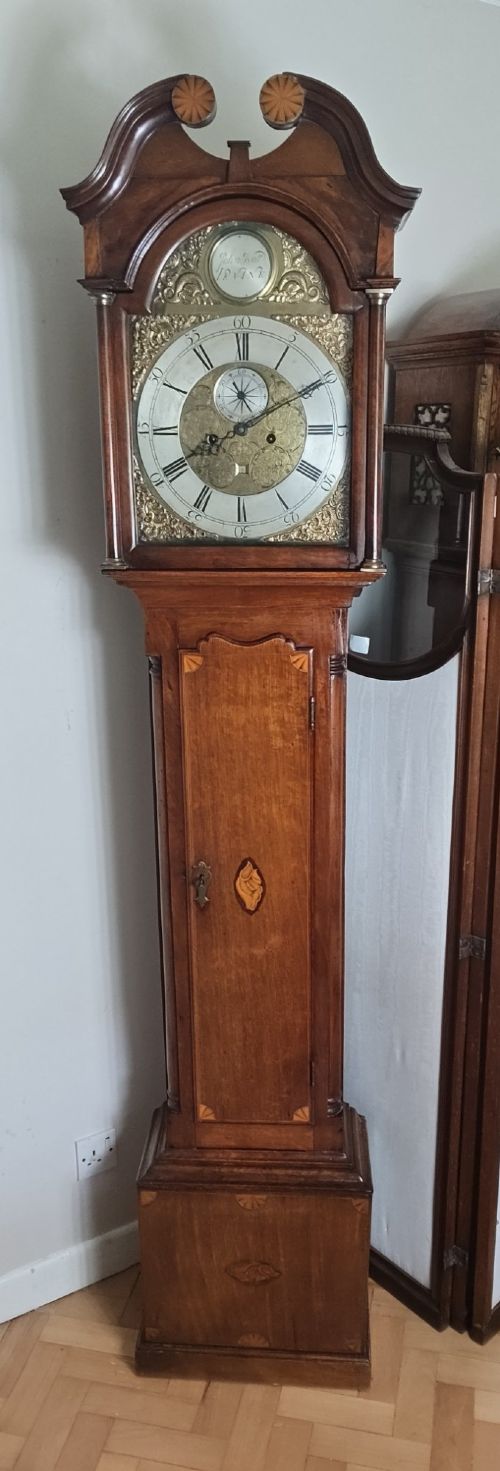
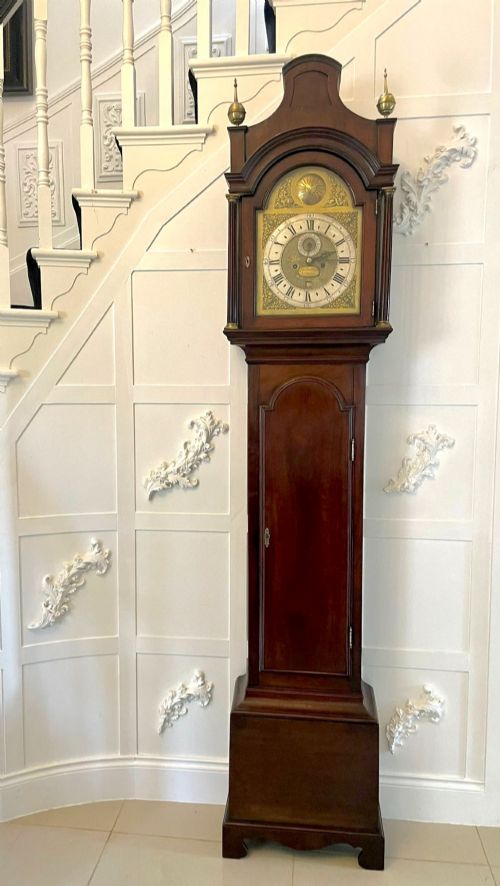
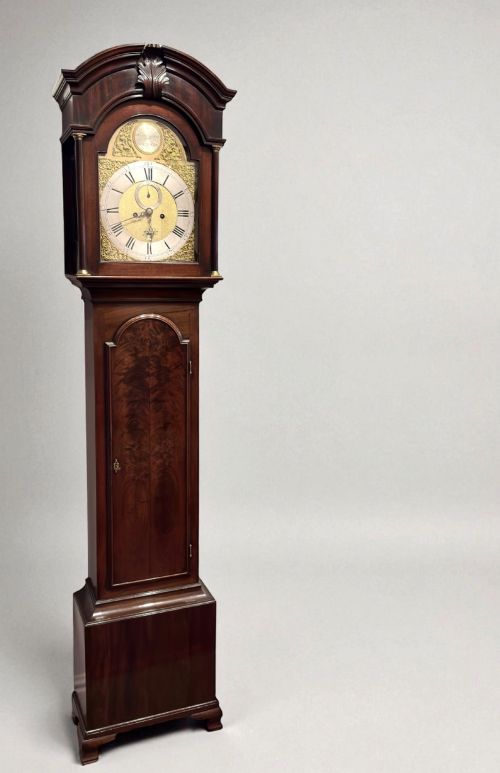
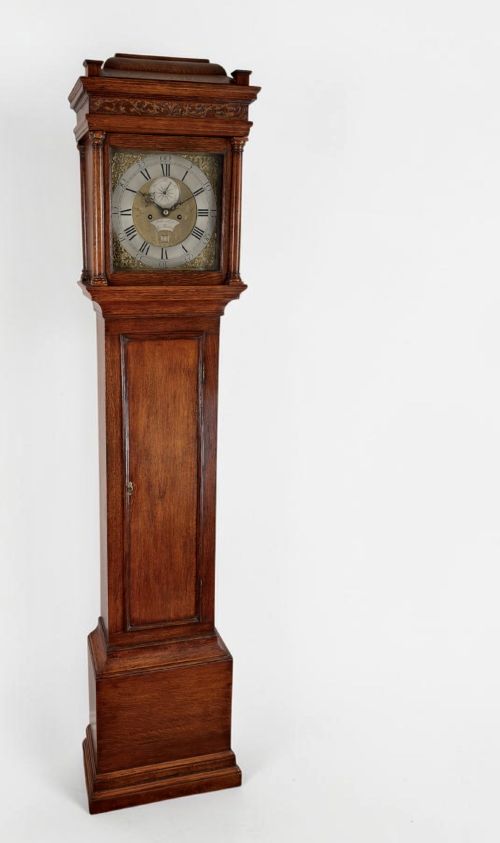
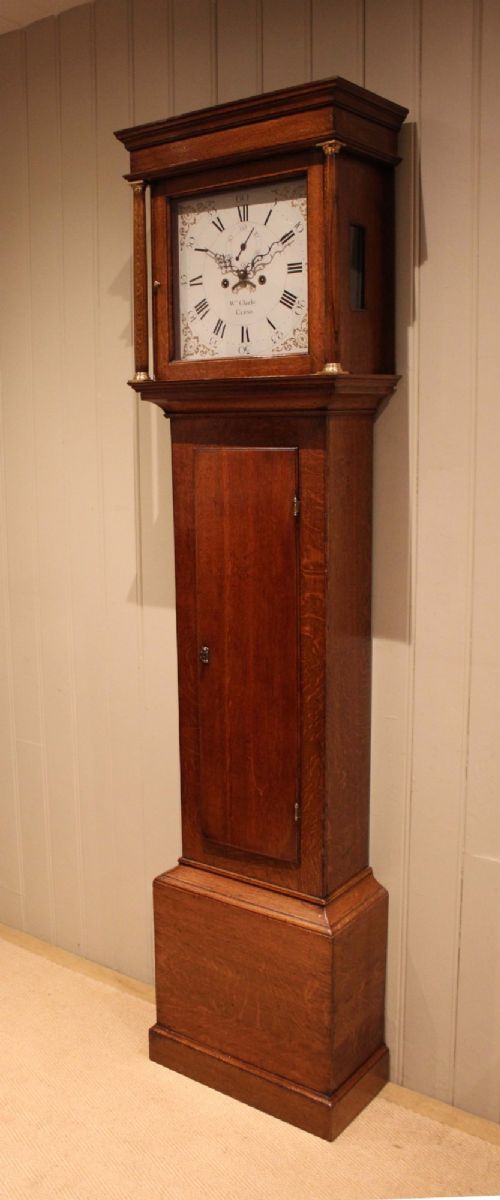
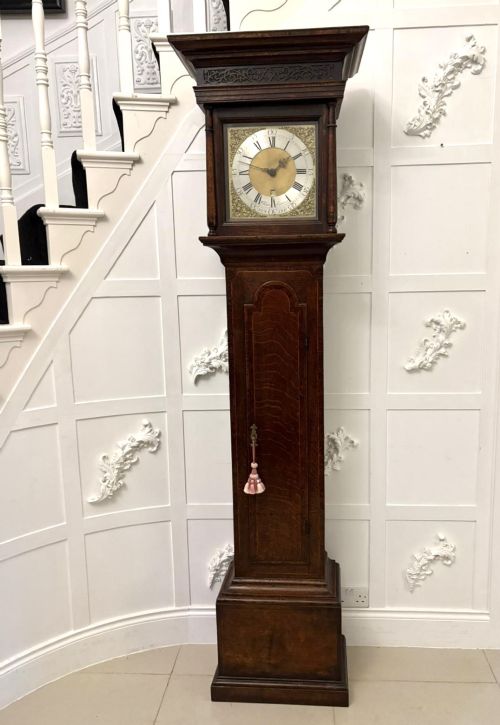
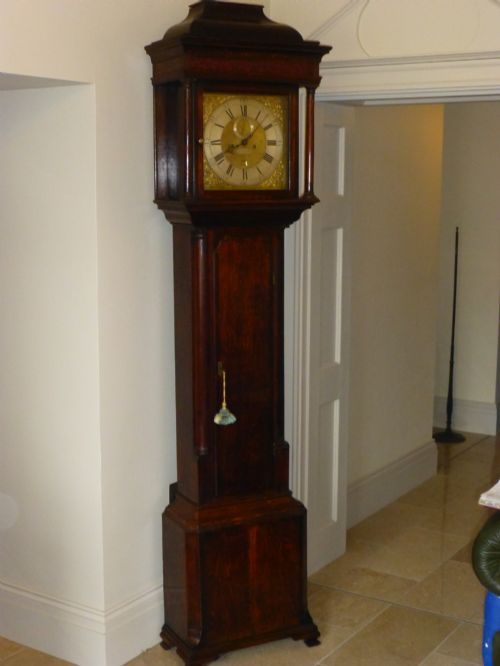
An antique grandfather clock case is a tall wooden housing designed to enclose the weights, pendulum and dial of a longcase clock. These enclosures appear predominantly in oak and mahogany, spanning periods from the Georgian era through the Victorian period and into the 20th century.
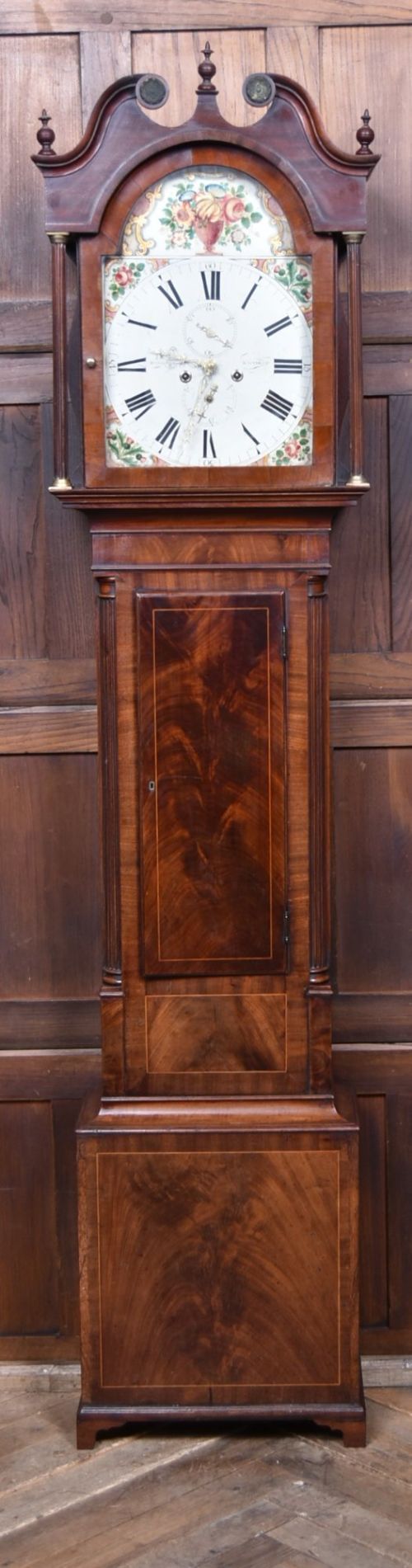
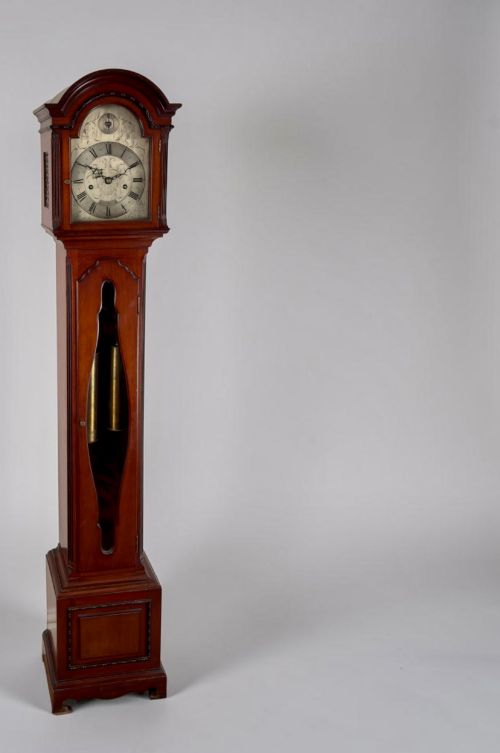
The standard form encountered on this page ranges from tall, architectural London examples to provincial Scottish longcase clocks and compact grandmother clocks. Buyers select these pieces both as functional furniture and for the presence they bring to a hallway or reception room.
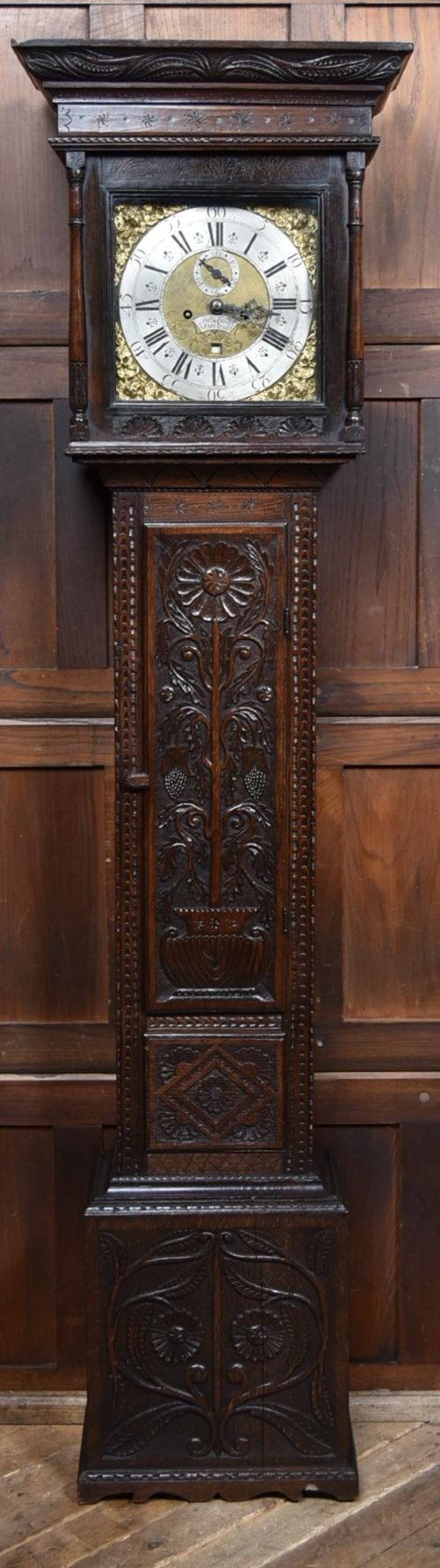
Regional variations are particularly noticeable, with makers from Dublin to Aberdeen utilising local timbers such as burr oak and walnut alongside imported mahogany. Smaller proportions, including miniature or domestic regulator housings, also feature among the recorded items.
How They Were Made
Cabinetmakers constructed these enclosures primarily using native oak and imported mahogany, frequently incorporating secondary timbers and decorative veneers like burr walnut. Woodwork involved traditional joinery techniques to build the plinth, trunk and hood securely.
Glass panels were fitted into the hood door to protect the brass, painted iron or chrome dial, whilst brass bezel rings and sometimes ormolu mounts provided metallic contrast. Internal structures accommodated weights suspended on lines or chains and long pendulums requiring strict vertical alignment.
Listings feature oak, mahogany and walnut cases, alongside painted iron, brass and chrome dials spanning the Georgian era to the Art Deco period of the 1930s.
What Varies in Quality
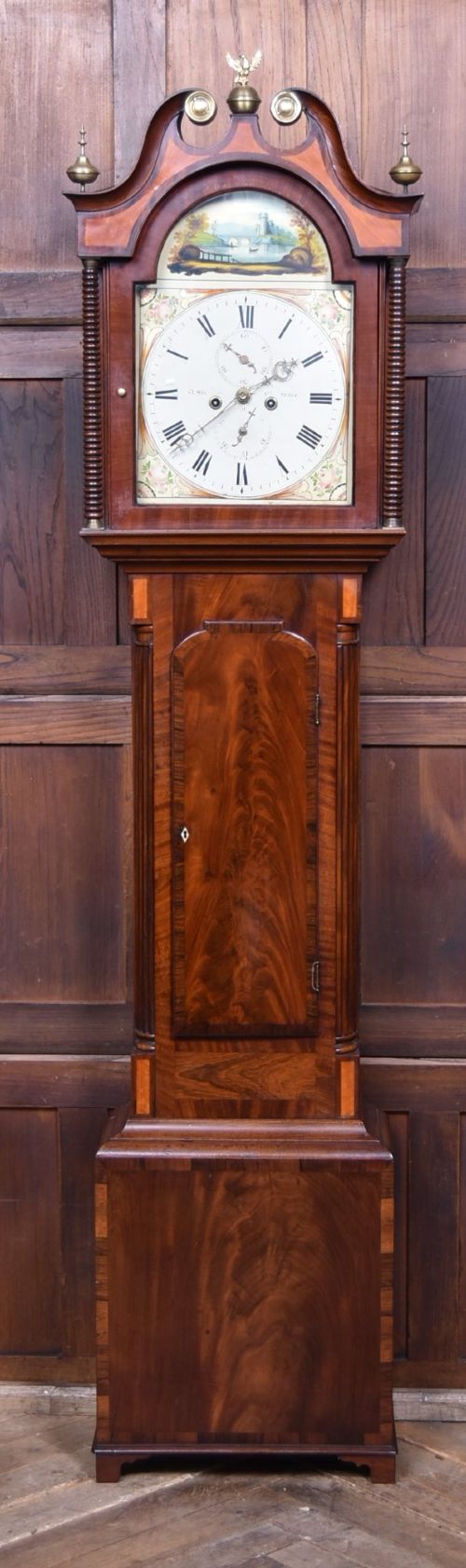
Quality in these housings rests upon the choice of timber and the sophistication of the cabinetmaker's joinery. Superior examples display carefully selected grain patterns, such as figured mahogany or burr oak, matched across the door and trunk.
Architectural detailing defines the upper tier, seen in arched hoods, fine inlay work, and well-proportioned mouldings on the plinth and cornice. Lesser examples exhibit simpler construction, plain panel boards, and straightforward joinery without decorative banding.
Charles Shuckburgh London·Hendrie Ogg Dunfermline·Gillett and Johnston Croydon·Lee Great Marlow·D Straiton Montrose·James Field Hempstead·Richard Corless Stockport·James McCabe·Handley and Moore London·Samuel Kellett Bredbury·William Jourdain·Henry Jenkins·Dan ONeill Dublin·George Atkins London·Isaac Penton London·William Lasseter Arundel·George Hewett Marlborough
The Antique Grandfather Clock Case Glossary
- Longcase clock
- A tall pendulum timekeeper housed in a protective wooden case standing directly on the floor. This term is frequently used interchangeably with grandfather clock.
- Trunk
- The long vertical body section of the case that protects the descending weights and swinging pendulum. It is commonly closed by a full-length locking door.
- Plinth
- The heavy wooden base block upon which the entire case rests. It provides stability and prevents the tall structure from leaning.
- Grandmother clock
- A smaller, more slender version of the traditional longcase clock, typically produced during the Edwardian period or the 20th century. These items occupy less vertical space while retaining the classic proportions.
Antique Grandfather Clock Case: Frequently Asked Questions
What is an antique grandfather clock case?
An antique grandfather clock case is the tall wooden housing built to enclose the movement, dial, weights and pendulum of a longcase clock. These architectural enclosures protect the internal mechanics from dust and air currents while serving as prominent pieces of furniture.
Most examples are constructed from timbers such as oak, mahogany and walnut, featuring a glazed hood above a long trunk and a sturdy base plinth. They reflect the furniture design trends of their respective periods, from Georgian simplicity to Edwardian proportions.
How do I tell Georgian cases from Victorian ones?
Georgian cases, particularly those from the George III period, often exhibit refined mahogany or figured oak joinery with architectural cornices and restrained brass dial surrounds. They tend to have slender proportions and understated decorative banding.
Victorian cases generally display heavier timber dimensions, darker finishes, and sometimes more elaborate carving or regional provincial characteristics. Examining the secondary woods inside the trunk and the style of the hood door helps clarify the period of manufacture.
Where should I place a longcase housing in my home?
These tall housings require a stable, dry environment away from direct sunlight and sudden temperature fluctuations that can affect timber. Placing them in a hallway, landing or high-ceilinged reception room allows the vertical proportions to balance the space.
Because the structure stands directly on the floor via its plinth, ensuring the surface is level is essential for both stability and the correct operation of any enclosed pendulum mechanism.
What is the difference between a grandfather and a grandmother clock case?
The primary difference lies in overall scale, as grandmother clocks are significantly shorter and narrower than traditional grandfather or longcase clocks. These compact housings were manufactured more commonly in the 20th century or late Victorian and Edwardian periods.
They provide the aesthetic appeal of a tall pendulum housing in rooms with lower ceilings or restricted floor space, utilising similar materials like mahogany and oak in miniature form.