
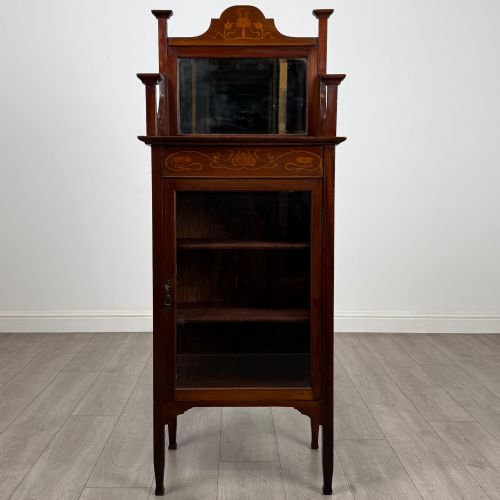
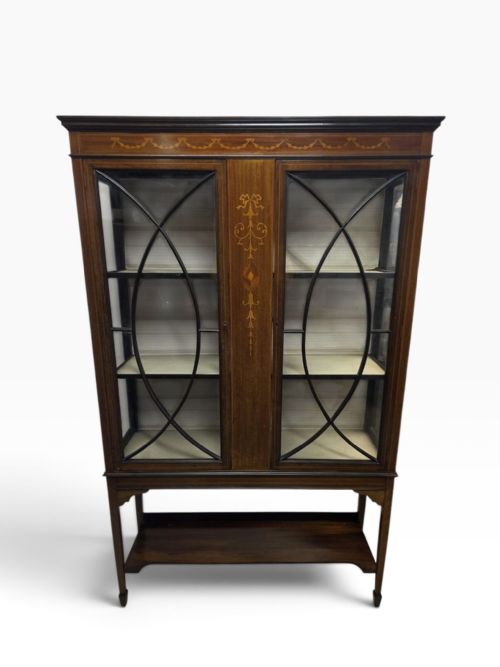
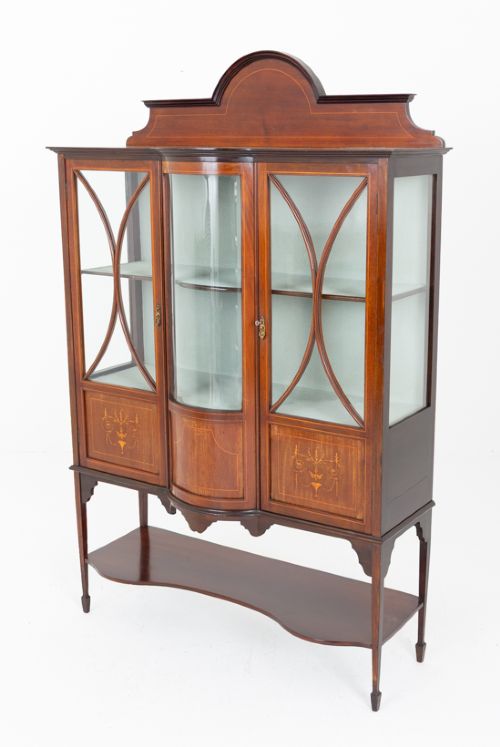
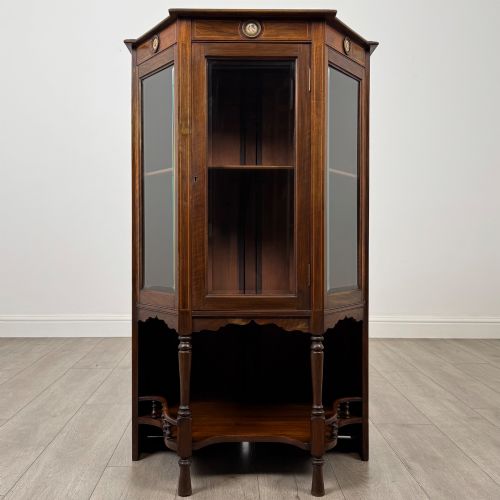
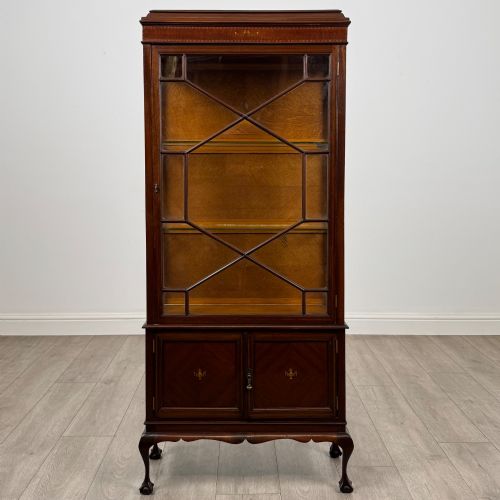
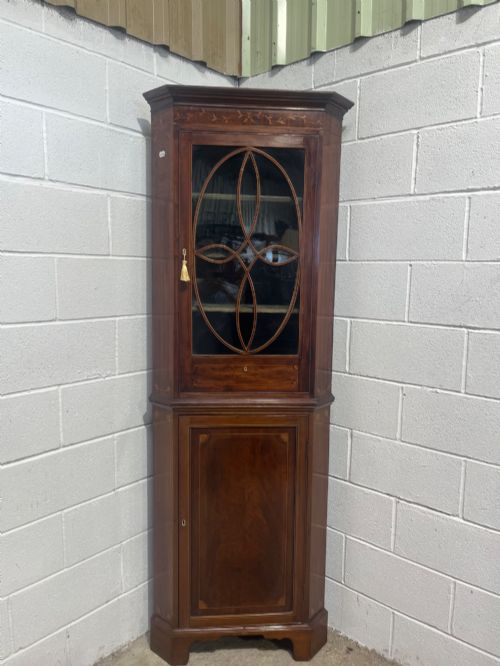
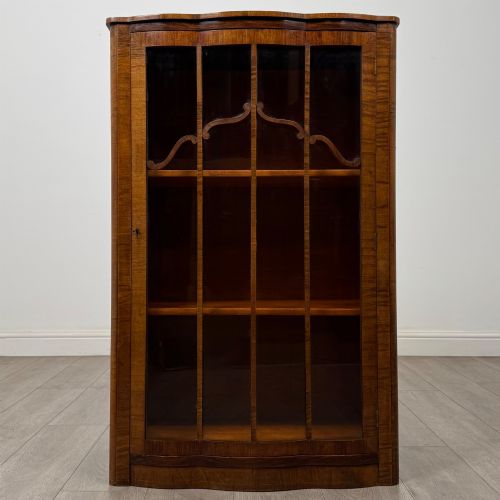
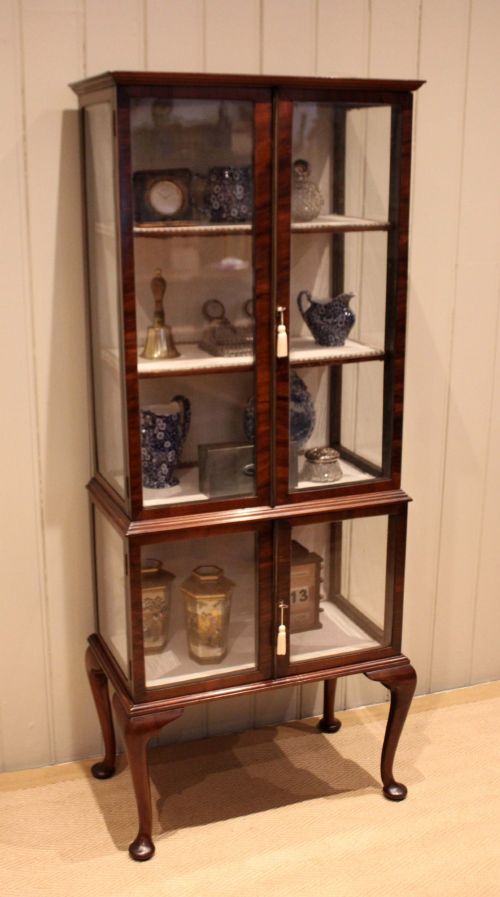
Standing China Cupboard
A standing china cupboard brings proportion and glass-fronted display to a room, housing precious ceramics behind timber frames.
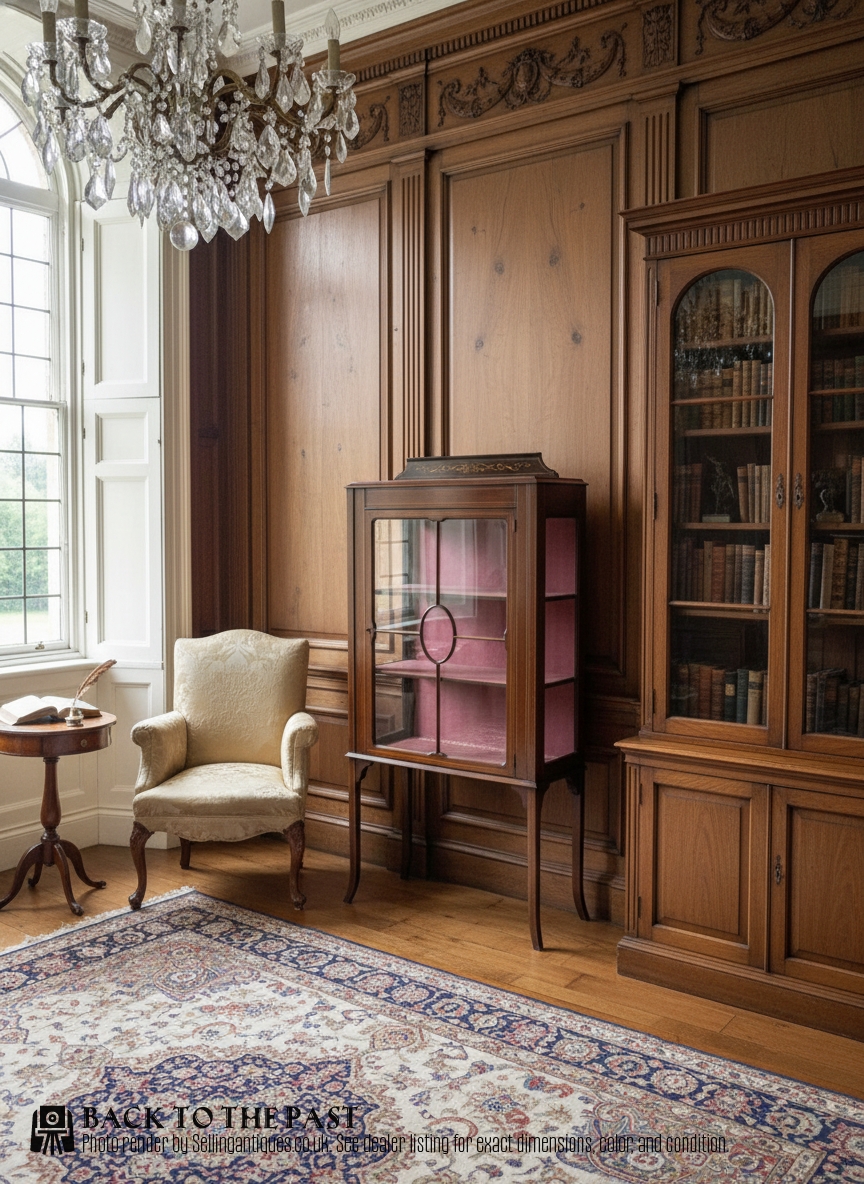
Standing China Cupboard
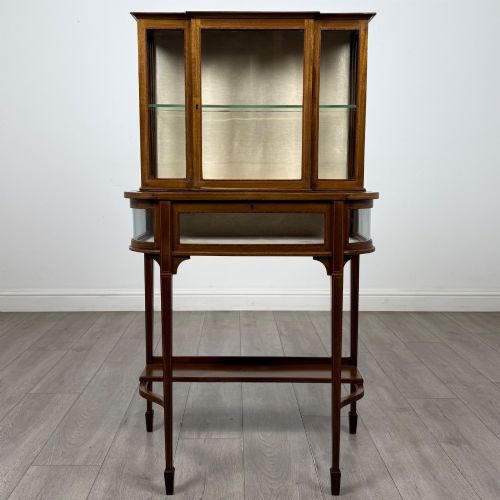
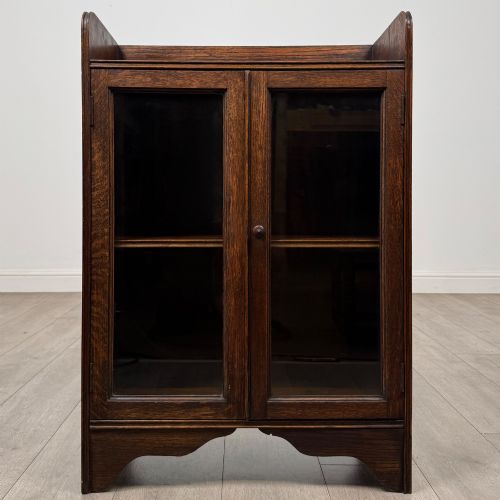
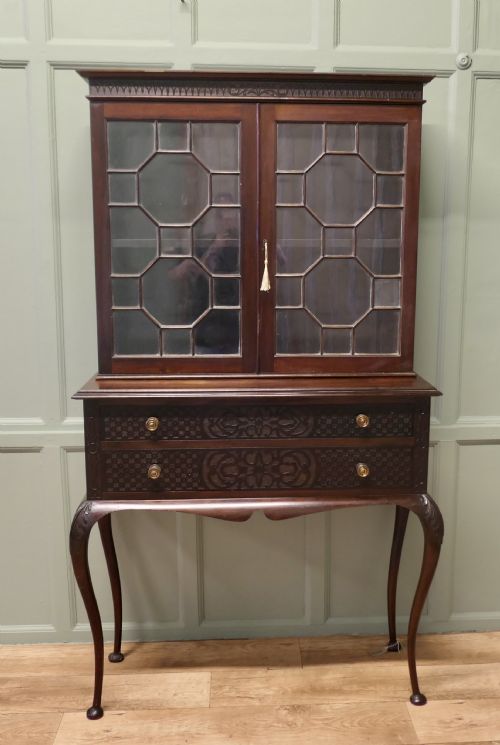
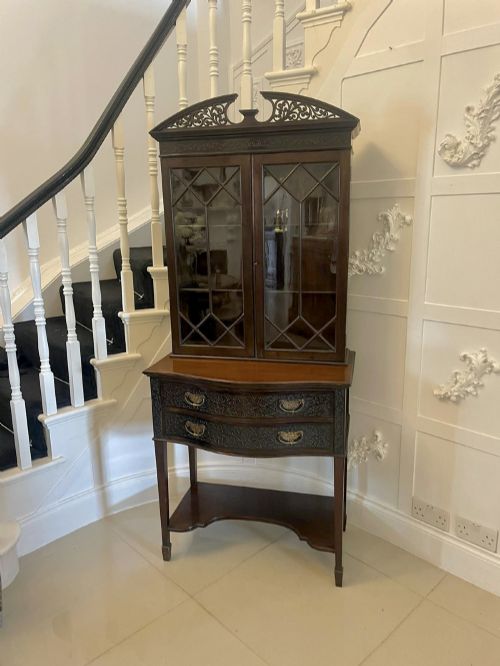
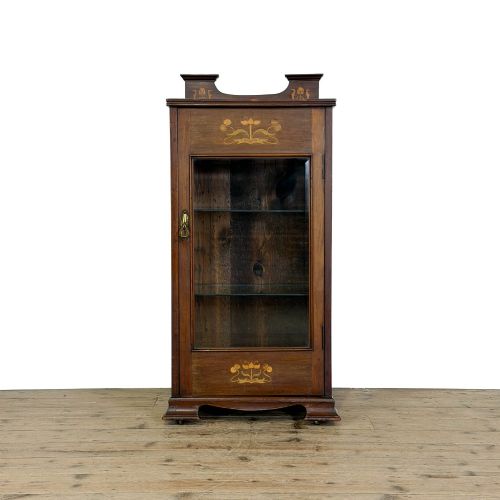
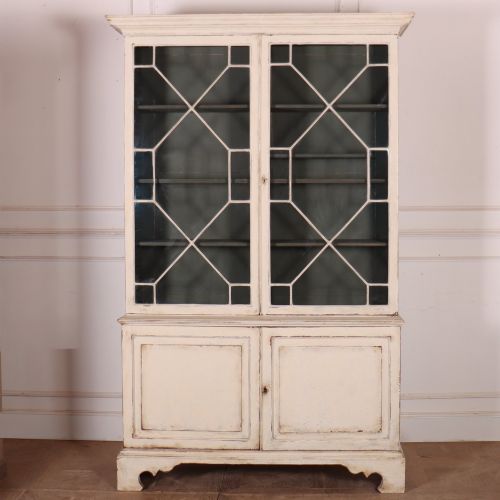
When you search for a standing china cupboard, you encounter tall display furniture designed to showcase ceramics and glassware behind glass panels. These pieces take the form of display cabinets, bookcases with glazing, and corner cabinets that fit domestic interiors.
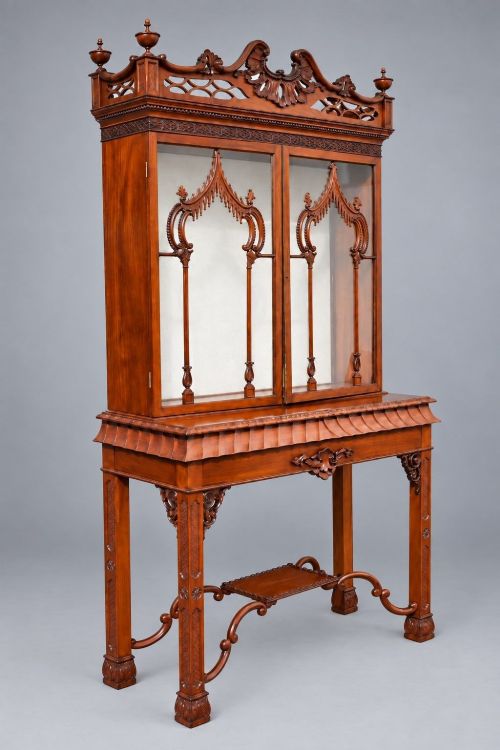
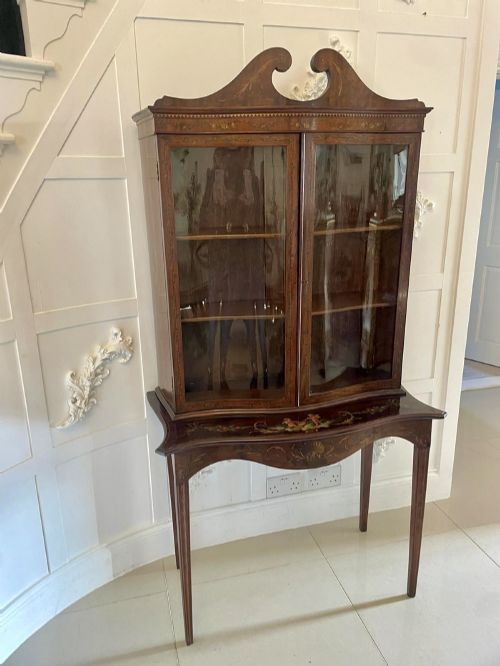
The examples found here range across Edwardian, Victorian, Georgian, and eighteenth-century periods, with Edwardian mahogany pieces appearing frequently alongside earlier mahogany, oak, walnut, and pine variations. Styles span from Sheraton Revival and Chinese Chippendale to plain country forms.
Makers such as Edwards & Roberts and Maple & Co. occasionally mark these cabinets, reflecting the cabinetmaker's skill in producing glazed storage. Such furniture serves both as a functional repository for porcelain and as an architectural focal point in a reception room.
How they were made
Cabinetmakers constructed these cupboards using solid timbers and veneers such as mahogany, oak, walnut, satinwood, and pine, often embellishing surfaces with satinwood inlay and brass hardware. Glass panes were secured within timber astragals to form glazed doors that protected the contents from dust.
Carved details, painted decoration, and chinoiserie motifs appear on select pieces, executed by hand to align with Victorian, Edwardian, or Georgian design idioms. Structural integrity relied on traditional joinery techniques appropriate to floor-standing furniture.
Several cabinets retain their original painted decoration, proving that ancestors also enjoyed customising flat-pack pine before flat-pack was even invented.
What varies in quality
The refinement of timber selection and inlay work marks the difference between standard cabinetmaking and master craftsmanship. Figure in the walnut or mahogany veneer and the crispness of carved mouldings dictate visual success.
Proportion and the delicacy of the glazed framework distinguish finer pieces from heavier utilitarian storage. Original glass and undisturbed surface patination elevate a cabinet's standing among collectors.
Maple & Co.·Edwards & Roberts
The Standing China Cupboard Glossary
- Astragal
- Moulding strips that divide panes of glass within a glazed door or window. These thin wooden bars form geometric patterns typical of period cabinetry.
- Inlay
- A technique where pieces of contrasting timber, such as satinwood, are inserted into recessed cavities on the surface to create decorative motifs.
- Chinoiserie
- European interpretations of Chinese artistic motifs, applied as painted decoration or carved relief on eighteenth and nineteenth-century furniture.
- Sheraton Revival
- A late nineteenth-century design style drawing on the neoclassical furniture forms popularized by Thomas Sheraton.
Standing China Cupboard: Frequently Asked Questions
Where should I place a standing china cupboard?
These tall cabinets suit dining rooms, drawing rooms, or wide hallways where their glazed doors can reflect light and display collections safely.
Ensure the floor is level so the doors hang true and the timber frame maintains its structural balance.
How do I clean the interior glass?
Use a soft, lint-free cloth with a mild glass cleaner sprayed onto the cloth rather than directly onto the cabinet.
Take care near antique timber frames and delicate astragal bars to avoid moisture damage to the wood.
Are these cabinets suitable for books?
Many pieces categorized as display cabinets or bookcases feature adjustable shelving suitable for holding volumes alongside ceramics.
Check the depth of the interior shelves to ensure they accommodate your specific collection comfortably.
How do I distinguish Edwardian pieces from Victorian ones?
Edwardian standing china cupboards often display lighter mahogany timbers with subtle satinwood inlay and Sheraton Revival influences.
Victorian examples tend to feature heavier carved details, darker finishes, and more robust proportions.