



Mahogany Glazed Showcase
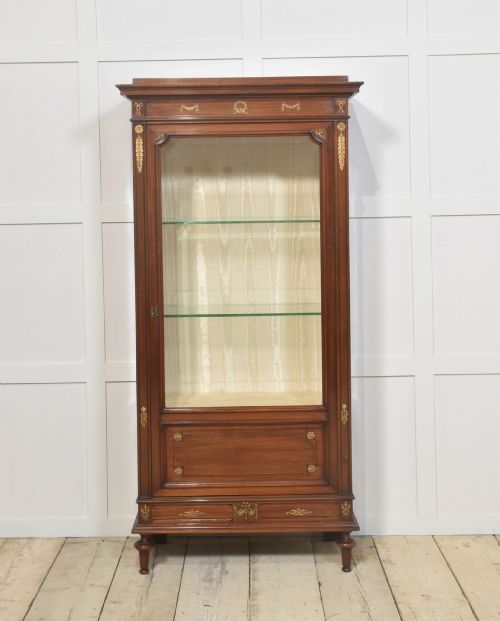
A mahogany glazed showcase brings order and visibility to small possessions, drawing the eye through transparent panes to timber frames.
Mahogany Glazed Showcase
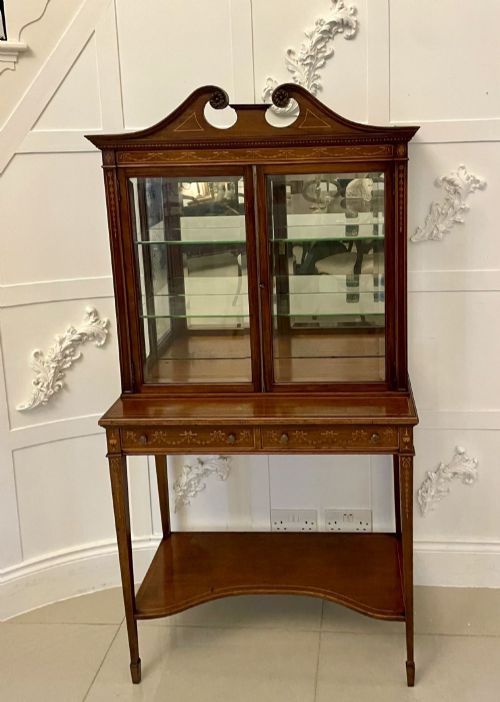
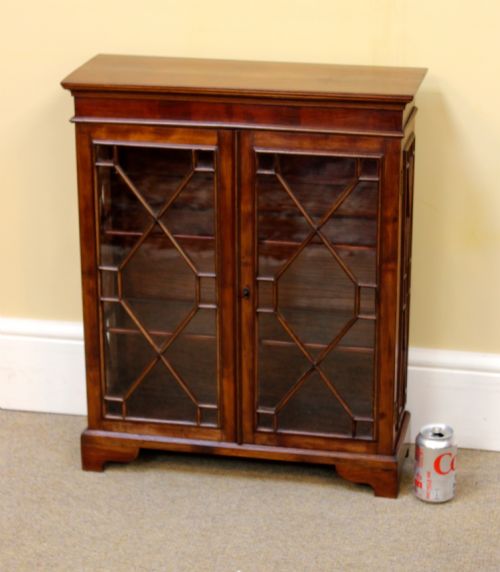
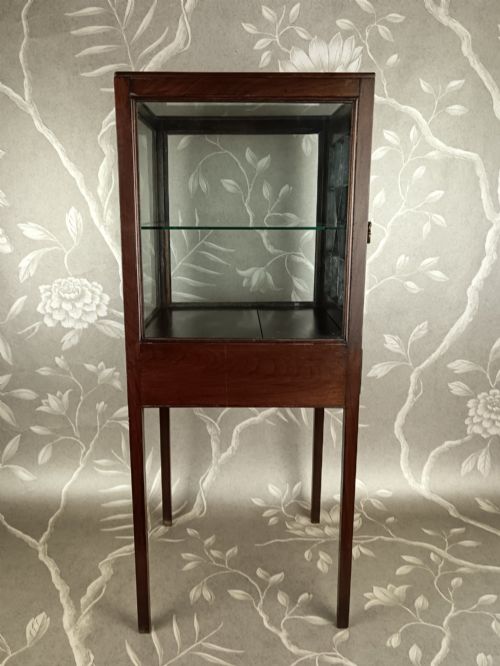
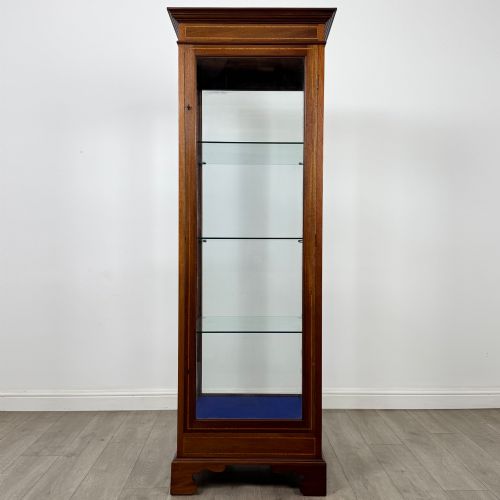
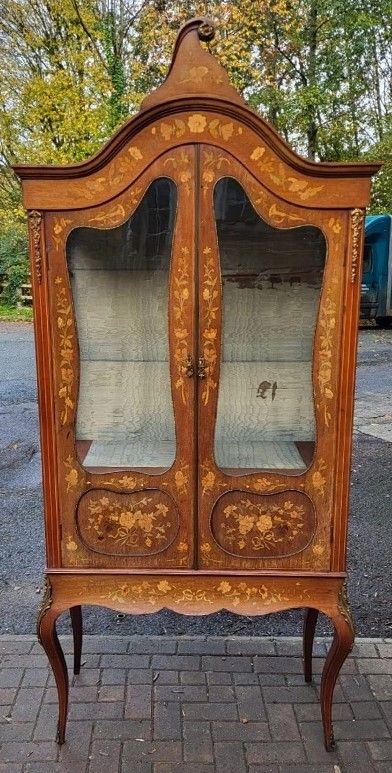
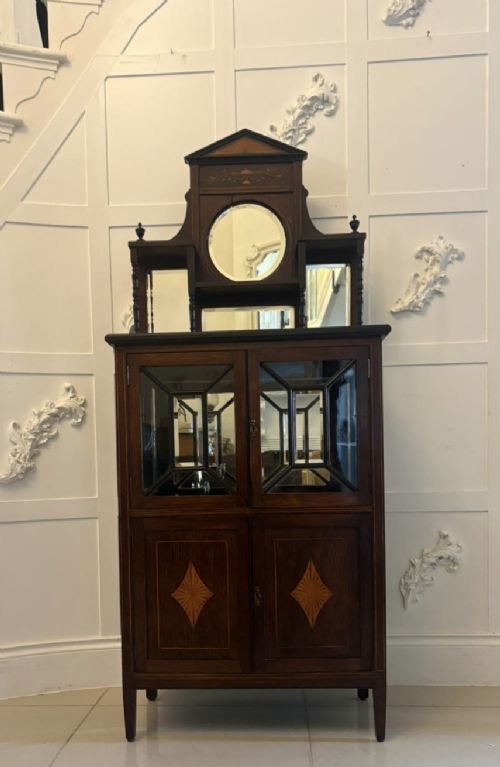
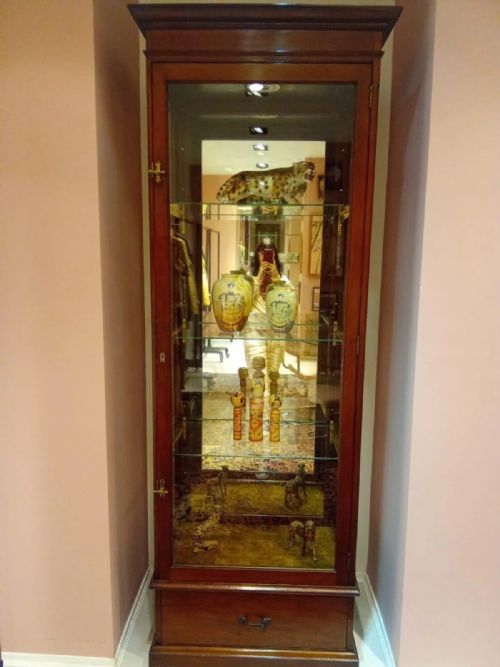
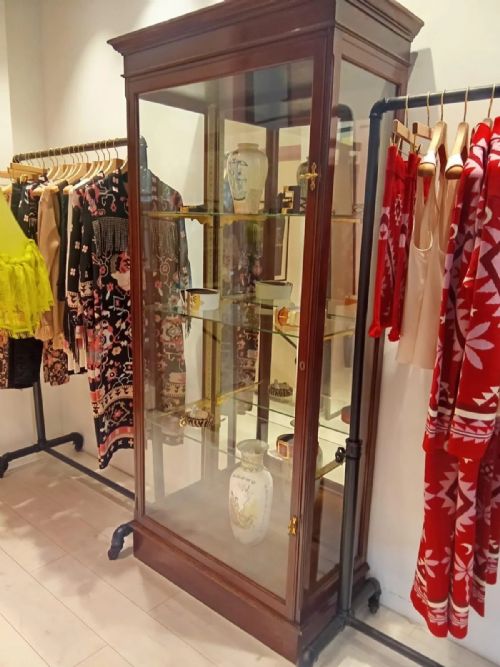
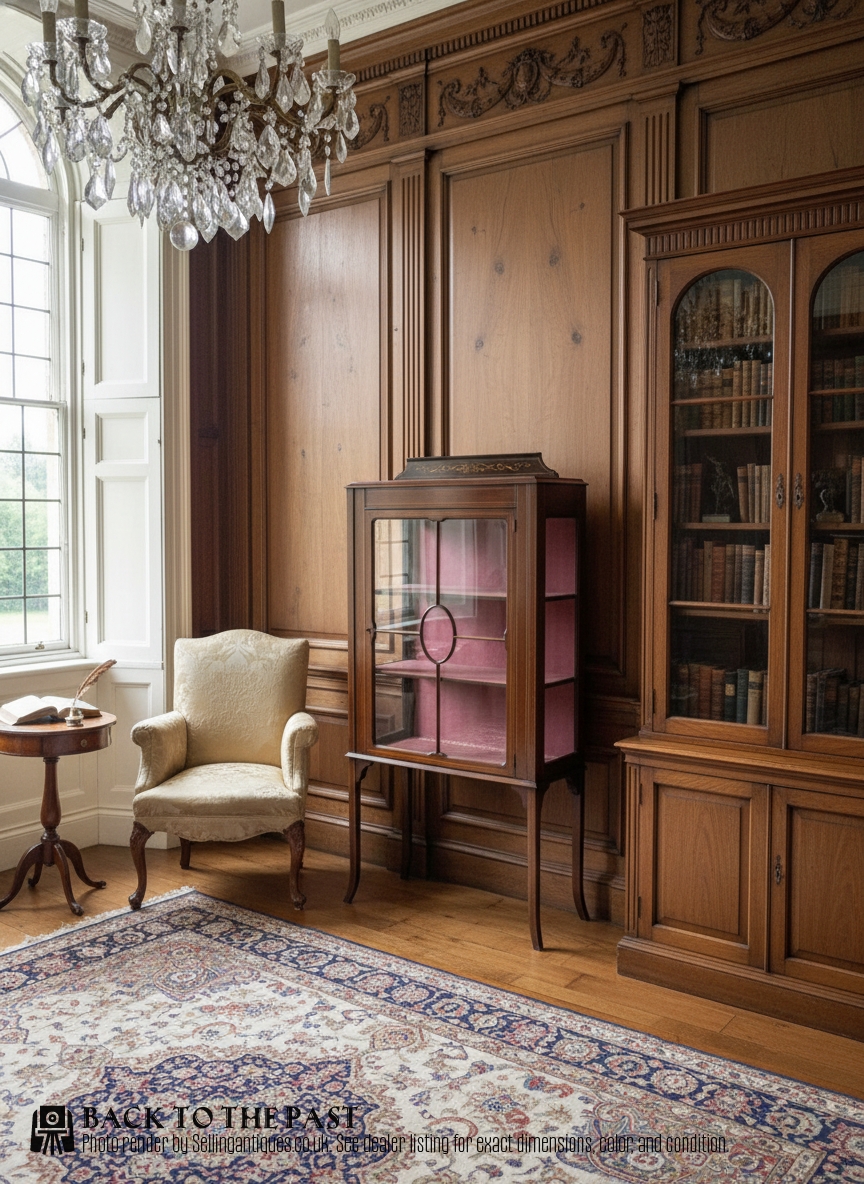
A mahogany glazed showcase appears across several distinct forms designed to exhibit items either at eye level or upon a tabletop surface. The listings show tall freestanding display cabinets alongside compact countertop cases, wall-mounted cupboards and specialised bijouterie tables with glass tops.
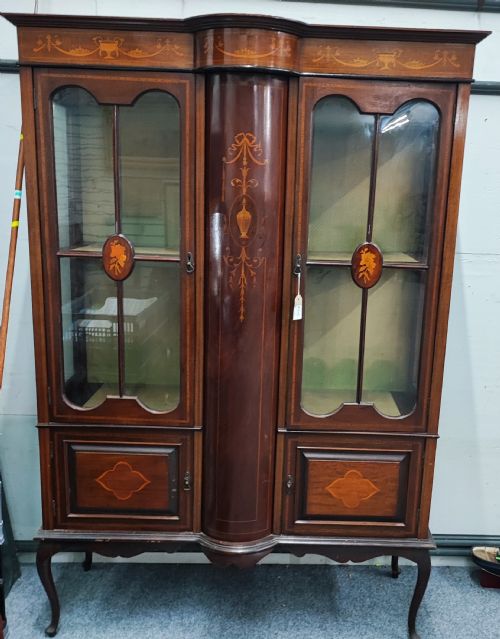
Domestic pieces often feature delicate satinwood inlay, floral marquetry and mirror backs intended for parlours and drawing rooms. Commercial variants include shop counters, tall apothecary cupboards and sweet shop cabinets built to hold goods for public inspection.
Origins span the Victorian and Edwardian eras, stretching from late nineteenth-century workshops into the 1920s commercial period. Buyers encounter both domestic vitrines influenced by Sheraton or Louis XVI revivals and sturdy trade counters bearing original sign-written advertising.
Materials and Construction
Cabinetmakers constructed these frames primarily in solid mahogany and mahogany veneers, occasionally incorporating contrasting satinwood crossbanding for decorative definition. Glass panels form the principal viewing areas, held securely within rebated wooden framing and supported internally by adjustable glass shelving or mirrored interiors.
Metal components such as brass hinges, locks and handles provide structural support and security for opening doors and lids. Secondary materials include velvet and textile linings inside bijouterie tables and display cases, while specific commercial pieces integrate brass hardware and hand-painted sign-writing directly onto the wood or glass.
Several trade cabinets retain original hand sign-written advertising for chocolates and firearms, recording their past working lives.
Assessing Craftsmanship
Quality reveals itself in the precision of the timber joints, the depth of the mahogany grain and the crispness of any inlaid marquetry or satinwood banding. Superior examples maintain structural integrity across large glazed areas without distortion in the doors or framework.
The choice of glass and internal fittings marks a clear distinction between standard commercial units and finer cabinetwork. Polished brass hardware, intact mirror plates and original adjustable shelving indicate higher standards of production originating from dedicated cabinet shops.
F. Sage & Co.
The Mahogany Glazed Showcase Glossary
- Vitrine
- A glass-fronted display cabinet used for exhibiting porcelain, curiosities and fine objects. These pieces typically feature glazed sides to maximise light penetration.
- Bijouterie table
- A glass-topped display table designed specifically for holding jewellery, medals and small collectibles at tabletop height. Interiors are frequently lined with velvet or fabric.
- Marquetry
- Decorative woodwork where pieces of various coloured woods are fitted together to form pictorial or floral patterns. This technique appears frequently on Edwardian cabinet doors.
- Crossbanding
- A strip of veneer applied across the grain of the primary wood to form a contrasting border around panels or tabletops. Satinwood is often utilised for this purpose on mahogany carcases.
- Shopfitting
- Custom cabinetry built for commercial retail spaces, including serving counters and wall cases. These items often feature robust construction and trade signage.
Mahogany Glazed Showcase: Frequently Asked Questions
What is the difference between a vitrine and a bijouterie table?
A vitrine is an upright display cabinet featuring glass doors and sides designed to stand on the floor or hang upon a wall. Items inside are viewed from a standing or walking position.
A bijouterie table places the glass display area horizontally at waist height with a hinged or liftable top. This form is intended for looking down at smaller items laid out beneath the glass.
Were these cabinets meant for homes or shops?
Both domestic and commercial environments utilised these glazed showcases depending on their specific form and internal fittings. Domestic pieces often display delicate marquetry, satinwood inlay and mirror backs suitable for residential drawing rooms.
Commercial examples include tall shop fittings, apothecary countertops and sweet shop display cases built with sturdy proportions for retail environments.
How do I care for mahogany and glass display cases?
Maintenance involves dusting the mahogany woodwork regularly with a dry cloth and feeding the timber periodically with appropriate furniture wax. Avoid placing the cabinet in direct sunlight to prevent fading of the polished surfaces.
Glass panels and internal mirrors clean safely with standard glass cleaner applied to a cloth rather than sprayed directly near the wooden frame. This protects the surrounding timber and antique joinery from moisture damage.
How can I tell an Edwardian cabinet from a Victorian one?
Victorian display cabinets often exhibit heavier proportions, darker timber finishes and substantial carved ornamentation influenced by revival styles. Construction from the middle to late nineteenth century prioritises solid presence and formal presentation.
Edwardian pieces generally present lighter visual weights, frequent use of satinwood inlay, Sheraton revival motifs and brighter polished mahogany surfaces. These later designs reflect changing domestic tastes toward airier, more delicate furniture forms.