


Stainless Steel Omega Watch
A stainless steel omega watch offers enduring mechanical reliability paired with mid-century design, making it a cornerstone for any practical collector.
Stainless Steel Omega Watch
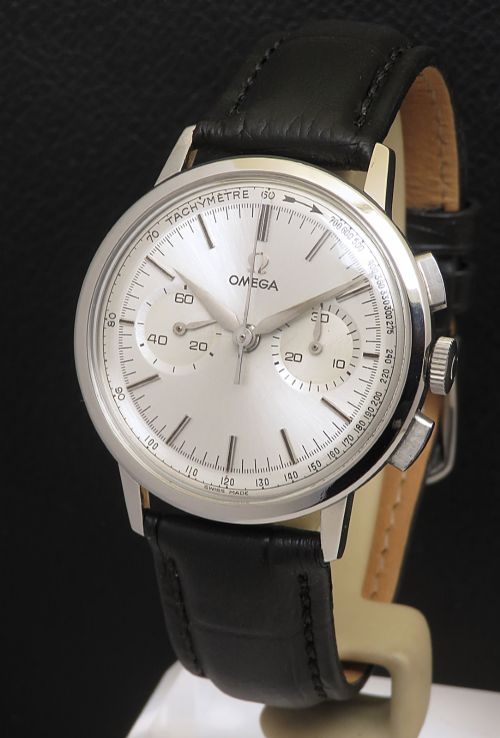
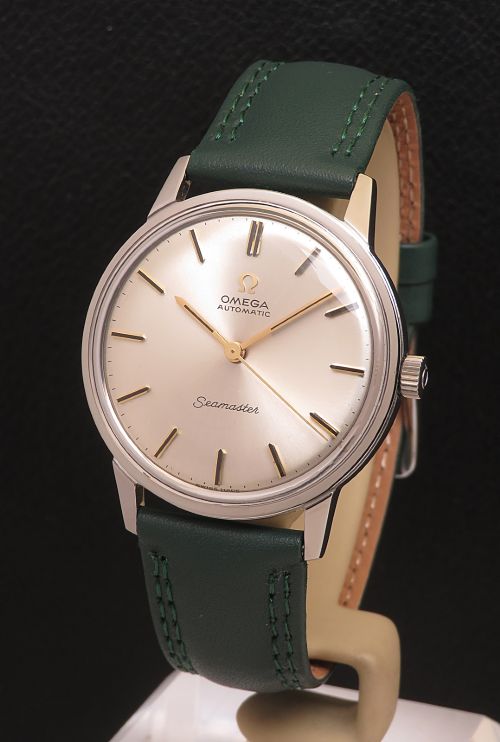
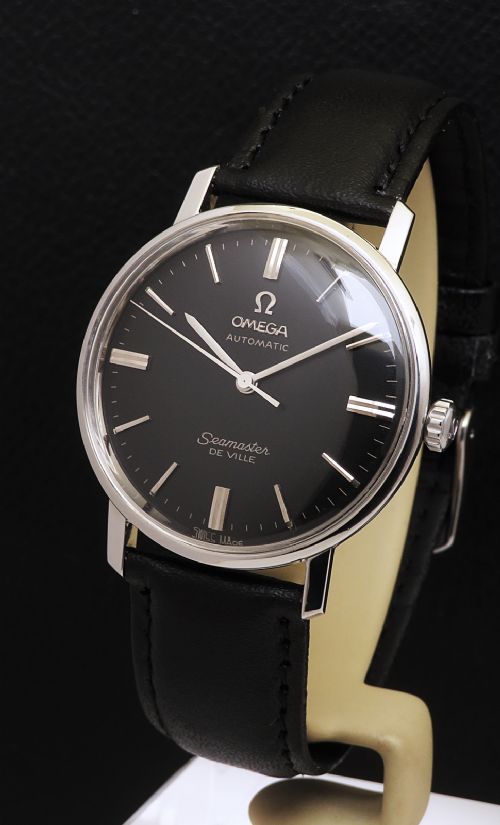
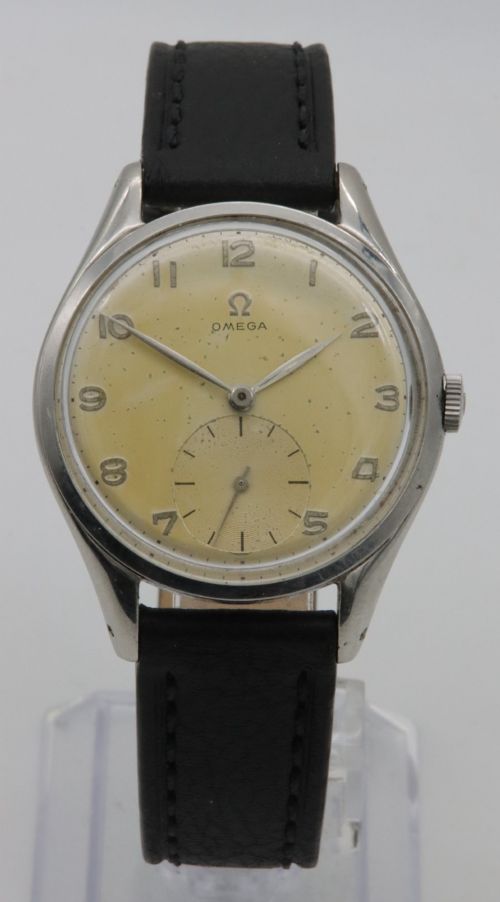
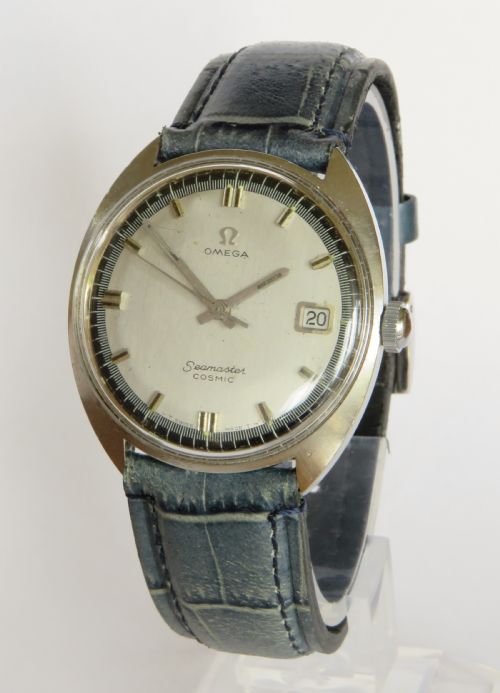
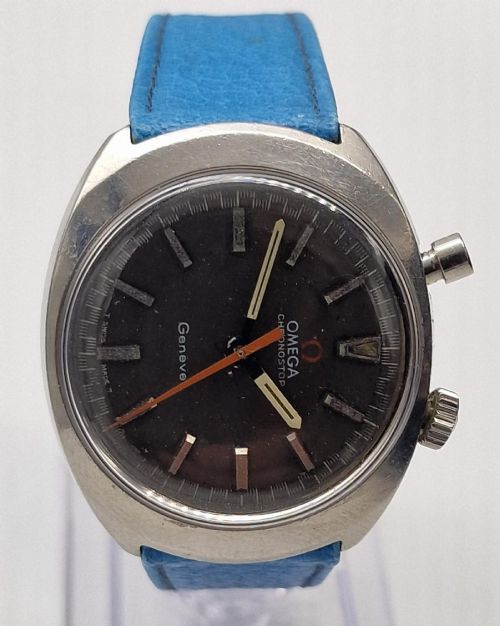
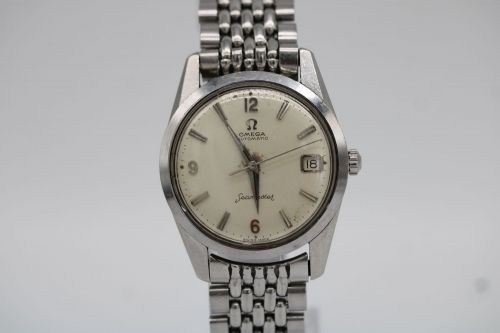
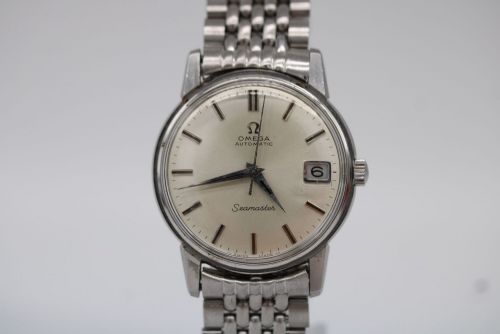
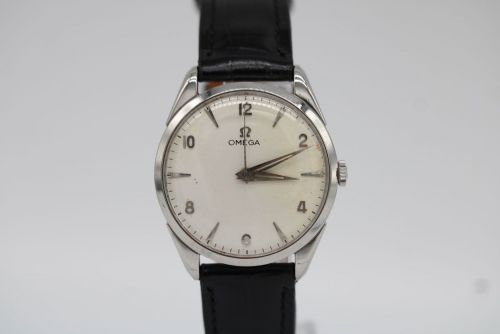
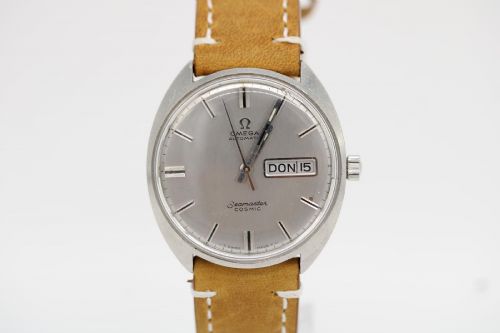
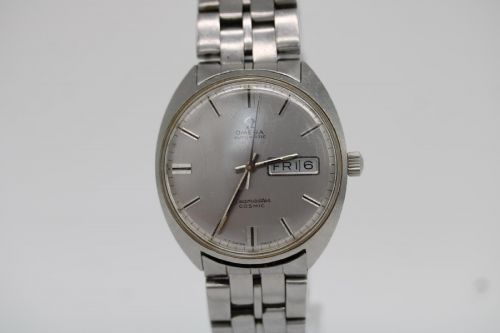
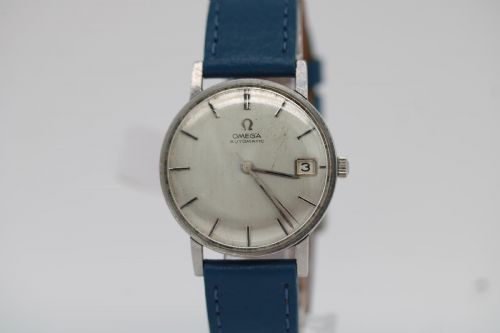
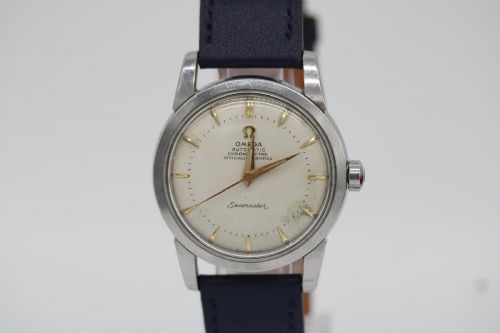
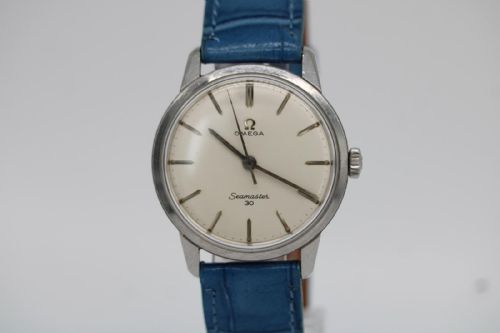
When searching for a stainless steel omega watch, a buyer encounters wristwatches spanning from the 1930s through to the 1960s and later. The selection heavily represents mid-century engineering, with Seamaster, Geneve, and military-issued models appearing frequently alongside jumbo and chronograph variants.
These pieces encompass manual wind, automatic, and bumper automatic movements housed in durable metal cases. The forms range from classic dress watches to specialised pilot and drivers editions produced across several decades.
Materials and construction
Cases are formed from stainless steel, frequently paired with acrylic or acrylic glass crystals protecting the dial. Straps utilise leather to complement the metal housing.
Movements rely on precision metal gear trains and calibres, often featuring subsidiary seconds or central sweep seconds. Dials incorporate applied markers, printed indices, and varied patination developed over years of exposure.
Listings feature stainless steel cases paired with leather straps and acrylic glass across decades ranging from the nineteen-thirties to the late nineteen-sixties.
Distinctions in quality
Quality separates pieces by the originality of their components, such as dials, crowns, and movement calibres. Unaltered dials with authentic patina rank above those subjected to heavy repainting or non-standard parts replacement.
The precision of the movement and the crispness of case edges, especially on jumbo or military references, define the upper echelon of surviving examples. Professional servicing and mechanical integrity further divide standard daily wearers from collector-grade items.
Omega
The Stainless Steel Omega Watch Glossary
- Calibre
- The specific internal movement model designation created by the manufacturer. This identifier helps date the production and verify the authenticity of the mechanical parts inside the case.
- Bumper automatic
- An early self-winding movement design where a weighted rotor swings back and forth against springs rather than rotating fully. This mechanism creates a distinct physical tap on the wrist during wear.
- Jumbo
- A term used by collectors to describe watches with larger case diameters for their era, typically measuring thirty-five millimetres or more. These pieces are sought after for modern proportions.
- Patina
- The natural ageing, discoloration, or oxidation that occurs on dials, hands, and metal components over decades. Uniform ageing is often prized by collectors for displaying historical authenticity.
- Chronograph
- A wristwatch equipped with a stopwatch function alongside standard timekeeping display. These models utilise additional sub-dials and pusher buttons on the case exterior.
Stainless Steel Omega Watch: Frequently Asked Questions
How do I date my watch?
Dating relies primarily on matching the serial number stamped on the internal movement or case back against production ledgers. Reference numbers also provide specific manufacturing windows for models like the Seamaster.
External styling cues, such as logo typography, hand shapes, and bracelet types, help narrow down the decade of manufacture when documentation is absent.
What is a military issue watch?
Military issue models were commissioned by government branches, such as the British RAF, for service personnel during and after the Second World War. These watches feature specific case back engravings, broad arrow markings, and high-legibility dials.
Collectors value these pieces for their strict adherence to utilitarian specifications and documented historical deployment.
How should I maintain a vintage movement?
Mechanical movements require periodic cleaning and lubrication by a skilled watchmaker to prevent wear on the metal gears. Avoiding strong magnetic fields and impacts helps preserve the internal regulation.
Manual wind models should be wound gently at a consistent time each day, while automatic versions benefit from regular wear or appropriate storage on a watch winder.