



Staffordshire Pottery Dish
These Staffordshire pottery dish options span centuries of earthenware production, offering collectors transfer-printed scenes and practical serving vessels for the table.
Staffordshire Pottery Dish
A Staffordshire pottery dish encompasses a wide variety of utilitarian and decorative ceramic forms originating from the potteries of England. These pieces primarily emerge from the eighteenth, nineteenth, and early twentieth centuries, reflecting changing domestic habits and dining customs.
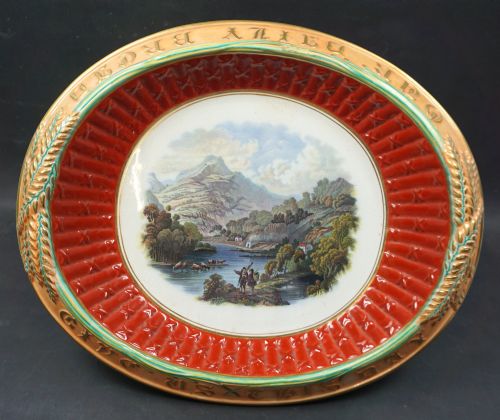
Makers and regional potteries utilised earthenware, pearlware, creamware, and stoneware to shape these items. Collectors frequently encounter Georgian and Victorian periods represented through historical views, oriental scenes, and pastoral subjects.
How they were made
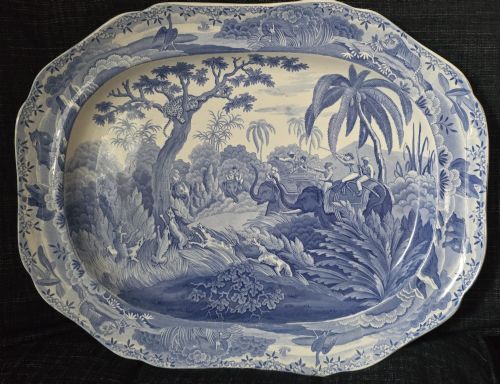
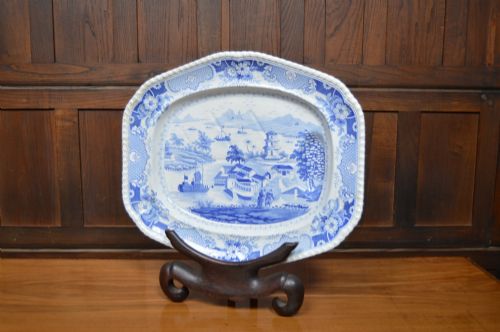
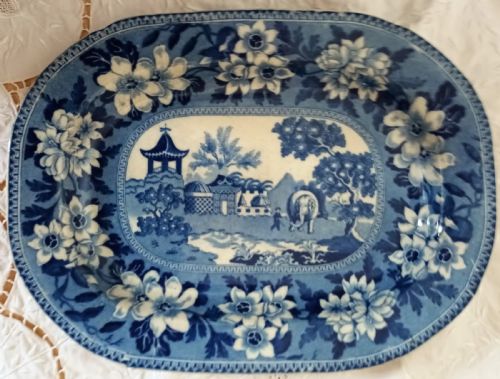
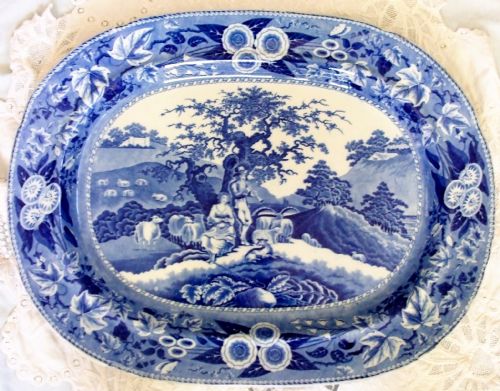
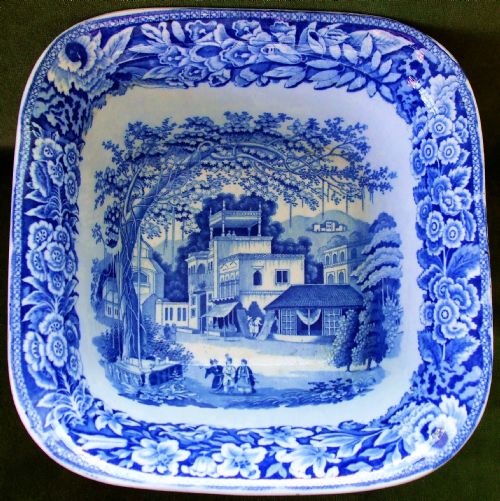
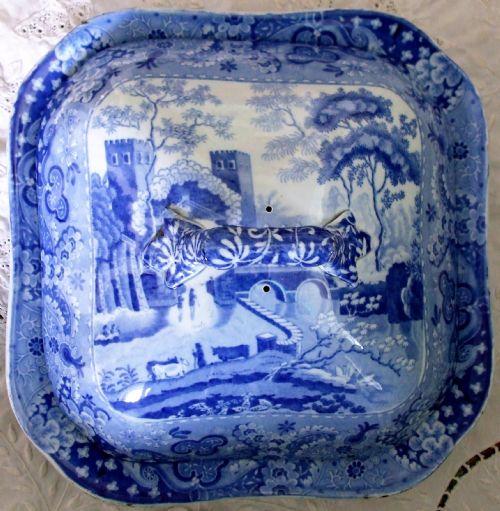
Potters shaped local clays into plates and platters using moulds and the potter's wheel before applying liquid glazes containing lead or tin. Cobalt pigment provided the deep blue colour for transfer-printing, a technique where engraved copper plates transferred detailed designs onto paper and then onto the ceramic surface.
Early wares often relied on pearlware bodies with subtle bluish glaze pooling, while later Victorian items incorporated transferware, majolica glazes, and jasperware applications. Firing took place in bottle kilns, where skilful control determined the final hardness and vitrification of the ceramic body.
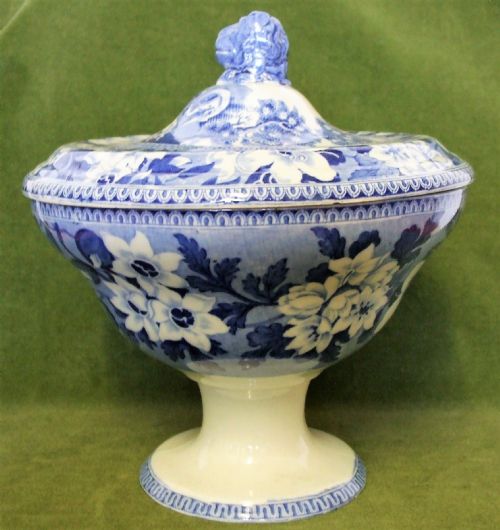
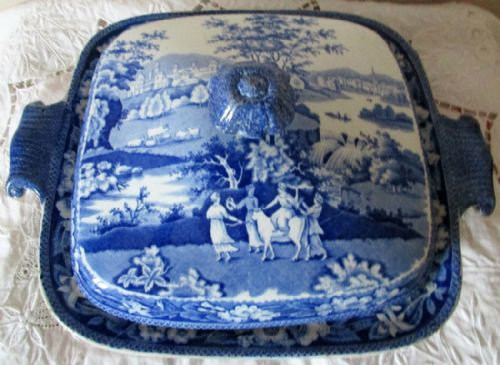
Listings feature earthenware, pearlware, and stoneware bodies from the eighteenth and nineteenth centuries, including transferware plates and figural tureens.
What varies in quality
The clarity and crispness of the transfer-printed design indicate the precision of the initial copper engraving and the transfer process. Smudged lines or blurred cobalt pigment separate standard production items from sharper, more detailed impressions.
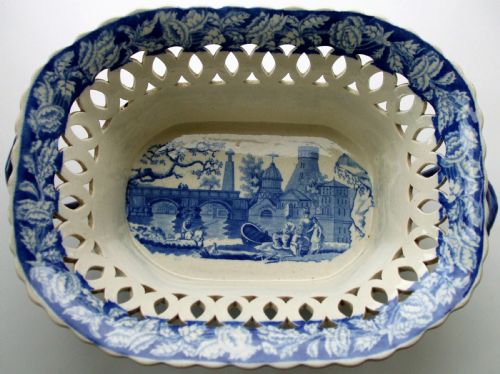
Modelling sharpness in moulded forms, such as figural tureens or basketweave edges, dictates the visual impact of the piece. Well-defined relief work and even glaze coverage without excessive pooling demonstrate higher manufacturing skill.
J. & R. Clews·John Rogers and Son·John and Richard Riley·John Davenport·Thomas Forester and Sons
The Staffordshire Pottery Dish Glossary
- Pearlware
- A refined earthenware developed by Josiah Wedgwood and other potters featuring a slightly bluish glaze that gave the white body a brighter appearance. This material was widely used for blue and white transfer-printed tableware.
- Transferware
- Pottery decorated by transferring a printed design from an engraved copper plate onto paper and then onto the unglazed or bisque ceramic. It allowed complex pictorial scenes to be produced rapidly in quantity.
- Prattware
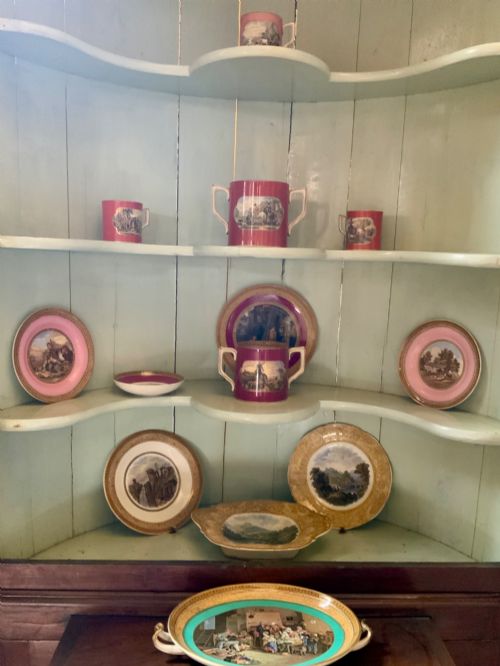
- Earthenware associated with Felix Pratt and other Staffordshire potteries, characterised by underglaze ceramic colours such as ochre, blue, brown, and green. Pieces frequently depict figures, historical events, or pastoral landscapes.
- Charger
- A large decorative plate or platter intended primarily for display or ceremonial service rather than everyday dining. These sizeable vessels showcase extensive transfer-printed landscapes and historical views.
- Creamware
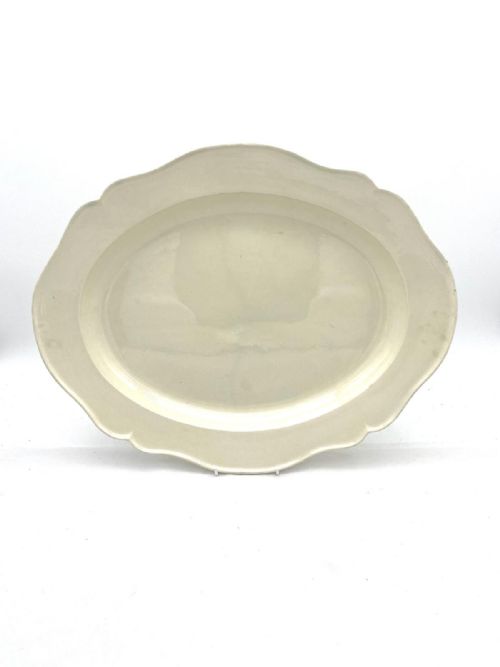
- A fine earthenware with a warm, yellowish cream-coloured glaze perfected during the eighteenth century. It served as a versatile canvas for painted and moulded table services.
Staffordshire Pottery Dish: Frequently Asked Questions
How do I identify a transferware pattern?
Transferware patterns are identified by examining the pictorial scene, border motifs, and any printed or impressed marks on the underside. Manufacturers often named views after specific locations or literary themes.
Matching the central motif and distinctive geometric or floral borders helps pinpoint the Staffordshire pottery and the active period of the design.
How were these dishes used originally?
These ceramic vessels fulfilled various roles at the dining table, from serving meats on large platters to containing soups and vegetables in covered tureens. Smaller plates handled individual courses.
Decorative bowls, chestnut baskets, and figural egg crocks also adorned dining rooms, combining practical utility with visual display during formal meals.
How do I care for antique pottery?
Antique earthenware requires gentle handling and should be washed by hand in lukewarm water using mild soap when necessary. Dishwashers and harsh detergents damage historical glazes and exposed ceramic bodies.
Displaying pieces away from direct sunlight and sudden temperature fluctuations helps preserve the glaze stability and prevents crazing over time.