

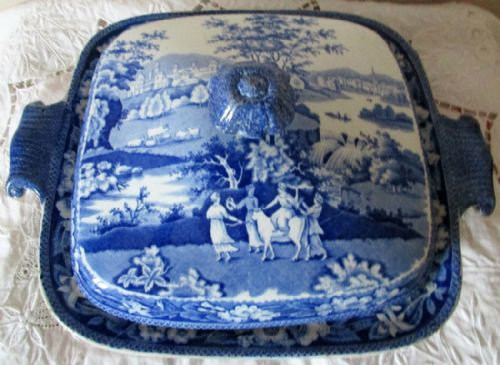


Staffordshire Pearlware Dish
These staffordshire pearlware dish selections offer a tangible link to early ceramic artistry, prized by collectors for their striking blue and white transfer designs.
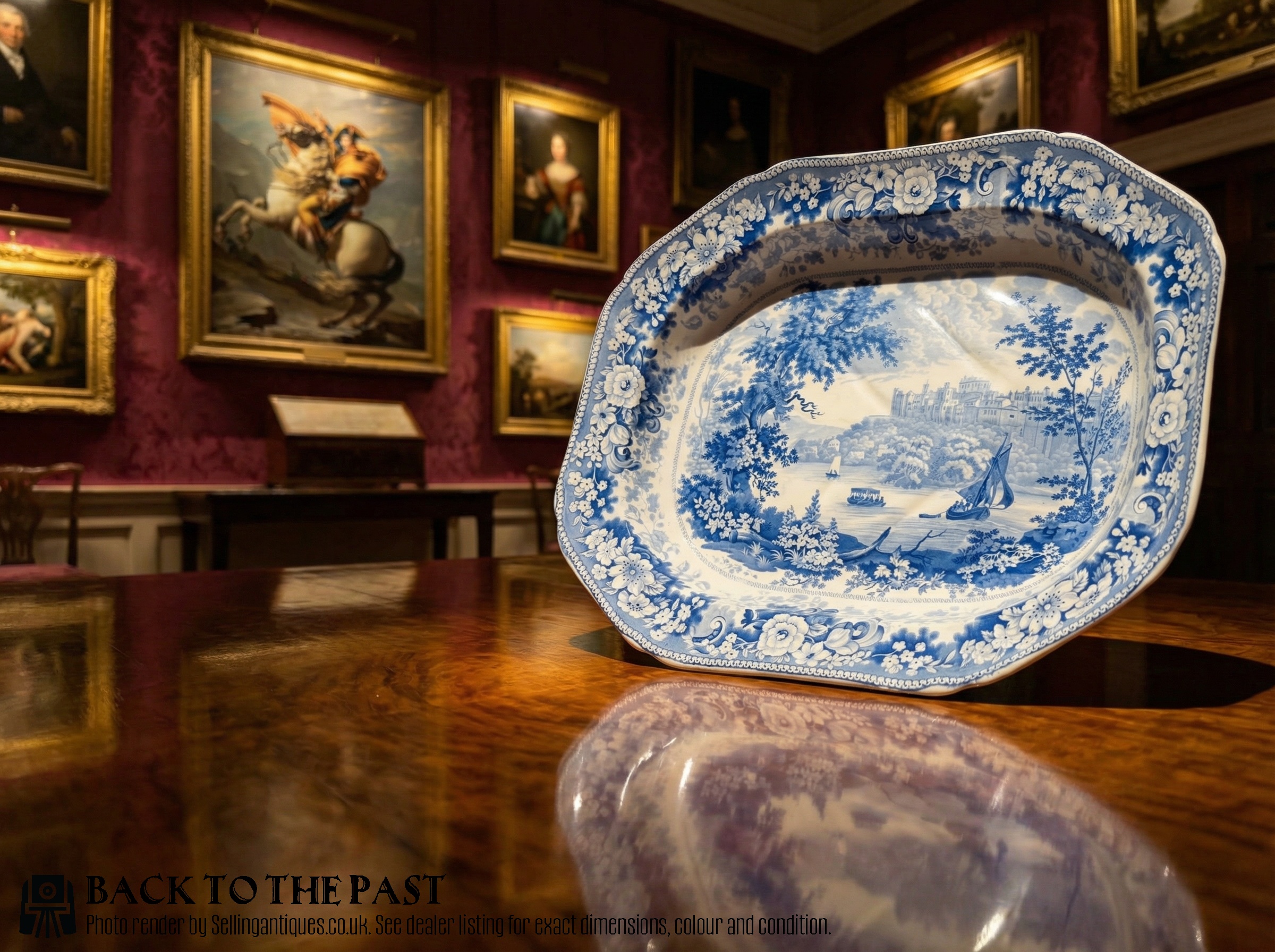
Staffordshire Pearlware Dish
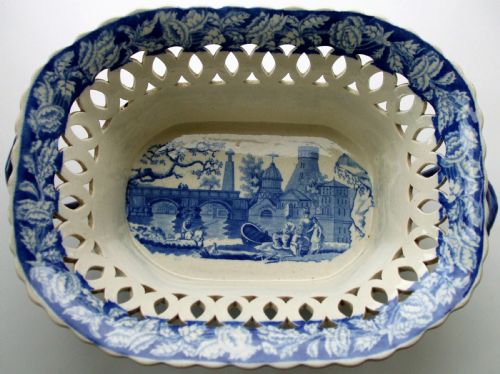
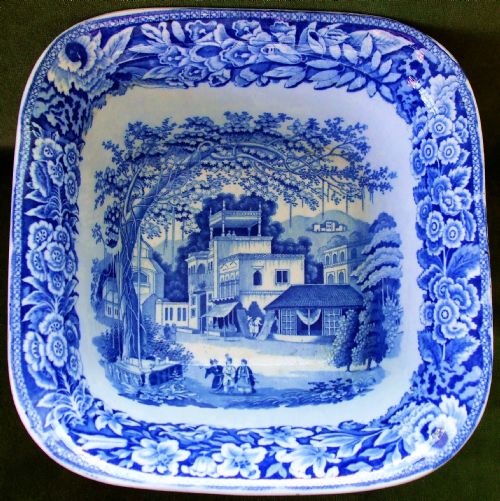
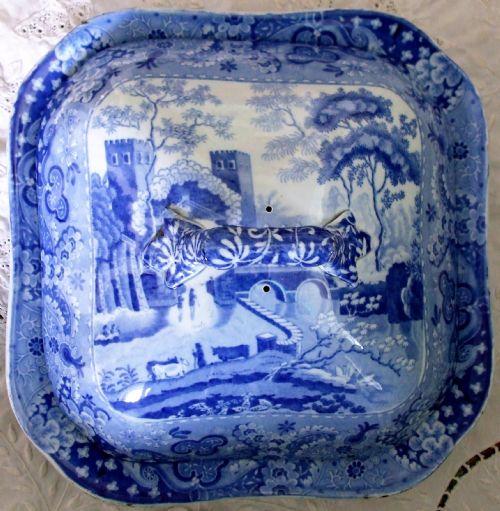
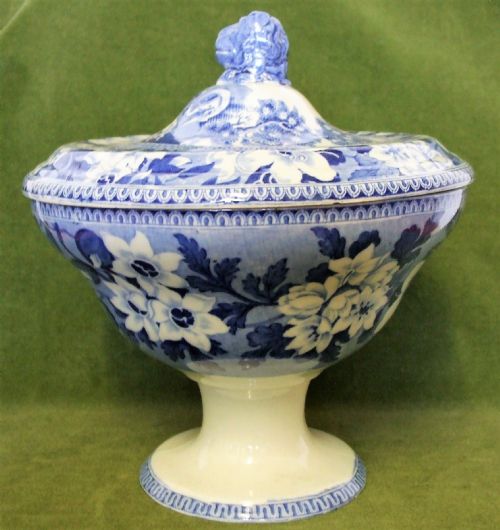
A staffordshire pearlware dish represents the evolution of refined earthenware from the Georgian and Victorian eras, primarily taking the form of plates, platters, tureens, and bowls. These pieces emerge from the ceramic heart of England, bearing narrative transfer-printed patterns that depict landscapes, architecture, and exotic scenes.
The objects on this page span the late eighteenth and nineteenth centuries, capturing periods such as the Regency and early Victorian eras. Buyers encounter functional serving vessels and decorative plates that demonstrate the immense breadth of Staffordshire production during this industrial epoch.
How They Were Made
Potters shaped these vessels from refined earthenware, applying a subtle bluish glaze over the ceramic body to mask the natural cream tone and mimic the appearance of Chinese porcelain. Cobalt glaze was then utilised in transfer printing, allowing workshops to press intricate copperplate engravings onto the damp clay surface before firing.
The combination of earthenware bodies and specialised glaze techniques created the characteristic pearlware finish seen across these plates and tureens. Artisans managed complex kilns to achieve the deep blue tones associated with these transfer patterns.
The selection includes specific transfer patterns named after historical views, animals, and classical literary themes.
What Varies in Quality
The sharpness and clarity of the transfer-printed pattern define the visual hierarchy of these ceramics, distinguishing crisp architectural lines from blurred or smudged applications. Depth of cobalt colour and the evenness of the glaze across complex forms like tureens and baskets further separate standard utilitarian output from masterworks.
Moulding fidelity in embossed edges, such as feather-edged plates or shaped serving platters, indicates the care taken during production. Pieces that maintain structural integrity alongside vivid, well-centered transfer scenes represent the pinnacle of the maker's art.
J. & R. Clews·J. & R. Riley·John Rogers & Son·Stubbs·William Adams·Brameld & Co.·John Davenport
The Staffordshire Pearlware Dish Glossary
- Pearlware
- A refined earthenware developed in Staffordshire that uses a subtle cobalt-tinted glaze to achieve a whiter appearance than creamware. This material formed the basis for the majority of blue and white transfer-printed ceramics of the period.
- Transfer printing
- A decoration technique where an engraved copper plate transfers a design onto paper, which is then pressed onto the unfired ceramic body. This method allowed Staffordshire potteries to produce detailed pictorial scenes consistently across large editions.
- Tureen
- A deep covered serving vessel designed for soups, vegetables, or sauces, often accompanied by a matching platter. These form some of the most substantial and decorative items in pearlware collections.
- Comport
- A raised dish or bowl used for serving fruit or sweets as part of a formal table setting. They typically sit on a pedestal base and feature intricate transfer-printed borders.
- Feather edge
- A moulded border design on plates mimicking the delicate barbs of a feather, frequently enhanced with blue or green pigment. This decorative edge is a hallmark of late eighteenth and early nineteenth-century Staffordshire earthenware.
Staffordshire Pearlware Dish: Frequently Asked Questions
What is pearlware?
Pearlware is a refined type of earthenware developed by Staffordshire potters to bridge the gap between traditional creamware and expensive Chinese porcelain. Its defining characteristic is a thin glaze containing a small amount of cobalt, which pools in crevices to give the ceramic a faint bluish-white tint.
This innovation allowed British manufacturers to produce affordable, durable tableware that could successfully compete with imported porcelain through intricate blue and white transfer-printed designs.
How do I date these dishes?
Dating pearlware relies on examining the ceramic body, the shade of the blue glaze, and the style of the transfer-printed border. Earlier pieces from around 1800 tend to feature a deeper bluish glaze, while later Victorian examples drift closer to a whiter, harder ironstone body.
Maker marks stamped or printed on the reverse also provide clues, as do specific pattern names that can be cross-referenced with known operating dates of Staffordshire potteries like Clews or Rogers.
Were these dishes used daily?
Many of these plates, platters, and tureens served functional roles on Georgian and Victorian dining tables for everyday meals as well as formal dinner parties. Large platters with reservoirs were specifically engineered for carving meats, catching juices during the meal.
Over decades of use, tableware accumulated characteristic wear patterns, though pieces surviving today often transitioned into display items once their functional working lives ended.
How should I display pearlware?
Displaying pearlware involves placing pieces where natural light can highlight the depth of the cobalt transfer patterns and the subtle sheen of the glaze. Wall mounting plates securely or arranging platters and tureens within wooden cabinets protects them from accidental knocks.
Keeping ceramics away from direct sunlight preserves the brightness of the earthenware body and prevents any potential stress on the historic glaze.