
Staffordshire Earthenware Pitcher
A Staffordshire earthenware pitcher brings character to a table, offering tangible pieces of Georgian and Victorian social history.
Staffordshire Earthenware Pitcher
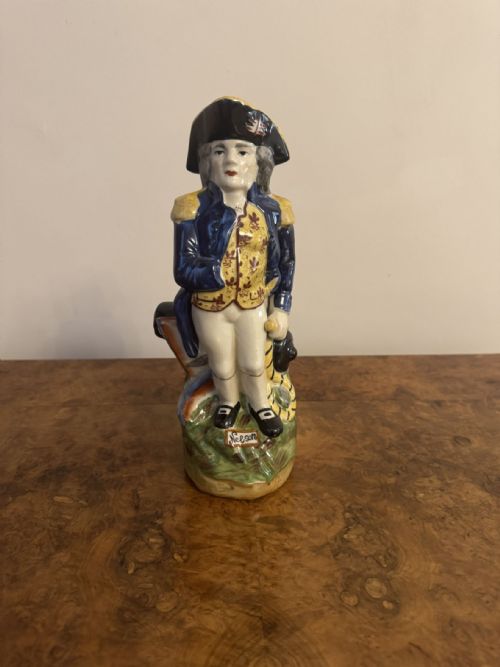
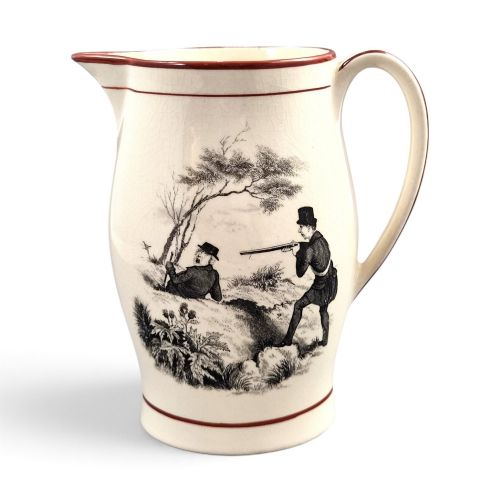
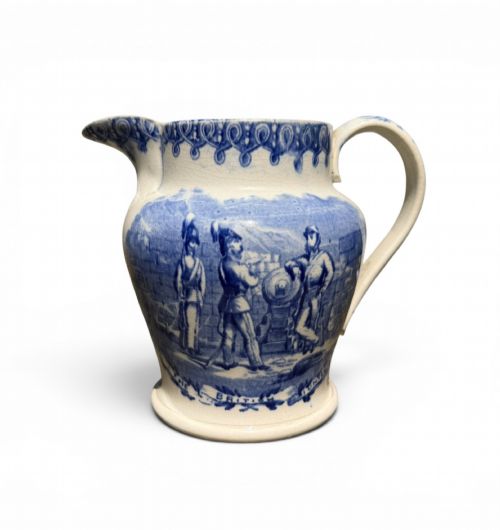
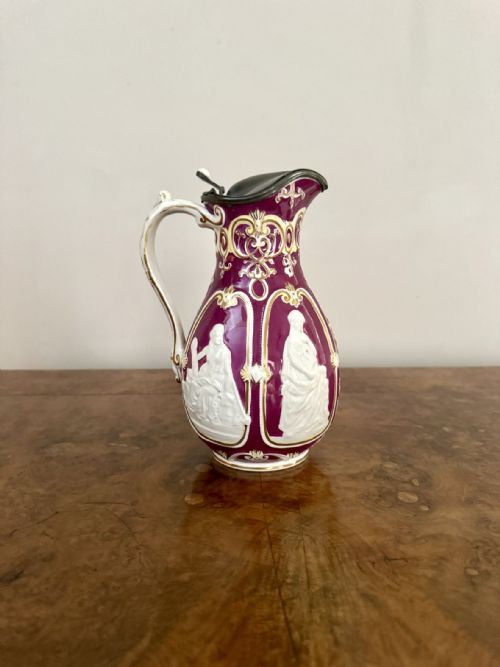
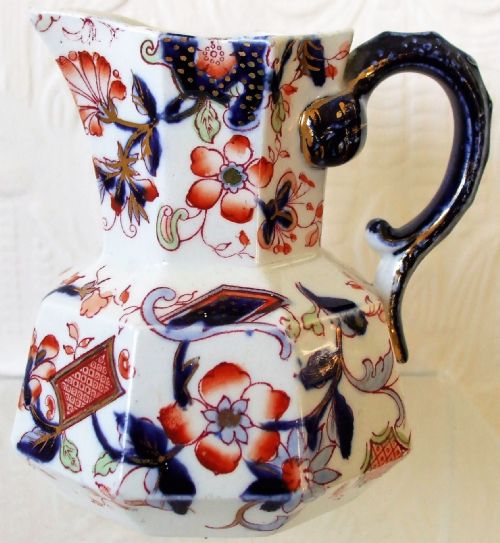
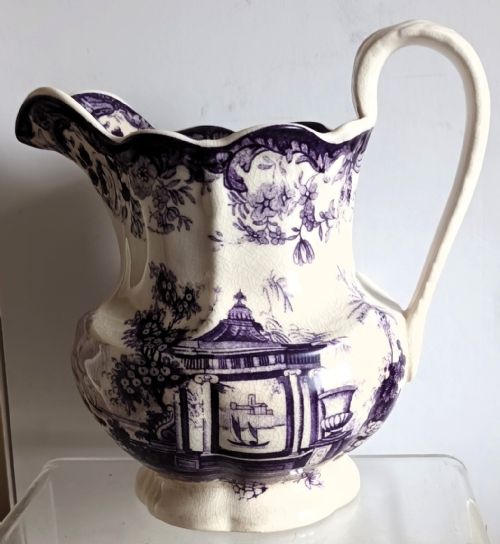
A Staffordshire earthenware pitcher spans practical vessels and characterful figural pottery made across the Georgian, Regency and Victorian eras. Buyers encounter commemorative pieces, transfer-printed jugs, Toby jugs, and dairy-related forms such as cow creamers.
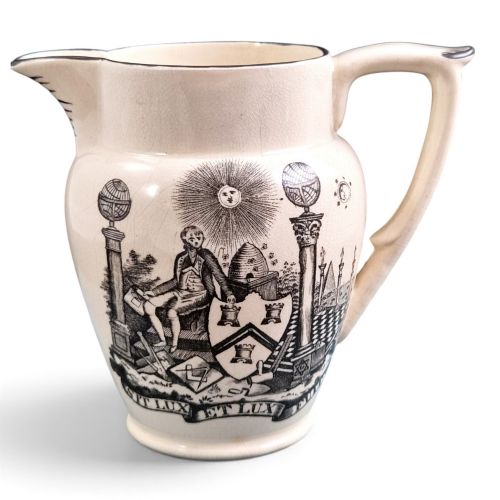
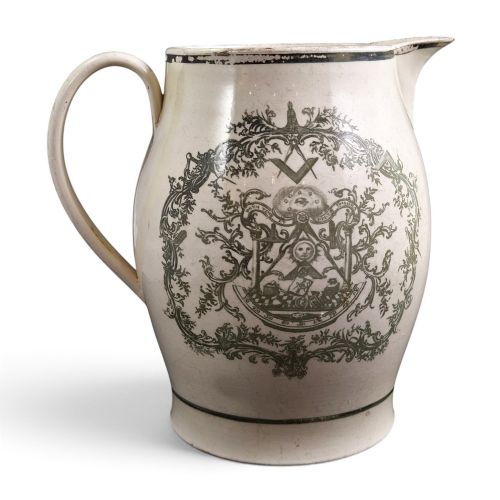
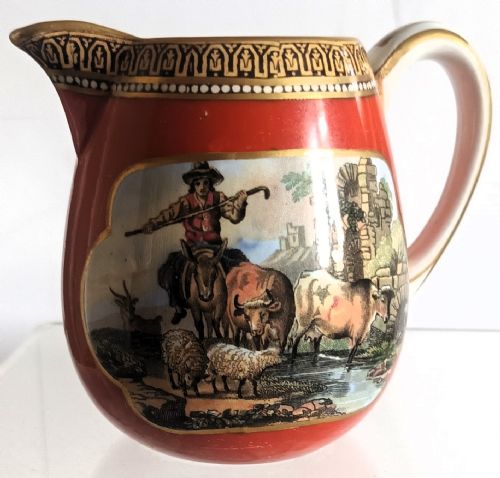
The selection ranges from early creamware and pearlware jugs decorated with black or blue transfer prints to later Victorian copper lustre, majolica, and flow blue examples. These objects record past events, fraternal orders, and domestic life through robust ceramic forms.
Materials and production methods
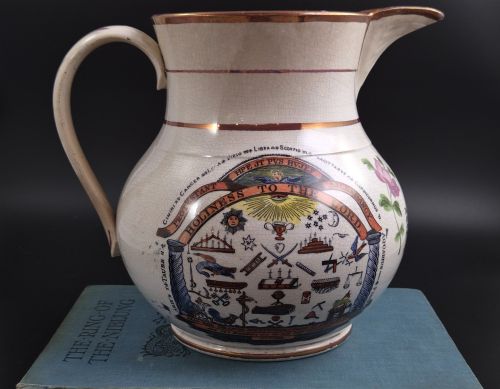
Potters utilised earthenware, creamware, and pearlware as bodies, shaping vessels through moulding, cabbage leaf texturing, or faceted cutting. Glazes sealed the porous clay bodies, while decorative effects relied on polychrome enamels, transfer printing, and copper lustre applications.
Specialised techniques included intricate hand-painting over transfer outlines for commemorative subjects and metallic lustre dipping to achieve rich surface sheens. Potters also applied moulded details separately, such as handles, feet, and figural hats on Toby jugs.
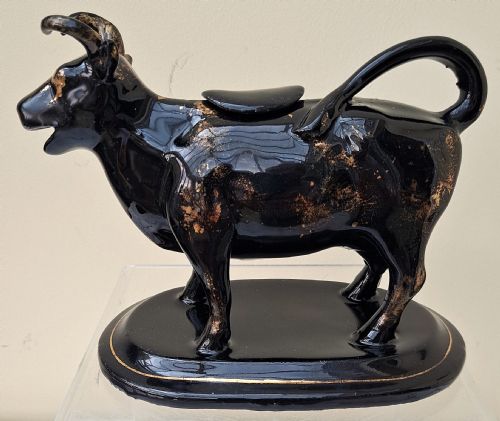
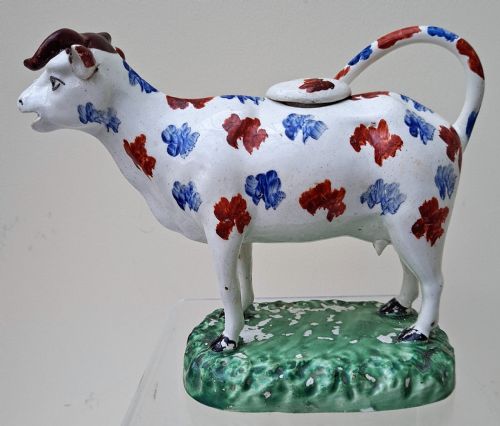
Cow creamers dispense milk directly from the animal's mouth, proving that Staffordshire potters possessed a distinct sense of tabletop humour.
Assessing quality in antique pottery
Quality rests in the crispness of the moulding, the clarity of transfer printing, and the precision of the polychrome enamel or lustre brushwork. Superior pieces retain sharp details on relief-moulded figures and botanical motifs without blurring or running in the glaze.
The weight, wall thickness, and stability of the ceramic body distinguish finer workshop output from utilitarian wares. Well-executed handles and clean foot rims indicate careful finishing before kiln firing.
Keeling And Co·George Jones·Mountford
The Staffordshire Earthenware Pitcher Glossary
- Creamware
- A refined earthenware with a pale yellowish-buff glaze developed in the eighteenth century. It provided a smooth surface suitable for transfer printing and fine painting.
- Pearlware
- An improved earthenware body containing a small amount of cobalt in the glaze to produce a bluish-white tint. It bridged the transition from creamware to whiter nineteenth-century ceramics.
- Transfer print
- A decorative technique where a design is engraved on a copper plate, inked, and transferred to paper before being pressed onto the ceramic biscuit. This allowed complex scenes to be reproduced consistently.
- Toby jug
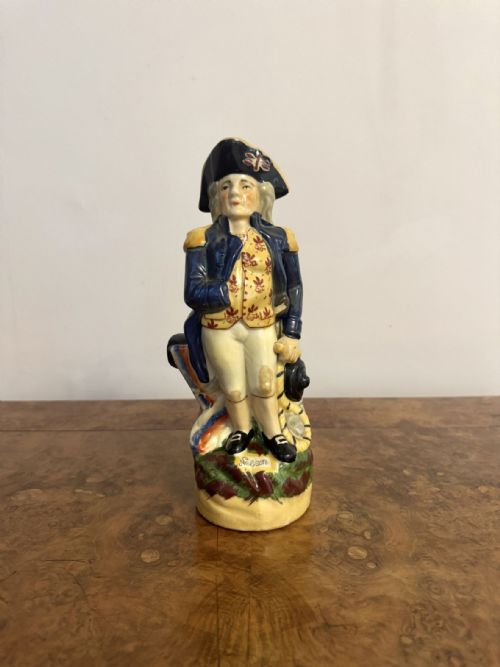
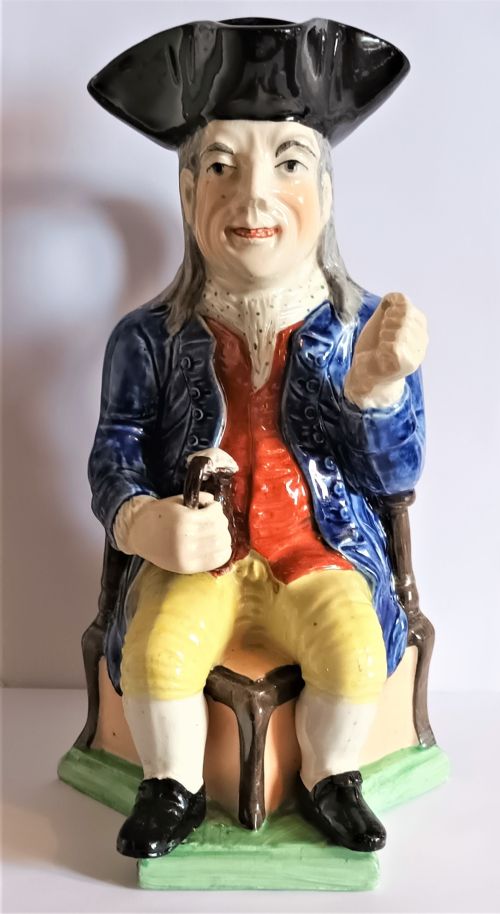
- A pottery jug shaped as a full-length seated figure, typically a jovial person holding a jug and mug. These figural pieces became a staple of Staffordshire production.
- Copper lustre
- A metallic glaze finish that imparts a reflective, coppery sheen to the ceramic surface. It was popular on nineteenth-century jugs and tea wares.
- Flow blue
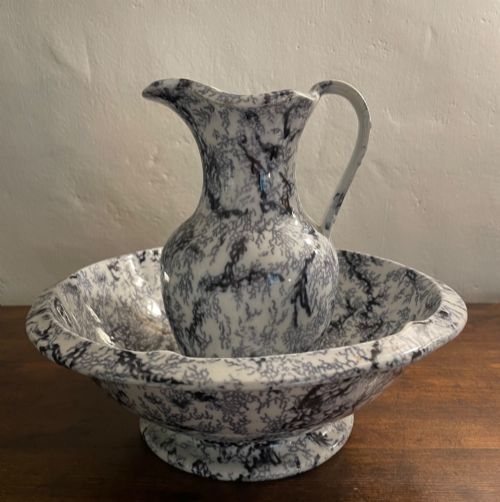
- A Staffordshire printing style where cobalt blue ink deliberately bled into the surrounding white glaze during firing. This created a soft, blurred effect reminiscent of Chinese porcelain.
Staffordshire Earthenware Pitcher: Frequently Asked Questions
How do I date a Staffordshire jug?
Dating relies on body composition, such as creamware versus later Victorian earthenware, alongside glaze characteristics and transfer print subjects.
Historical commemoratives and stylistic details like cabbage leaf moulding or copper lustre finishes also help narrow the period of manufacture.
Are these pitchers safe for serving liquids?
While many historical jugs were made for functional use at the table, antique ceramics can develop hairline cracks or weakened glazes over centuries.
Most collectors treat older earthenware as decorative display items to preserve the glaze and any delicate enamel painting.
What is a Toby jug?
A Toby jug depicts a stout, cheerful character, usually wearing a tricorn hat and holding a mug of ale or a pipe.
Staffordshire potters produced numerous variations representing historical figures, fictional personalities, and regional archetypes.
Why do some jugs feature Masonic symbols?
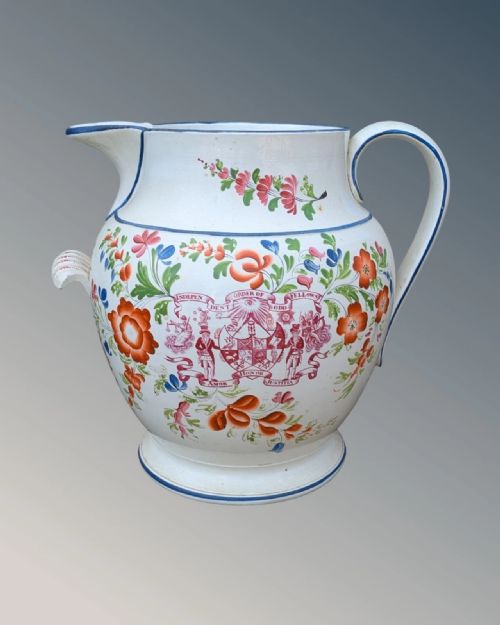
Fraternal organisations commissioned commemorative ceramics for members to celebrate lodges, events, and shared values.
Transfer-printed creamware jugs frequently recorded these Masonic and Oddfellows associations with detailed emblems and inscriptions.