




Square Top Stand
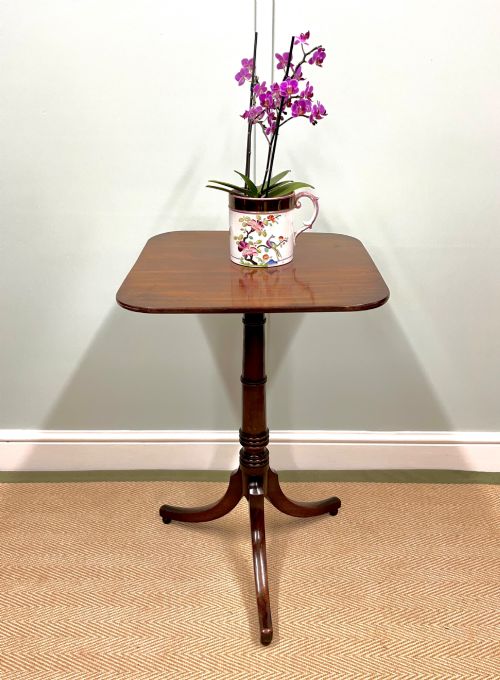
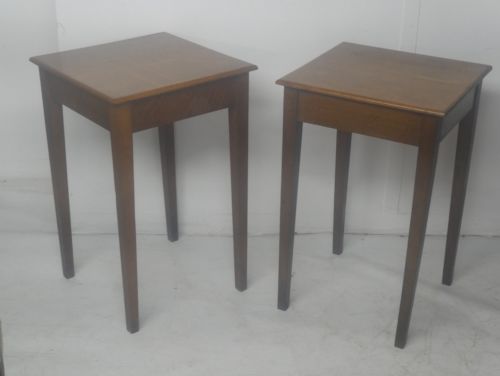
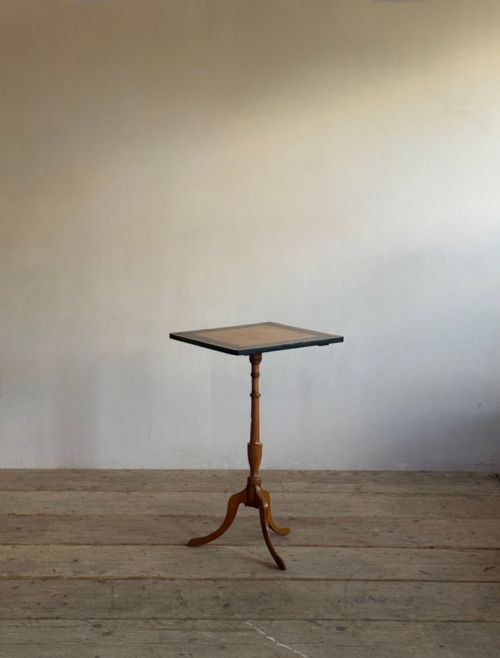
These square top stand examples are compact occasional tables and plant supports built to hold lamps, ceramics, and small objects in domestic rooms.
Square Top Stand
When you search for a square top stand, you encounter a variety of compact occasional tables, plant supports, and bedside pieces originating from the Georgian period through to the Edwardian era. These items fulfil simple domestic functions, serving as surfaces for lamps, vases, and small decorative objects in sitting rooms and bedrooms.
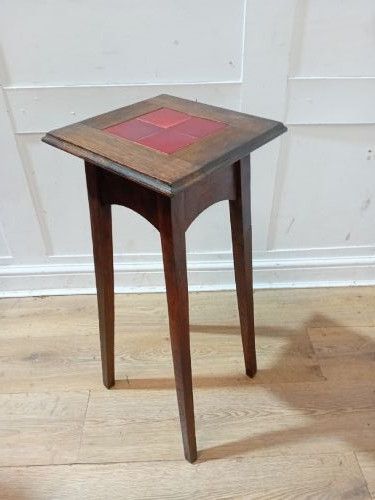
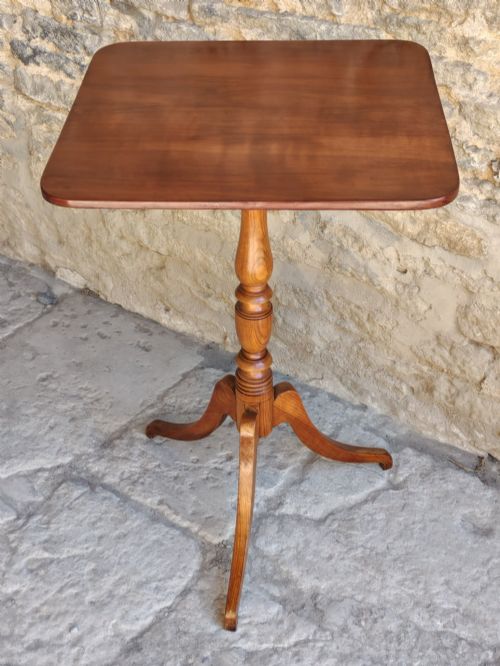
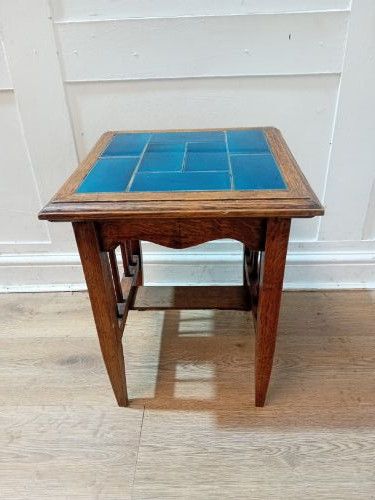
The pieces appearing most frequently on this page are mahogany and oak tables from the Georgian and nineteenth-century periods, alongside plant stands incorporating marble or ceramic tiles. You will find both simple country pieces in fruitwood and alder root, and more formal urban designs with tripod bases or gallery tops.
Makers and workshops across Britain and Europe produced these stands to fit tight corners and narrow spaces between seating. Their compact surface areas and sturdy upright forms make them practical additions to modern rooms that require functional furniture with historical character.
How they were made
Cabinetmakers constructed these stands using dense timbers such as mahogany, oak, and fruitwood, often turning central columns on lathes and joining tops with pegged or glued joints. Carpenters selected figured veneers for formal occasional tables while utilising solid native hardwoods for utilitarian plant stands.
Alternative materials appear in specific forms, including brass, gilded iron, and marble or ceramic tile inserts designed to resist moisture from potted plants. Artisans also applied decorative techniques such as penwork surface decoration and applied mouldings to enhance the visual appeal of simpler frames.
Square Top Stand Retail Price Guide 2026
Typical asking prices for square top stand among the pieces listed under this phrase on Sellingantiques today, from the lower quarter to the upper quarter. They describe what is for sale here now, not the wider market.
Some nineteenth-century makers used alder root for table tops, turning swamp timber into swirling tabletop patterns.
What varies in quality
The distinction between standard utility items and finer pieces lies in the selection of timber and the precision of the joinery. Superior examples display carefully chosen wood grain, well-proportioned turned columns, and stable tripod or four-legged bases that sit firmly without rocking.
Refinement of detail marks the upper tier of these pieces, seen in crisp edge mouldings, integrated gallery rails, and decorative inlays or penwork. Simpler country workshop pieces rely on straightforward construction methods and robust functional forms rather than intricate ornamentation.
Baillie Scott
The Square Top Stand Glossary
- Tilt top table
- A table with a mechanism that allows the top to pivot to a vertical position when not in use. This design saved floor space in smaller period rooms.
- Tripod table
- A small freestanding table supported by a central pillar resting on three legs. These forms became popular during the eighteenth century for serving tea or holding candlesticks.
- Jardiniere stand
- A tall furniture piece designed specifically to display a potted plant or flower arrangement. They frequently incorporate waterproof surfaces like marble or ceramic tiles.
- Gallery top
- A raised rim or border fitted around the edge of a table surface to prevent items from rolling off. This feature appears on wine tables and kettle stands.
- Occasional table
- A small, movable table intended for a specific, transient use in a living space. They include lamp tables, side tables, and small display stands.
Square Top Stand: Frequently Asked Questions
Where should I place a square top stand?
These compact stands suit corners, beside armchairs, or next to beds where surface space is limited. Their modest footprints allow them to fit into narrow gaps between larger pieces of furniture.
They provide a convenient platform for reading lamps, small clocks, or drinking glasses without dominating the floor plan of a room.
How do I care for wooden surfaces?
Maintain timber surfaces by dusting regularly with a dry cloth and applying natural wax periodically to nourish the grain. Avoid placing items directly onto the wood if they might scratch the finish or leak moisture.
Keep these tables away from direct heat sources and strong sunlight to prevent the timber from warping or the finish from fading over time.
Are marble top stands heavy?
Stands featuring inset marble or ceramic tiles carry more weight at the top than standard timber tables. This stone insert provides a stable, heat-resistant surface originally intended for plants or hot vessels.
When moving these pieces, lift them from the main frame beneath rather than the top to protect the structural joints.
How do I identify a Georgian stand?
Georgian stands typically display proportioned mahogany or fruitwood frames, often featuring central turned pedestals and tripod legs. Cabinetmakers of this period focused on clean lines and balanced forms.
Examine the construction methods underneath the top to observe period-appropriate joinery techniques and timber ageing.