





Square Brass Clock
A square brass clock brings together heavy timber cases and engraved metal dials, offering timepieces built to last centuries.
Square Brass Clock
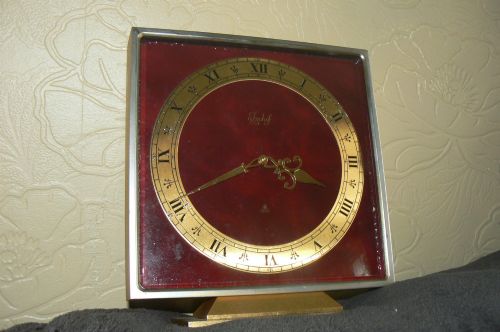
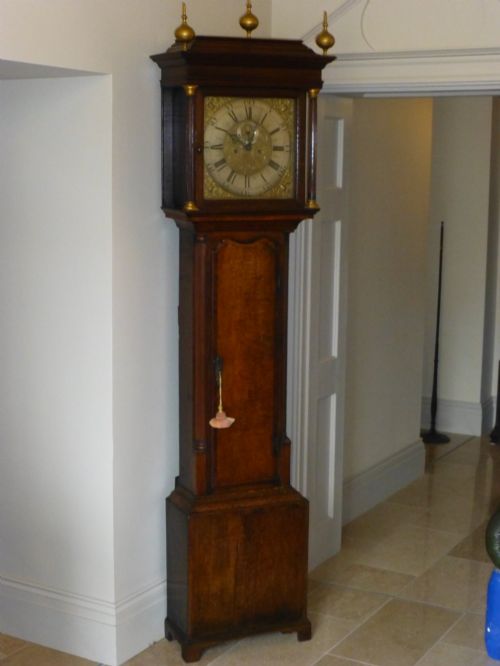
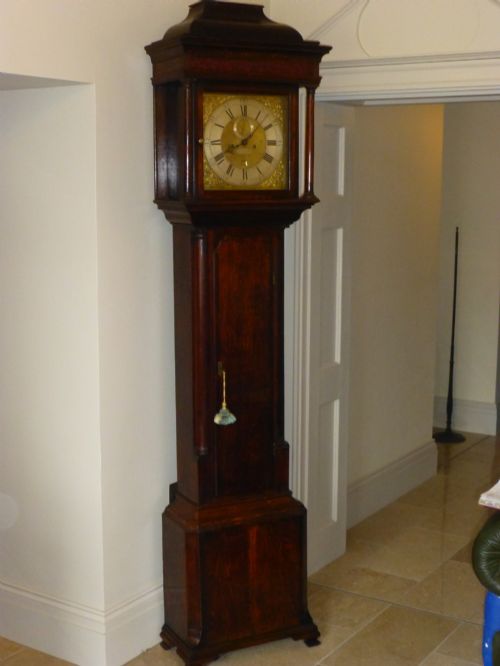
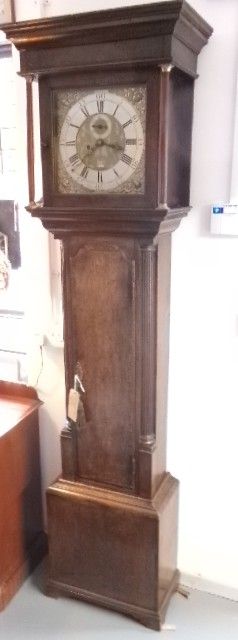
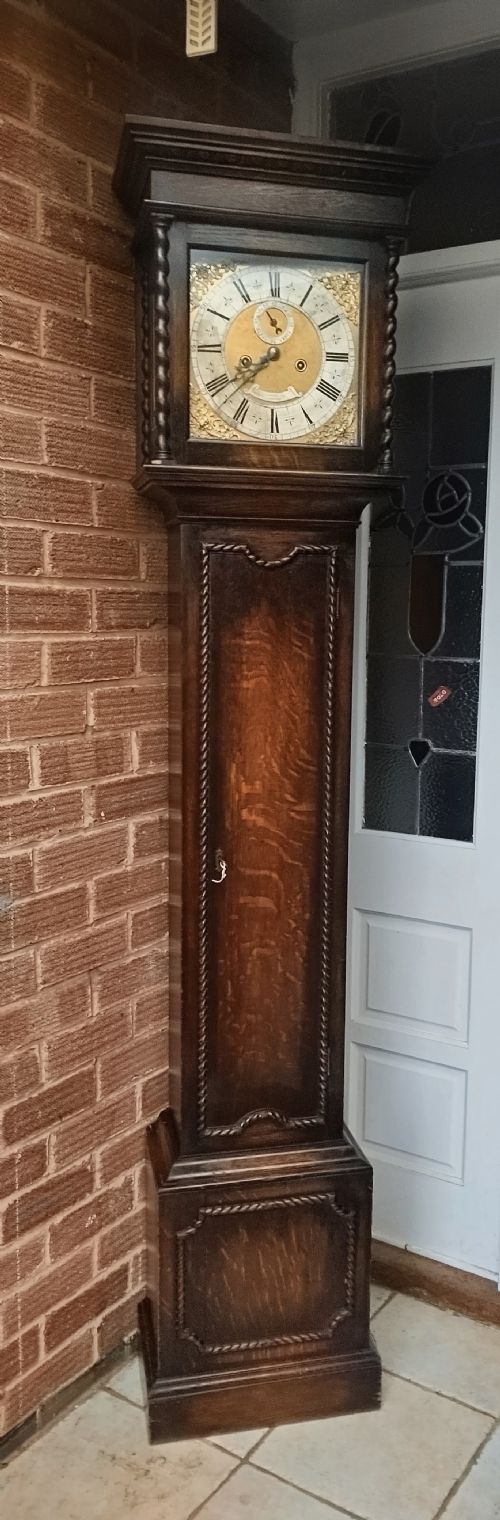
When you search for a square brass clock, you encounter tall longcase clocks and smaller mantel or desk pieces spanning the seventeenth to the twentieth century. The longcase format dominates this selection, housed primarily in oak, walnut, or mahogany cases.
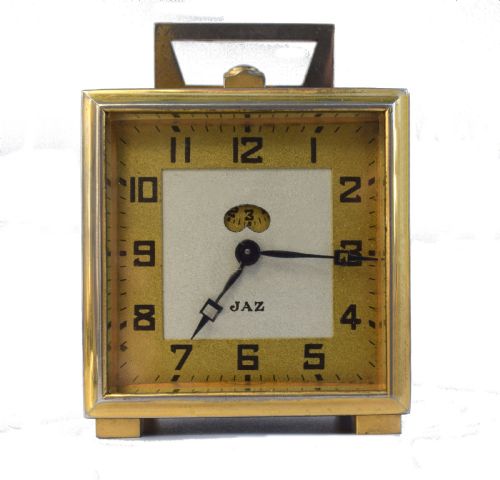
Makers housed these square metal dials in regional vernacular longcases alongside sophisticated London architectural cases. You meet eighteenth-century thirty-hour and eight-day movements alongside later twentieth-century desk and alarm formats.
How square brass clock pieces were made
Craftsmen cast and engraved brass for the square dials, mounting them within solid timber carcases of oak, walnut, and mahogany. Cabinetmakers utilised veneers like burr walnut and ebonised wood to accent the primary timber structures.
Movements relied on brass gear trains, sometimes driven by weights in tall floor cases or fusee springs in smaller desk and mantel versions. Glazed bezels and doors protected the metal dials and delicate hands from dust.
Square Brass Clock Retail Price Guide 2026
Typical asking prices for square brass clock among the pieces listed under this phrase on Sellingantiques today, from the lower quarter to the upper quarter. They describe what is for sale here now, not the wider market.
Listings span seventeenth-century panelled ebony longcases up to mid-twentieth-century Swiss atmos clocks and French miniature alarm pieces.
What varies in quality
The precision of the dial engraving and the crispness of the brass casting separate standard workshop production from master London clockmaking. Movement reliability and the original state of the timber case heavily influence the standard of the piece.
Proportion and timber selection dictate visual success, where well-figured walnut or mahogany elevates a plain longcase. Intact original brass spandrels and signed dials indicate a higher grade of historical craftsmanship.
Richard Corless of Stockport·Smith of Chester·Fisher Of Preston·John Rainsford·Elliott of London·John Drew·Henry Berkeley·Jaz·Jaeger Le Coultre·Ed Hemmins·Daniel Lawrence
The Square Brass Clock Glossary
- Longcase clock
- A tall pendulum clock enclosed in a wooden case that stands directly on the floor. These tall structures protect the hanging weights and long pendulum.
- Fusee
- A conical pulley used in spring-driven clocks to equalise the power of the mainspring as it unwinds. This mechanism helps the clock maintain a consistent rate throughout its running period.
- Spandrel
- An ornamental bracket applied to the corners of a square clock dial. Makers cast these in brass, often featuring cherubs or floral motifs.
- Strut clock
- A portable timepiece featuring a hinged prop at the back for standing upright on a desk or mantel. These smaller formats became popular in the twentieth century.
Square Brass Clock: Frequently Asked Questions
How do I wind an old longcase clock?
You pull the chains or use a crank key to draw the heavy weights back up to the top of the trunk.
Take care not to pull the wrong chain or let the weights descend too fast against the internal stops.
Where should I place a square brass clock?
Tall floor models need a sturdy, level wall surface to anchor the heavy wooden trunk securely.
Smaller desk and mantel versions sit comfortably on flat wooden surfaces away from direct heat sources and damp areas.
How do I date a square brass dial?
Early seventeenth and eighteenth-century dials feature engraved corner spandrels and simple chapter rings.
Later Victorian and twentieth-century versions display different mounting techniques and cleaner typography on the brass surface.
What is a fusee movement?
A fusee is a conical drum connected to a cord or chain that regulates the power delivered from the mainspring.
This clever mechanical addition ensures the clock records time consistently as the spring tension gradually decreases.