


Sporting Art Oil Painting
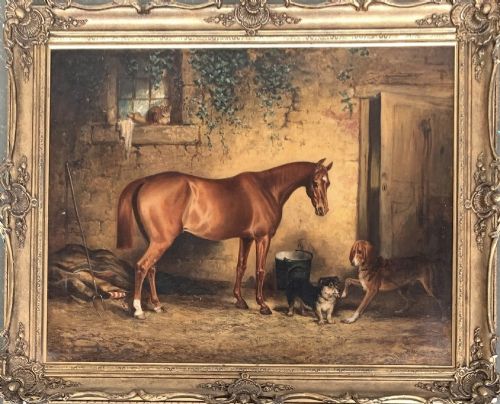
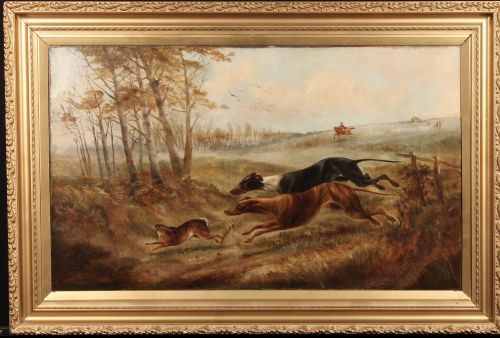
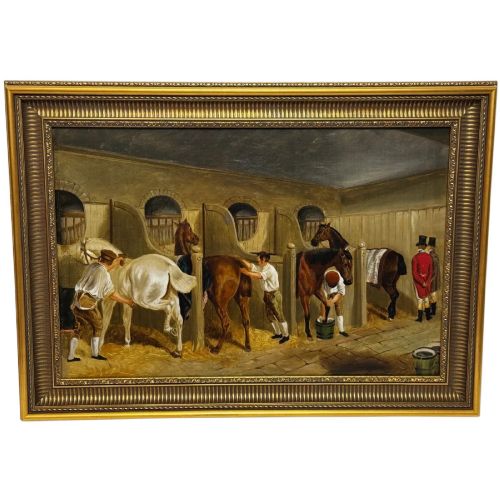
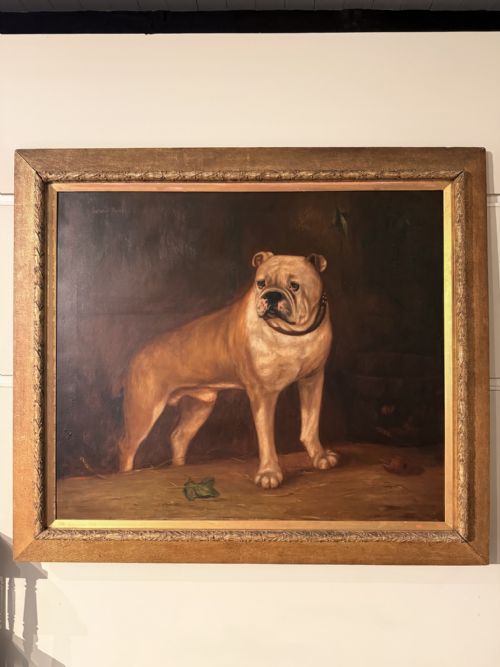
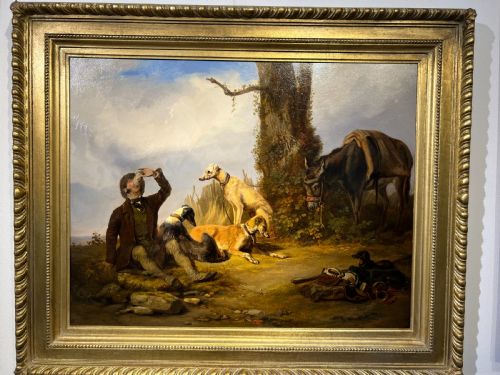
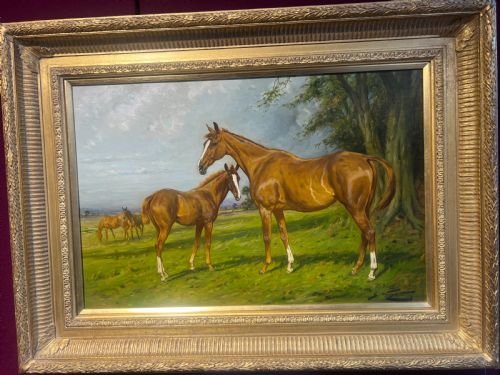
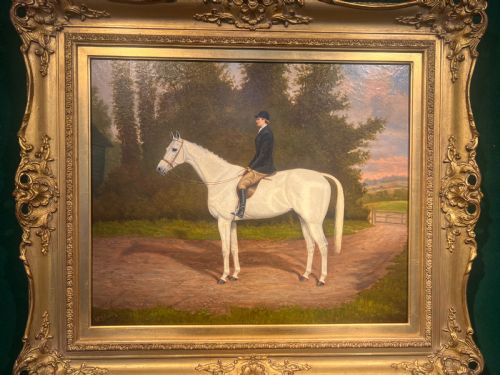
Sporting art oil painting captures the energy of nineteenth-century field sports, equestrian portraits and canine studies.
Sporting Art Oil Painting
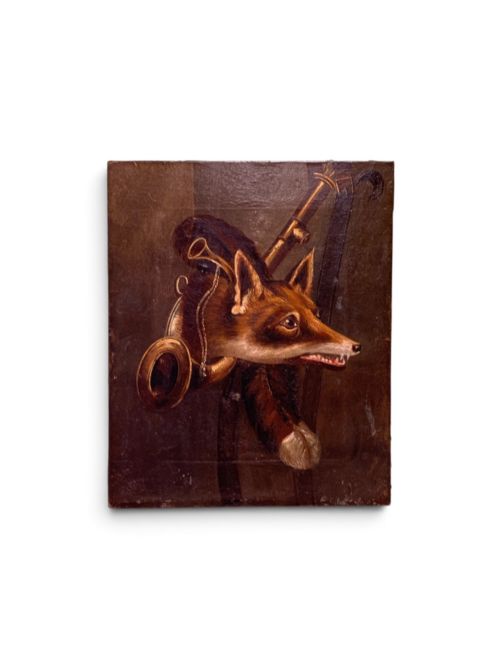
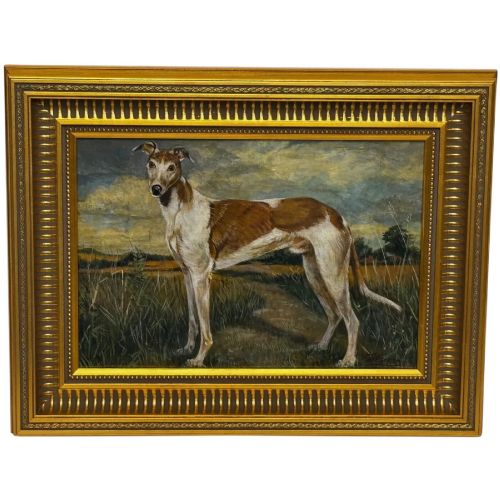
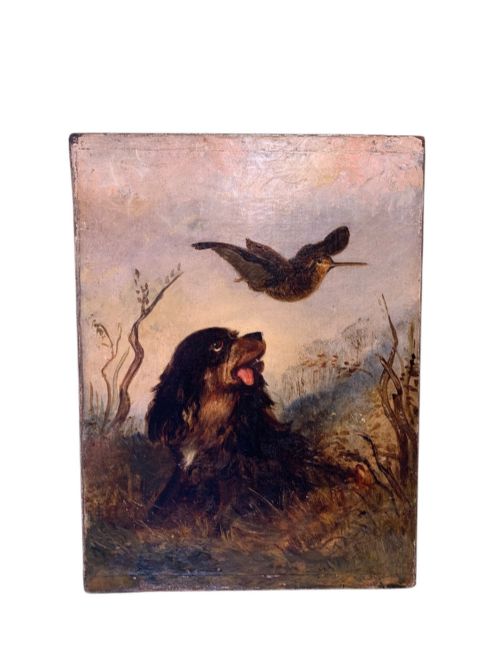
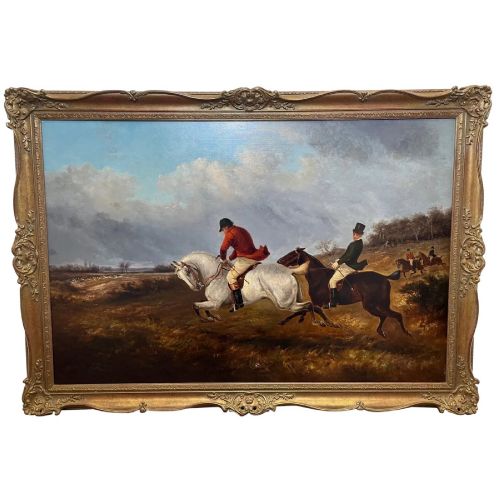
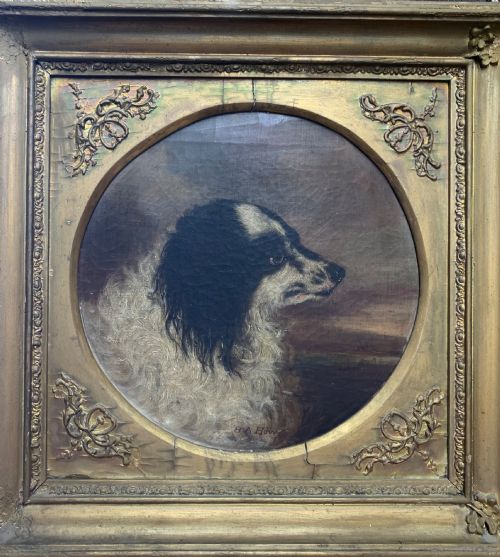
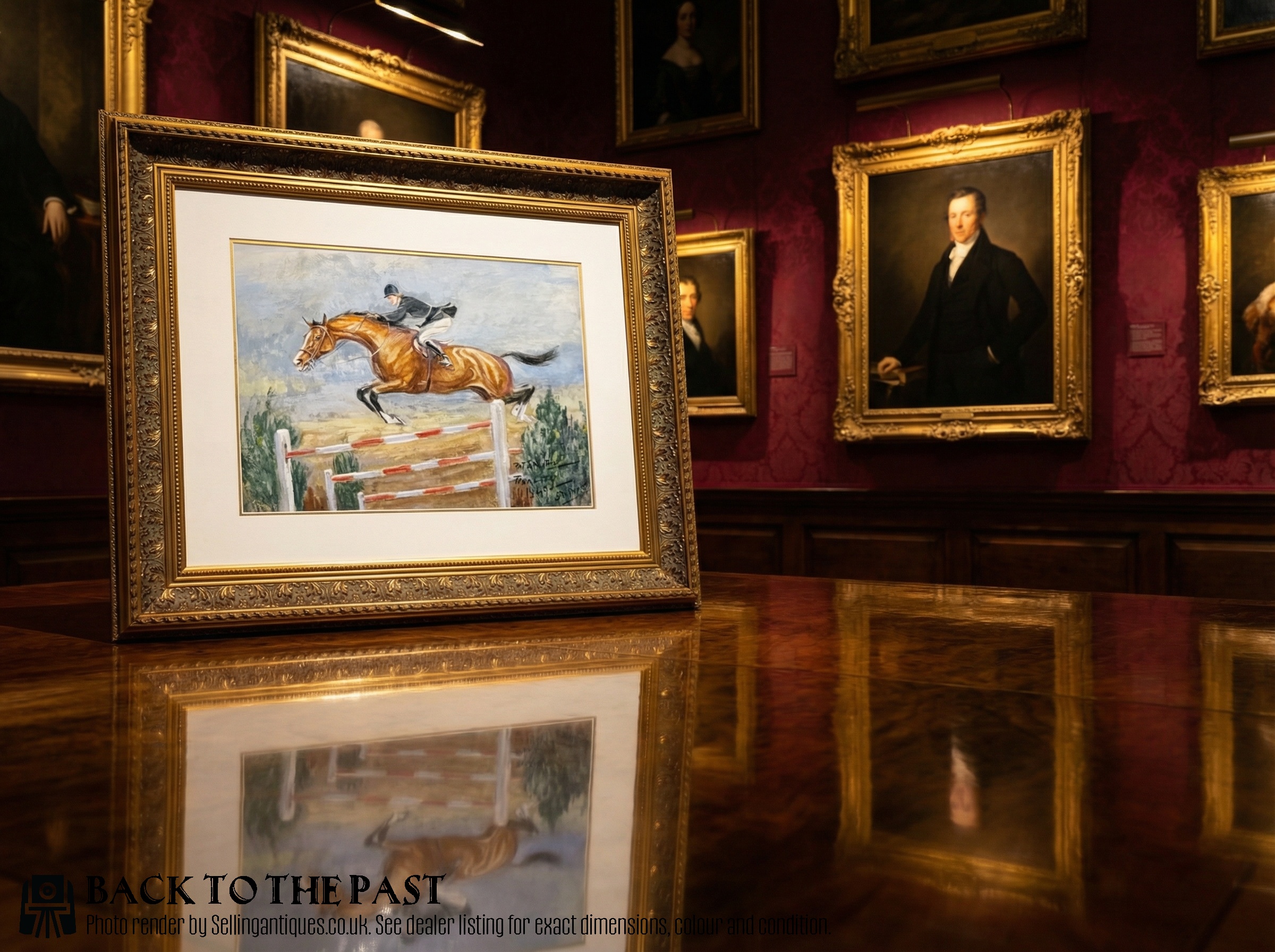
A sporting art oil painting portrays animals, racing scenes, hunting dogs, and countryside pastimes captured across the nineteenth and twentieth centuries. These works celebrate horses, hounds, game and rural pursuits through detailed canvas portraits and expansive landscape settings.
The selections span Victorian canvases depicting heavy hunters and spaniels alongside Edwardian coaching scenes and mid-century racing studies. Many pieces focus on named animals, prize racehorses and gundogs recorded with acute anatomical attention by period specialists.
Materials and construction
Artists applied oil paint directly onto stretched canvas panels, building up rich layers of pigment to render glossy horse coats, textured animal fur and atmospheric rural backgrounds. These works frequently sit within original or period-appropriate wooden frames, often finished in gold leaf or giltwood.
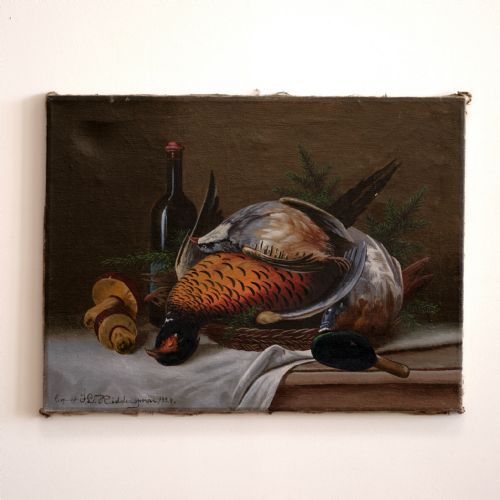
Pigments were worked with fine bristle brushes to achieve precise details in hair, harness leather and feathered game. The underlying support relies on wooden stretchers holding coarse or fine woven canvas, secured with traditional tacks.
Sporting Art Oil Painting Retail Price Guide 2026
Typical asking prices for sporting art oil painting among the pieces listed under this phrase on Sellingantiques today, from the lower quarter to the upper quarter. They describe what is for sale here now, not the wider market.
Listings feature oil on canvas works spanning the Victorian, Edwardian, and mid-twentieth-century periods, focusing on animal and rural subjects.
Variations in quality
Quality rests upon the artist's command of animal anatomy, proportion and movement, distinguishing stiff or generic renderings from spirited, lifelike characterisations. Skilled painters accurately capture tension in a galloping horse or the alert posture of a lurcher.
The treatment of light and background landscape also dictates execution. Superior pieces integrate the subject harmoniously into a natural setting with convincing depth, rather than placing a rigid animal silhouette against a flat backdrop.
George Armfield·Thomas Smythe·Sir Edwin Henry Landseer·George Wright·John Emms·John Ferneley Senior·John Frederick Herring Senior·Alfred Munnings
The Sporting Art Oil Painting Glossary
- Giltwood
- Wood carved and coated with a thin layer of gold leaf or metallic powder to create an ornate frame finish. This technique was widely utilised for framing important nineteenth-century portraits.
- Canvas
- A heavy woven fabric stretched tightly across a wooden frame to serve as the foundation for oil paintings. It provides a stable surface that accepts multiple layers of oil pigment.
- Equestrian
- Pertaining to horses, horse riding, or horse racing subjects. In sporting art, this category covers everything from working farm mares to celebrated turf winners.
- Grisaille
- A painting executed entirely in shades of grey or neutral monochrome, often used as a preliminary underpainting or as a finished decorative study.
Sporting Art Oil Painting: Frequently Asked Questions
What subjects appear in sporting art oil painting?
These works feature horses, hunting dogs, racehorses, fishing scenes, shooting parties, and coaching incidents. The focus rests heavily on valued animals and rural field sports.
Many canvases document specific prize animals, named racehorses, or working gun dogs accompanied by game birds and countryside backdrops.
How do I date a sporting oil painting?
Dating relies on costume details, framing styles, stretcher construction, and signatures or attribution notes inscribed on the canvas reverse. Victorian and Edwardian works often carry distinct stylistic markers in how backgrounds are rendered.
Examining the canvas weave and the type of wooden stretchers provides further physical evidence to help narrow down the decade of creation.
How should I hang these framed paintings?
Giltwood frames require secure wall fixings capable of supporting the combined weight of the heavy wooden structure and canvas. Hang them away from direct sunlight and excessive humidity to protect the oil pigments and gold leaf.
Ensure stable indoor temperatures to prevent the canvas from slackening or the wooden stretcher from warping over time.
What is the difference between equine and coaching art?
Equine art concentrates primarily on portraits of individual horses, racehorses in paddocks, or hunters standing within a landscape. The animal forms the central focus of the composition.
Coaching art depicts horse-drawn stagecoaches, mail coaches, or hunting parties navigating roads and rural tracks, often emphasising movement, vehicles, and multiple animals.