
Splay Leg Table
Splay leg table designs harness outward-angled supports for steady balance, bringing functional utility and enduring grace to dining rooms and parlours alike.
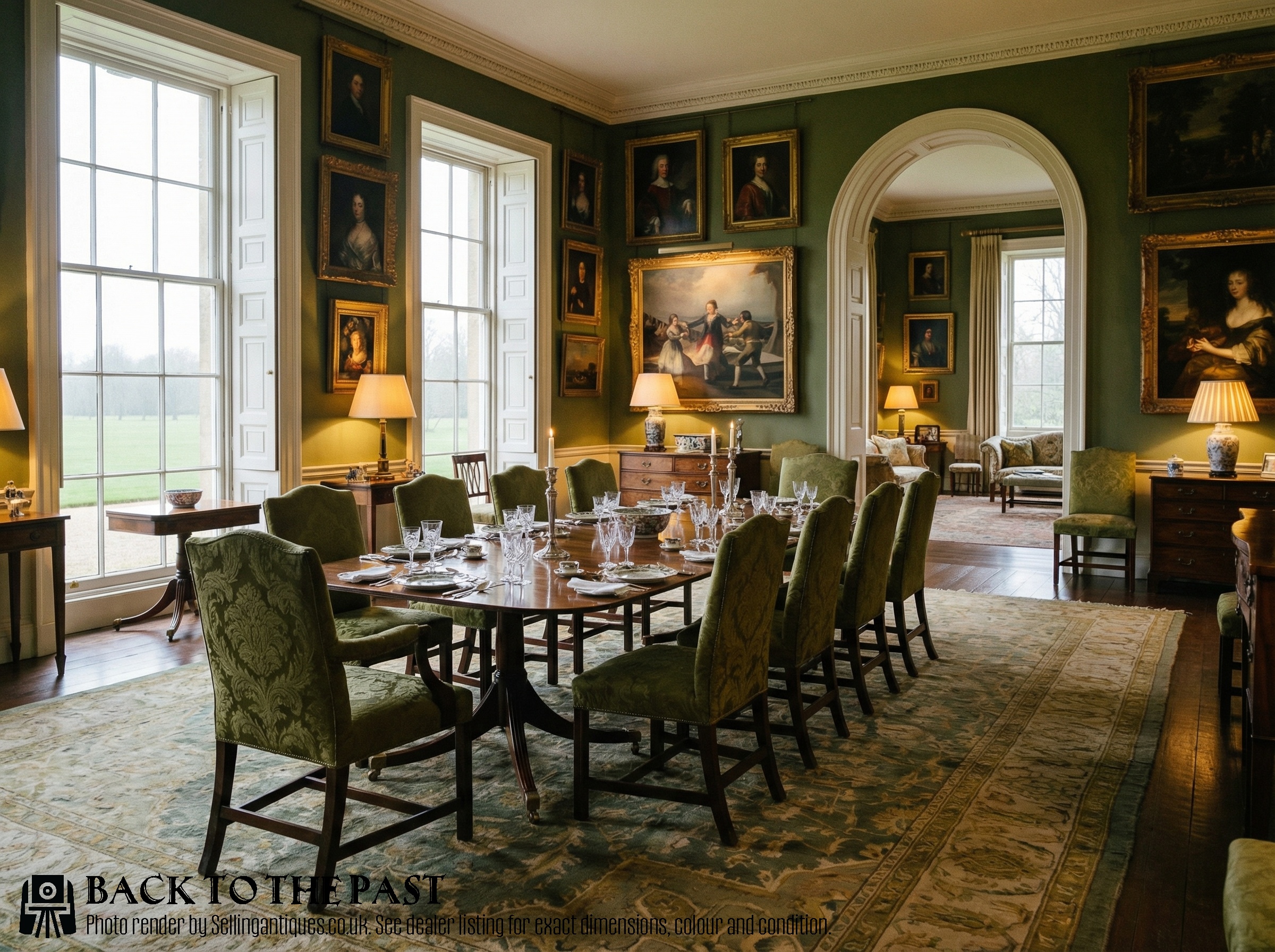
Splay Leg Table
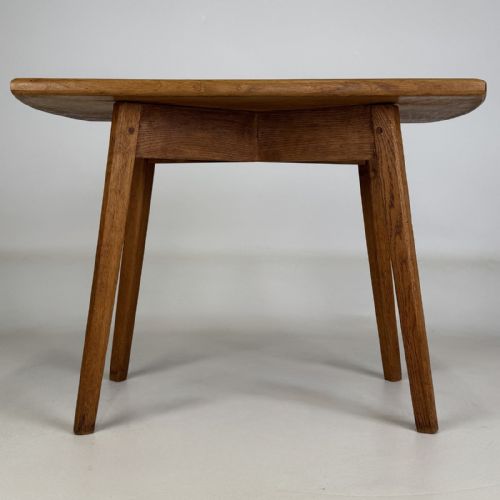
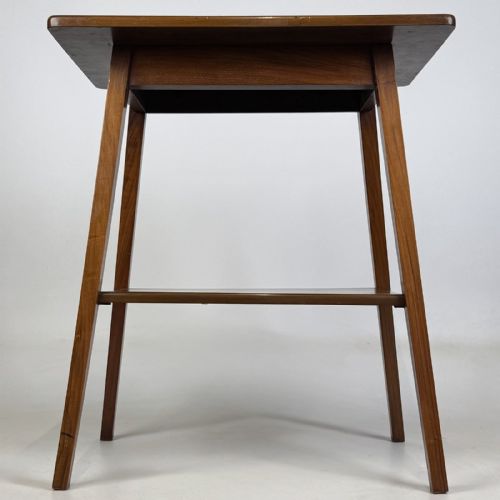
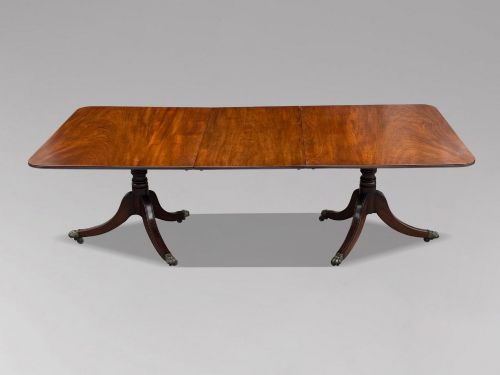
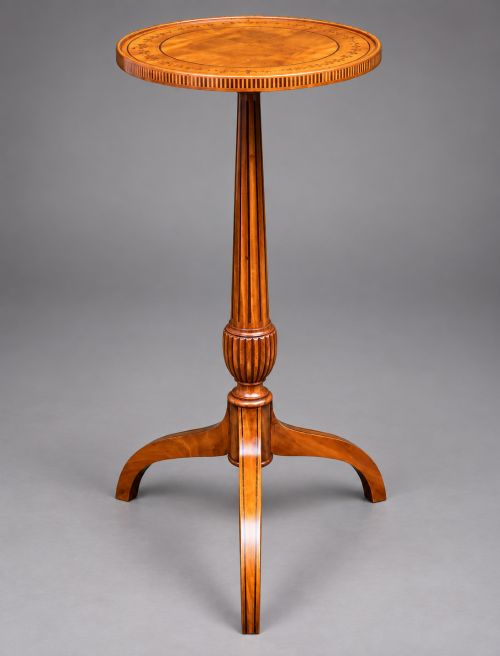
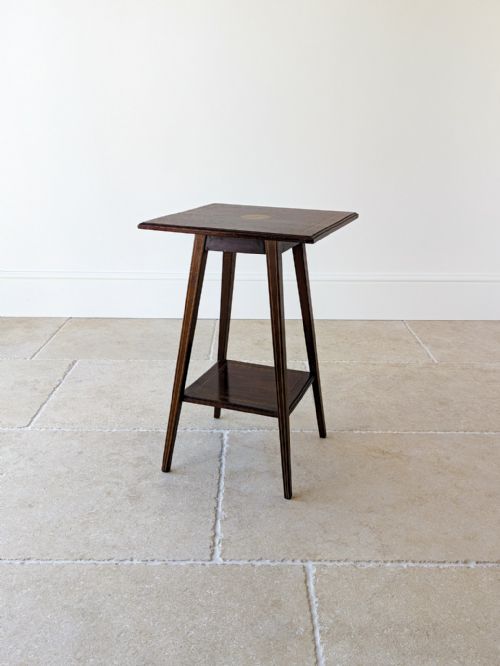
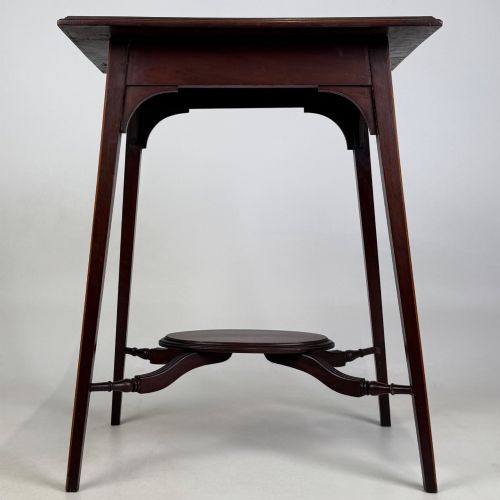
A splay leg table provides sturdy support through angled legs that flare outward from the centre, offering both stability and a distinctive silhouette. When exploring this phrase, buyers encounter a diverse selection spanning dining tables, tea tables, sofa tables, and occasional pieces.
The material palette is dominated by rich timbers like mahogany, oak, satinwood, and rosewood, often enhanced with brass or boxwood details. These tables appear across multiple periods, including the Georgian, Regency, and Edwardian eras, alongside later revivals.
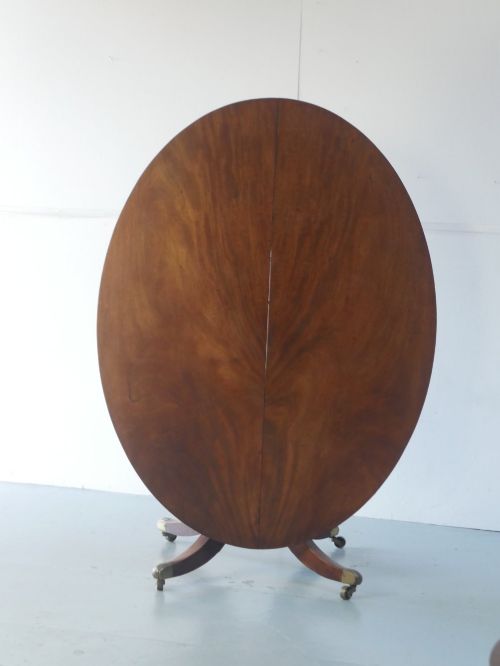
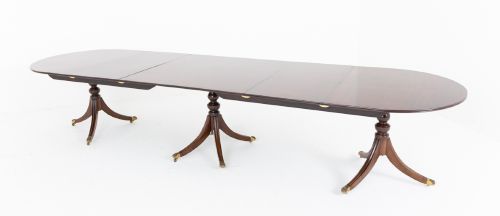
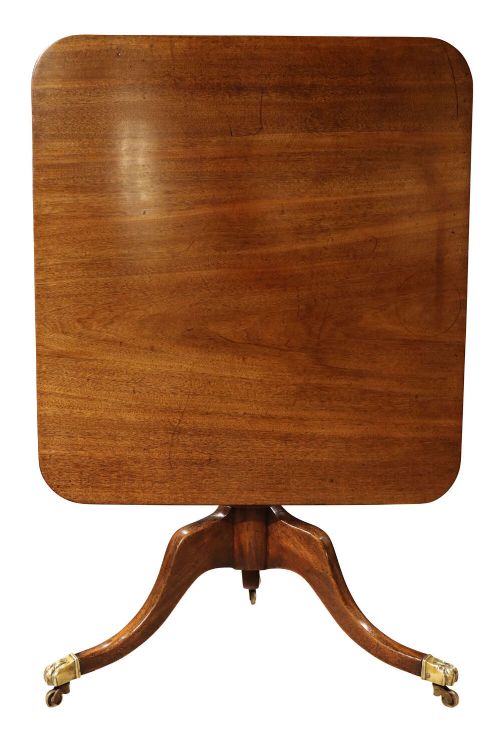
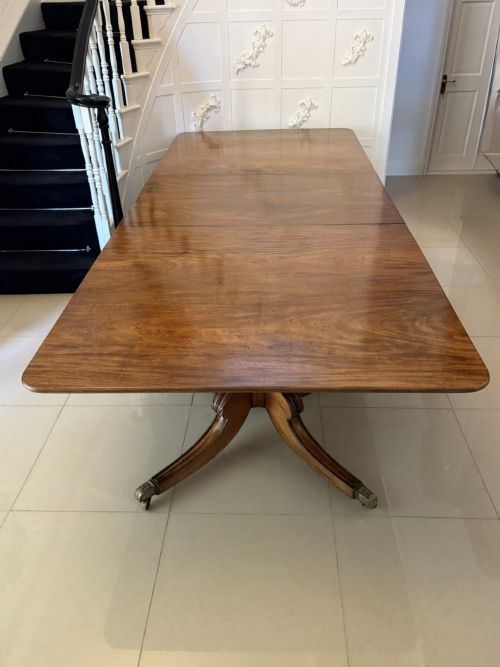
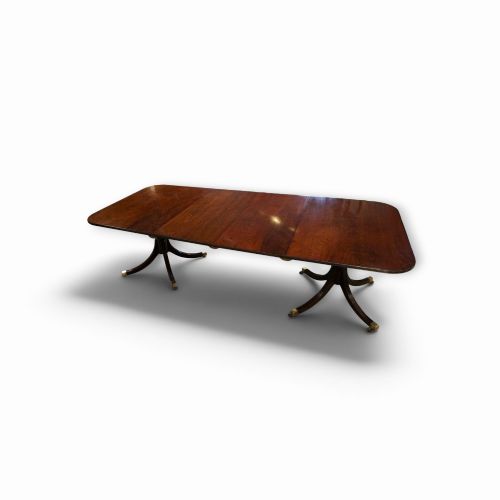
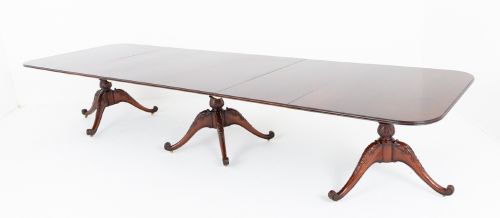
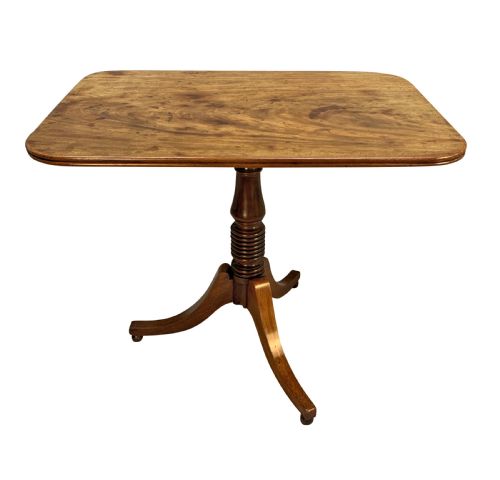
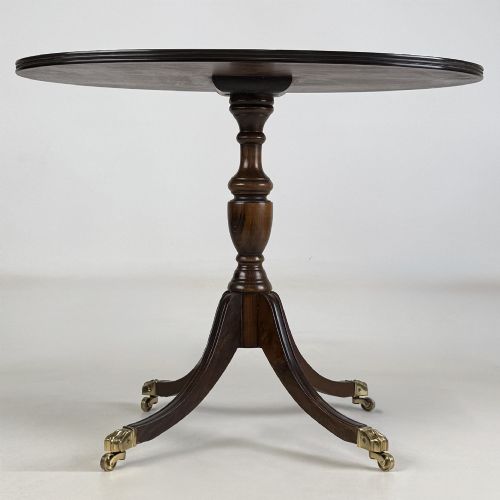
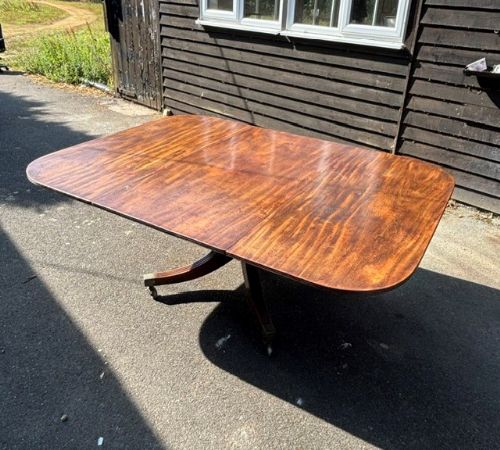
Dining and breakfast tables with pedestals or multiple pillars frequently utilise splayed configurations to support large extension leaves or tilt-top mechanisms. Smaller occasional and display variants rely on the same outward angle to maintain balance on compact footprints.
How They Were Made
Cabinetmakers utilised dense hardwoods such as mahogany, oak, and walnut, selecting figured veneers and matching grains for prominent surfaces. Structural stability relied on precise joinery, with pillars, trestles, and legs connected firmly to withstand daily weight and movement.
Decorative refinement involved contrasting stringing, boxwood inlay, ebonising, and brass mountings fitted to the feet or edges. Tilt-top mechanisms and pedestal bases required specialised carpentry to ensure smooth pivoting and secure locking when horizontal.
Current listings demonstrate timber selections spanning solid oak, figured mahogany, satinwood, and burr root maple across multiple centuries.
What Varies in Quality
The grade of timber and the ambition of the inlay dictate much of the distinction between standard examples and finer works. Selection of heavily figured mahogany or carefully figured burr oak shows an artisan prioritising visual depth.
Execution of the joinery around the splayed supports determines long-term rigidity and balance under load. Superior pieces maintain clean lines and tight joints where the angled legs meet the central column or frieze.
Thomas Butler of London·Whytock and Reid
The Splay Leg Table Glossary
- Splay leg
- A support angled outward from the vertical axis for enhanced stability. This structural choice provides a wider footprint while maintaining a lighter visual profile.
- Tilt-top
- A tabletop hinged to the central pillar so it can pivot vertically when not in use. This clever mechanism allowed large tables to be stored flat against a wall.
- Sofa table
- A rectangular occasional table traditionally designed to stand in front of a sofa. These often feature drop leaves and end supports with splayed feet.
- Stringing
- A narrow inlay of contrasting wood used to outline panels, drawers, or table edges. It adds subtle linear definition to plain timber surfaces.
- Bijouterie table
- A glass-topped display table intended for showcasing small valuables and curiosities. They frequently stand on slender splayed or cabriole legs.
Splay Leg Table: Frequently Asked Questions
How do I identify a splay leg table?
Look closely at the base or the lower section of the supports where they meet the floor or pillar. If the legs angle outward away from the centre of gravity rather than dropping straight down, it is a splayed configuration.
This specific geometry was utilised across various forms, from dining pedestals and breakfast tables to compact writing and side tables, ensuring a wider footprint for stability.
Were these tables used for dining?
Many large multi-pillar and pedestal examples served as formal dining tables for families and guests. Their robust construction allowed them to hold heavy meals and accommodate multiple extension leaves.
Smaller variants with splayed supports, such as tea tables and Pembroke tables, functioned primarily in drawing rooms and parlours for entertaining.
How do I care for mahogany and rosewood surfaces?
Protect antique timber surfaces from direct sunlight and sudden humidity changes to prevent the wood from drying out or warping. Dust regularly with a soft, dry cloth and avoid harsh chemical cleaners.
Applying a modest coat of quality beeswax periodically helps nourish the grain and maintains the natural lustre of the polished finish.
What is the difference between Georgian and Regency styles?
Georgian furniture, spanning much of the eighteenth century, often emphasises classical proportions, carved mahogany details, and solid architectural presence. Regency designs, emerging around the turn of the nineteenth century, draw heavier inspiration from ancient Greek and Roman motifs.
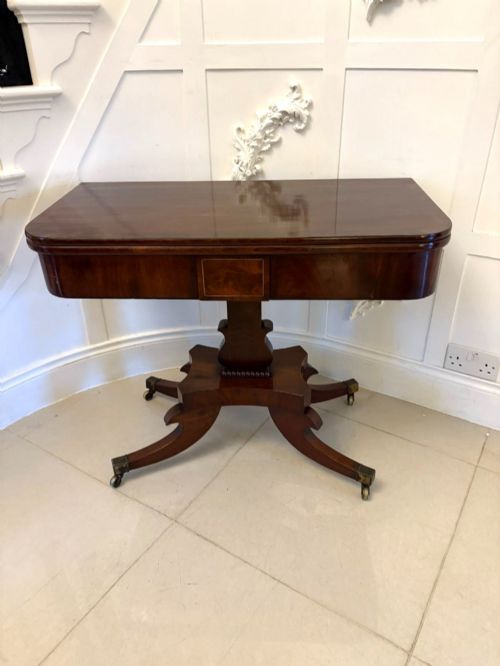
Regency pieces frequently incorporate brass mounts, rosewood veneers, reeded elements, and dramatic pillar supports with splayed brass-caster feet.