


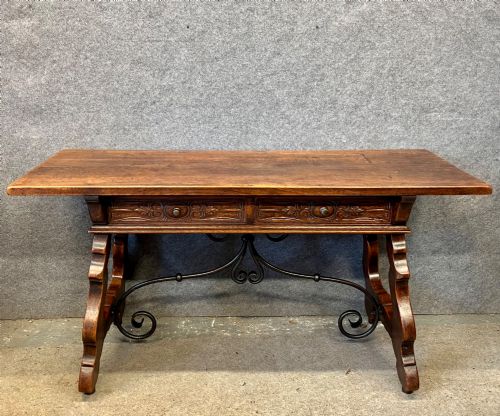


Spanish Colonial Table
These spanish colonial table examples span centuries of timber craftsmanship, offering robust construction and striking historical character for your home.
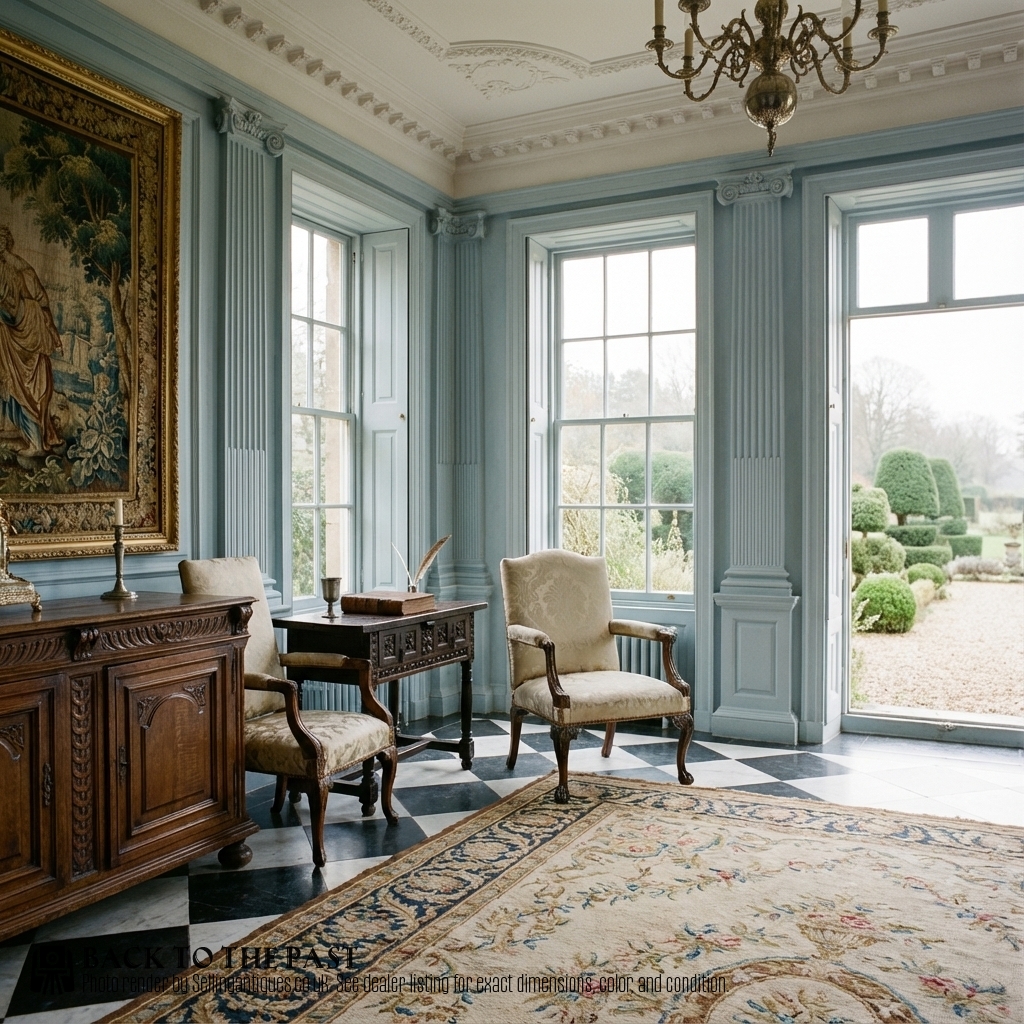
Spanish Colonial Table
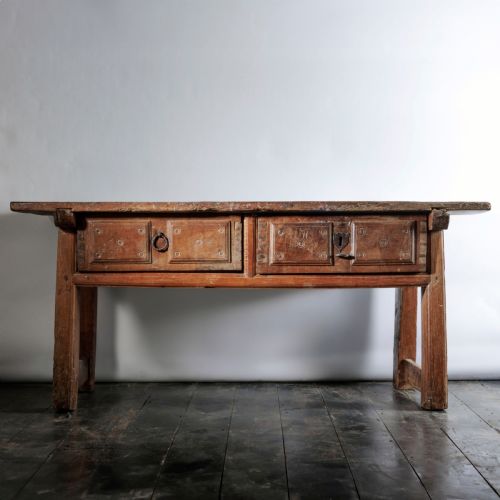
A spanish colonial table brings centuries of historical character into a modern interior through sturdy construction and distinct regional styling. You will encounter dining tables, console tables, side tables and centre tables spanning from the seventeenth century through to later revival periods.
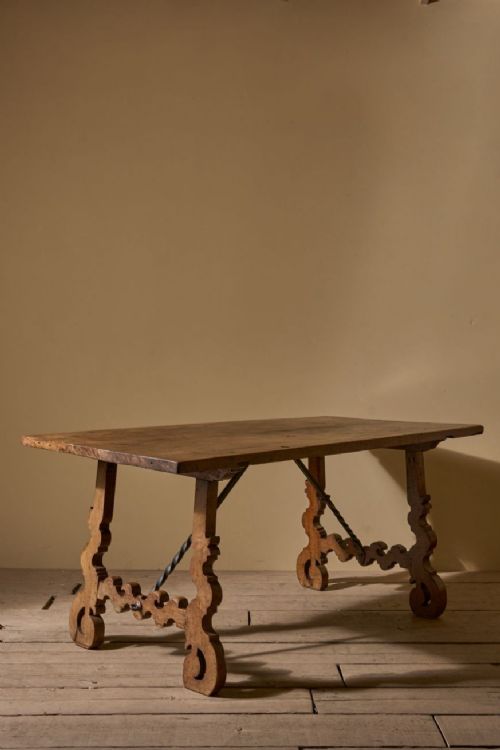
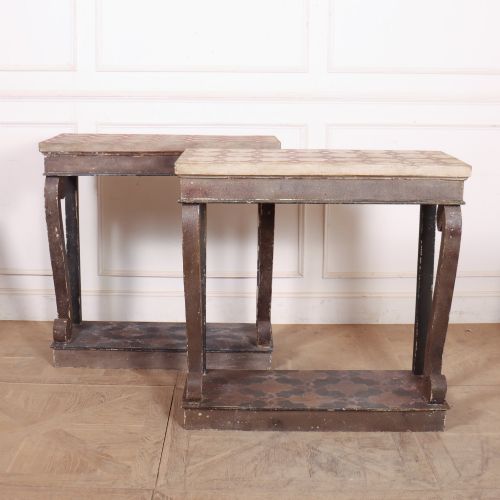
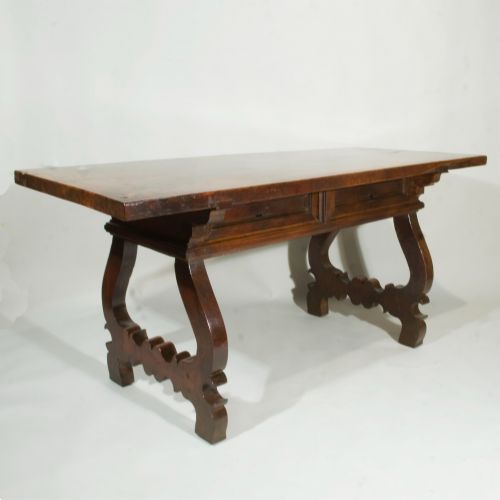
The selection ranges from authentic period pieces in walnut and oak to later revival interpretations from the early twentieth century. Common formats include trestle designs and refectory styles, alongside occasional painted consoles and occasional tables.
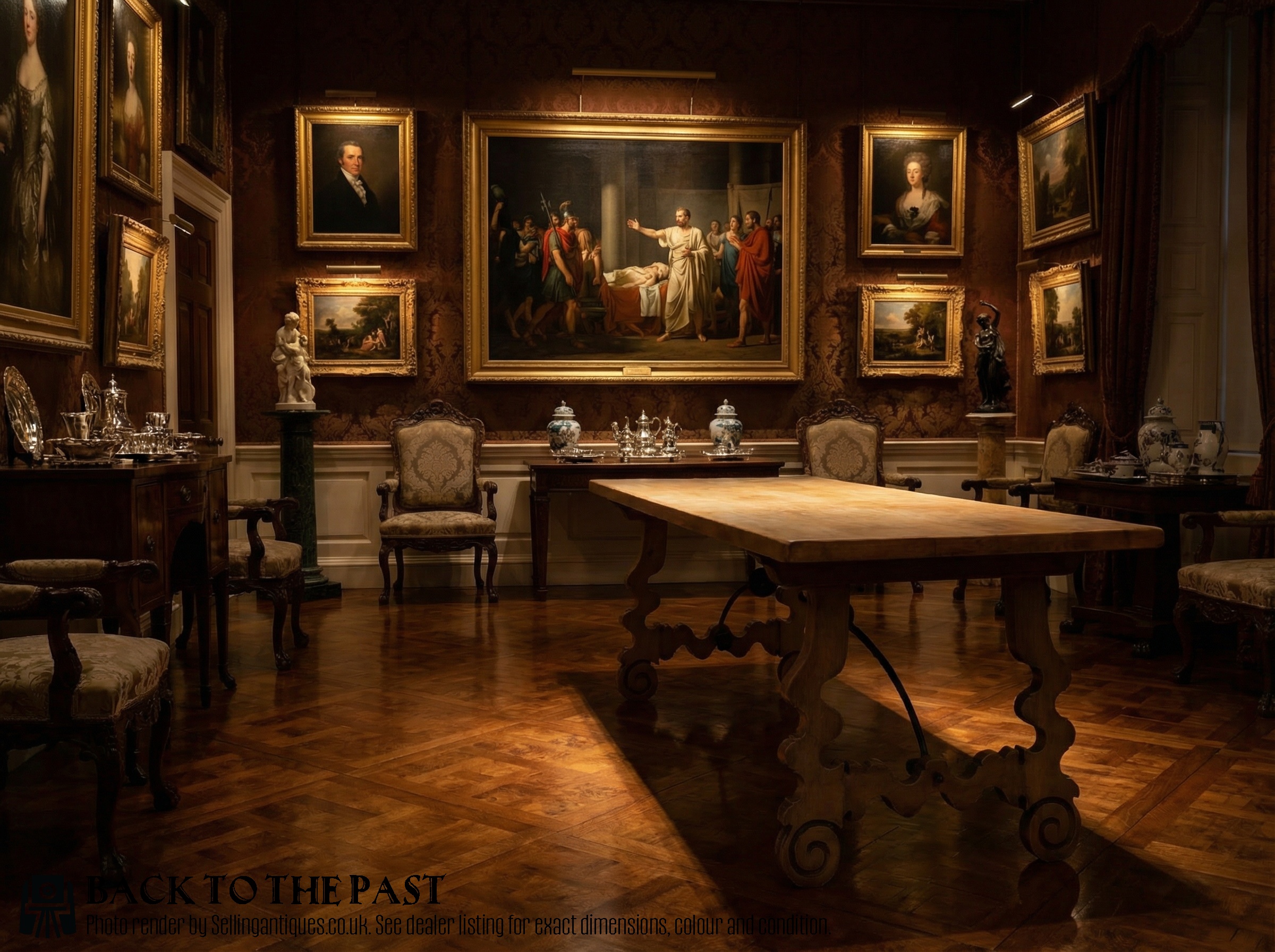
How they were made
Carpenters relied heavily on dense hardwoods such as walnut and oak to build frames that would endure heavy daily use. Wrought iron braces and stretchers frequently provide essential structural support beneath the wooden tops.
Surface treatments range from plain polished timber to painted finishes, ebonised surfaces, and occasional decorative inlays of bone or tortoiseshell. Joinery techniques prioritise practical durability and robust weight over delicate ornamentation.
Spanish Colonial Table Retail Price Guide 2026
Typical asking prices for spanish colonial table among the pieces listed under this phrase on Sellingantiques today, from the lower quarter to the upper quarter. They describe what is for sale here now, not the wider market.
Period dates stretch across multiple centuries, moving from the seventeenth century through Georgian eras into early twentieth-century revival interpretations.
What varies in quality
The grade of timber selected for the top and base dictates much of the physical presence, with close-grained walnut generally commanding higher regard than standard mixed woods. Age and originality of the surface patina further distinguish exceptional examples from later revival pieces.
Construction methods also reveal tier differences, particularly in the hand-forging of iron stretchers and the integrity of traditional joinery. Pieces retaining their original hardware and unaltered proportions stand apart from heavily restored or adapted items.
The Spanish Colonial Table Glossary
- Refectory table
- A long, narrow dining table traditionally used for communal meals in large institutions or grand residences. These examples often feature heavy wooden legs linked by substantial floor-level stretchers.
- Console table
- A table designed to stand flat against a wall, frequently supported by decorative brackets or legs. They often function as surface display areas in hallways or living rooms.
- Trestle table
- A table construction where the top rests on two or more support frames rather than four distinct vertical legs. This design offers robust stability and allowed for simpler dismantling in earlier centuries.
- Wrought iron
- Iron that has been heated and shaped with hand tools by a blacksmith rather than cast in a mould. It appears frequently as structural bracing beneath wooden table tops.
- Ebonised wood
- Timber treated with a chemical stain or finish to imitate the dense, dark appearance of ebony. This technique was frequently utilised on decorative furniture and cabinets.
Spanish Colonial Table: Frequently Asked Questions
How do I clean a wooden table?
Dust regularly with a dry, soft cloth to prevent particle buildup on the antique timber surface.
Avoid using harsh chemical polishes or excessive water, applying traditional beeswax sparingly instead to maintain the natural lustre.
Where should I place a console?
Console tables sit comfortably against entrance hall walls or beneath large mirrors in living spaces.
Their shallow depth ensures they do not obstruct walkways while providing a practical surface for lamps and decorative objects.
Are these tables suitable for dining?
Many sturdy refectory and dining formats function reliably for everyday meals and family gatherings.
Ensure you check the height clearances and leg placements to confirm comfortable seating arrangements for guests.
How do I identify older timber?
Earlier periods typically feature hand-cut joints, irregular tool marks, and dense walnut or oak planks with deep patination.
Revival pieces from the twentieth century often display more uniform machine sawing and cleaner, less weathered surfaces.