
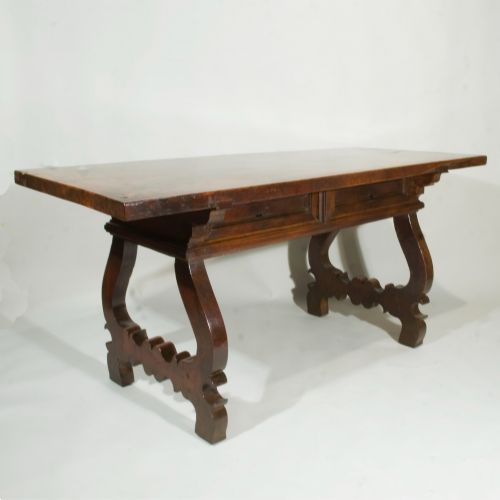


Spanish Colonial Furniture
Spanish colonial furniture brings substantial walnut, iron, and rich woods into a room with directness and architectural weight.
Spanish Colonial Furniture
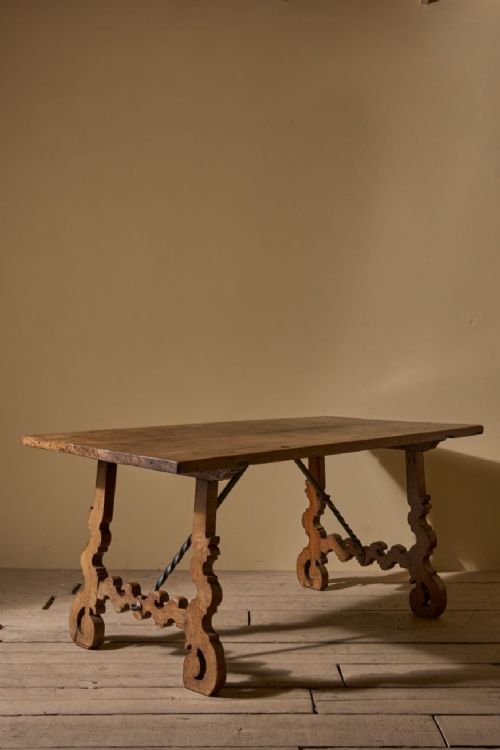
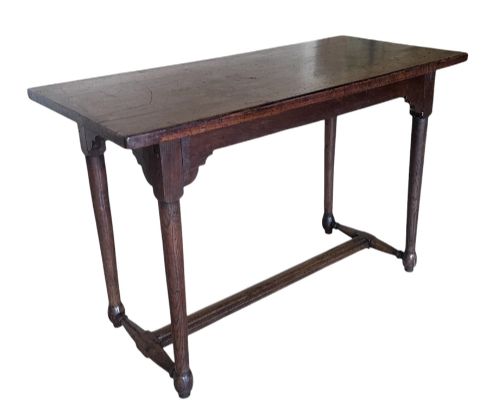
When you search for spanish colonial furniture, you encounter robust domestic furnishings spanning from the seventeenth century through to the early twentieth century. The selection centres heavily upon walnut tables, side tables, and practical storage forms such as boxes, coffers, and cabinets on stands.
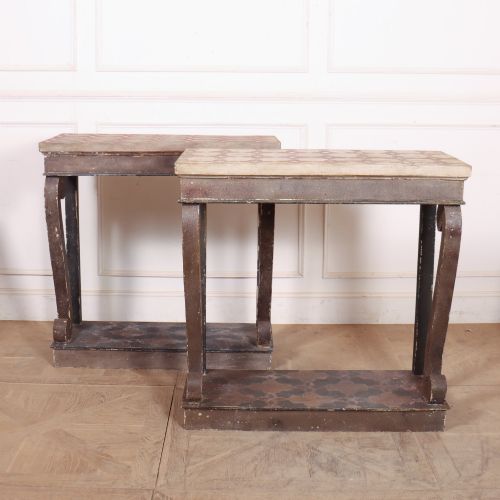
You are most likely to meet seventeenth and eighteenth century walnut pieces alongside later nineteenth century painted console tables and twentieth century revivals. These utilitarian and decorative objects carry the distinct lineage of Spanish Baroque and Renaissance traditions adapted across regions.
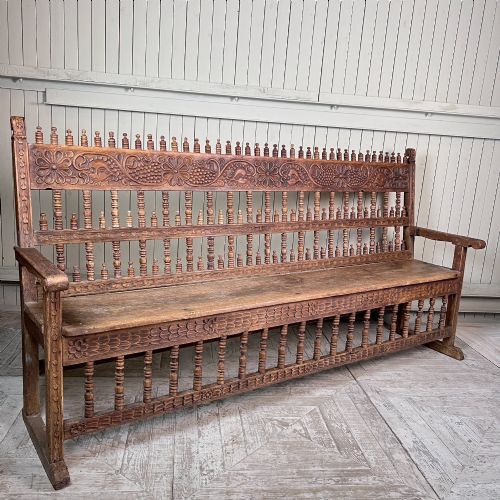
The forms range from simple side tables and benches to complex vargueno cabinets and desk cabinets fitted with intricate internal compartments. Each piece reflects the functional demands of domestic life, travel, and administration in historical Spanish territories.
How they were made
Makers relied primarily on solid walnut, fruitwood, oak, and varied hardwoods, selecting timber for strength and deep grain. Wrought iron reinforcement was frequently integrated into tables and stands to provide structural rigidity and decorative contrast.
Listings feature walnut, wrought iron, fruitwood, oak, and tortoiseshell across objects ranging from side tables to vargueno cabinets.
What varies in quality
Quality rests upon the calibre of the timber selection, the integrity of the original construction, and the preservation of authentic surfaces. Pieces fashioned from dense walnut with well-forged wrought iron mounts demonstrate superior craftsmanship compared to later or heavily restored equivalents.
The sophistication of the joinery and the survival of original decorative details, such as key escutcheons or tortoiseshell panels, separate standard utility pieces from exceptional examples of cabinetmaking.
The Spanish Colonial Furniture Glossary
- Vargueno
- A traditional Spanish chest cabinet with a drop-front panel that opens to reveal a complex arrangement of small drawers and compartments.
- Papillero
- A small tabletop cabinet or chest designed for storing papers, letters, and documents securely.
- Brasero
- A traditional metal vessel used for holding burning coals to heat a room, often placed upon a decorative stand.
- Console table
- A table designed to be fixed against a wall, frequently supported by decorative legs or brackets.
- Coffers
- A robust storage box or chest, typically constructed with heavy timbers and reinforced with iron for security during transport.
Spanish Colonial Furniture: Frequently Asked Questions
What woods were commonly used?
Makers relied heavily on dense walnut, alongside fruitwood, oak, and varied regional hardwoods.
These timbers were chosen for their durability and ability to withstand extensive carving and structural strain.
Are iron mounts original?
Wrought iron was standard for structural reinforcement, braces, hinges, and lock plates on tables and storage boxes.
Original ironwork shows hand-forged irregularities and matches the period of the wooden structure it secures.
How do I care for antique walnut?
Maintain stable indoor humidity levels and keep pieces away from direct heat sources to prevent the timber from splitting.
Apply traditional wax sparingly and polish gently with a soft cloth to protect the historic surface finish.
What distinguishes an 18th-century table?
Eighteenth-century tables typically display simpler lines, pegged walnut construction, and practical rectangular tops.
They often incorporate iron stretchers between the legs for added stability rather than elaborate carved ornamentation.