




South West Persia Weaving
South west persia weaving comprises tribal textiles and rugs made by nomadic groups using traditional motifs and materials.
South West Persia Weaving
South west persia weaving encompasses tribal textiles, rugs, and utilitarian bags created by nomadic confederacies and tribes in the Fars and Kerman provinces. These pieces span from the nineteenth century into the early twentieth century, reflecting the distinct cultural heritage of their makers.
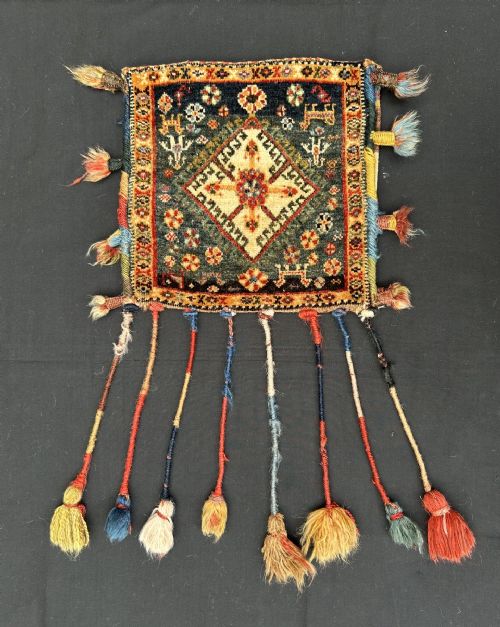
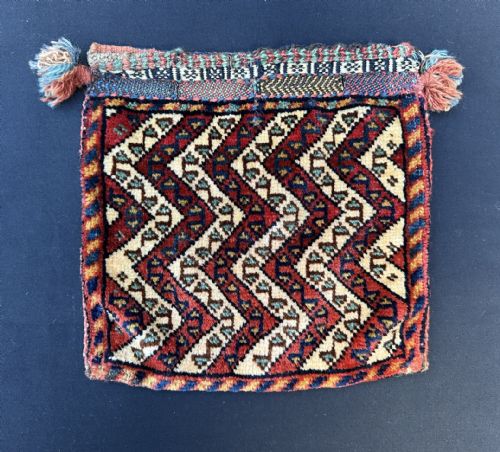
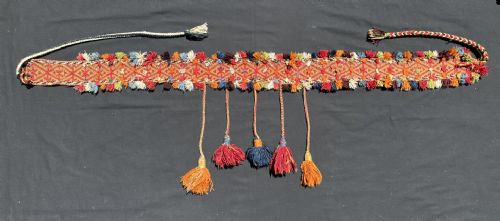
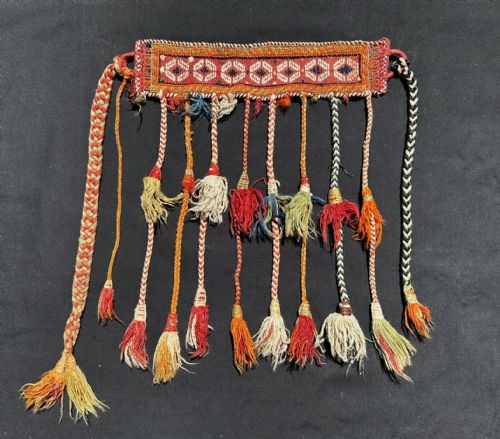
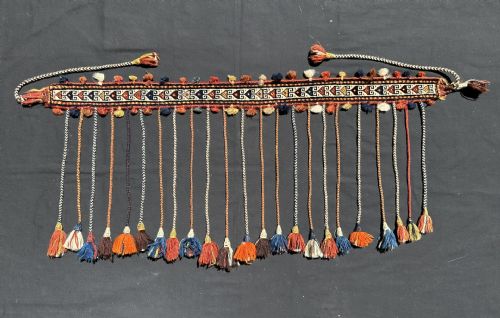
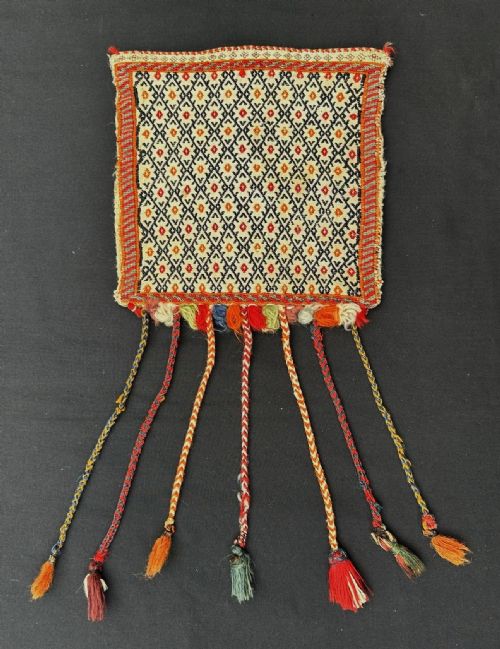
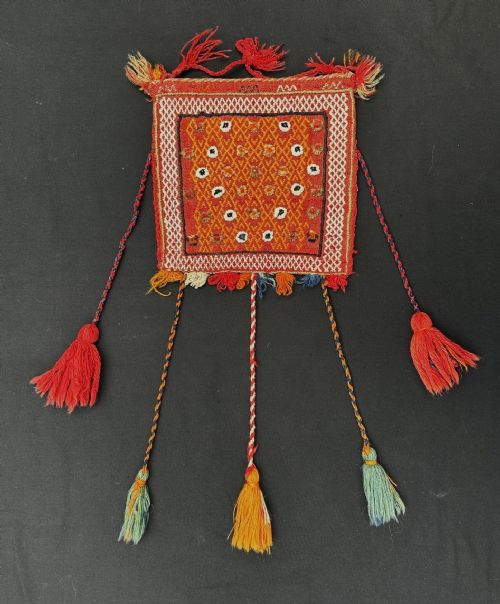
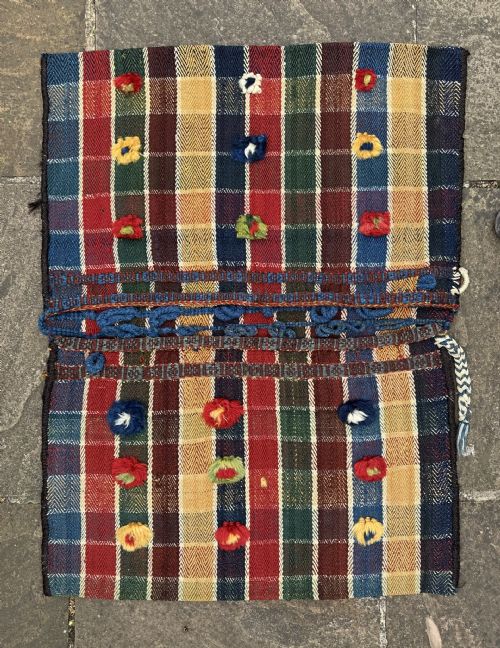
The selection centres heavily on practical tribal items such as vanity bags, animal trappings, saddle bags, and storage pieces alongside flat-woven bread sofreh and horse blankets. Qashqa'i and Khamseh tribal groups dominate these listings, offering specific sub-tribe attributions from the region.
Area rugs and wall hangings also appear within the selection, showcasing traditional patterns developed by pastoralists. Buyers encounter functional household objects transformed by intricate geometric designs and rich regional wool work.
How they were made
The structural foundation relies predominantly on hand-spun wool and cotton, providing durability for nomadic daily use and travel. Natural dyes impart the varied palette characteristic of these regional pieces, working alongside sturdy leather and wood components on specific bag and cradle forms.
Weavers employed traditional techniques suited to portable looms, producing pile rugs, flat-woven moj, and complex double-sided or face bags. Each textile incorporates structural elements designed to withstand harsh utility while maintaining precise tribal iconography.
Listings span multiple decades from the 1870s through the 1920s, concentrating heavily on wool textiles from Qashqa'i and Khamseh groups.
What varies in quality
The handling of natural dyes and the fineness of hand-spun wool create distinct visual depths across different examples. Superior pieces display harmonious colour variation and tight knotting or weave density that articulate the tribal motifs with exceptional clarity.
Structural integrity depends on the original function of the item, where intact leather elements, complete wooden fixtures, and preserved selvedges elevate the historical completeness of the textile. The precision of drawing within complex geometric or animal motifs further separates standard nomadic utility work from master-level tribal output.
The South West Persia Weaving Glossary
- Sofreh
- A flat-woven cloth used primarily for kneading bread dough or sharing meals. These utilitarian textiles often display striking geometric compositions.
- Moj
- A traditional type of patterned blanket or cover produced by tribal weavers. They utilise distinctive weave structures and regional colour palettes.
- Tayefeh
- A term denoting a specific sub-tribe or clan within a larger nomadic confederacy. Such attributions help localise the origin of individual pieces.
- Trapping
- An ornamented textile designed for working animals, horses, or camels. These functional items frequently incorporate protective symbols and vibrant motifs.
South West Persia Weaving: Frequently Asked Questions
What is south west persia weaving?
South west persia weaving covers handmade rugs, bags, and animal trappings produced by nomadic tribes such as the Qashqa'i and Khamseh.
These functional items reflect the traditional lifestyles and distinctive artistic repertoires of pastoralists working in provinces like Fars.
How were tribal bags used?
Nomads utilised these bags for storing salt, vanity items, water pipes, and personal belongings during seasonal migrations.
Their robust construction in wool and leather made them ideal for daily transport on pack animals.
How do I identify Qashqa'i pieces?
Qashqa'i textiles often bear specific sub-tribe attributions such as Bolvardi, Kashkuli, Darrehshuri, or Shekarlu in their documentation.
They frequently feature characteristic animal motifs, rich natural dyes, and precise geometric field patterns.
Where should I place these textiles?
Smaller bags and animal trappings work effectively as wall hangings or tabletop display pieces in varied interior settings.
Larger Khamseh and Qashqa'i rugs function well as floor coverings in rooms with moderate foot traffic.