




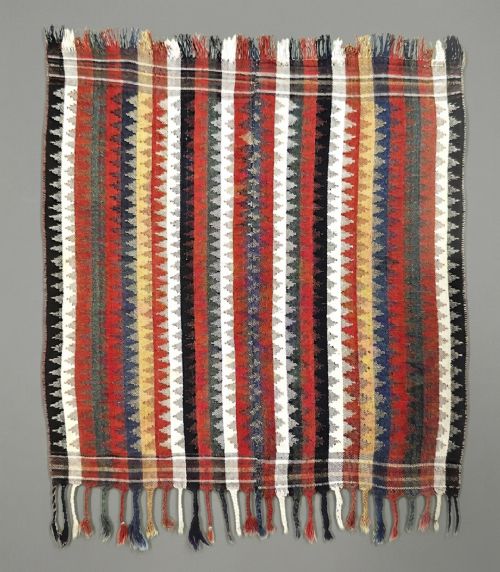
South Persian Qashqai Rug
A south persian qashqai rug brings nomadic tribal artistry and deep saturated hues directly into a room.
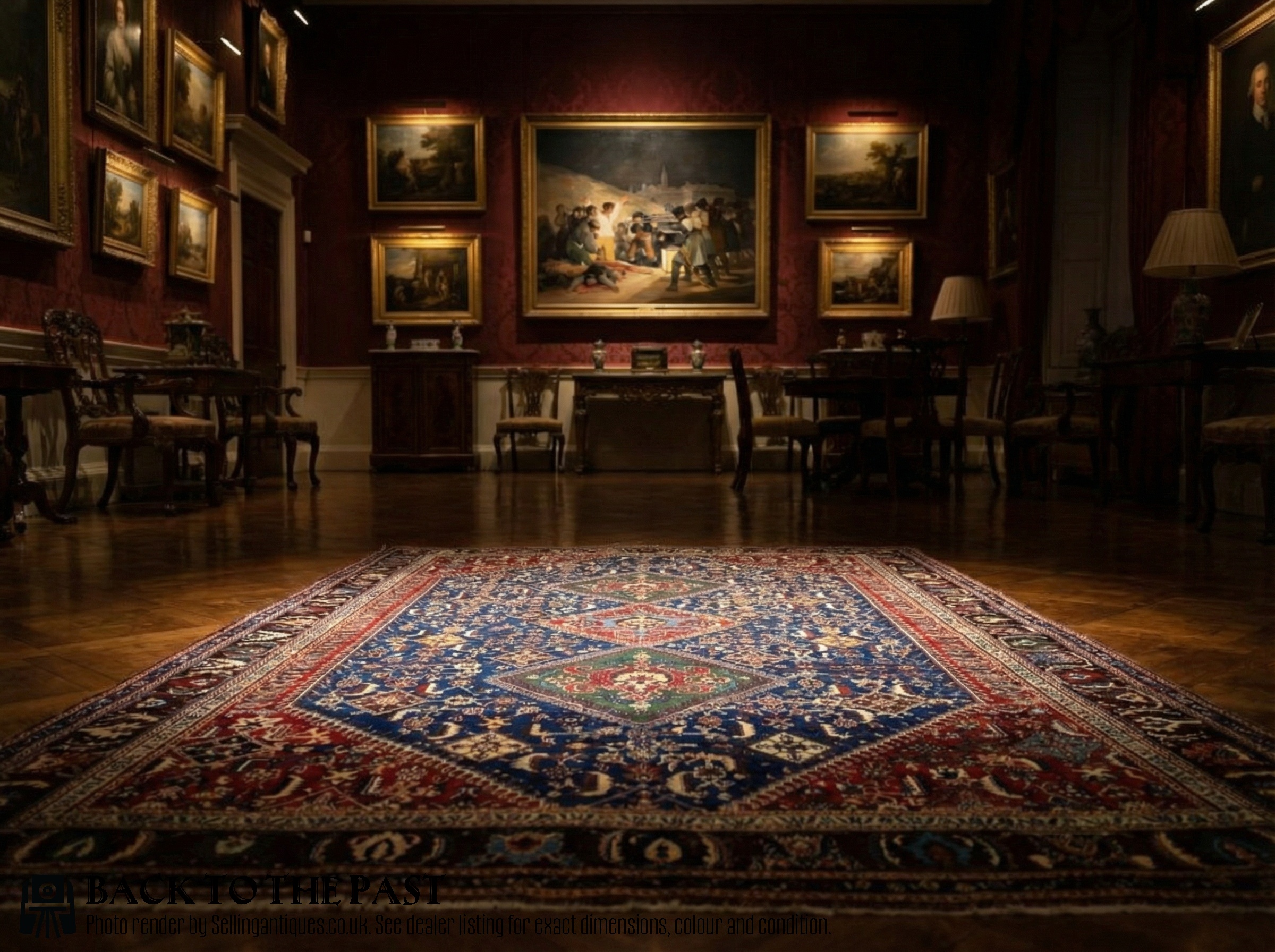
South Persian Qashqai Rug
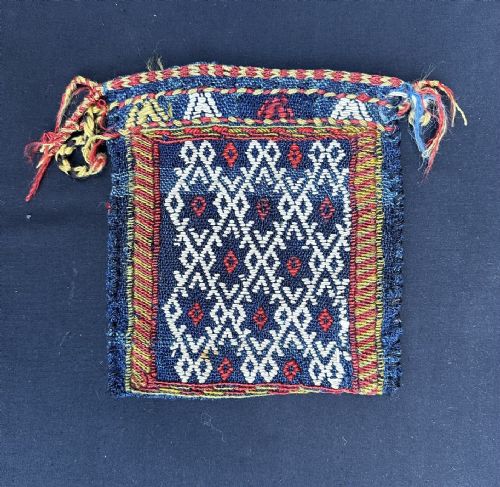
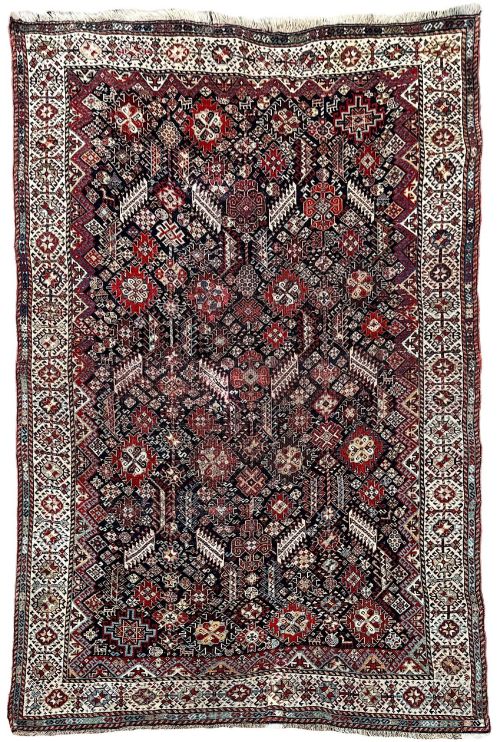
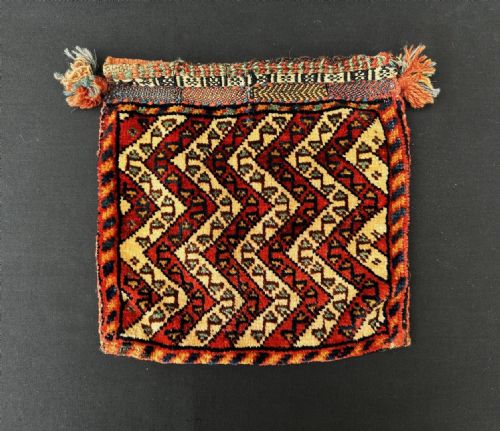
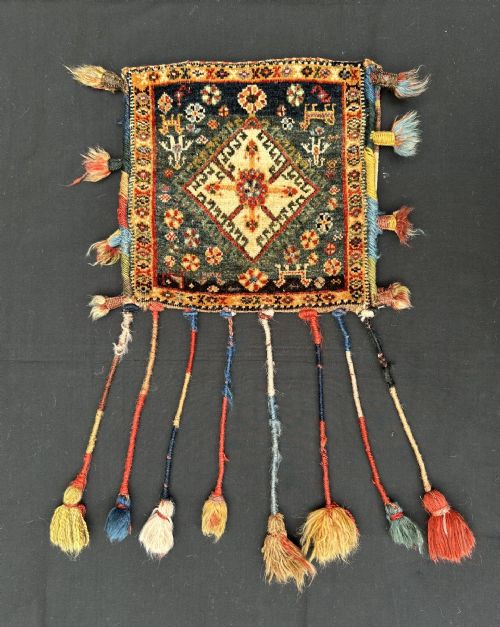
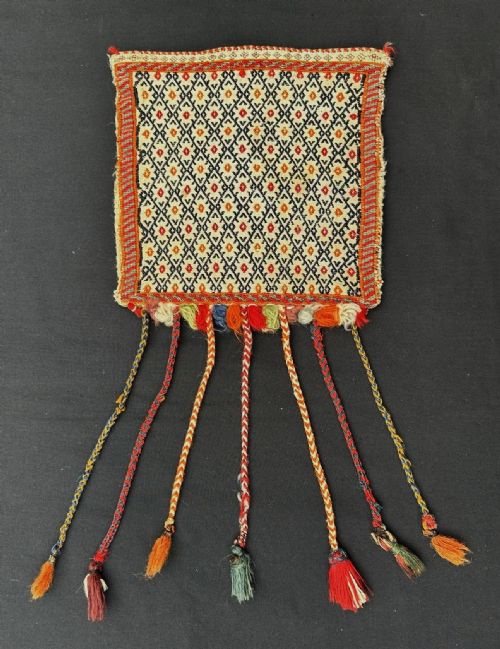
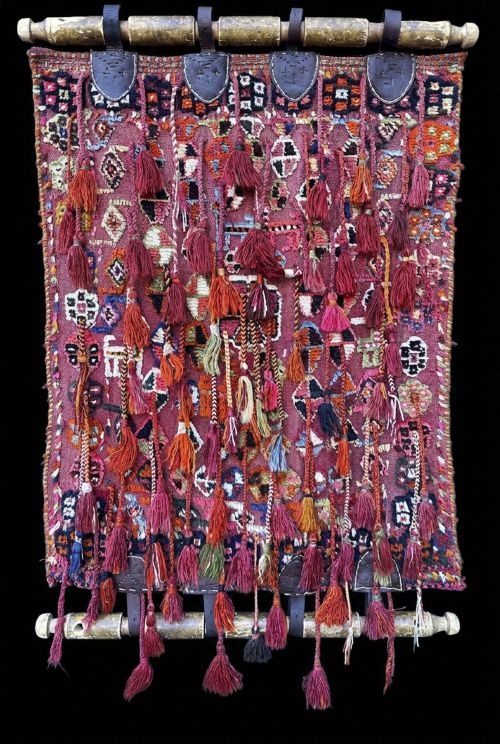
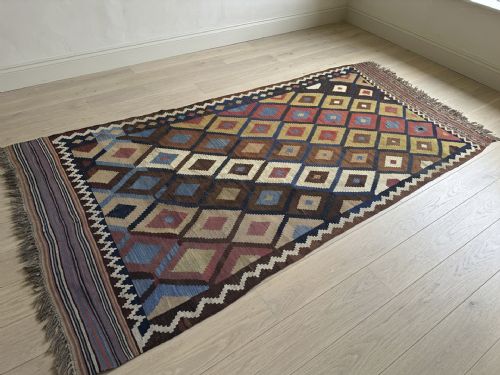
A south persian qashqai rug originates from the tribal confederacies of the Fars province, created by weavers working within nomadic traditions. These textiles include full-sized floor carpets, smaller mats, animal trappings, and utility bags woven for daily nomadic existence.
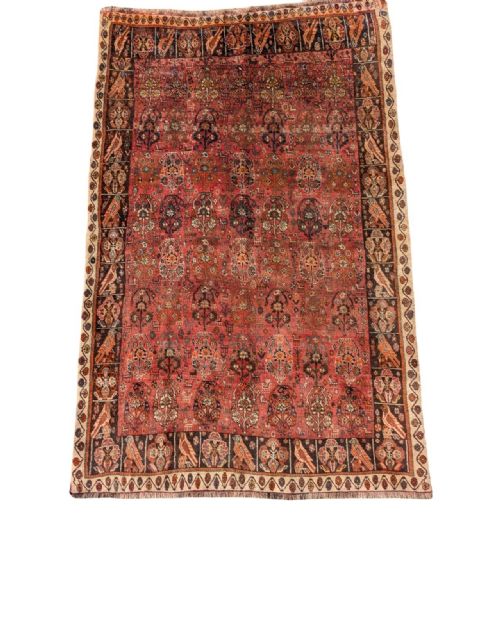
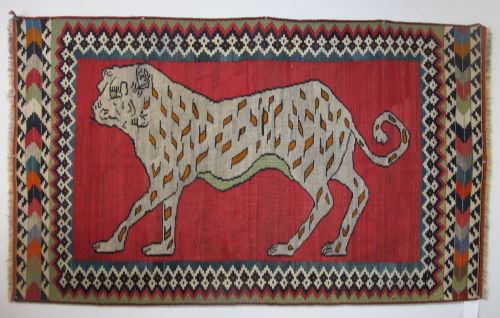
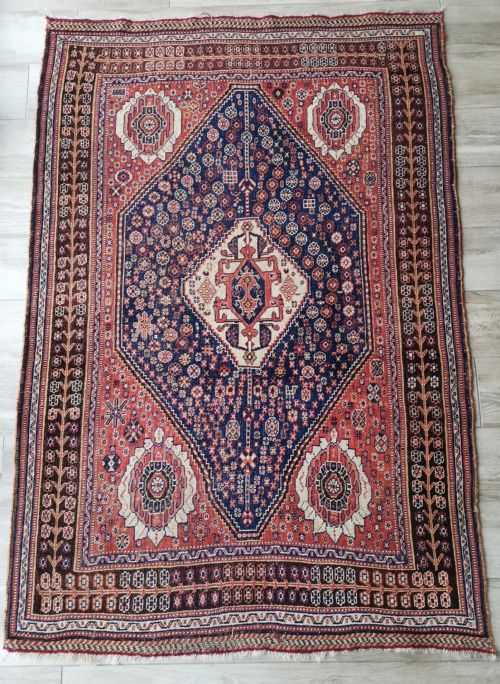
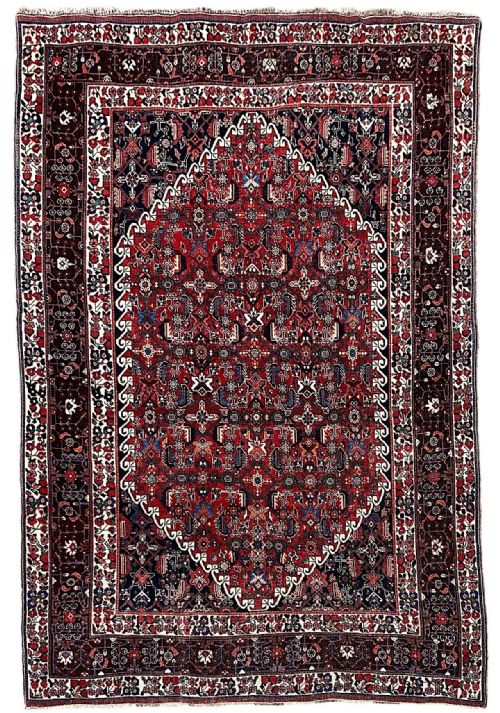
The pieces available on this page date from the late nineteenth century through to the early decades of the twentieth century. Common formats include geometric medallion designs, all-over boteh motifs, and pictorial elements depicting animals, birds, or lions.
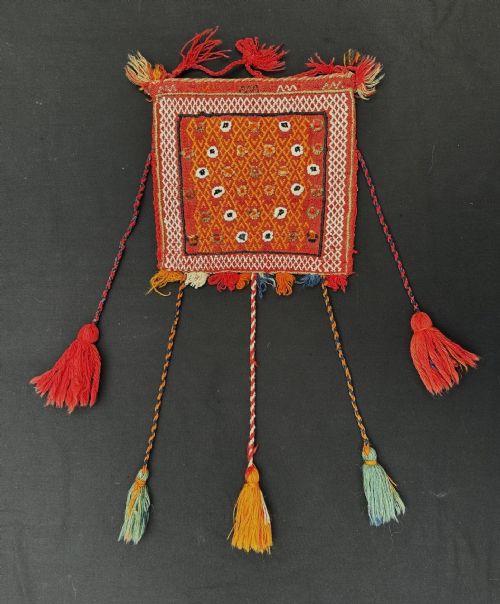
Tribal sub-groups such as the Kashkuli, Shekarlu, and Darrehshuri contribute distinct stylistic variations to the broader Qashqai repertoire. Alongside these floor coverings, specialised utilitarian objects like vanity bags, salt bags, and saddlebags appear frequently.
How They Were Made
Weavers constructed these pieces using hand-spun wool for the pile, combined with cotton foundations in many examples. Natural dyes derived from local plants and minerals provided the foundational palette of deep blues, reds, and occasional green or sky blue grounds.
The nomadic production method involved upright or horizontal portable looms set up in camps across South-West Persia. Artisans tied symmetrical or asymmetrical knots by hand, securing the dense wool pile to sturdy warp and weft threads.
South Persian Qashqai Rug Retail Price Guide 2026
Typical asking prices for south persian qashqai rug among the pieces listed under this phrase on Sellingantiques today, from the lower quarter to the upper quarter. They describe what is for sale here now, not the wider market.
Listings feature hand-spun wool, natural dyes, and cotton across nineteenth and early twentieth-century dates.
What Varies in Quality
Knot density and handling of the wool dictate the physical structure and handle of the textile. Softer, highly supple wool combined with a finer weave distinguishes superior tribal examples from standard utility pieces.
Colour saturation and the successful execution of complex geometric or pictorial designs determine aesthetic distinction. The harmonious balance of natural dye variations across the field separates exceptional artistic achievements from ordinary work.
The South Persian Qashqai Rug Glossary
- Boteh
- A stylised almond or paisley motif representing a floral shoot or cypress tree. This pattern appears frequently across nineteenth-century tribal fields.
- Kilim
- A flat-woven textile produced without a pile. These pieces serve as floor coverings or utilitarian bags.
- Medallion
- A central ornamental design element placed in the middle of the rug field. Tribal weavers often repeat this motif in series along the vertical axis.
- Tayefeh
- A clan or sub-tribe within the Qashqai confederacy. Specific weaving characteristics often align with these distinct groups.
- Warp
- The vertical foundation threads stretched tightly on the loom. Weavers tie the wool pile directly onto these structural lines.
South Persian Qashqai Rug: Frequently Asked Questions
How do I identify a Qashqai rug?
Look for deep indigo grounds, geometric triple medallions, and characteristic tribal motifs like stylized birds or boteh patterns. The inclusion of wool from the Fars province gives these textiles a particularly soft handle.
Sub-tribal attributions often appear in specific design details, connecting the weaving back to groups such as the Kashkuli or Shekarlu.
What is a saddlebag face?
Nomadic weavers originally constructed large paired bags to transport belongings on animals during seasonal migrations. When these containers wore out, owners cut and preserved the decorative front panels.
These surviving squares function today as small decorative wall hangings or compact floor mats.
Are these rugs made with natural dyes?
The period pieces listed here generally rely on traditional plant and insect dyes extracted locally in Persia. These colorants yield rich, organic tones that age gracefully over decades.
Subtle variations in shade, known as abrash, occur naturally as dye batches shift during the weaving process.
How should I care for an antique rug?
Protect the wool textile by placing a quality underlay beneath it to prevent slipping and reduce friction against hard floors. Gentle, regular vacuuming without a beater bar keeps dust from settling into the hand-knotted pile.
Professional cleaning tailored for antique vegetable-dyed wool ensures the natural fibres remain supple over time.