
Solid Silver Vanity Box
A solid silver vanity box is a dressing table essential designed for keeping trinkets and cosmetics secure, prized for its craftsmanship and historical weight.
Solid Silver Vanity Box
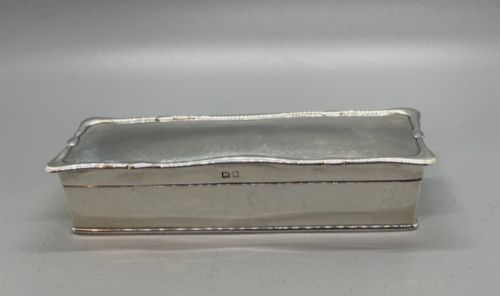
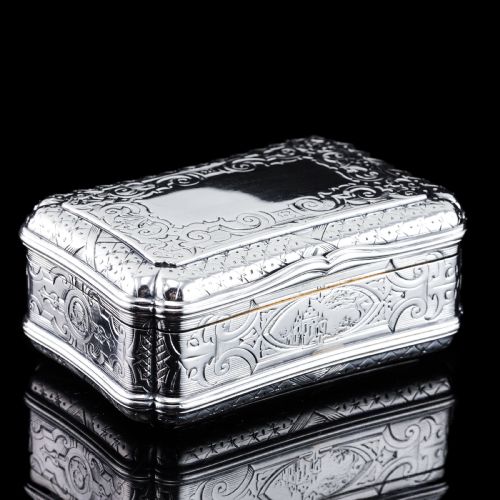
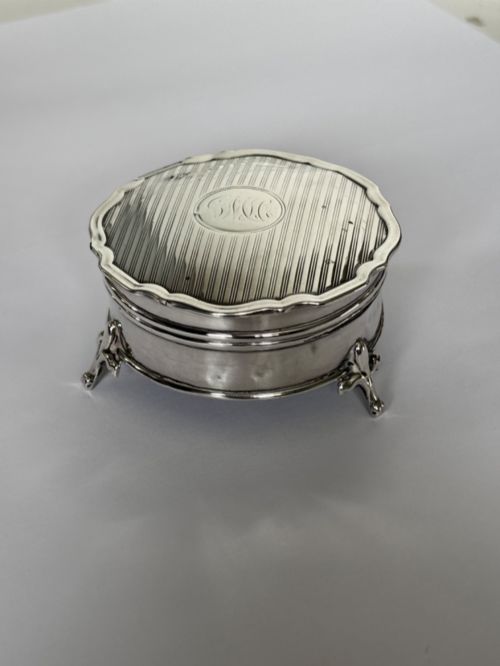
A solid silver vanity box is primarily encountered in forms such as trinket boxes, jewellery caskets, pill boxes, snuff boxes, and glass vanity jars with silver mounts. These pieces span periods from the Victorian and Edwardian eras through to the Art Deco and mid-century movements, originating from English, continental European, and Asian workshops.
Buyers seeking a solid silver vanity box will find items ranging from small pocket-sized pill containers to large dressing table caskets designed to hold rings, powder compacts, and personal treasures.
Materials and Techniques
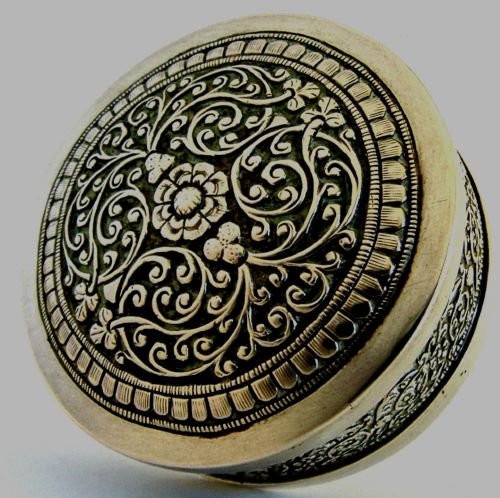
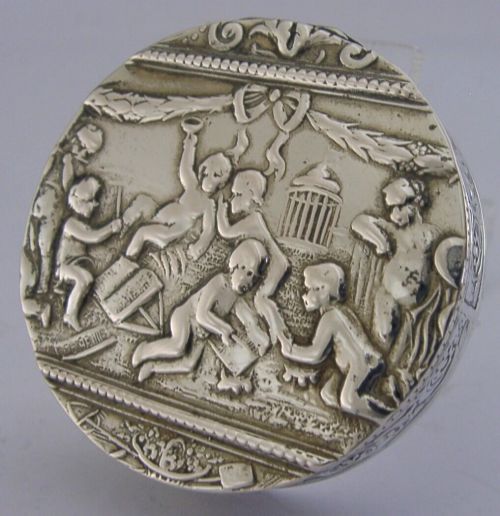
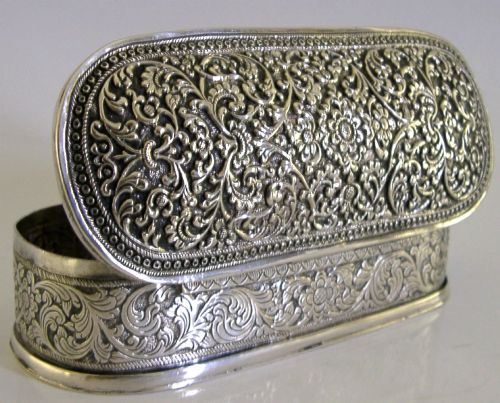
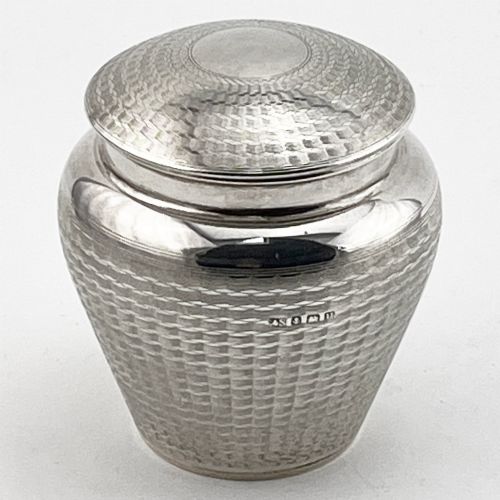
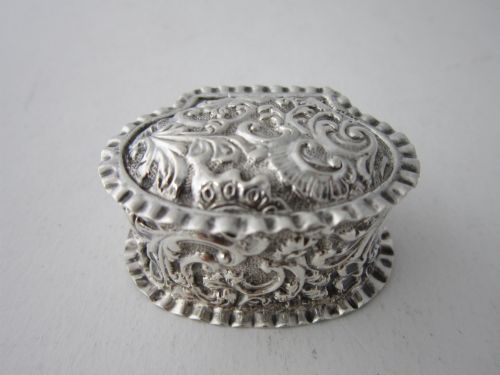
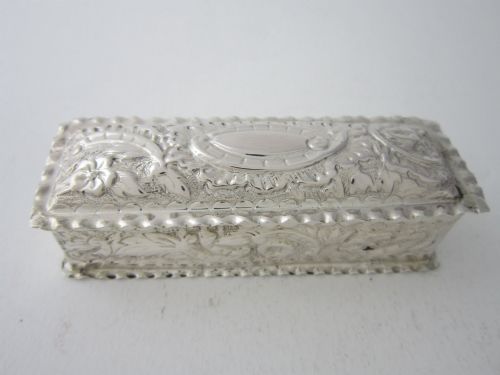
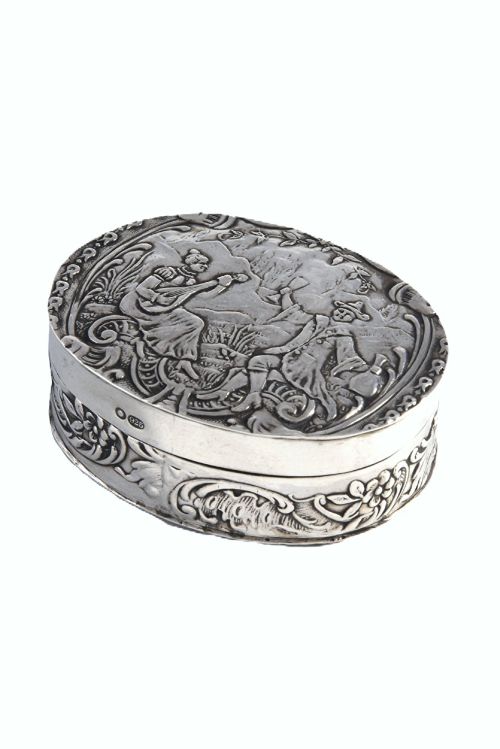
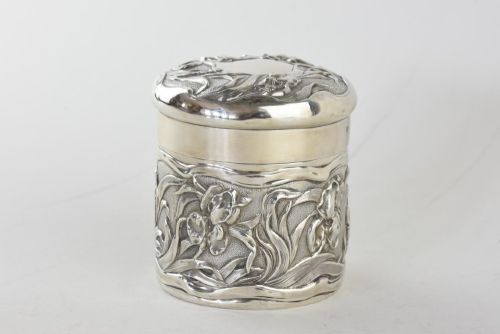
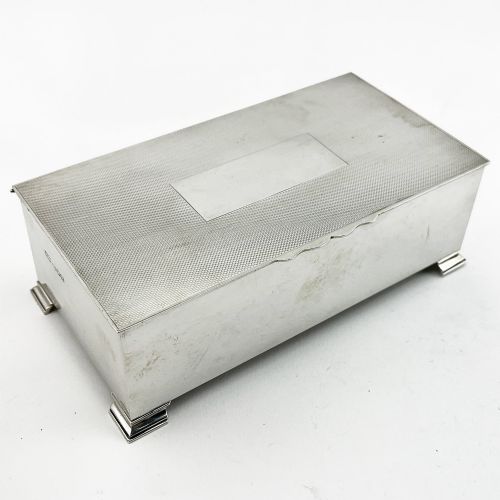
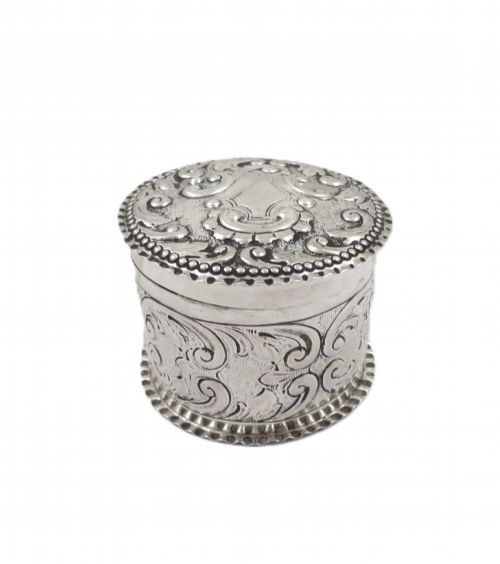
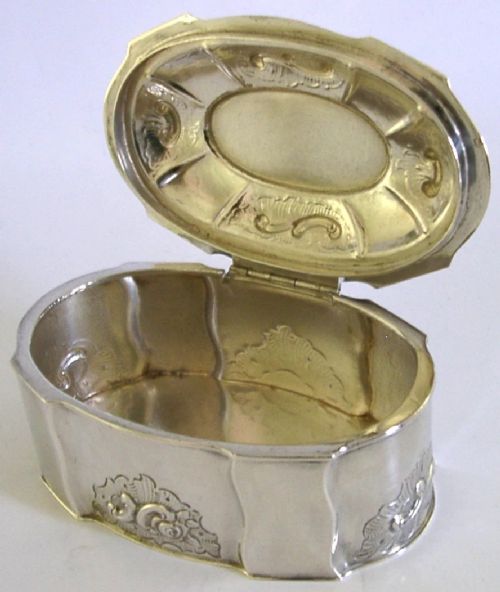
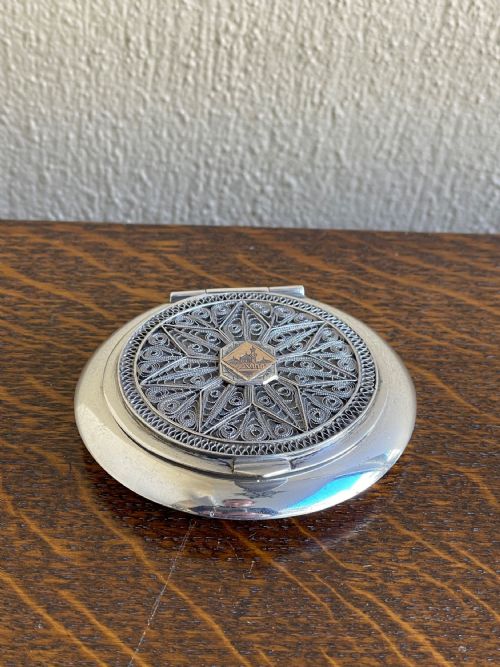
Makers utilised sterling silver, solid silver, and silver gilt alongside glass, enamel, amethyst, and fabric linings to construct these vanity pieces. Surface decoration relied heavily on repousse work, engine-turned guilloche designs, and cast relief scenes featuring cherubs or floral motifs.
Boxes were shaped through casting, engraving, and filigree work, frequently incorporating hinged lids and fitted interiors tailored for dressing table use.
Several boxes sport cheeky cherubs frolicking across their lids, proving that even polite Edwardians enjoyed a touch of divine mischief on the dressing table.
Distinctions in Quality
Quality in these pieces rests upon the crispness of the repousse relief, the precision of engine-turned patterns, and the integrity of hinges and closures. Substantial metal weight and well-preserved internal fabric or gilding elevate an example above standard production.
The involvement of notable silversmith firms and clear, complete hallmarking provide a definitive marker of superior craftsmanship compared to unmarked or mass-produced alternatives.
Goldsmiths and Silversmiths Company·Mappin and Webb·Edward Smith·Deakin and Francis·Hermes
The Solid Silver Vanity Box Glossary
- Repousse
- A metalworking technique where the silver is hammered from the reverse side to form a raised design on the front. This method creates tactile, highly ornamental surface patterns on box lids and sides.
- Guilloche
- An ornamental mechanical engraving technique that produces precise, intricate geometric patterns beneath translucent enamel. It is frequently found on mid-century and Art Deco dressing table items.
- Silver gilt
- Silver that has been coated with a thin layer of gold on its interior or exterior surfaces. This technique provides a rich, warm tone and protects the underlying metal.
- Hallmark
- An official stamp or marks struck on items to indicate the standard of silver purity, the assay office, and the year of production. These marks allow collectors to verify the exact origins of a piece.
- Cartouche
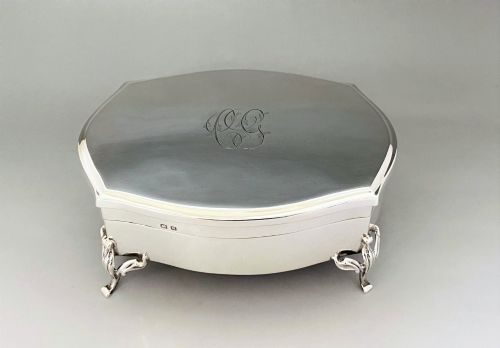
- An oval or shield-shaped frame usually left blank for an engraved monogram or crest. It serves as a focal point on the lids of snuff and trinket boxes.
Solid Silver Vanity Box: Frequently Asked Questions
What fits inside a solid silver vanity box?
These containers traditionally held small personal items such as rings, pins, cosmetics, and folded currency or snuff. The interior capacity depends entirely on whether the form is a pocket pill box or a large dressing table casket.
Larger versions accommodate full jewellery collections and dressing table accessories, while smaller variants suit individual keepsakes.
How are Victorian and Edwardian pieces distinguished?
Victorian examples often display heavier cast ornamentation, floral repousse, and deep cartouches reflecting mid to late nineteenth-century revival styles. Edwardian pieces frequently lean towards lighter, refined Edwardian elegance and clear Birmingham or Chester assay marks.
Examining the specific hallmark dates and stylistic motifs provides the clearest indicator of which era produced the box.
Were these boxes used for travel?
Many smaller boxes and pill cases were designed for pocket or handbag transport, constructed with secure clasps to prevent accidental opening. Larger dressing table caskets remained stationary on vanity surfaces.
Travelling vanity sets incorporated fitted compartments specifically engineered to protect glass jars and silver containers during transit.
How should silver vanity boxes be maintained?
Routine care involves gentle cleaning with a soft cloth to remove dust and tarnish without abrading delicate engravings or enamel work. Avoid harsh liquid dips on pieces featuring fabric linings or glued gemstone inlays.
Proper storage away from direct moisture preserves both the structural integrity of the hinges and the finish of the silver.