

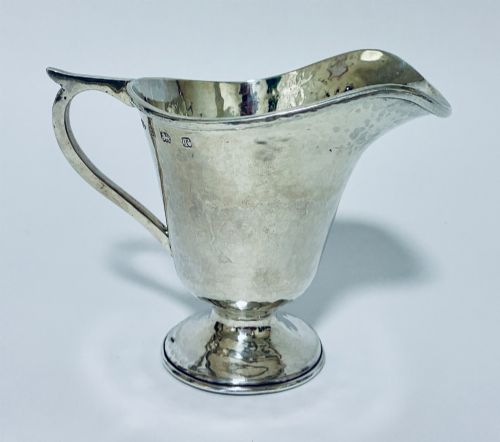
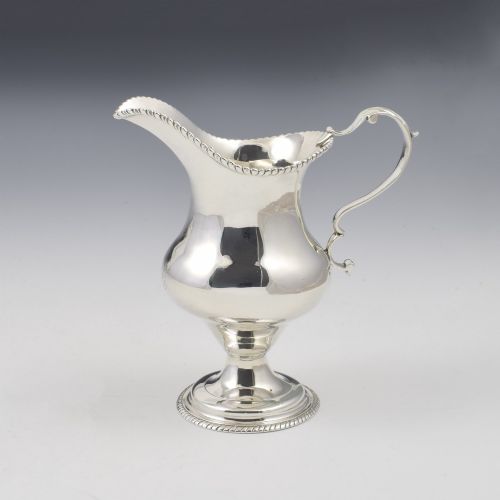
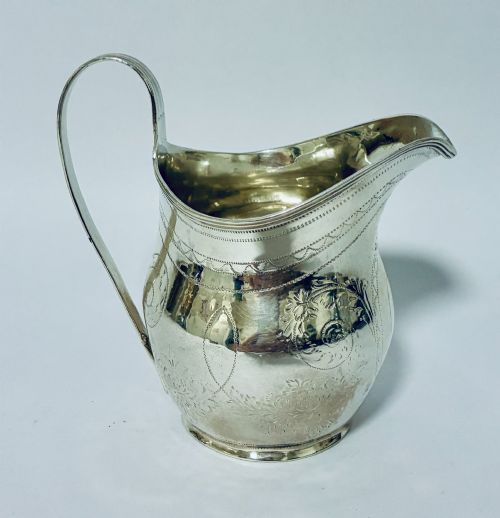
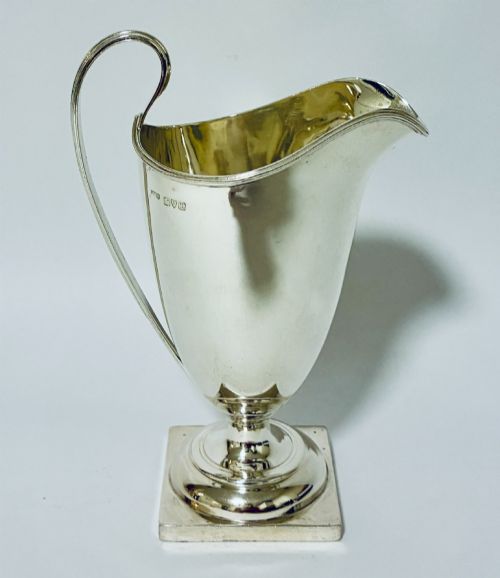



Solid Silver Milk Jug
A solid silver milk jug brings genuine substance to the table, offering practical utility and centuries of metalworking heritage in a single vessel.
Identifying a solid silver milk jug
A solid silver milk jug is a traditional serving vessel designed for daily dining or formal tea service, appearing across various centuries in domestic settings. When you search for a solid silver milk jug, you encounter functional pouring vessels that range from small individual creamers to substantial pitchers intended for family gatherings.
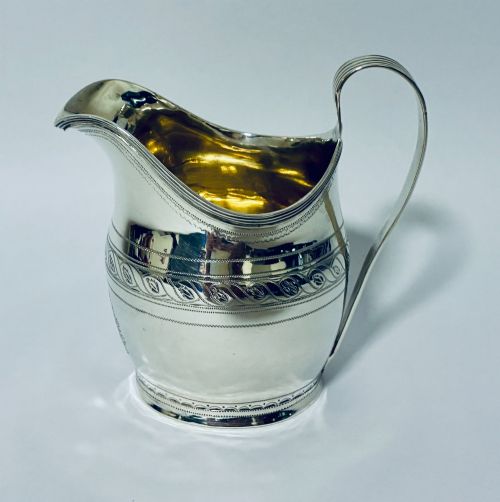
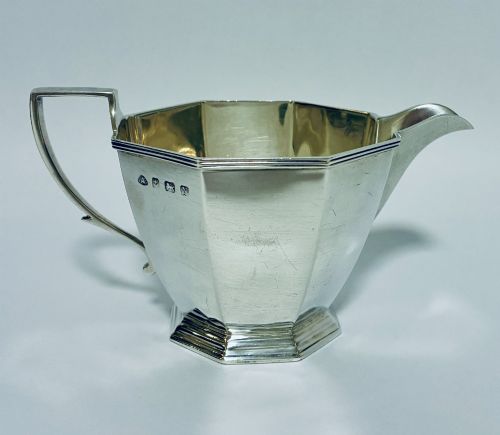
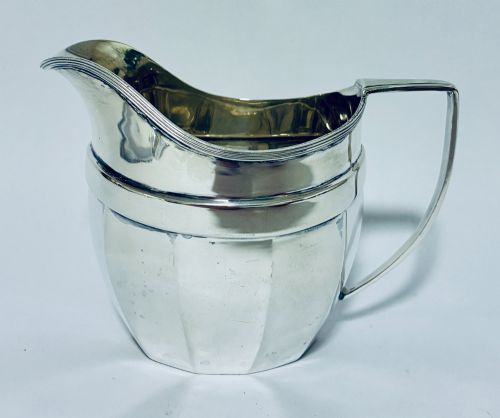
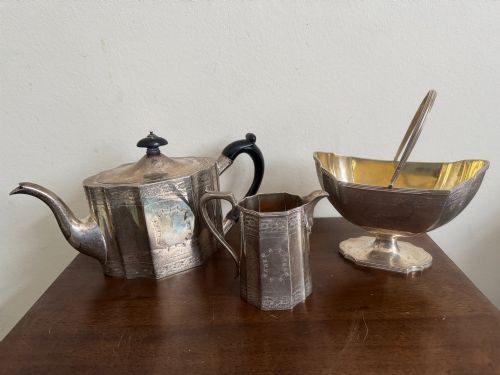
The pieces on this page span several distinct eras, drawing primarily from the Georgian period alongside early twentieth-century examples. Makers produced these items in forms that include standard cream jugs, tall milk jugs, and distinct regional variations like Guernsey and Jersey styles.
Stylistic influences among these vessels include Neoclassical restraint, Regency elegance, and ornate Victorian interpretations featuring chased designs and figural scenes. Buyers typically select these items based on period characteristics, specific regional shapes, and overall capacity.
Assessing quality and craftsmanship
The distinction between standard examples and superior pieces rests on the weight of the metal, the crispness of any chased or engraved decoration, and the harmony of the overall proportions. Master silversmiths achieved balanced handles and precise spouts that poured cleanly without dripping.
Makers identified with notable firms or prominent families of silversmiths, such as the Batemans or Liberty & Co, generally command greater attention due to their documented workshop standards. Furthermore, regional forms such as the Guernsey jug display distinct local characteristics that elevate their interest among collectors.
Retail Price Guide 2026
Typical UK retail prices for solid silver milk jug, calculated from the Sellingantiques database of over a million retail prices indexed since 2003. This retail price guide relies exclusively on Sellingantiques data; no external sources or auction records are used, so the figures do not describe the wider market.
Regional forms documented in the inventory include Guernsey and Jersey styles alongside traditional Regency and Neoclassical shapes.
Liberty & Co·Hamilton, Crichton & Co·William Hunter·Bateman·Thomas Smily
The Solid Silver Milk Jug Glossary
- Sterling silver
- An alloy consisting of 92.5 percent silver and 7.5 percent other metals, usually copper, chosen for durability in tableware. British pieces typically bear the lion passant mark to confirm this standard.
- Chasing
- A metalworking technique where the silversmith depresses the front surface of the metal with punches to form a raised design on the exterior. This creates textured patterns without removing any material.
- Gold wash
- A thin layer of gold applied to the interior surface of a silver vessel, also known as vermeil. This treatment prevents the silver from tarnishing when exposed to milk or cream.
- Guernsey jug
- A specific regional shape of milk jug characterised by a straight-sided or slightly tapered body with a distinctive loop handle. These pieces often originate from Channel Islands traditions or imitate them.
- Regency style
- An aesthetic period spanning the early nineteenth century defined by clean classical lines and restrained classical ornamentation. Vessels from this era often feature classical vase shapes and smooth surfaces.
Frequently Asked Questions
Are these jugs suitable for daily use?
Solid silver milk jugs function effectively for serving milk or cream at the table, just as they did when first made. Their durable metal construction handles everyday pouring without difficulty.
Ensure that jugs with an internal gold wash are washed by hand promptly after dairy use to protect the finish. Storing them away from damp environments prevents premature tarnishing.
How can I date my milk jug?
Dating relies heavily upon the assay office marks, maker's marks, and date letters stamped directly onto the silver surface. Comparing these hallmarks against historical records reveals the exact year and town of manufacture.
Stylistic cues such as Neoclassical handles or Victorian chased decoration also offer broad chronological boundaries when hallmarks are rubbed or unclear.
What is the difference between a cream jug and a milk jug?
Cream jugs were historically produced in smaller capacities to hold rich cream for tea, whereas milk jugs offered larger volumes for breakfast service. These size variations reflect traditional domestic habits rather than strict manufacturing rules.
Both forms utilise identical silver materials and construction techniques, making them interchangeable in modern dining settings depending on the quantity required.