



Solid Silver Cased Cutlery
Solid silver cased cutlery brings together fitted protective boxes and precious metal utensils, offering complete sets ready for dining or gifting.
Solid Silver Cased Cutlery
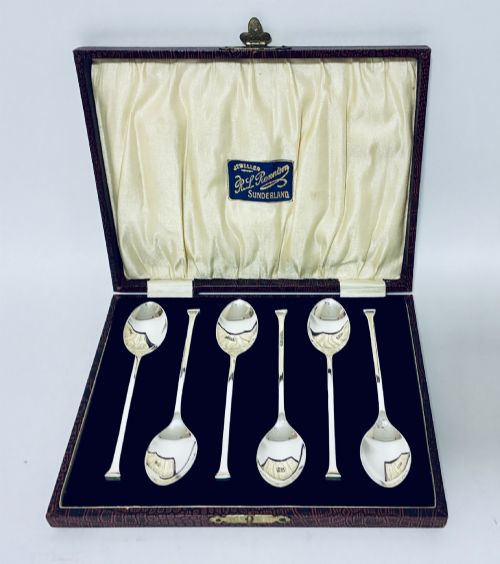
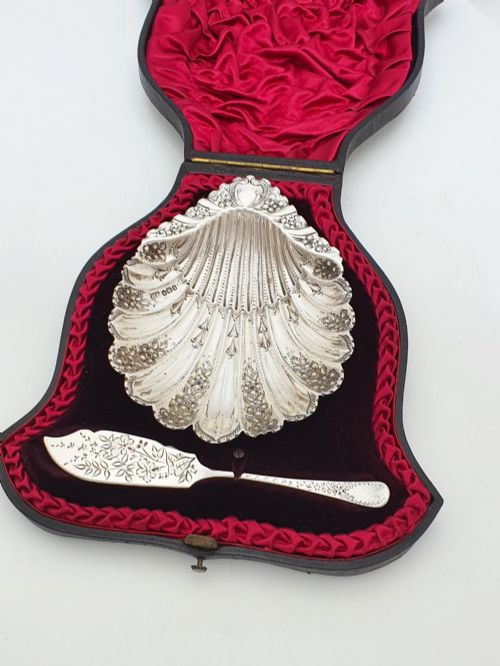
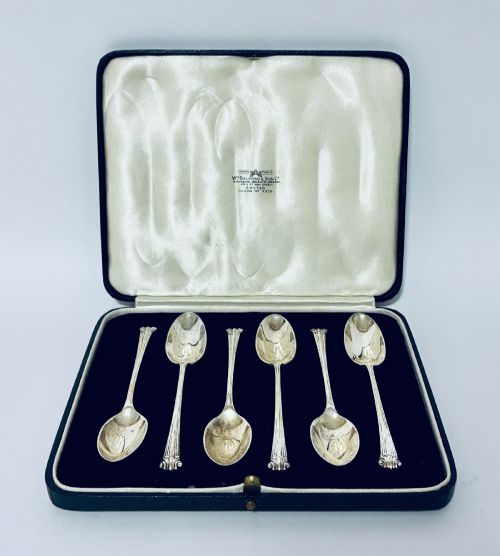
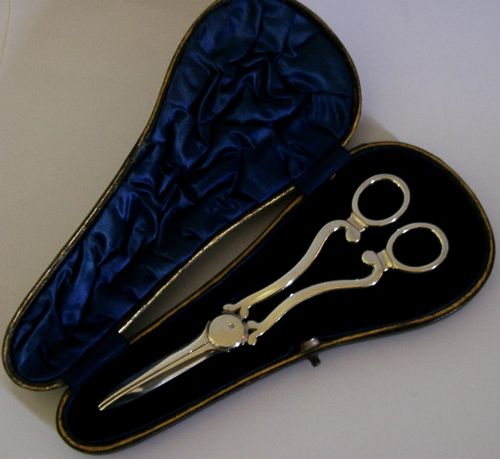
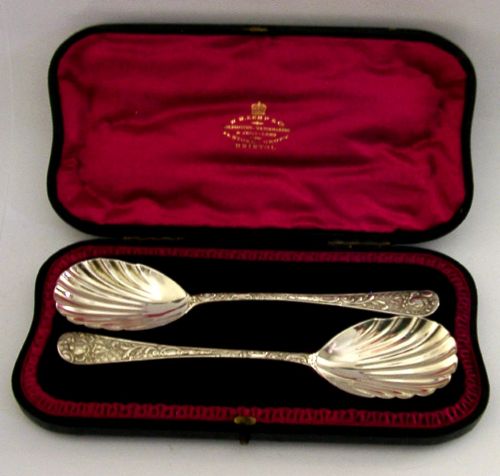
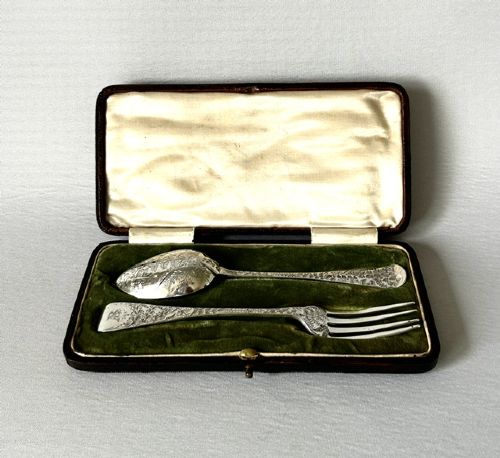
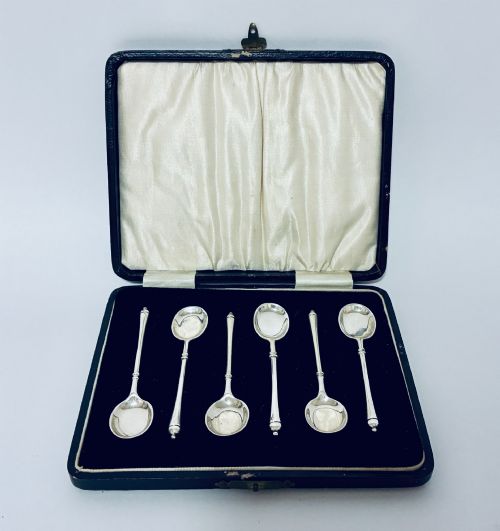
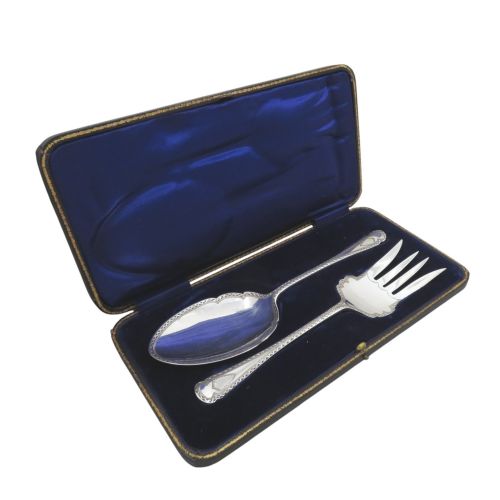
Solid silver cased cutlery comprises coordinated dining implements housed within fitted containers designed for safe storage and presentation. These sets span various forms, including teaspoons, coffee spoons, christening sets, fish servers, and grape shears.
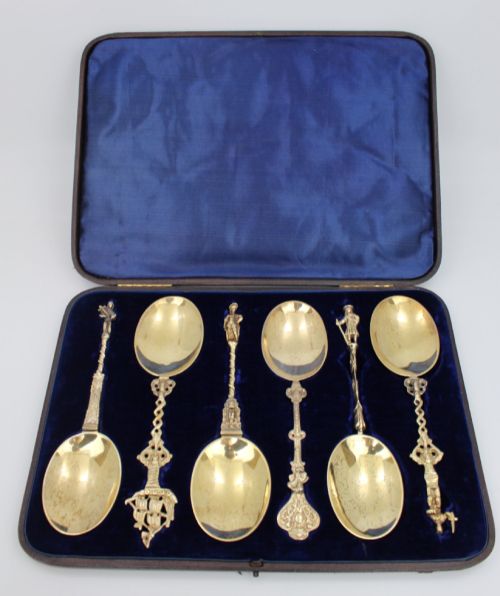
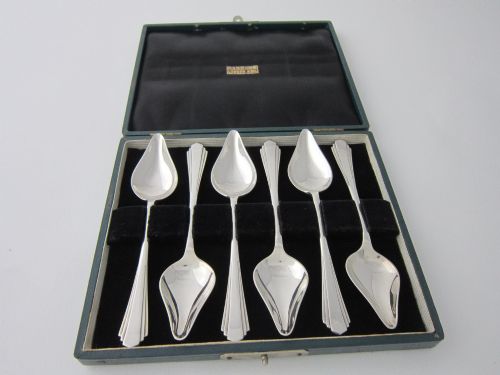
The pieces encountered most frequently on this page range from late Victorian examples through Edwardian sets to Art Deco designs of the 1930s and 1940s. Many collections include specialised implements such as lobster picks, bridge spoons, and apostle spoons alongside standard flatware.
Originating largely from British assay offices and silversmith workshops, these cased groups preserve complete services intended for specific domestic rituals. The protective housings ensure that the precious metal utensils remain matched and undamaged over generations.
Materials and construction
Utensils are fashioned primarily from sterling silver, with select pieces featuring silver-gilt finishes where a layer of gold coats the silver surface. Cases are constructed using rigid frames covered in materials such as leather, leatherette, or fabric.
Interiors are lined with soft textiles including velvet, silk, or satin, tailored specifically to hold each individual spoon, fork, or pair of shears securely in place. Structural elements incorporate metal hinges and clasps to secure the outer housing.
Solid Silver Cased Cutlery Retail Price Guide 2026
Typical asking prices for solid silver cased cutlery among the pieces listed under this phrase on Sellingantiques today, from the lower quarter to the upper quarter. They describe what is for sale here now, not the wider market.
Some sets include dedicated lobster picks and bridge spoons for game nights.
Qualities of distinction
The grade of a set depends upon the crispness of the silversmith's marks, the complexity of the handle decoration, and the integrity of the original fitted case. Complete sets with matching utensils demonstrate greater coherence than assembled collections.
Materials utilised for interior linings and exterior coverings influence the overall character of the piece, with high-grade leather and rich silk linings indicating superior original production. The presence of specialised implements, such as grape shears or silver-gilt finishes, elevates the scope of the set.
Deakin & Francis·Walker and Hall·Robert Stebbings·Cooper Brothers and Sons·JOHN ROUND
The Solid Silver Cased Cutlery Glossary
- Sterling silver
- An alloy comprising ninety-two point five percent silver by mass, with the remainder consisting of other metals like copper. This standard composition is marked with specific hallmarks on British silver items.
- Silver-gilt
- Silver objects that have been coated with a thin layer of gold on their surfaces. This technique adds a warm yellow tone and protects the underlying silver from tarnishing.
- Hallmark
- An official stamp applied by an assay office indicating the purity of the metal, the maker, and the year of production. These marks provide definitive historical documentation for antique silverware.
- Apostle spoon
- A spoon featuring the figure of an apostle or saint cast or engraved on the terminal of the handle. These decorative pieces were traditionally produced in sets.
- Bridge spoon
- A specialised spoon designed for use during card games such as bridge. They often incorporate modern materials like Bakelite alongside traditional silver.
Solid Silver Cased Cutlery: Frequently Asked Questions
What is solid silver cased cutlery?
Solid silver cased cutlery refers to matching sets of precious metal dining utensils housed inside dedicated protective boxes.
These fitted boxes are lined with soft fabrics like silk or velvet to keep the spoons, forks, or servers secure and polished.
How do I identify the date of a cased set?
Dating relies upon the hallmarks stamped directly onto the metal components of the cutlery.
These official assay marks indicate the specific year of manufacture alongside the maker's mark and silver standard.
How were these sets used historically?
These utensils served specific domestic functions ranging from formal tea service to specialised dining tasks like eating fish or serving fruit.
Many sets were also gifted for significant life events such as christenings or weddings, remaining safely stored in their presentation cases between uses.
What materials are used inside the cases?
Interior compartments are fitted with tailored bases covered in velvet, satin, or silk.
These soft textiles protect the sterling silver surfaces from scratching while holding each individual piece firmly in position.