




Solid Silver Basket
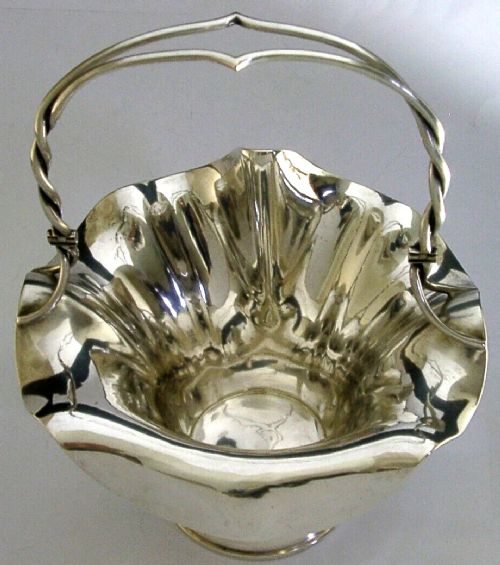
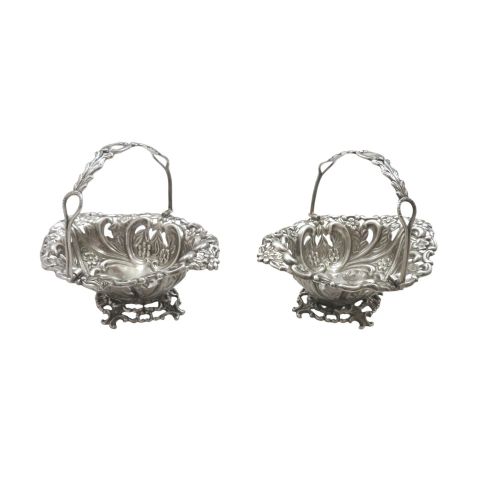
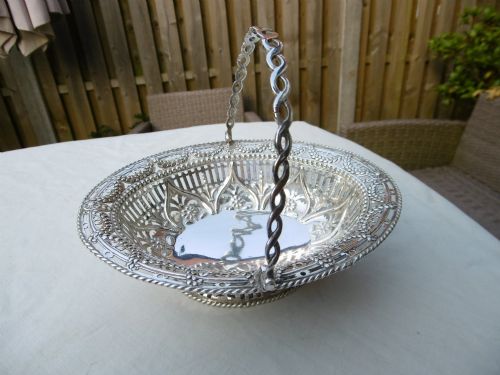
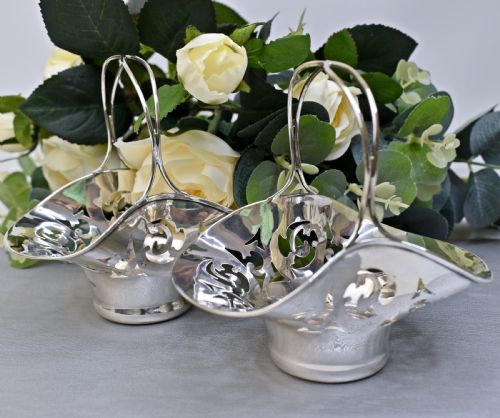
When you search for a solid silver basket, you uncover an array of intricately pierced, swung-handled vessels designed for sugar, bread, and fruit.
Solid Silver Basket
A solid silver basket encompasses a broad category of domestic tableware ranging from small bonbon dishes and cream pails to large Georgian and Victorian bread and fruit baskets. The examples you encounter on this page span the eighteenth, nineteenth, and early twentieth centuries, with a strong representation of Edwardian and George V production.
Forms vary from oval sugar baskets with swing handles to heavily pierced centrepieces and small pedestals. Makers utilised sterling and solid silver to create functional items that doubled as decorative centrepieces for the dining table or sideboard.
How they were made
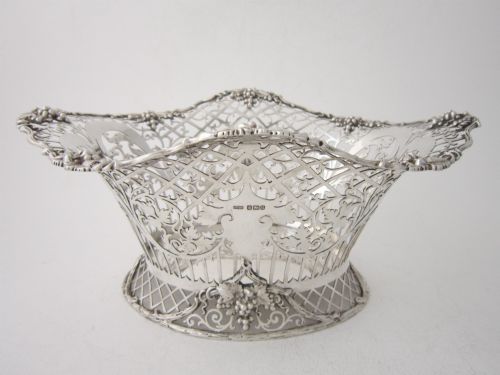
Silversmiths employed techniques such as piercing, fretwork, and lattice cutting to create openwork panels across the body of the basket. Hammering, embossing, and repoussé detailing added floral motifs, rococo revival scrolls, and gadrooned borders.
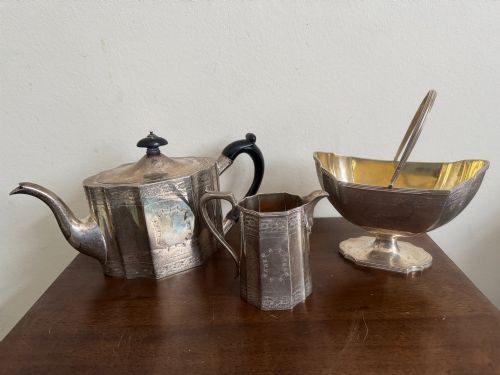
Many larger vessels incorporate swing handles attached via pivot pins, requiring precise metallurgical balance. Selected pieces include supplementary materials such as wooden bases or interior gold gilding known as vermeil.
Solid Silver Basket Retail Price Guide 2026
Typical asking prices for solid silver basket among the pieces listed under this phrase on Sellingantiques today, from the lower quarter to the upper quarter. They describe what is for sale here now, not the wider market.
Listings demonstrate a high concentration of Edwardian and Victorian pierced baskets alongside Georgian swing-handled bread and sugar vessels.
What varies in quality
The standard of a solid silver basket rests upon the weight of the metal relative to its size and the crispness of the pierced or chased decoration. Substantial gauge silver resists bending and retains sharp detailing along the fretwork margins.
Maker reputation and the complexity of the handle mechanism also distinguish ordinary production from high workshops. Pieces featuring full, clear hallmarks across every moving part and component demonstrate superior provenance.
William Comyns·Fenton Brothers·James Dixon And Sons·William Hutton And Sons·Joseph Rodgers·Robert Garrard
The Solid Silver Basket Glossary
- Sterling silver
- A silver alloy containing 92.5 percent pure silver by mass, with the remainder composed of other metals, typically copper.
- Pierced work
- A decorative technique where metal is cut through to create openwork patterns like lattice or fretwork. This method lightens the object while maintaining structural integrity.
- Swing handle
- A movable handle attached to opposite sides of a basket via hinges or pins. It allows the handle to fold flat against the rim.
- Repoussé
- A metalworking technique where the artisan hammers the design from the reverse side to create low relief ornamentation on the front.
- Gadrooning
- A decorative notched or fluted moulding running along the rim or foot of a vessel. It is often seen on Georgian silver.
Solid Silver Basket: Frequently Asked Questions
What were solid silver baskets used for?
These vessels served practical functions on the dining table, holding bread, sugar lumps, fruit, or small confections during formal meals and tea services. Their decorative presence also allowed them to stand empty as centrepieces or potpourri holders.
Over time, their domestic utility shifted from dining room service to display items on sideboards and drawing room tables, reflecting changing Victorian and Edwardian social rituals.
How do I identify a Georgian silver basket?
Georgian examples often display neoclassical or rococo revival aesthetics, featuring heavy gadrooned borders, cast feet, and hand-pierced geometric or floral patterns. They frequently include swing handles and bear clear, crisply struck date letters and makers' marks from the eighteenth or early nineteenth century.
Examining the underside and the handle joints reveals the characteristic hand-finished construction methods of the period, which differ from later machine-rolled Edwardian sheet silver.
How should I clean an antique silver basket?
Maintain antique silver by washing it gently in warm water with mild soap, avoiding harsh abrasive dips that strip away the natural patina accumulated over centuries. Soft cloths and gentle polishing preserve the fine details of pierced fretwork and embossed chasing.
Store the piece in a dry environment away from direct sunlight, and consider tarnish-preventing cloths if the basket is displayed in an open room.