
Solid Oak Seat
A solid oak seat brings the substantial weight and direct craftsmanship of centuries of British woodworking into an interior.
Solid Oak Seat
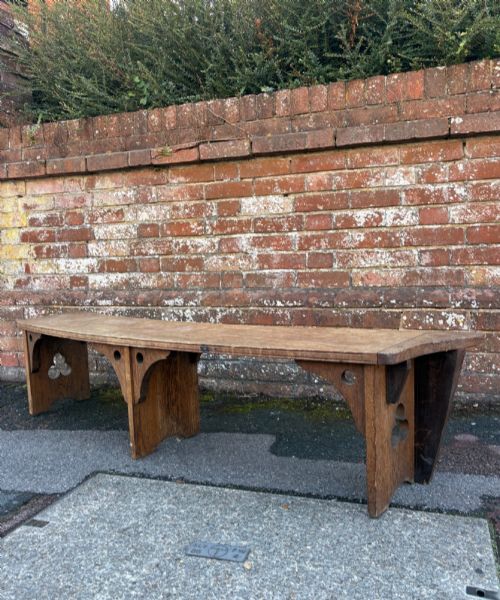
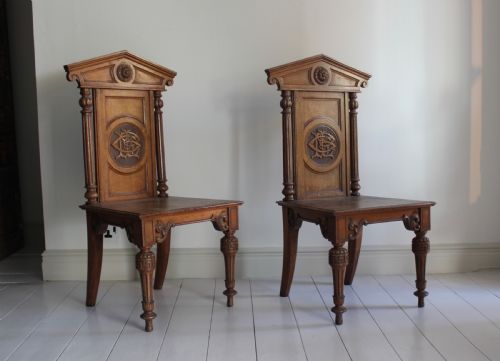
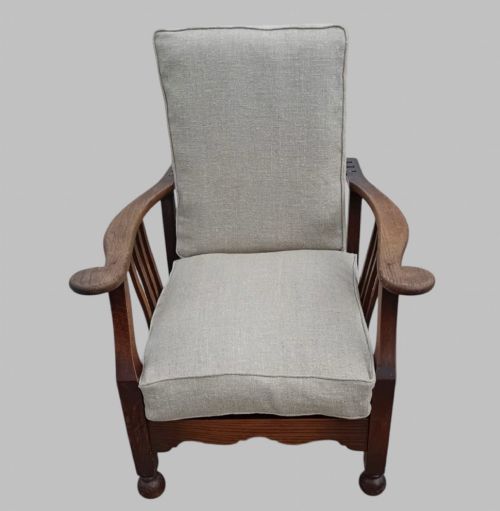
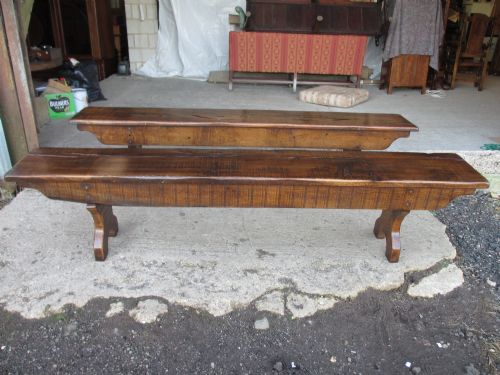
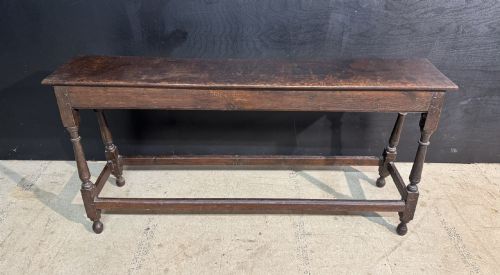
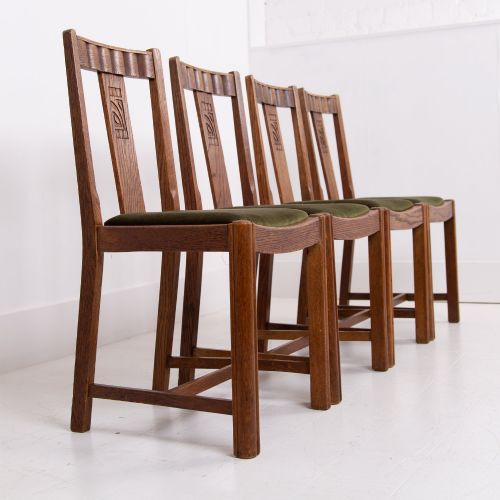
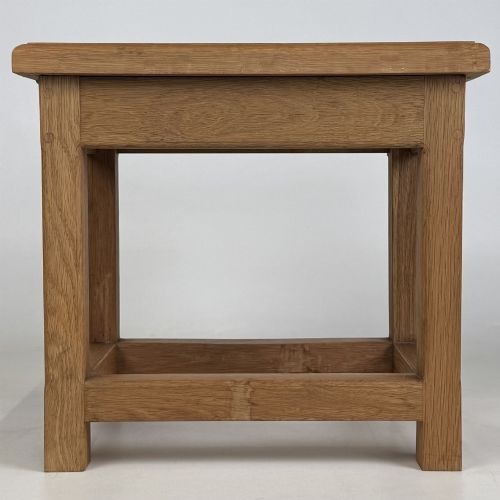
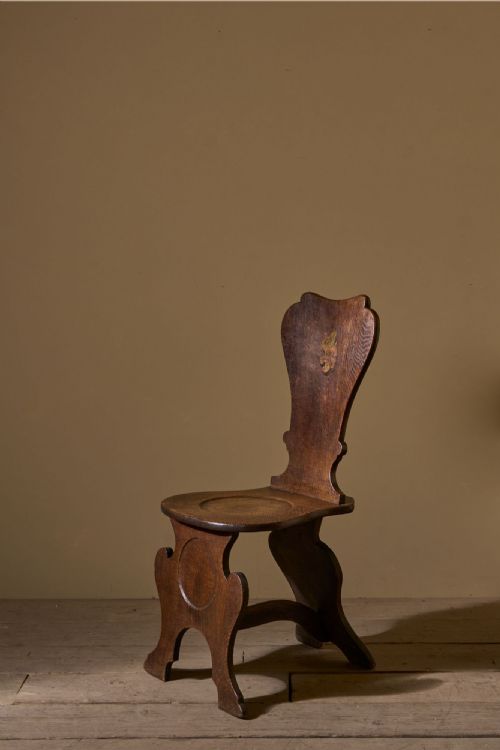
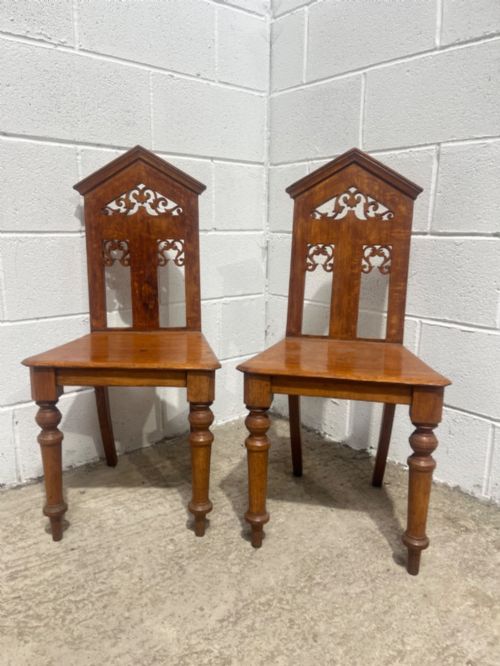
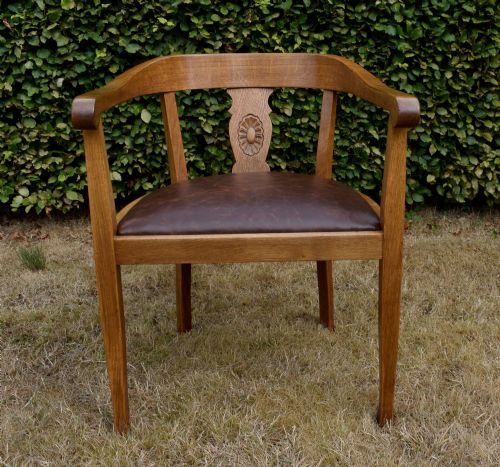
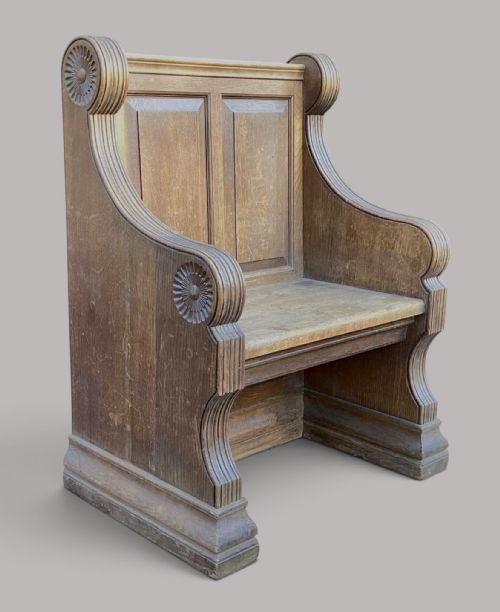
A solid oak seat encompasses a wide functional vocabulary, ranging from hall chairs and benches to settles and architectural refectory forms designed for daily utility. These pieces emerge predominantly from the nineteenth and early twentieth centuries, drawing heavily upon earlier Gothic, Jacobean, and Arts and Crafts vernaculars.
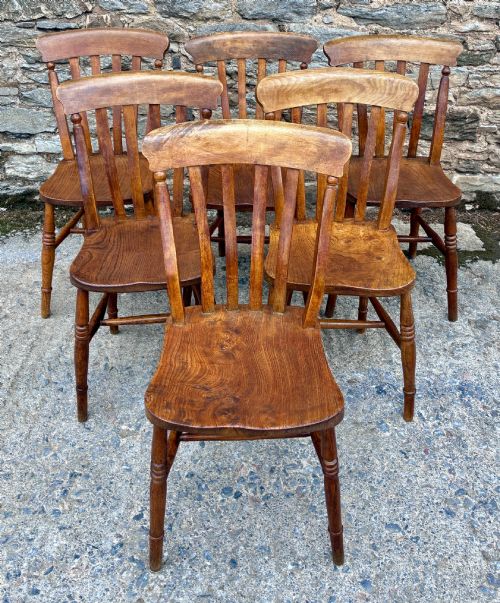
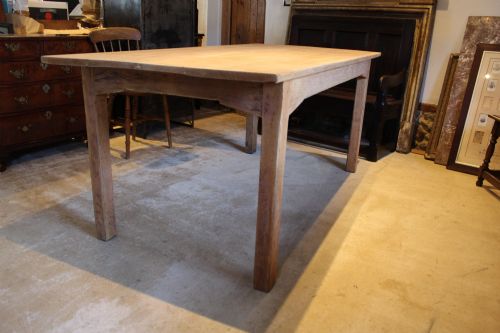
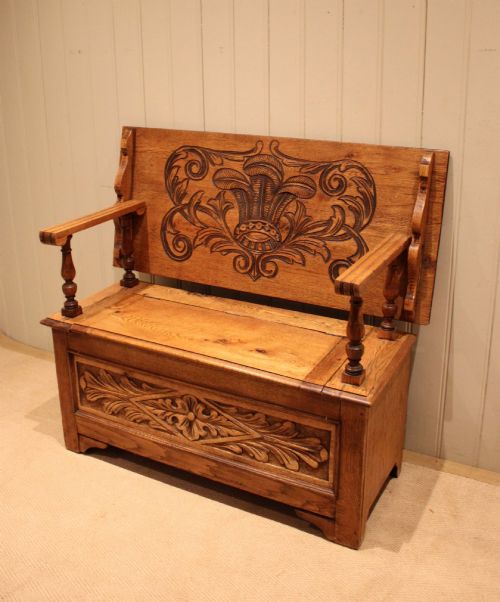
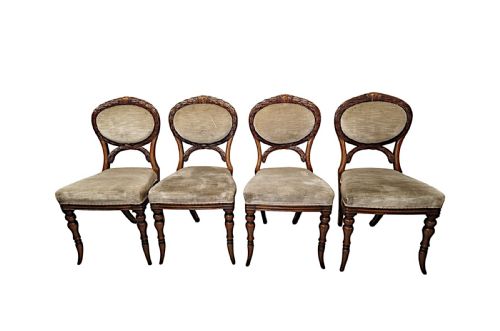
On this page, the buyer encounters everything from provincial dining sets and slender hallway benches to heavy monastic monks benches with hinged table backs. The selection spans centuries of domestic life, reflecting how hardwood seating evolved from utilitarian farmhouse furniture into considered decorative statements.
Origins vary from vernacular country workshops to urban cabinet makers, yielding items that balance heavy structural integrity with distinct regional carving styles. Whether addressing a narrow entrance hall or outfitting a dining space, these seats offer tangible connections to traditional carpentry.
Construction and Materials
Makers relied on native timbers, predominantly solid oak supplemented by elm, beech, and ash for structural turns and secondary components. Boards were frequently jointed using traditional pegged mortise and tenon joints to withstand decades of heavy domestic pressure without metal fixings.
Surface ornament relied upon hand-carved details such as trefoils, linenfold panels, and heraldic shields executed directly into the timber. Leather, velvet, and rush occasionally supplemented the wooden frames for added comfort on chairs and stools.
Several settles double as indoor draught-excluders with built-in storage boxes beneath the seat, proving our ancestors took hallway comfort very seriously indeed.
Assessing Quality
Quality rests in the selection of the timber grain and the integrity of the original joints rather than applied surface decoration. Heavier framing and deeply figured quarter-sawn oak denote workshops where material was selected for longevity.
Proportion and architectural balance distinguish superior examples from standard utilitarian production. Pieces retaining their original unclipped feet and untouched surface patination command greater appreciation among collectors.
Strahan of Dublin·Titchmarsh and Goodwin·Jack Grimble
The Solid Oak Seat Glossary
- Joint Stool
- A low wooden stool constructed with mortise and tenon joints rather than turned legs inserted into a seat. These sturdy pieces served multiple household functions in early domestic interiors.
- Settle
- A high-backed wooden bench with solid arms and a closed base designed to keep out draughts in medieval and provincial rooms. Many examples incorporate hinged seats providing concealed storage.
- Refectory
- A long dining table or associated bench originally built for monastic dining halls. The form translates well to domestic kitchens through heavy stretcher bases and thick plank tops.
- Wainscot
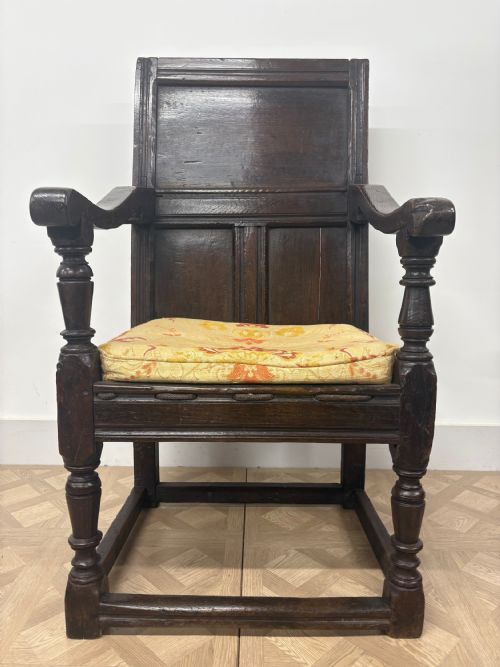
- A type of heavy wooden armchair constructed with panelled backs and solid wooden seats typical of the seventeenth century. These items represent status and substantial carpentry.
- Harlequin
- A matched set of chairs assembled from individual pieces sharing similar period characteristics rather than originating from a single workshop bench. This term describes gathered dining suites.
- Lathe Back
- A chair design featuring turned vertical wooden spindles supporting a curved crest rail above a solid wooden seat. They appear frequently in country kitchen settings.
Solid Oak Seat: Frequently Asked Questions
How do I date a solid oak seat?
Dating relies on observing construction marks, joinery methods, and the tool traces left by the carpenter. Early pieces display hand-riven timber textures and pegged joints that differ from later industrial production.
Style references also provide clues, though revivals frequently borrow motifs from the seventeenth century. Comparing the wear patterns around the footings and seat edges helps confirm the age of the piece.
Where were these benches historically placed?
Hall benches and settles originally stood in the entrance passageways of large houses to receive callers and block cold drafts from the main rooms. Their narrow proportions made them suitable for transitional spaces.
Over time, similar forms moved into dining rooms and informal kitchens to accommodate larger gatherings around heavy tables. Their robust construction allowed them to withstand constant traffic.
Are solid oak seats comfortable?
Unupholstered wooden seats offer firm support shaped by ergonomic considerations rather than soft padding. Many examples feature contoured saddles or high raked backs designed for prolonged sitting.
Loose cushions or pads can easily soften the timber surface for daily dining use. The underlying geometry distributes weight evenly across the solid plank.
How do I care for antique oak furniture?
Maintain the timber by applying traditional beeswax periodically to nourish the grain and preserve the surface sheen. Avoid placing solid oak near direct heat sources which can cause the boards to split.
Keep the wood away from excessive moisture and dust regularly with a dry cloth. Gentle maintenance protects the historic patination accumulated over generations.