


Soft Paste Porcelain Bowl
A soft paste porcelain bowl brings the delicate weight and translucent warmth of eighteenth-century kilns directly to your table.
Soft Paste Porcelain Bowl
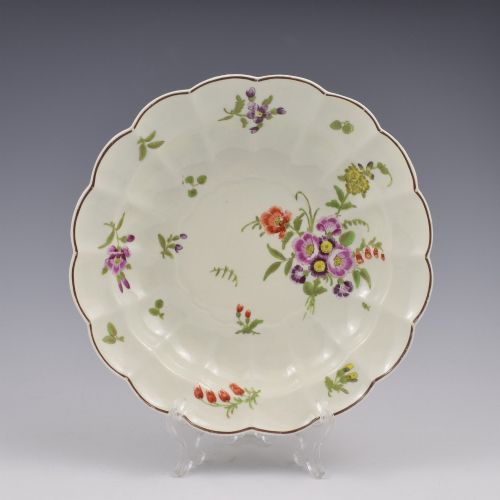
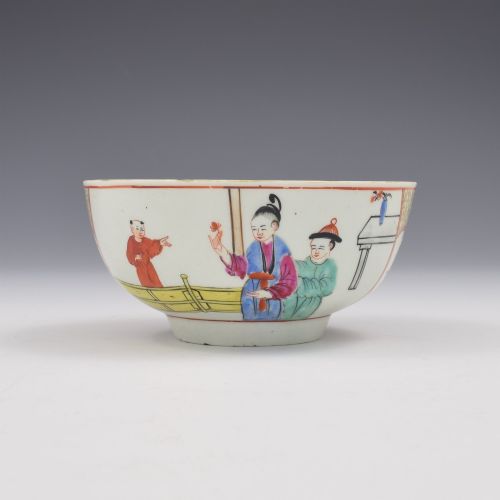
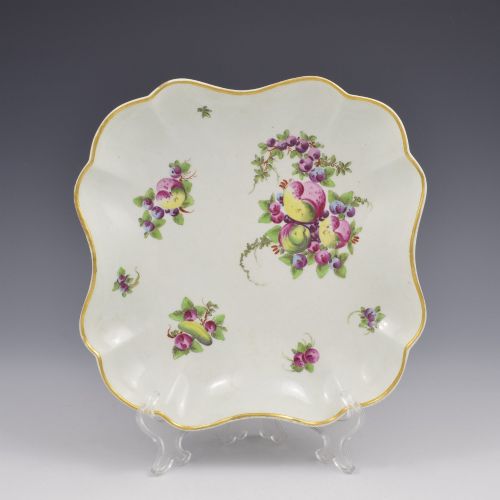
A soft paste porcelain bowl represents a delicate ceramic vessel shaped during the eighteenth century across Georgian workshops. These pieces span standard table bowls, tea bowls, slop bowls, and punch bowls decorated with blue and white or polychrome enamels. When seeking a soft paste porcelain bowl, collectors frequently encounter wares attributed to Worcester, Chelsea, Derby, and Lowestoft. The surviving examples showcase varied forms including fluted tea bowls, scalloped dessert dishes, and deep punch bowls designed for Georgian dining.
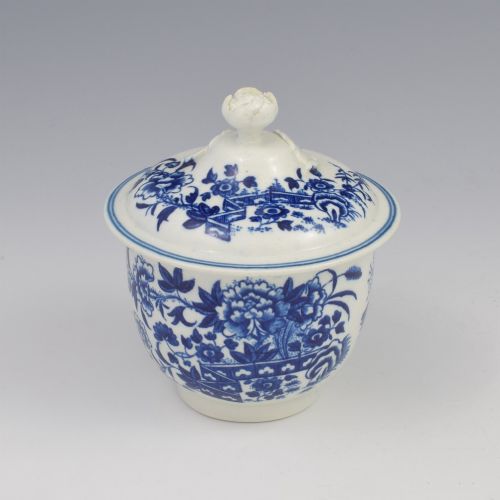
The objects on this page largely emerge from the mid to late eighteenth century, reflecting the early output of English ceramic factories. Common variations include tea bowls paired with saucers, sugar bowls with covers, and larger communal slop bowls intended for rinsing tea leaves. The forms range from plain circular basins to moulded baskets and lobed dishes influenced by contemporary tastes.
Materials and production methods
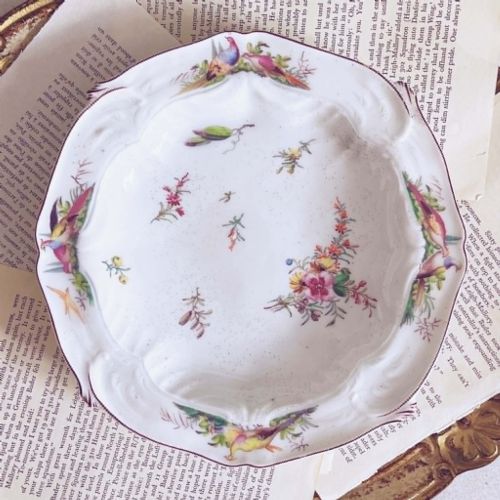
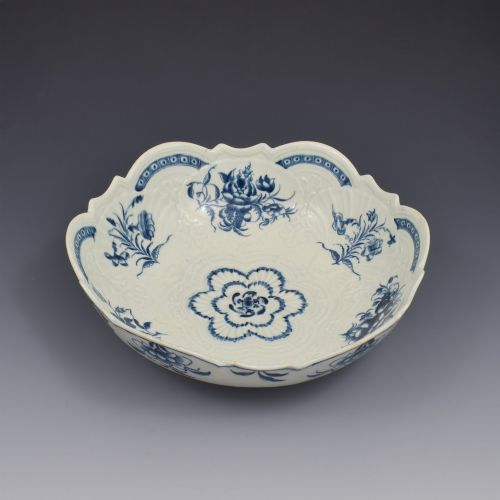
Potters constructed a soft paste porcelain bowl using an artificial mixture of white-firing clays, powdered glass, and soapstone rather than hard-paste kaolin. This compound vitrified at lower kiln temperatures, producing a warm, creamy body that readily absorbed glaze and enamel colours. Artisans applied cobalt glaze beneath the surface for blue and white patterns or painted polychrome birds and figures over the fired glaze.
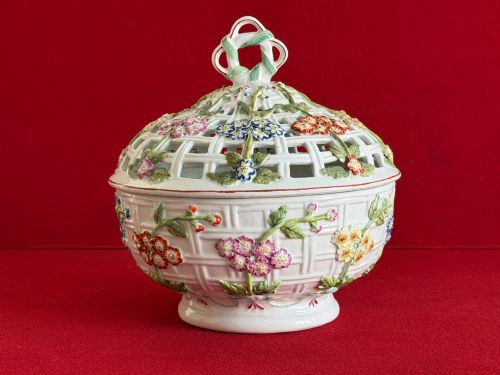
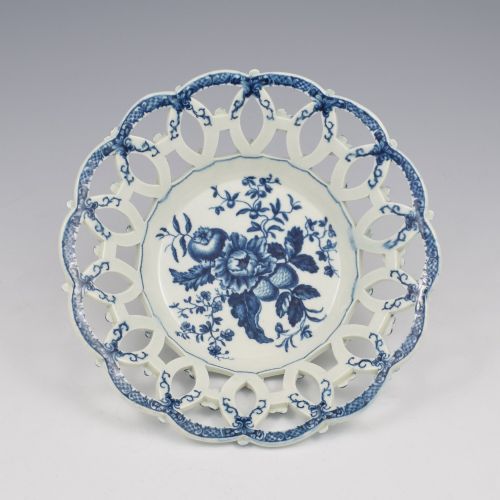
Moulding and hand-throwing formed the primary shaping techniques, often augmented by applied decorative elements like raised flowers or intricate wickerwork patterns on baskets. Gilt highlights and turquoise borders frequently received a secondary low-temperature firing to fix the metallic and enamel pigments onto the porcelain body.
The inventory highlights decorative forms ranging from tea bowls and saucers to chestnut baskets and punch bowls.
Assessing quality in early ceramics
Quality in a soft paste porcelain bowl rests upon the clarity of the glaze, the crispness of the moulded or painted decoration, and the stability of the fired body. Pieces exhibiting sharp cobalt blue transfer or precise handpainted polychrome figures without excessive blurring demonstrate superior factory output. The thinness of the potting and the evenness of the translucent body further distinguish standard domestic wares from exceptional display items.
The survival of original matching covers on sucriers and baskets, alongside the crisp definition of moulded details like pine cone or wicker motifs, separates finer examples from heavily worn pieces. The precision of gilding and the absence of heavy kiln distortion indicate the level of skill applied during the initial eighteenth-century manufacture.
Worcester Porcelain·Chelsea Porcelain·Derby Porcelain·Lowestoft Porcelain
The Soft Paste Porcelain Bowl Glossary
- Soft-paste porcelain
- A ceramic composition of glass frits, white clay, and fluxes fired at lower temperatures than true hard-paste porcelain. This material yields a characteristic warm, translucent body that absorbed enamels deeply.
- Cobalt glaze
- A metallic oxide pigment applied under the glaze to produce deep blue painted or transfer-printed designs. It withstands high kiln temperatures without losing intensity.
- Slop bowl
- A large bowl utilised during tea service to receive dregs and spent tea leaves from cups. These pieces match the smaller tea bowls in factory pattern and body.
- Sucrier
- A covered vessel designed to hold sugar during tea service. Many examples feature matching lids and decorative motifs identical to contemporary tea bowls.
- Polychrome
- A decoration scheme employing multiple enamel colours painted over the glaze. Artisans utilised these pigments to render birds, florals, and figures.
Soft Paste Porcelain Bowl: Frequently Asked Questions
How do I identify a Dr Wall Worcester piece?
Pieces from the Dr Wall period generally exhibit fine potting, delicate blue and white transfer or handpainted floral motifs, and early factory crescent or workman marks. The body displays the characteristic creamy translucency typical of eighteenth-century Worcester production.
Inspect the base for underglaze blue marks or check for the characteristic scale grounds and painted fence patterns associated with this specific factory era.
Were these bowls used for food?
Georgian households utilised these vessels primarily for serving tea, punch, or sweetmeats during formal dining and social gatherings. Tea bowls held hot infusions, while larger slop bowls collected waste liquid.
Today, collectors mostly display these fragile porcelain pieces rather than using them for daily dining due to the delicate nature of the soft-paste body.
What is the difference between a tea bowl and a teacup?
Eighteenth-century tea bowls were produced without handles, requiring the drinker to hold the vessel directly in the hands. This form derived from Chinese porcelain imports popularised during the Georgian era.
Handles only became standard on English teacups towards the later decades of the eighteenth century, making handleless bowls a reliable indicator of earlier dates.
How should I care for soft paste porcelain?
Keep these fragile ceramics away from direct sunlight and extreme temperature fluctuations to protect the historical glaze and enamel decorations. Dust them gently with a soft, dry cloth without applying modern cleaning solutions.
Hand washing in lukewarm water with mild soap should be done only when strictly necessary, avoiding dishwashers entirely to preserve the soft-paste body.