
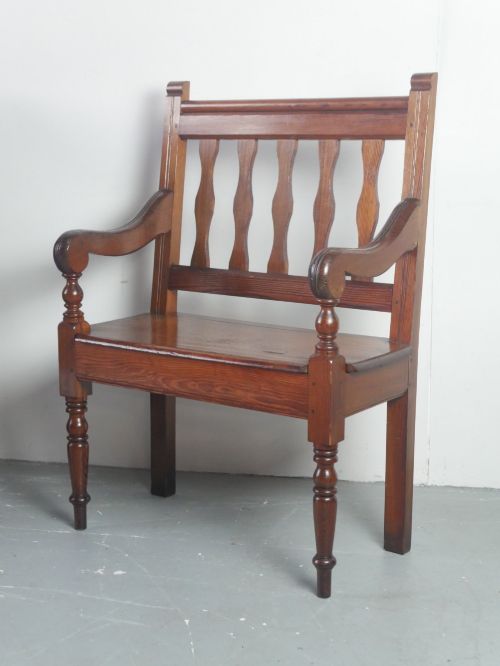
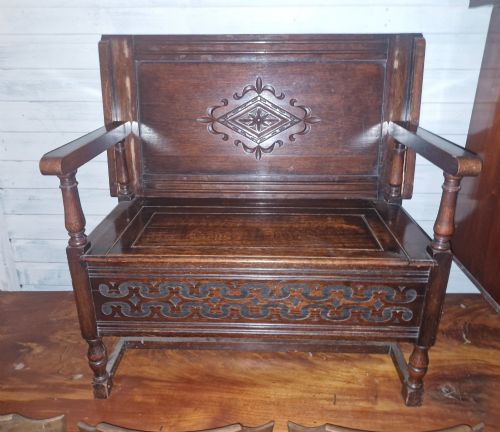
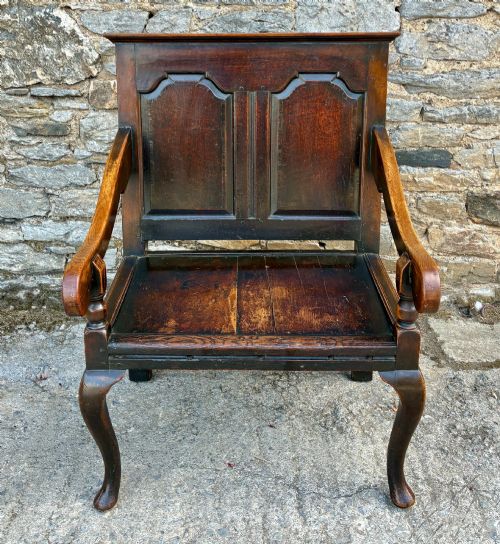
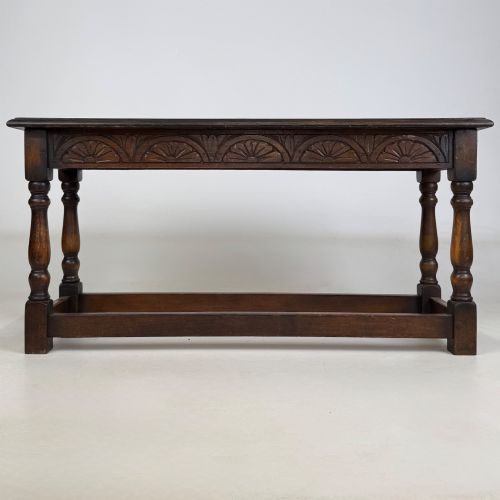


Small Wooden Bench
A small wooden bench brings utility and solid timber character to hallways and compact spaces through centuries of regional designs.
Small Wooden Bench
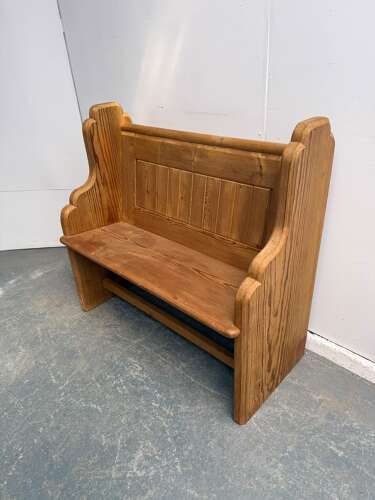
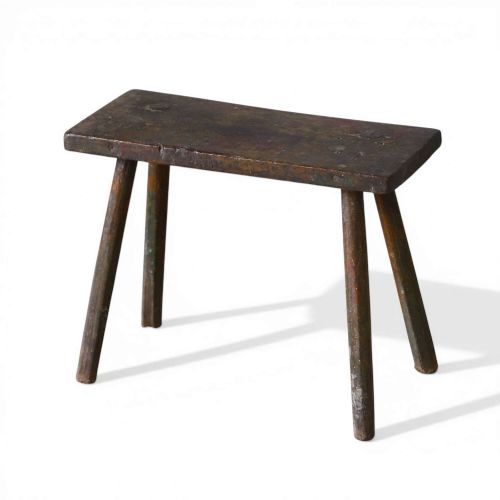
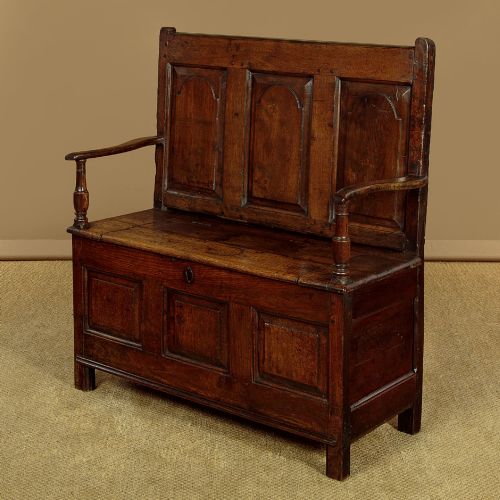
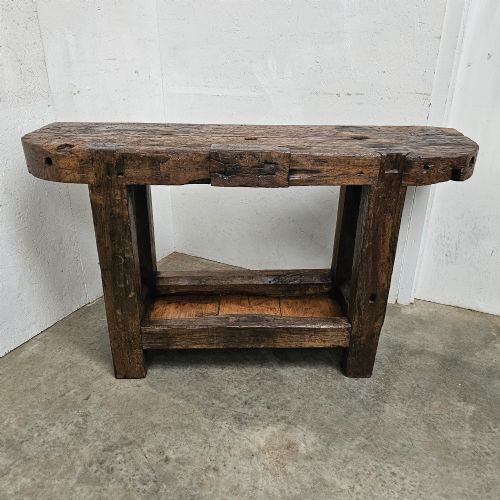
A small wooden bench encompasses a diverse group of compact seating forms, ranging from country pews and settles to milking stools and hall seats. When exploring a small wooden bench, you encounter vernacular pieces and revival styles spanning the eighteenth, nineteenth, and early twentieth centuries.
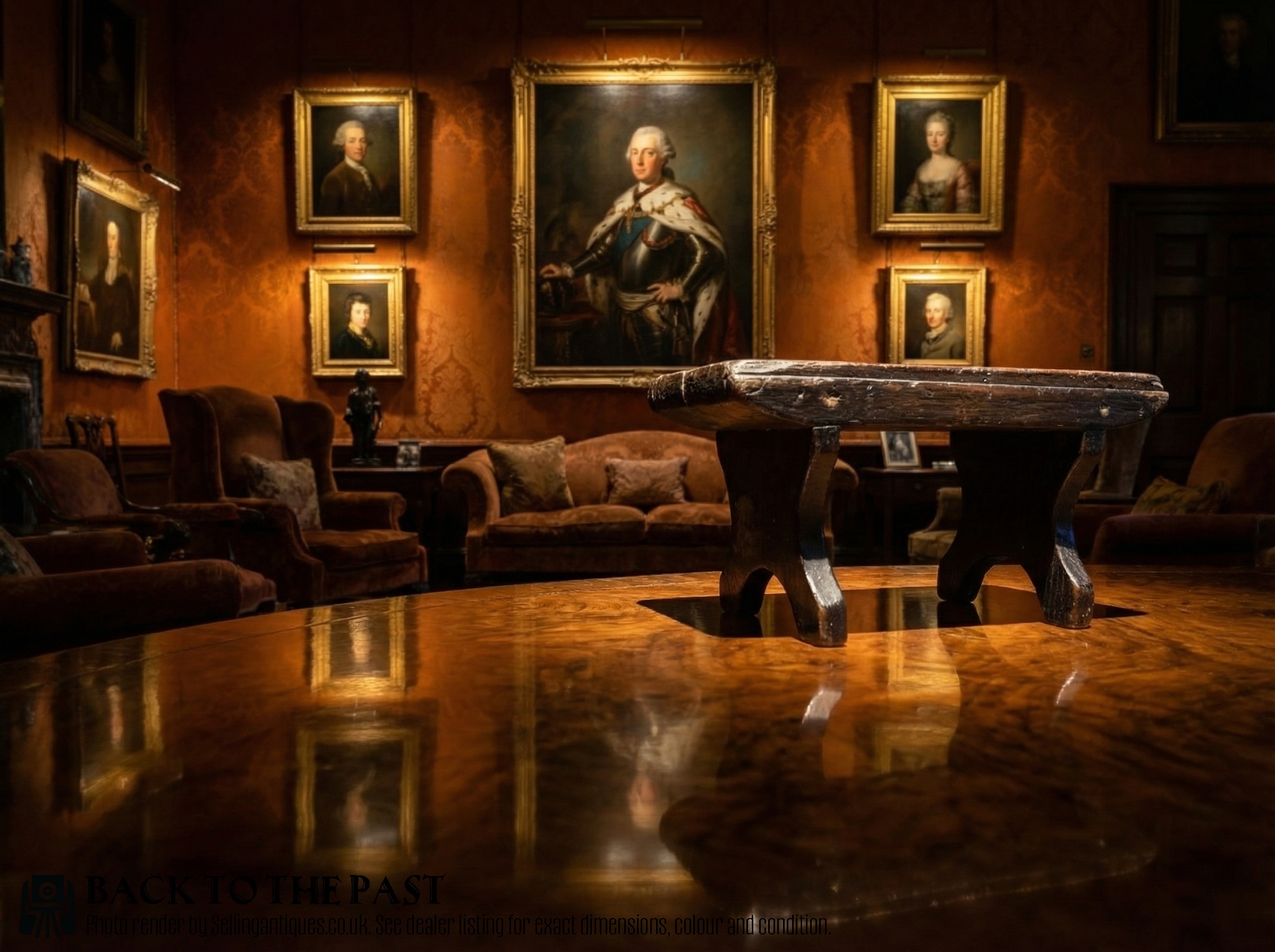
Materials and construction methods
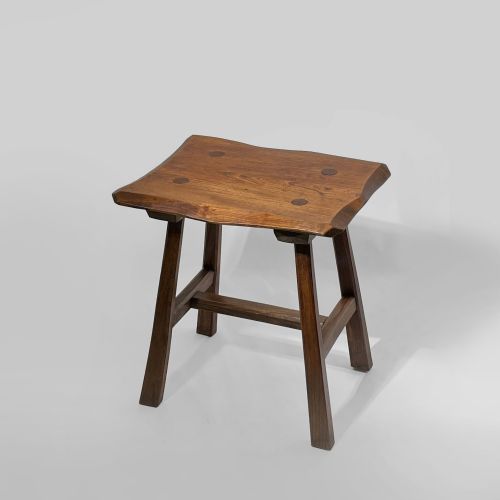
Construction relies heavily on sturdy timbers like oak, pine, and elm, often joined using traditional pegged methods or simple board joints. Many pieces showcase utilitarian craft traditions, utilising solid wood planks shaped by hand for daily domestic or agricultural use.
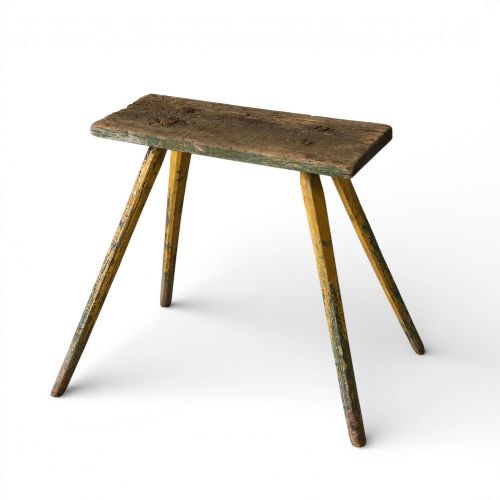
Surface finishes range from natural waxed patinas to original ochre, green, or white paint, while finer seating incorporates carved decoration or canework details. This combination of robust timber frames and varied surface treatments defines the physical character of the surviving inventory.
The inventory records oak, pine, elm, and beech across nineteenth-century vernacular and revival styles.
Assessing quality and proportion
Quality in these compact forms rests upon the integrity of the timber, the retention of original surface paint or patination, and honest proportions. Pieces retaining their early or original finish command greater interest from collectors than those stripped or overly restored.
Structural honesty and restraint in decoration distinguish superior vernacular examples from later reproductions. The balance between diminutive scale and robust functional construction dictates the desirability of each seat.
The Small Wooden Bench Glossary
- Settle
- A wooden bench with a high back, solid arms, and often a storage compartment beneath the seat. This form provided shelter from draughts in traditional interiors.
- Milking stool
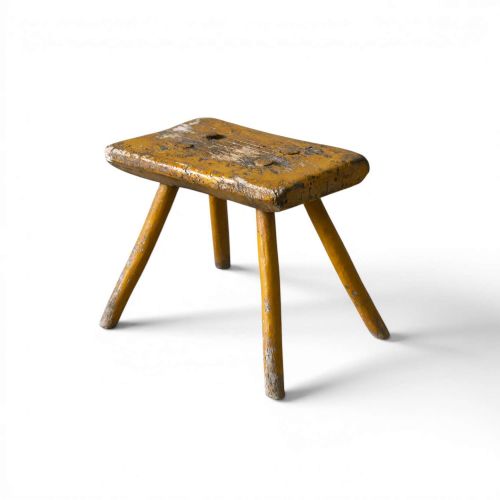
- A simple three or four-legged low stool designed for agricultural work. These pieces often feature raw timber construction and occasionally retain traces of early paint.
- Box settle
- A compact bench featuring a hinged seat that lifts to reveal a storage box below. They were common in smaller Welsh and English rural dwellings.
Small Wooden Bench: Frequently Asked Questions
What rooms suit a small wooden bench?
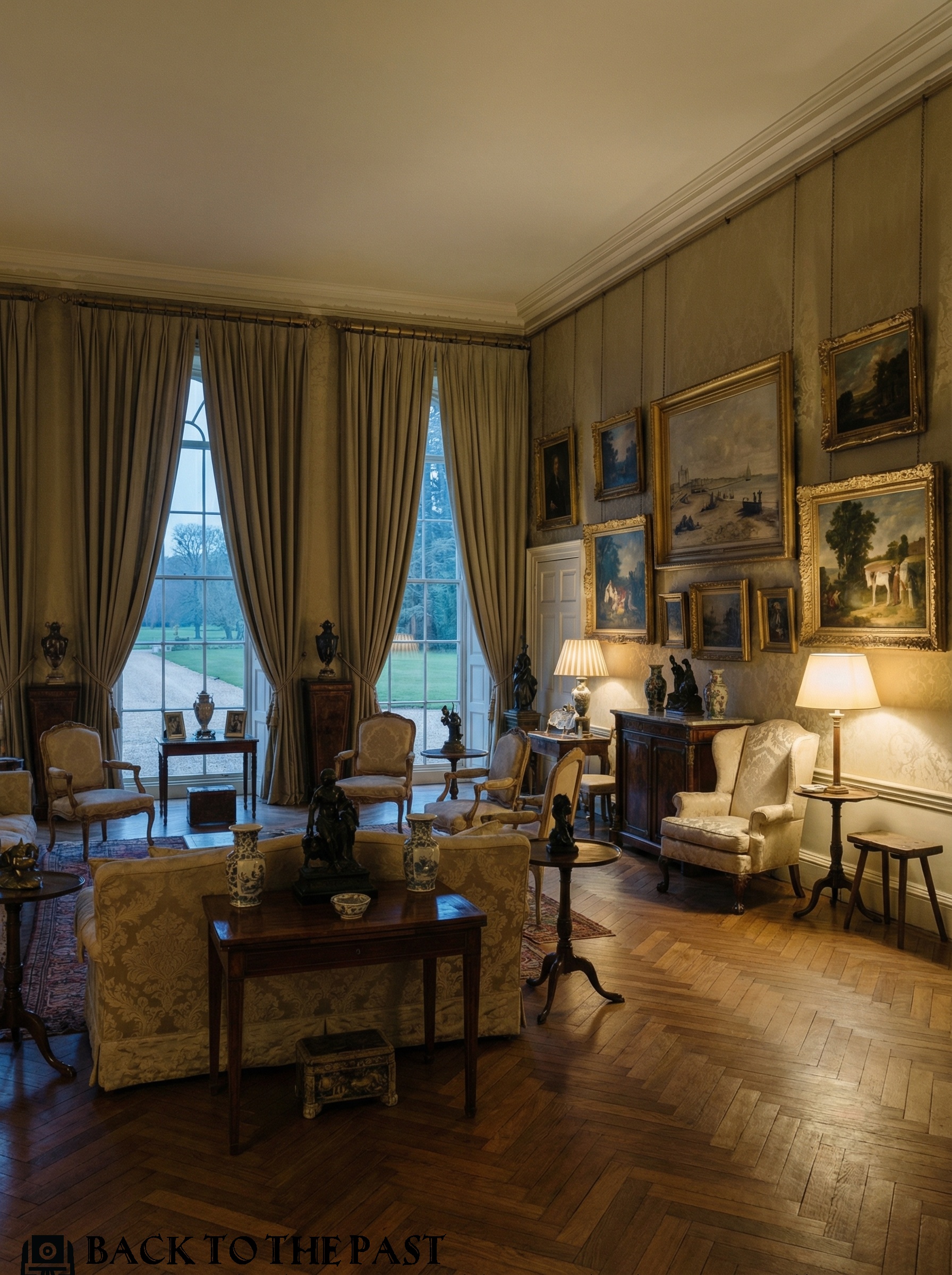
These compact seats fit easily into narrow hallways, boot rooms, or beside beds where full-sized furniture overwhelms the floor plan. Their modest proportions provide practical seating without crowding domestic interiors.
They also serve well as low display surfaces or occasional tables when paired with textiles or decorative objects.
How do I care for antique pine and oak?
Maintain timber surfaces by applying natural beeswax sparingly and buffing with a soft cloth to preserve the patina. Avoid placing wooden benches near direct heat sources or in damp environments to prevent splitting.
Original painted surfaces require gentle dusting with a dry cloth and absolute protection from moisture and harsh cleaning products.
Are these benches comfortable for daily use?
Many vernacular and rustic designs were built for utility rather than lounging, offering firm upright support. Adding small cushions or folded textiles makes harder wooden seats more comfortable for regular sitting.
Box settles and church pews provide enclosed seating that naturally shields the sitter from draughts in cooler rooms.
How can I tell an older piece from a revival?
Examine the timber shrinkage, tool marks, and joint construction for consistency with the stated period. Eighteenth and nineteenth-century examples often display hand-planed surfaces and pegged joints that differ from mass-produced twentieth-century revivals.
Wear patterns around footrests and seat edges also indicate genuine age and historical domestic use.