
Small Victorian Bookcase
When you search for a small victorian bookcase, you encounter compact timber shelving units built to house libraries in restricted spaces.
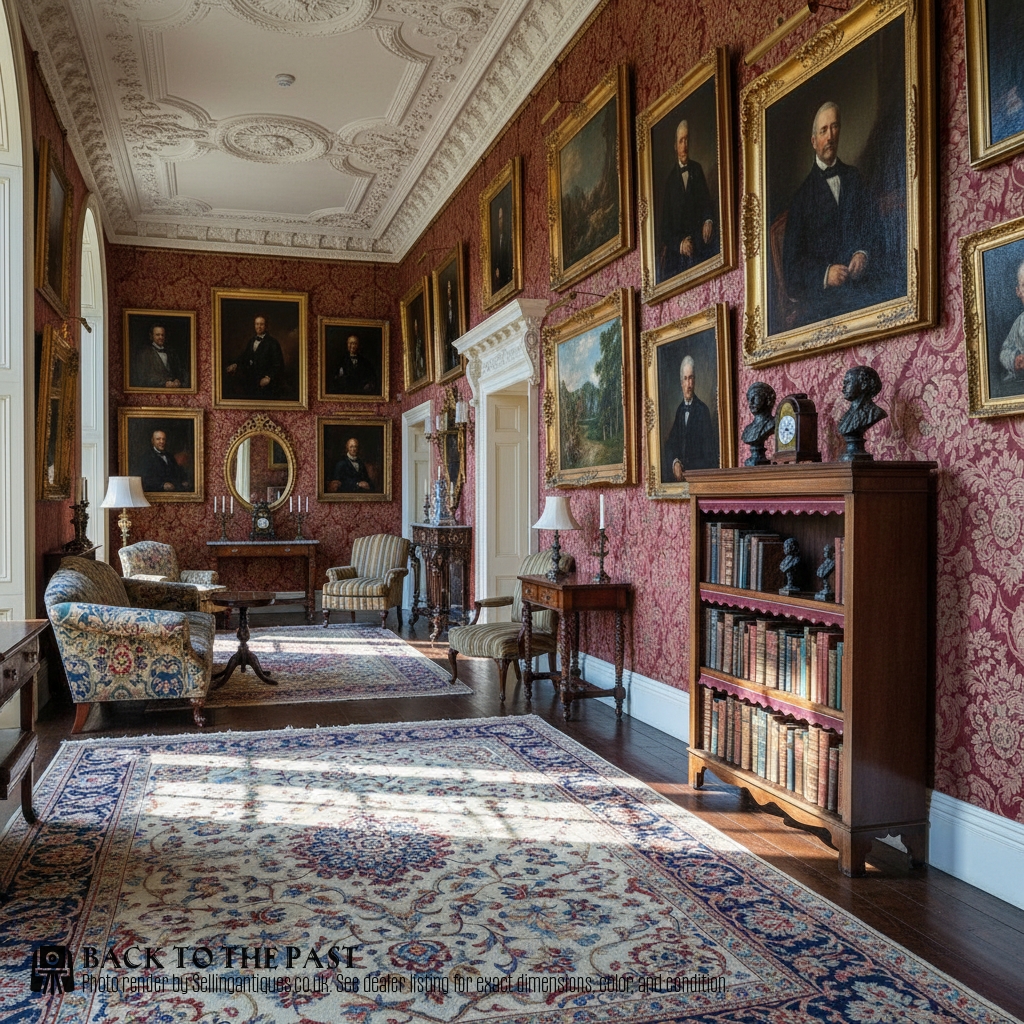
Small Victorian Bookcase
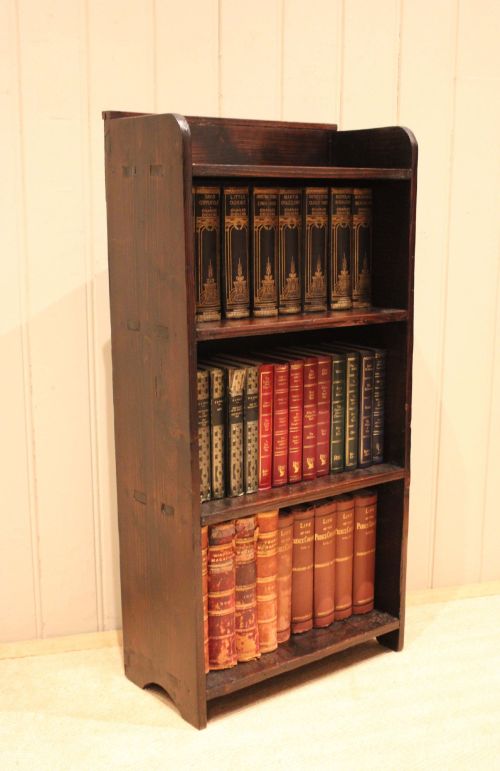
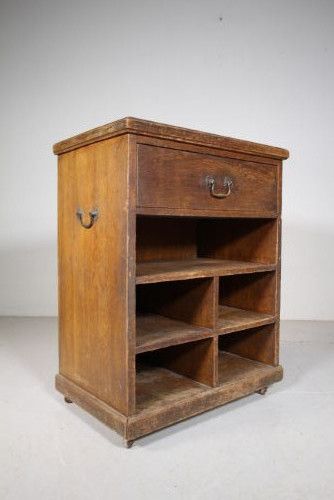
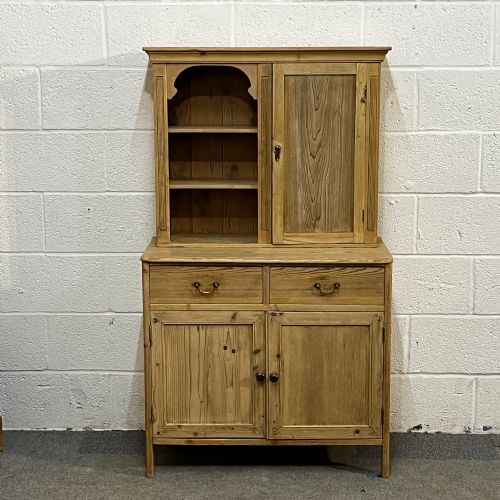
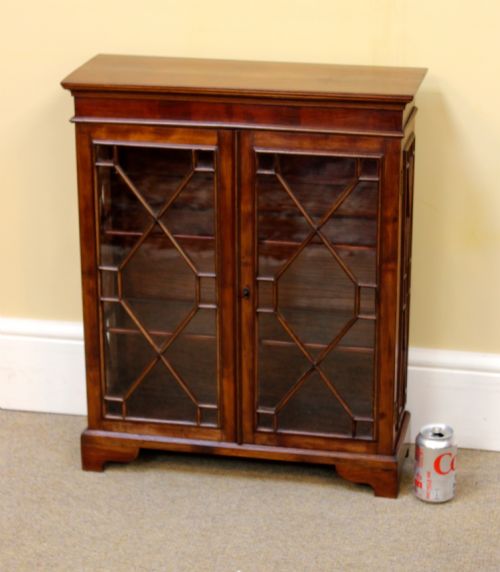
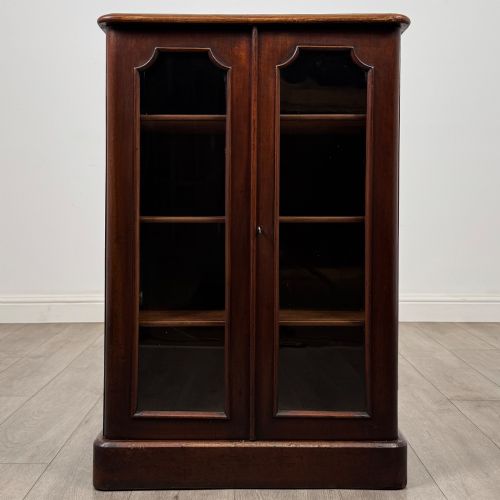
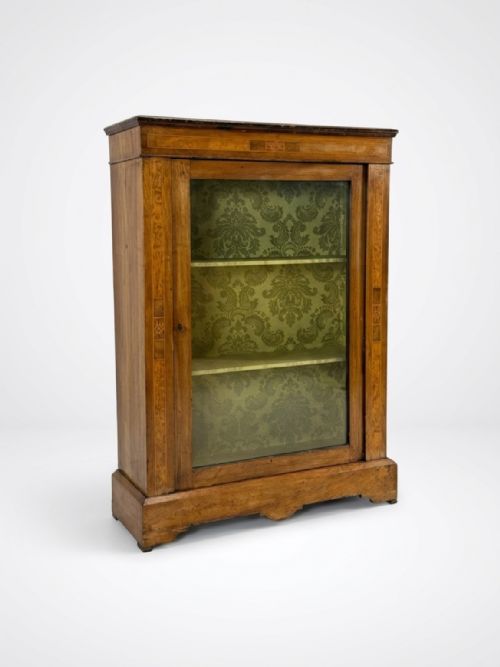
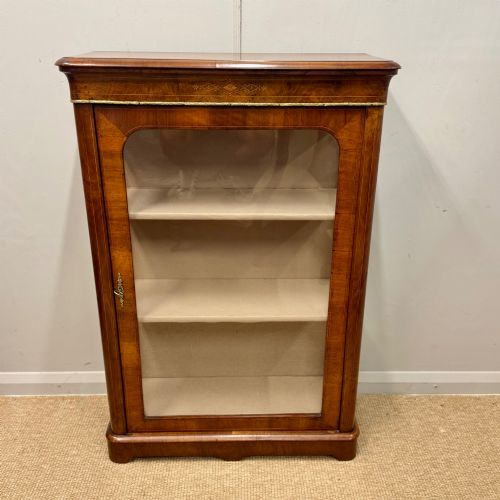
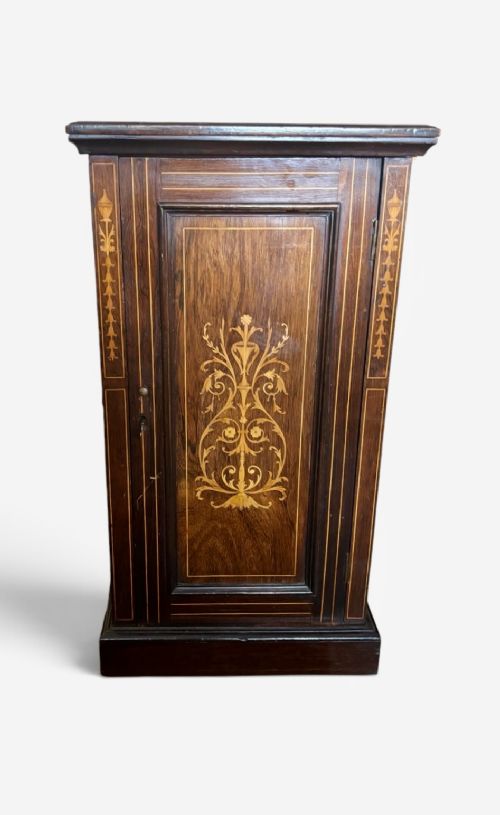
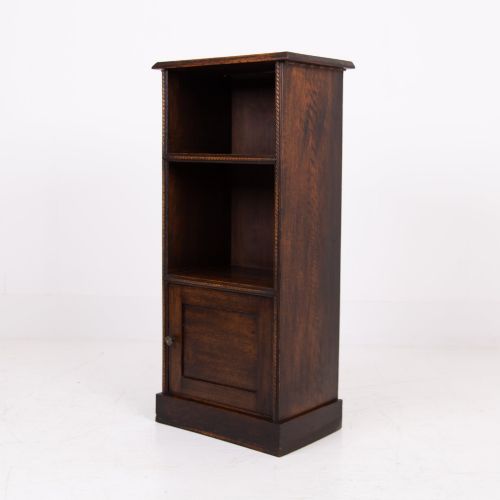
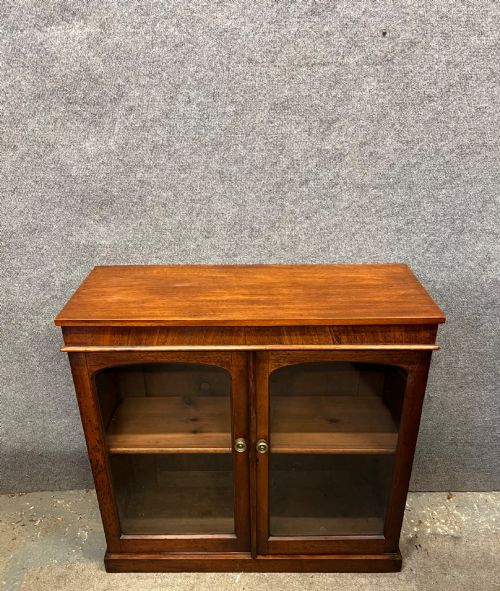
A small victorian bookcase comprises low open shelves, glazed display cabinets, and tabletop units designed for domestic interiors during the nineteenth century. The selection leans heavily toward mahogany and walnut constructions, often featuring neat proportions suitable for modest rooms.
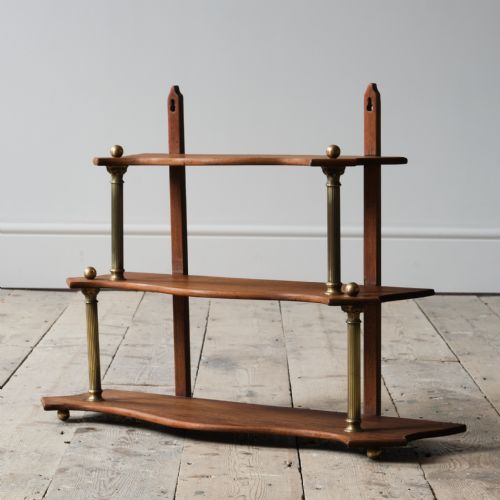
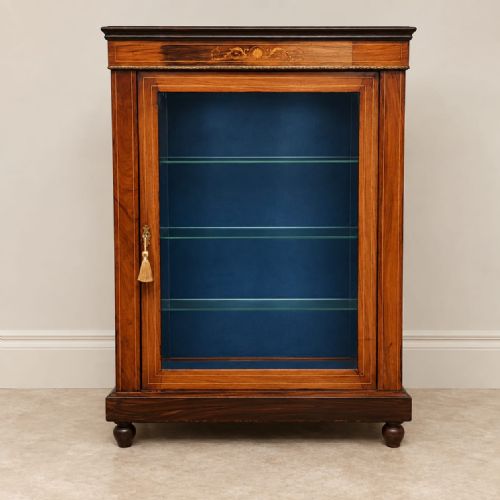
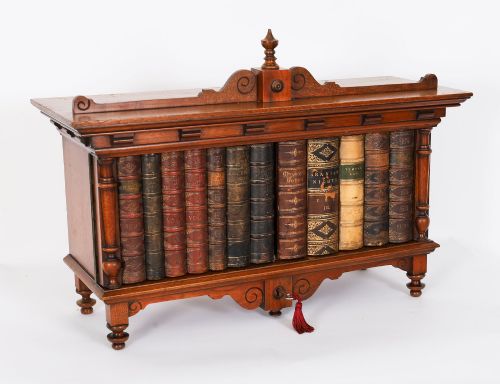
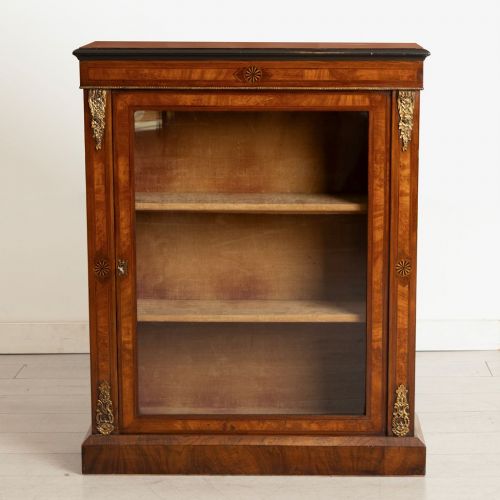
Beyond standard open shelving, forms include pier cabinets with glazed doors, wall-hanging shelves, revolving book stands, and secretaire bookcases incorporating drop-down writing surfaces. These pieces reflect the varied storage requirements of period households, accommodating everything from bound volumes to decorative ceramics.
Origins span the broader Victorian era alongside related nineteenth-century idioms like Regency and Edwardian revivals, with dates clustering around the decades of 1860, 1870, and 1880. Buyers frequently encounter examples executed in figured woods, satinwood, and oak alongside the more prevalent mahogany and walnut.
How they were made
Cabinet makers utilised dense hardwoods such as mahogany, walnut, rosewood, and oak, frequently applying decorative veneers like burr walnut or satinwood to primary visual surfaces. Solid secondary timbers such as pine appeared on internal linings and cabinet backs.
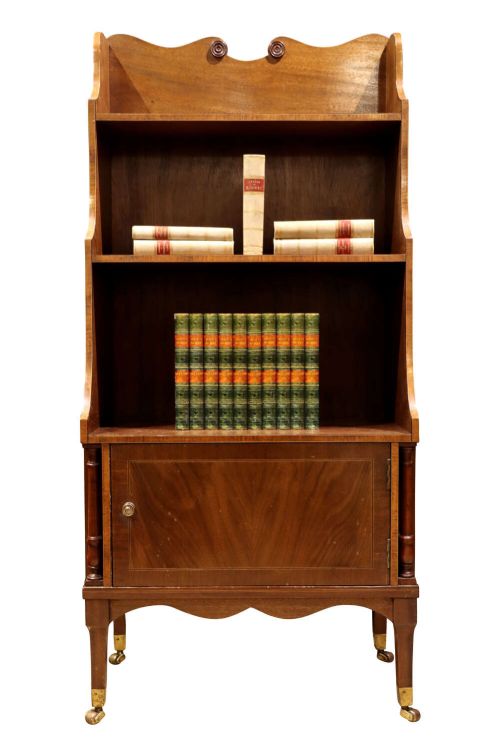
Surface finish relied upon traditional French polishing techniques to accentuate the grain patterns of the timber. Decorative detailing involved marquetry and stringing in contrasting woods, ebony inlays, brass castors, and pierced brass panels.
Small Victorian Bookcase Retail Price Guide 2026
Typical asking prices for small victorian bookcase among the pieces listed under this phrase on Sellingantiques today, from the lower quarter to the upper quarter. They describe what is for sale here now, not the wider market.
Listings feature extensive use of mahogany, walnut, and rosewood, alongside occasional examples in oak, pine, satinwood, and brass.
What varies in quality
The degree of refinement in timber selection separates standard utility pieces from exceptional items, particularly where highly figured burr walnut, rosewood, or marquetry veneers are employed. Finer examples display meticulous grain matching and intricate inlay work across the facade.
Structural joinery and hardware integration further define the hierarchy, distinguishing simpler open frames from complex glazed cabinets with working locks, adjustable shelving, and brass castors. Proportional harmony and original patination on the timber remain critical indicators of workshop standard.
The Small Victorian Bookcase Glossary
- Pier Cabinet
- A low display cabinet designed to fit against the wall space between windows. These pieces often feature glazed single doors and elaborate wood veneers.
- Waterfall Bookcase
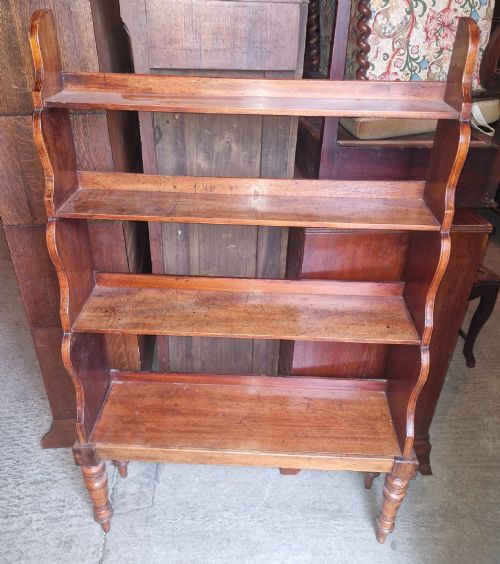
- A set of open shelves diminishing in depth from bottom to top, creating a stepped profile resembling cascading water. They emerged during the nineteenth century in both freestanding and wall-hanging formats.
- Secretaire Bookcase
- A cabinet incorporating a fitted writing drawer with a drop-down flap, positioned above enclosed shelving or cupboards. This dual-purpose form maximised utility in smaller nineteenth-century rooms.
- French Polishing
- A traditional wood finishing technique that applies numerous thin coats of shellac using a rubbing pad to achieve a high-gloss surface. It deeply enhances the natural grain and colour of mahogany and walnut.
- Marquetry
- The art of applying decorative veneer pieces in geometric or pictorial patterns onto a solid wooden base. Makers utilised contrasting timbers such as satinwood, rosewood, and ebony to create visual depth.
Small Victorian Bookcase: Frequently Asked Questions
What is a pier cabinet?
A pier cabinet is a low, narrow display cabinet designed to fit the narrow wall space between windows in a Victorian drawing room. They typically feature glazed doors to protect delicate collections.
Such cabinets often incorporate fine wood veneers like burr walnut and rosewood, frequently enhanced with marquetry inlay or contrasting ebony stringing.
How do I date a Victorian bookcase?
Dating relies on observing construction methods, timber choices, and prevailing decorative styles documented across the nineteenth century. Pieces from the middle decades often favour heavy mahogany, while later nineteenth-century examples frequently utilise walnut or incorporate elaborate marquetry.
Specific design markers, such as brass castors, adjustable shelf mechanisms, and specific revival motifs, help narrow the period of manufacture between the 1860s and the end of the century.
Where were these bookcases placed?
These compact pieces found placement in parlours, libraries, and bedrooms where full-sized library bookcases proved too large. Their modest dimensions suited the scale of Victorian sitting rooms.
Wall-hanging shelves maximised vertical space above furniture, while low open bookcases served as room dividers or sat beneath windows.
Are the shelves adjustable?
Many nineteenth-century bookcases feature adjustable wooden shelving supported by wooden ratchets or metal pins. This allowed owners to alter shelf heights for different book sizes.
Some smaller or earlier formats utilised fixed shelving secured directly into the cabinet walls as part of the primary carcase construction.