
Antique Bookshelf Cabinet
An antique bookshelf cabinet combines accessible shelving for volumes with enclosed storage, offering practical utility and period character for any room.
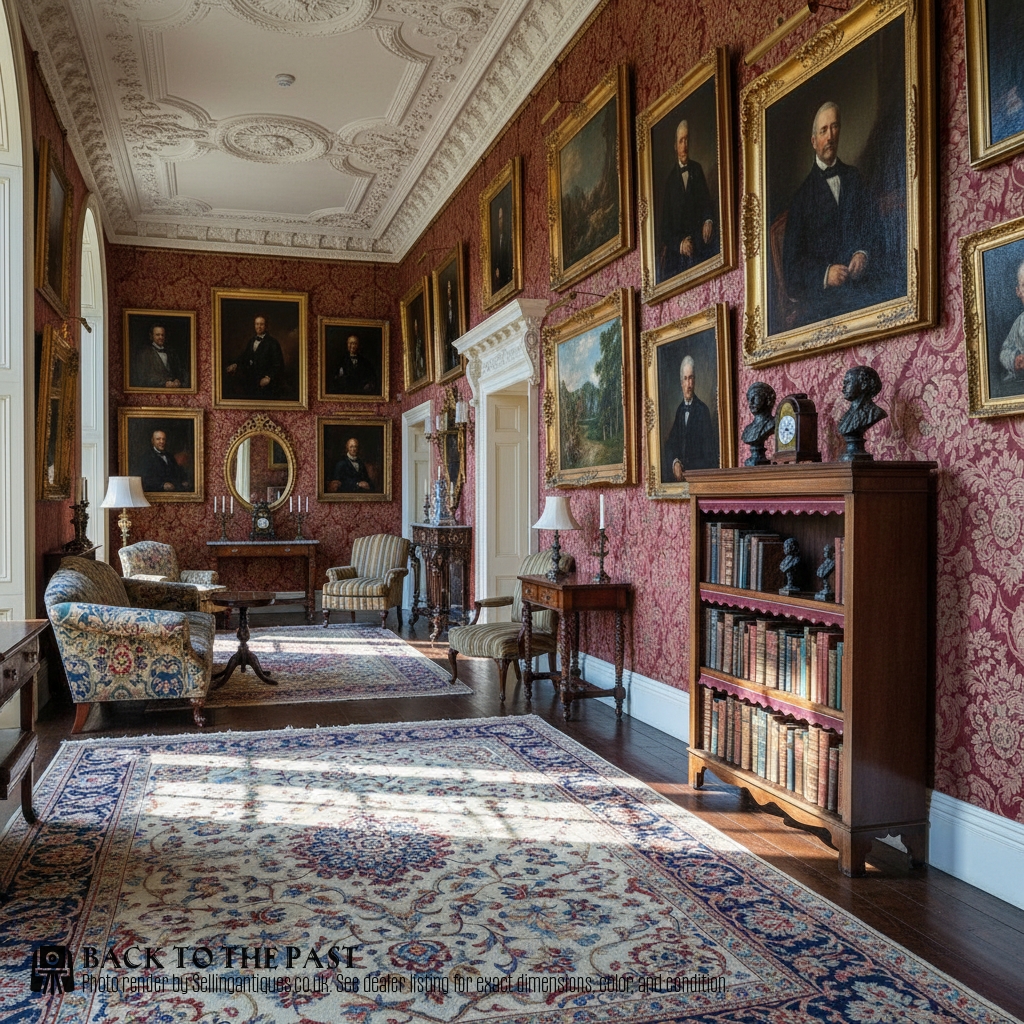
Antique Bookshelf Cabinet
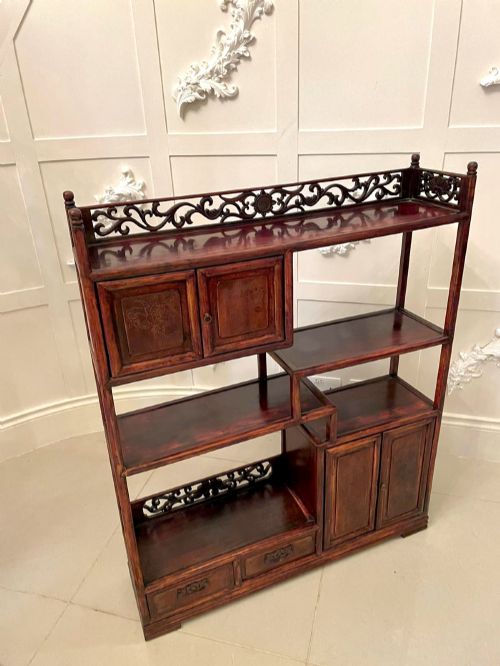
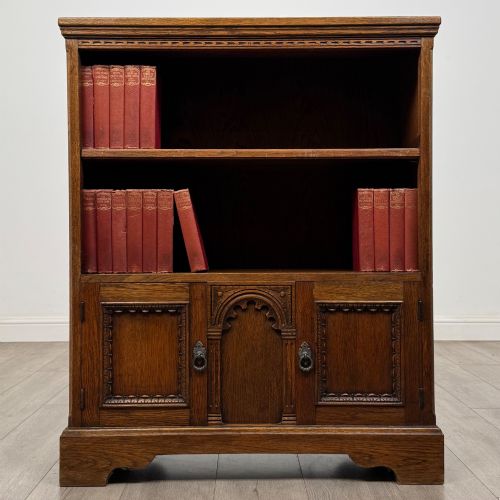
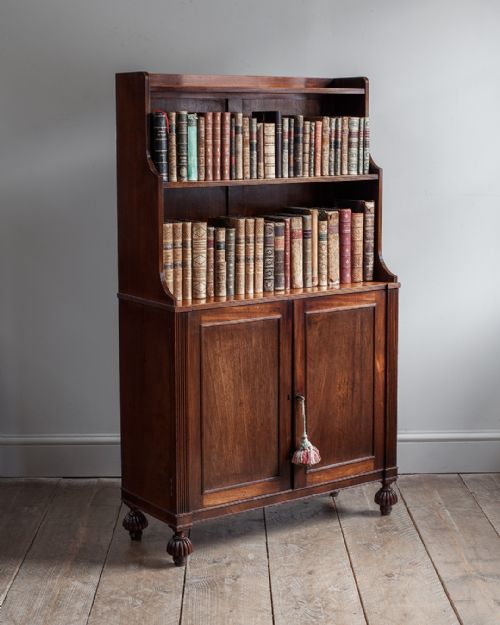
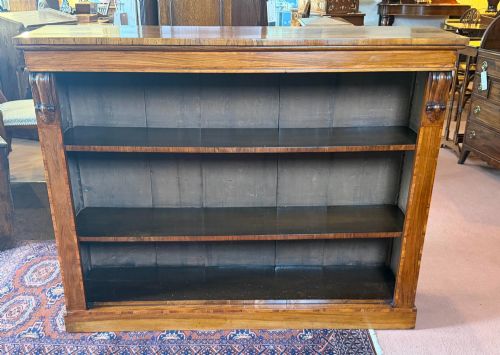
An antique bookshelf cabinet serves to house libraries and display prized items, uniting open shelving with lower cupboards or glazed doors in a single piece of furniture. Buyers searching for an antique bookshelf cabinet will frequently encounter forms originating from the nineteenth and early twentieth centuries.
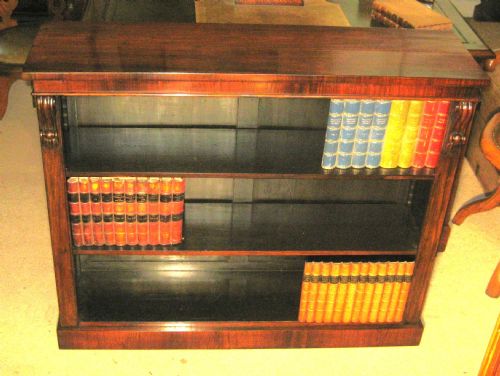
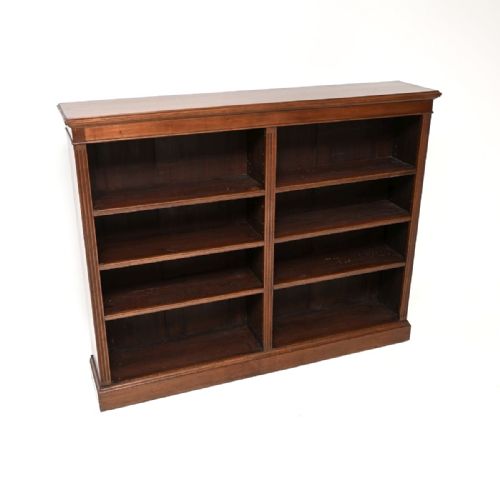
The material selection ranges widely across the available pieces, featuring timbers such as mahogany, oak, walnut, rosewood, and satinwood. Styles span Victorian, Edwardian, Regency, and Arts and Crafts designs, reflecting the domestic fashions of their respective eras.
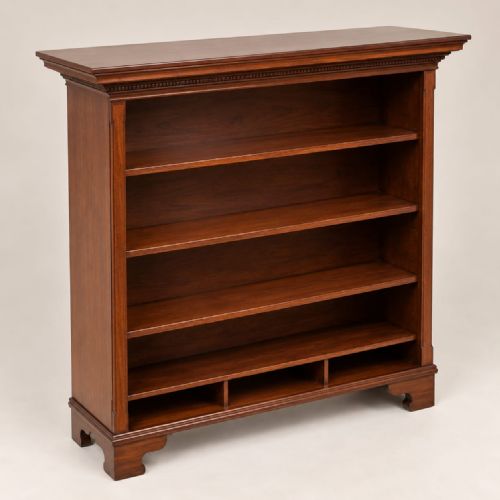
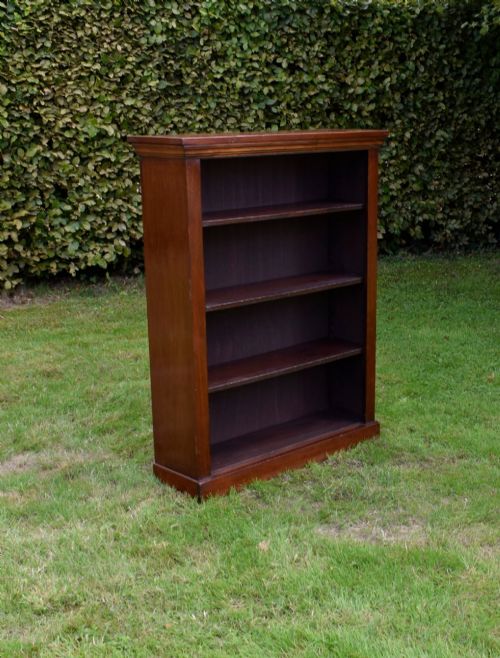
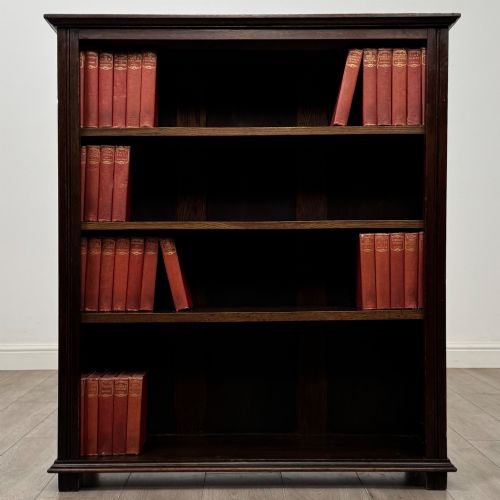
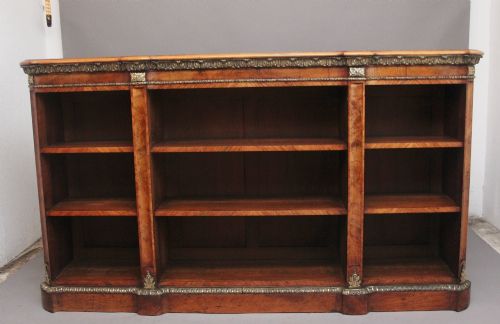
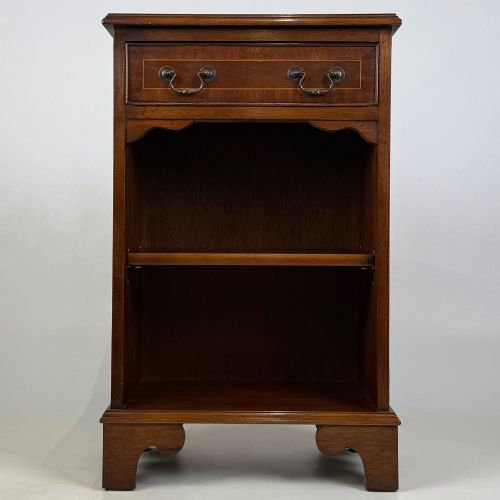
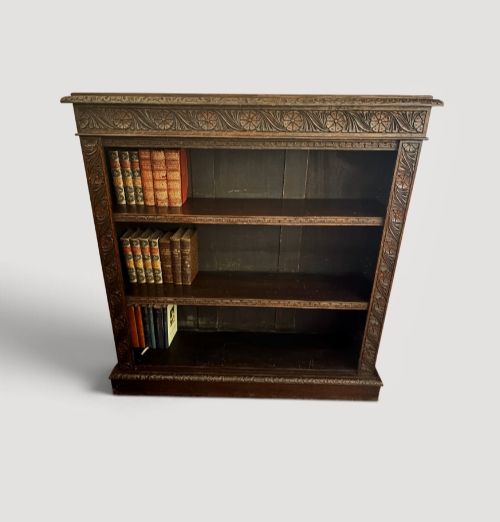
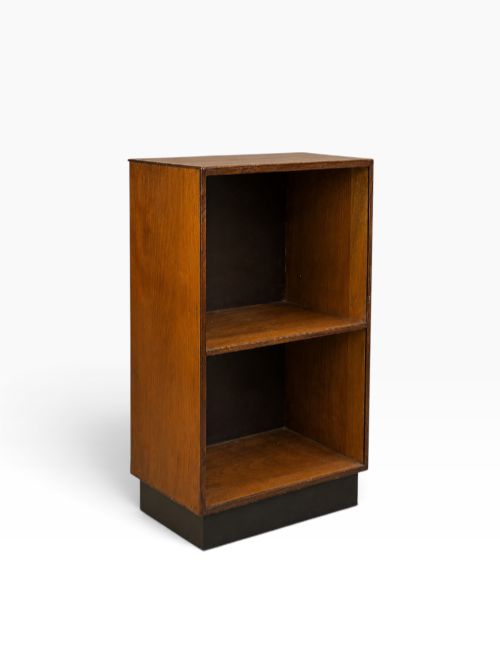
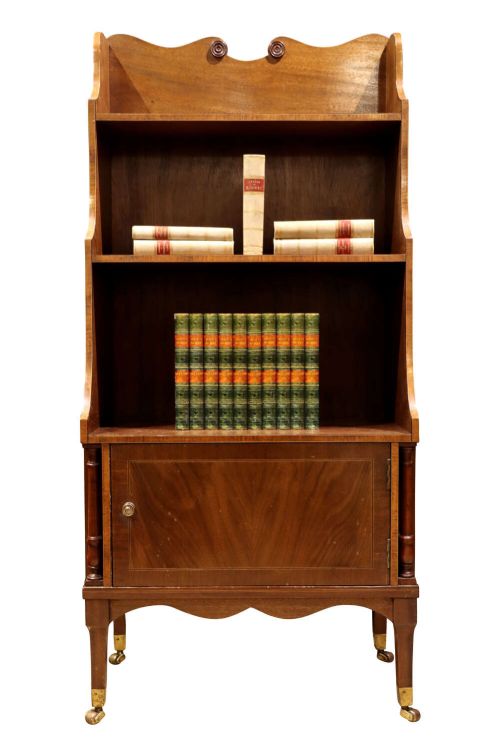
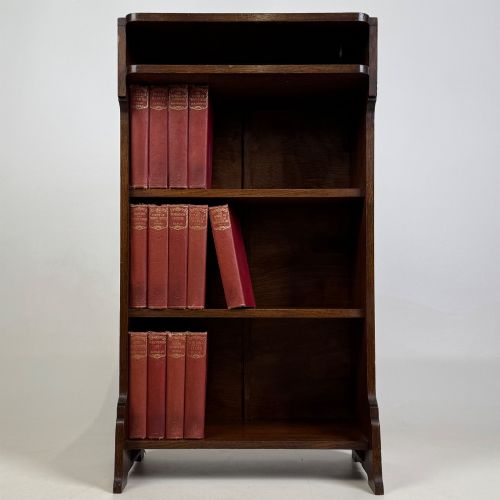
Open bookcases, waterfall designs, breakfront configurations, and small table cabinets constitute the primary formats seen. Edwardian oak examples and Victorian mahogany or walnut pieces appear regularly throughout the selection.
Materials and Construction
Cabinetmakers utilised dense hardwoods like mahogany, walnut, and oak to build the primary carcass and shelving, often applying burr walnut veneers or satinwood to decorative surfaces. Brass fittings, including castors and hinges, support mobility and structural durability.
Joinery techniques involved precise hand-cutting, dovetailing for drawers, and the incorporation of adjustable shelving mechanisms to accommodate varying book sizes. Carved details and inlaid woodwork display the manual skill applied during the Victorian and Edwardian periods.
Some revolving bookcases were designed to sit upon tabletops so scholars could consult multiple heavy volumes without leaving their seats.
Distinctions in Execution
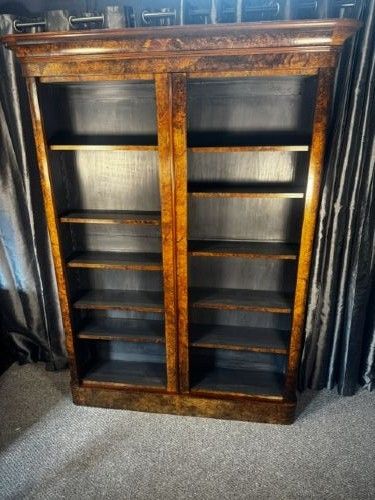
The calibre of an antique bookshelf cabinet depends upon the selection of timber veneers, such as figured mahogany or burr walnut, and the crispness of any hand-carved ornamentation. Finer examples exhibit thoughtful proportions and integrated brass hardware that remains original to the piece.
Superior construction involves stable joints, smooth operation of adjustable shelving, and well-fitted doors or drawers. Pieces bearing documented attribution to established makers often demonstrate a higher grade of secondary woods and meticulous finishing.
Johnstone and Jeanes·Arthur Simpson of Kendal·Gillows
The Antique Bookshelf Cabinet Glossary
- Waterfall bookcase
- A tiered piece of furniture where each successive shelf steps back from the one below it, creating a cascading profile.
- Breakfront
- A cabinet design where the central section projects forward from the flanking wings, adding architectural depth to the room.
- Ormolu
- Gilt bronze mounted onto furniture for decorative effect, frequently seen alongside walnut or mahogany timbers.
- Whatnot
- A set of open shelves used for displaying ornaments and small books, standing on vertical supports.
- Satinwood
- A durable, light-coloured tropical hardwood valued for its lustrous grain and use in marquetry.
Antique Bookshelf Cabinet: Frequently Asked Questions
How do I choose the right size?
Measure your available wall space and ceiling height carefully before selecting a piece, keeping in mind that breakfront models and library bookcases require greater clearance.
Consider the depth of the shelves in relation to the volumes you intend to store, as older cabinets often feature shallower depths than modern shelving units.
How do I care for antique wood?
Maintain the timber by dusting regularly with a soft, dry cloth and avoiding placement near direct heat sources or strong sunlight that can dry out the finish.
Apply a traditional beeswax polish sparingly when the wood appears dry, buffing it gently to preserve the natural lustre of the grain.
How do I distinguish Edwardian from Victorian?
Victorian pieces tend to feature heavier proportions, darker finishes, and more elaborate carved ornamentation, reflecting the tastes of the nineteenth century.
Edwardian furniture generally exhibits lighter construction, brighter oak or satinwood timbers, and simpler lines influenced by Sheraton Revival and Arts and Crafts ideals.