


Georgian Waterfall Bookcase
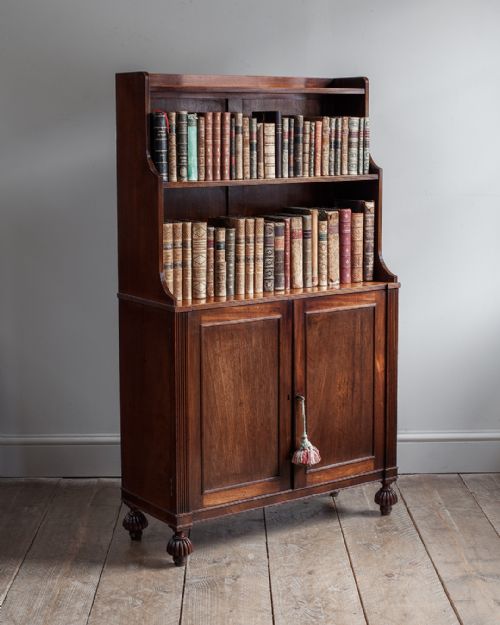
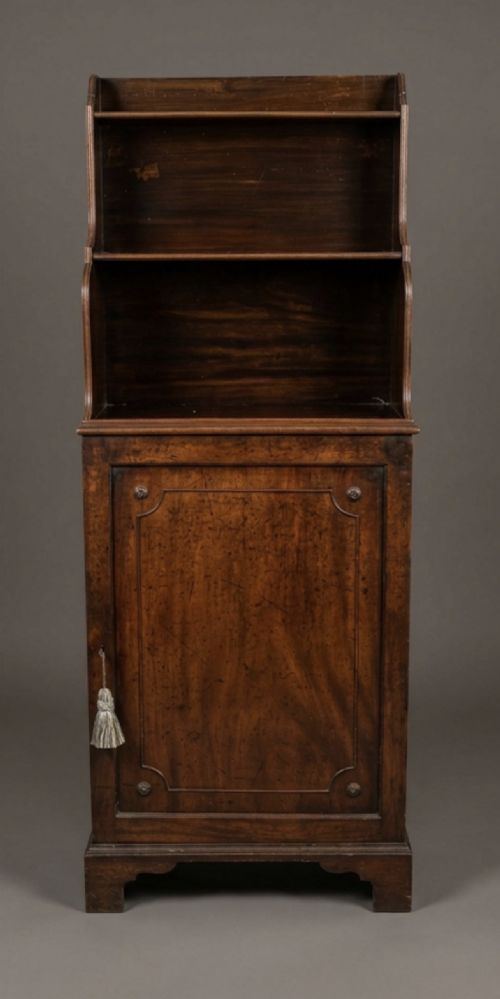
A georgian waterfall bookcase brings tiered shelving and cabinet storage together in a compact silhouette designed for practical display.

Georgian Waterfall Bookcase
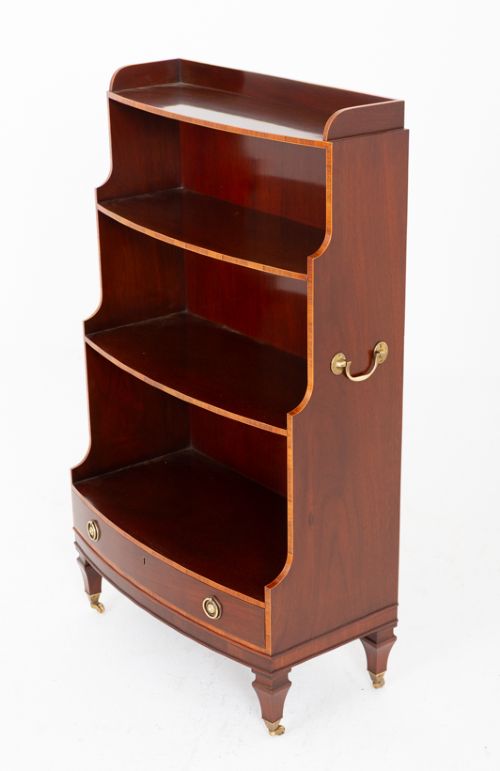
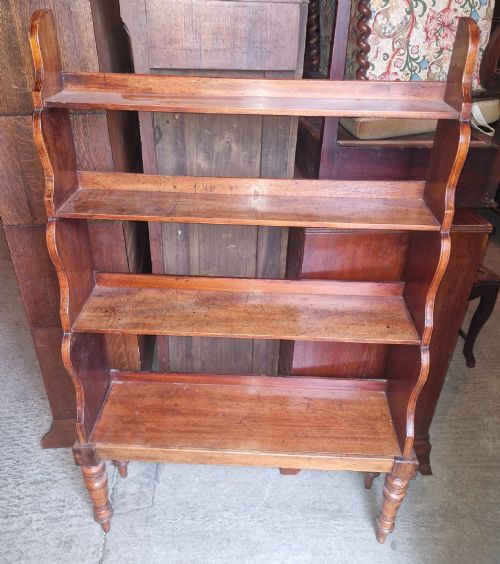
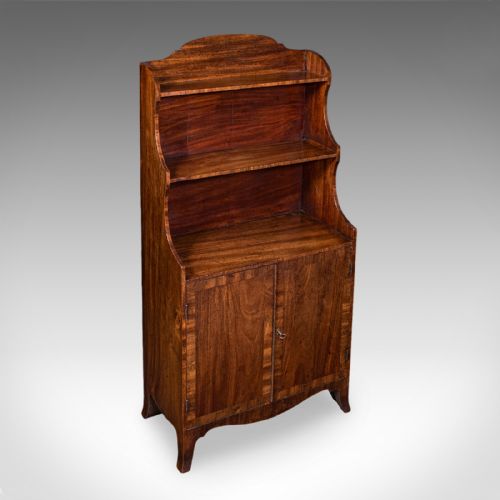
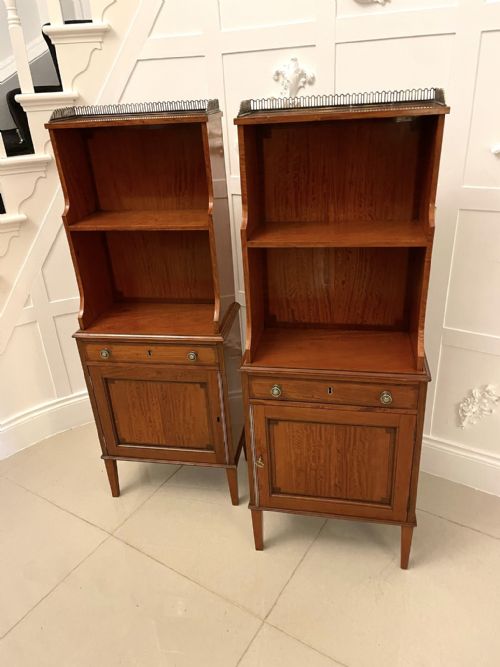
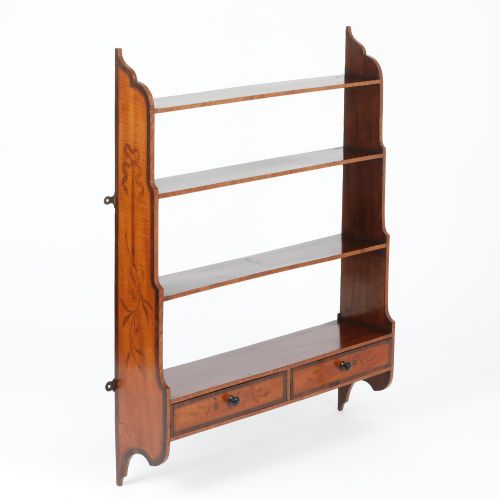
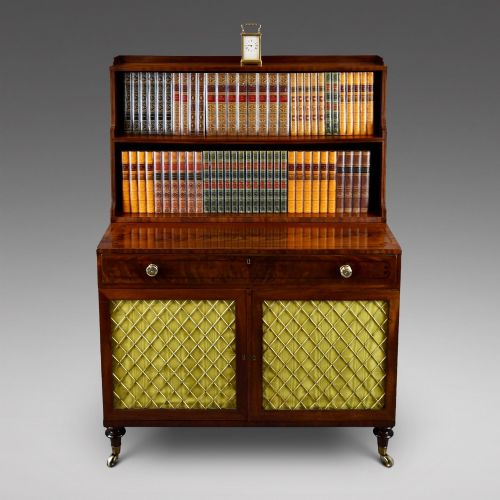
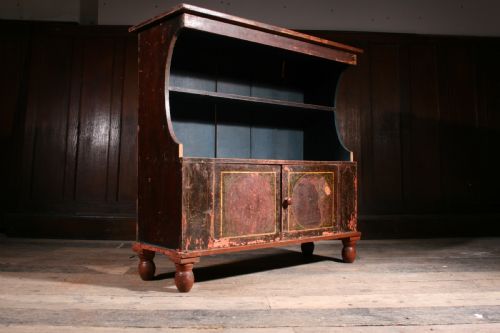
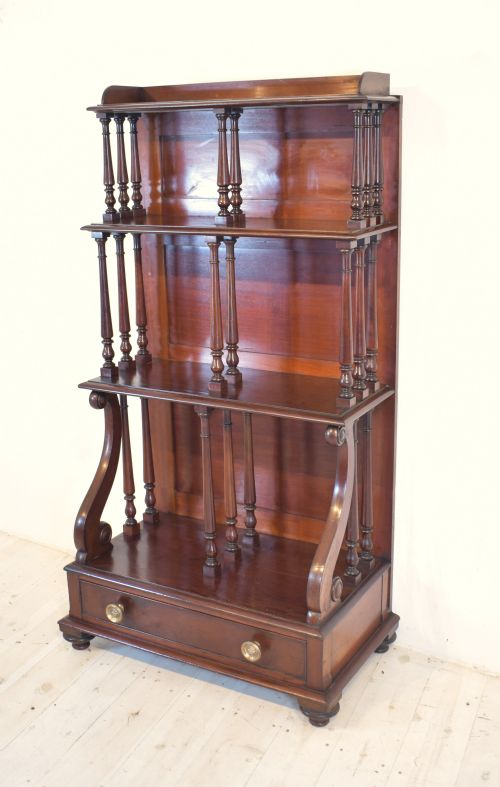
When you search for a georgian waterfall bookcase, you encounter tiered open shelving stepping back as it rises, frequently paired with a cupboard or cabinet base. The pieces span Georgian, Regency, and George III periods, appearing alongside later 19th century and 1920 interpretations. Free-standing library formats share space with hanging shelves and petite chiffonier designs.
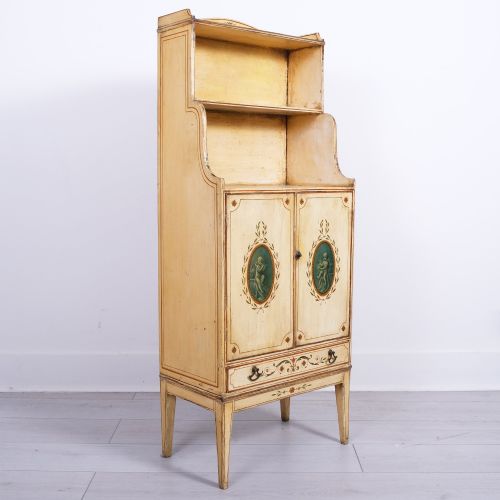
Mahogany dominates the evidence, accompanied by flame mahogany, satinwood, rosewood, oak, yew wood, and painted wood finishes. Makers utilised boxwood stringing and contrast cross banding to define the graduated book shelves. Pieces range from open gallery displays to dwarf bookcases incorporating lower cupboards.
How they were made
Cabinet makers built these pieces using solid timbers like mahogany, oak, and rosewood, often applying flame mahogany veneers and satinwood for visual depth. Details such as boxwood stringing and brass mounts punctuate the timber surfaces.
Construction methods include graduated tiers stepping upwards, open gallery railings, and lower cabinet sections fitted with doors. Surviving examples preserve original paint or polished timber finishes applied by hand.
Georgian Waterfall Bookcase Retail Price Guide 2026
Typical asking prices for georgian waterfall bookcase among the pieces listed under this phrase on Sellingantiques today, from the lower quarter to the upper quarter. They describe what is for sale here now, not the wider market.
Some graduated shelves include tiny galleries to keep your miniature books from tumbling off.
What varies in quality
The refinement of the graduated tiers and the choice of timber define the construction standard, distinguishing simple utilitarian shelving from finely figured flame mahogany and satinwood examples. Cabinet work on the lower cupboards reveals the joinery skill applied to the base.
Attribution to specific makers like Gillows elevates certain pieces, whilst the presence of original paint or rich cross banding marks superior finishing. Proportions range from petite hanging shelves to large library bookcases.
Gillows
The Georgian Waterfall Bookcase Glossary
- Waterfall bookcase
- A piece of furniture featuring open graduated shelves stepping back from bottom to top. These shelves often sit above a enclosed cupboard base.
- Cross banding
- A narrow strip of veneer laid across the grain of the primary wood around the border of a panel or shelf. This technique creates a contrasting decorative frame.
- Chiffonier
- A small low sideboard or cabinet with shelves above or enclosed storage below. Pieces in the evidence combine this form with waterfall shelving.
- Stringing
- Inlay work using thin lines of contrasting wood such as boxwood. It outlines drawers, shelves, and cabinet doors.
- Dwarf bookcase
- A low open bookcase designed to sit beneath dado height. Several examples incorporate graduated upper shelves.
Georgian Waterfall Bookcase: Frequently Asked Questions
What is a waterfall bookcase?
A waterfall bookcase is an open shelving unit where each tier steps back progressively from the bottom to the top. Many examples include a cupboard or cabinet base.
The stepped design allows books and display items to sit securely while occupying minimal floor space in a room.
How were they used?
These pieces served as library furniture and display cabinets for books and decorative objects in domestic rooms. The graduated shelves kept volumes within easy reach.
Lower cupboards provided concealed storage for papers or small household items, keeping surfaces tidy.
How do I spot a Georgian piece?
Georgian pieces display cabinet making techniques such as hand-cut dovetails, timber cross banding, and boxwood stringing. Woods like mahogany and satinwood predominate.
Proportions remain compact, and the tiered shelves often integrate with lower cupboard doors built into the frame.
Can these bookcases stand freely?
Many examples are designed as free-standing library pieces with finished backs and solid bases. Other variations function as wall shelves intended for hanging.
Checking the base construction reveals whether a piece stands independently or requires wall attachment.