



Small Upholstered Ottoman
A small upholstered ottoman provides a low resting place for the feet, combining timber frames with soft textile tops.
Small Upholstered Ottoman
A small upholstered ottoman is primarily found in Victorian and Regency forms across the current selection. These pieces function as footstools, fireside seats, and music stools.
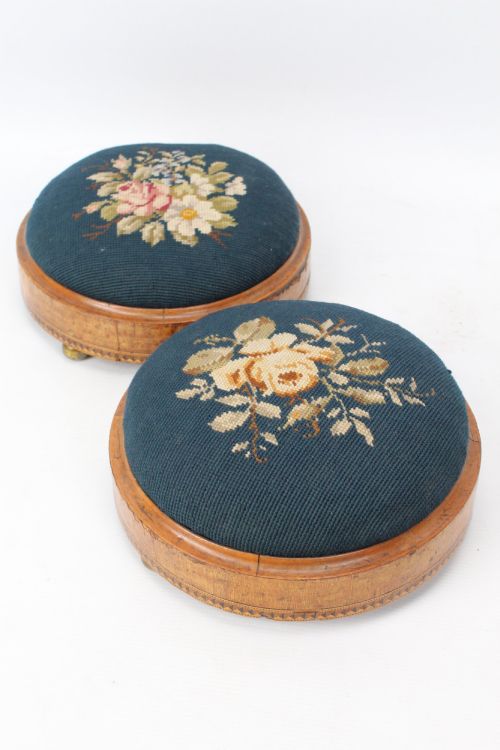
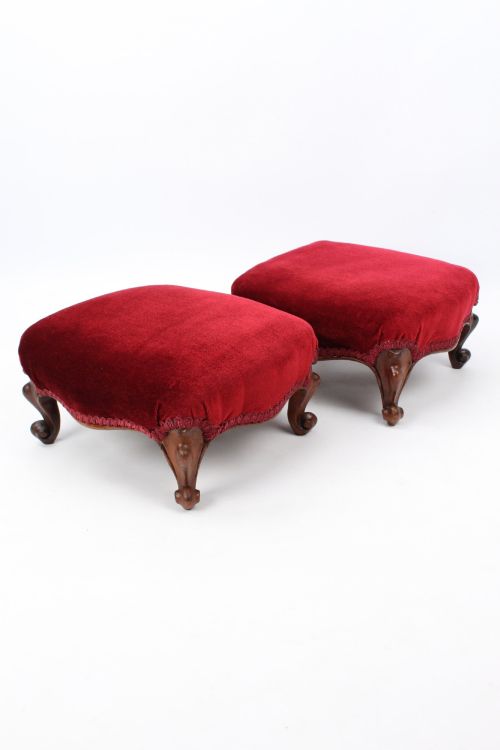
Buyers regularly encounter timber frames shaped from mahogany, walnut, rosewood, and ebony. The tops feature various textiles including velvet, tapestry, and wool.
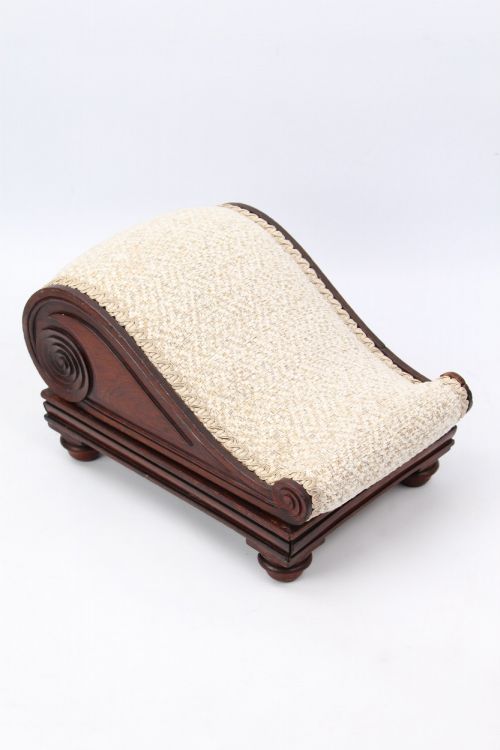
Many examples arrive as pairs or single low seating units designed for the lounge or fireside. The forms range from simple rectangular blocks to X-framed stools.
Materials and construction
Constructed primarily from hardwoods like mahogany, walnut, and rosewood, the frames often show carved detailing. Timber sections provide structural support for the upholstered components.
The upper sections utilise textiles such as velvet, wool tapestry, and general fabric coverings. These materials are stretched over padding to form the cushioned seat.
Small Upholstered Ottoman Retail Price Guide 2026
Typical asking prices for small upholstered ottoman among the pieces listed under this phrase on Sellingantiques today, from the lower quarter to the upper quarter. They describe what is for sale here now, not the wider market.
The selection spans the Victorian and Regency periods, utilising mahogany, walnut, rosewood, and ebony.
Quality differences
The distinction between standard pieces and finer examples rests in the execution of the timber carving and the choice of frame material. Superior items utilise richly grained woods like rosewood and ebony alongside detailed carving.
Another factor is the complexity of the frame design, such as Regency X-framed structures compared to simpler rectangular forms. The selection of textile coverings also marks the gradation from basic utility to higher status work.
The Small Upholstered Ottoman Glossary
- Footstool
- A low stool designed specifically for resting the feet while seated. Examples in the listings date from the Victorian and Regency periods.
- Tapestry
- A form of textile art woven on a loom, frequently utilised for the top upholstery on these stools. Wool tapestry appears across multiple Victorian pieces.
- Regency
- A stylistic period spanning the early nineteenth century. Pieces from this era often incorporate rosewood or mahogany and distinct frame shapes like the X-frame.
- Victorian
- A period spanning the nineteenth century characterised by varied revival styles and rich timber use. Walnut and mahogany frame construction predominate in this era.
Small Upholstered Ottoman: Frequently Asked Questions
What is a small upholstered ottoman used for?
These pieces serve primarily as footstools or low seats by the fireside. Historically they also functioned as music stools alongside piano or seating arrangements.
Their compact size allows them to fit easily into various rooms as supplementary seating or rest furniture.
How do I identify a Regency piece?
Regency pieces often feature woods like rosewood and distinct structural forms such as X-framed supports. Dating usually aligns with the early nineteenth century.
Design characteristics reflect the neoclassical influences of the period before the heavier Victorian styles emerged.
What woods are commonly found?
Makers utilised dense hardwoods such as mahogany and walnut for the structural frames. Rosewood and ebony also appear in specific Regency and Victorian items.
These timbers provided the necessary strength for low furniture subject to daily foot placement.
Are these pieces sold as pairs?
Several listings comprise matched pairs of footstools alongside single examples. Pairs typically share identical timber frames and textile upholstery.
Buyers searching for symmetrical seating arrangements will find multiple matched sets available.