

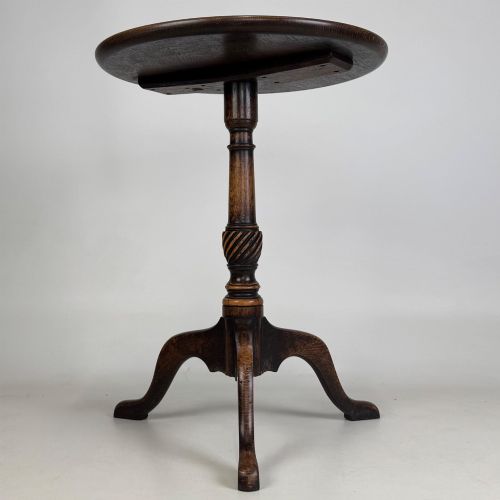
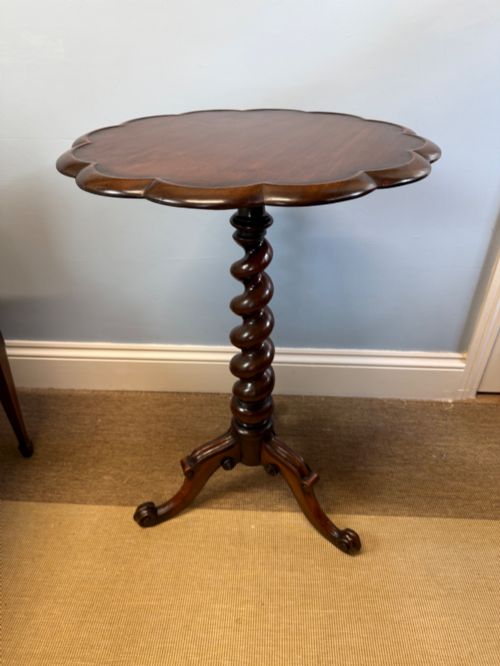
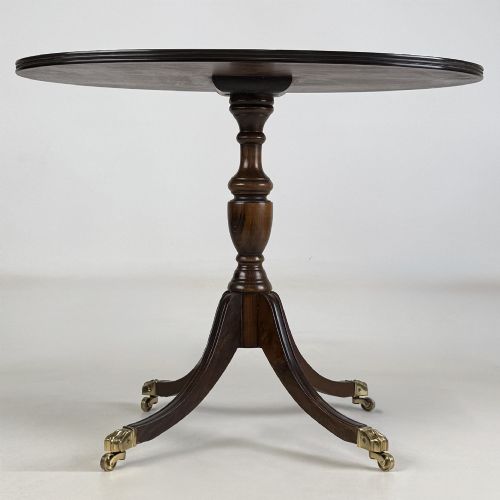
Small Tripod Table
A small tripod table brings nimble surface space and centuries of classic proportions to any room.
Small Tripod Table
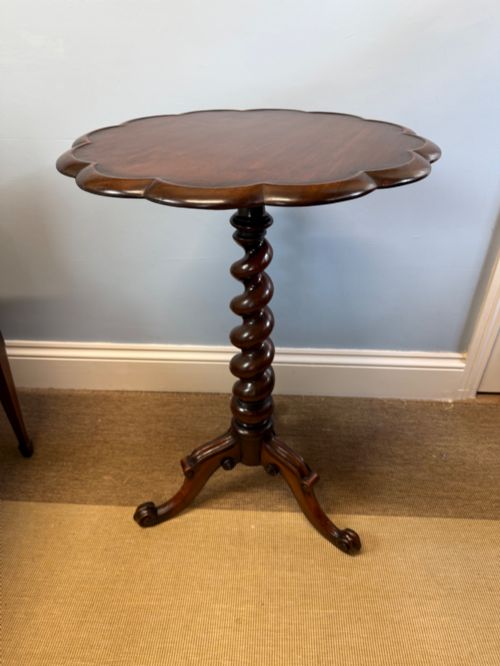
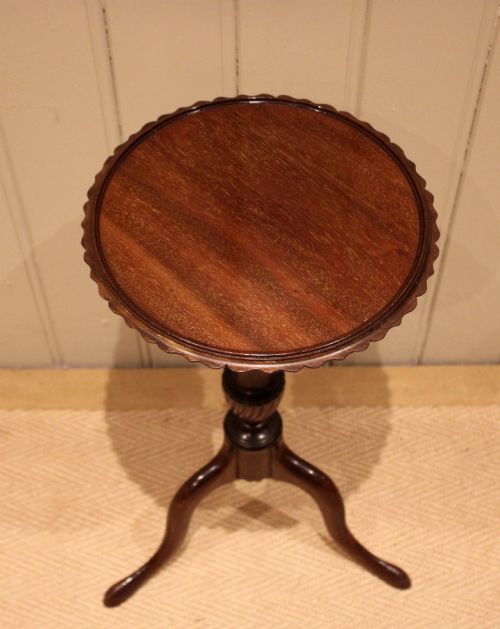
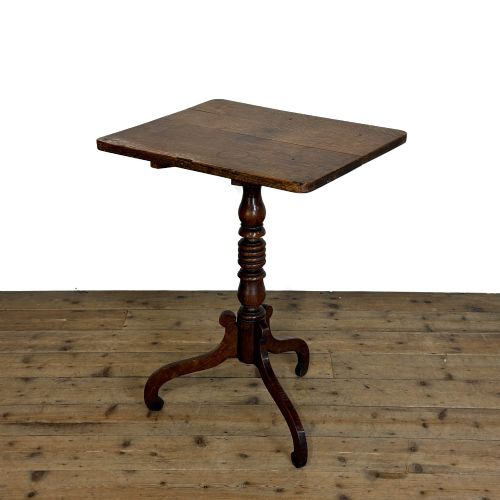
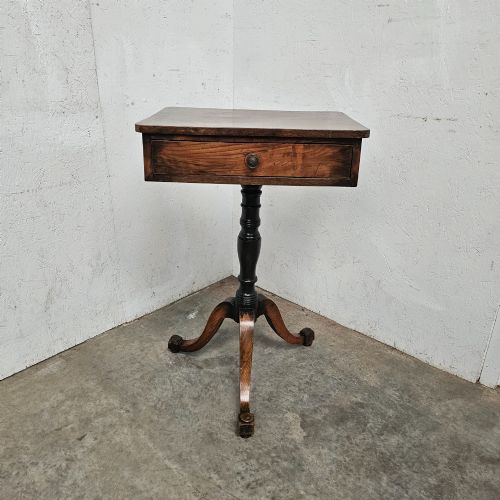
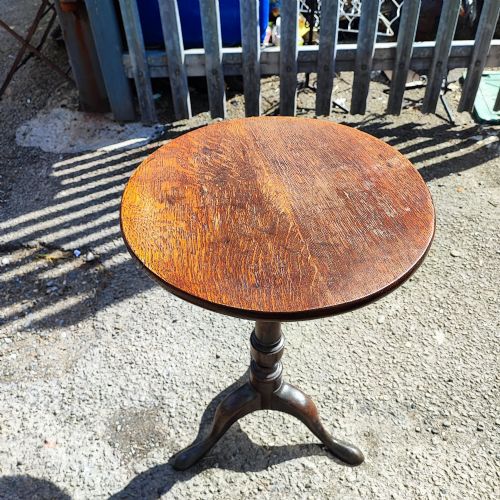
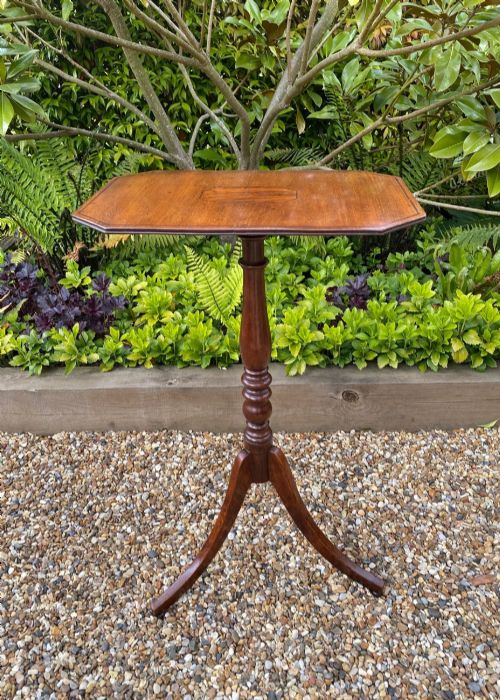
When you search for a small tripod table, you are looking at compact, three-legged stands designed for versatility in domestic spaces. These pieces function historically as wine tables, candle stands, lamp tables, or occasional furniture that can be moved easily around a room.
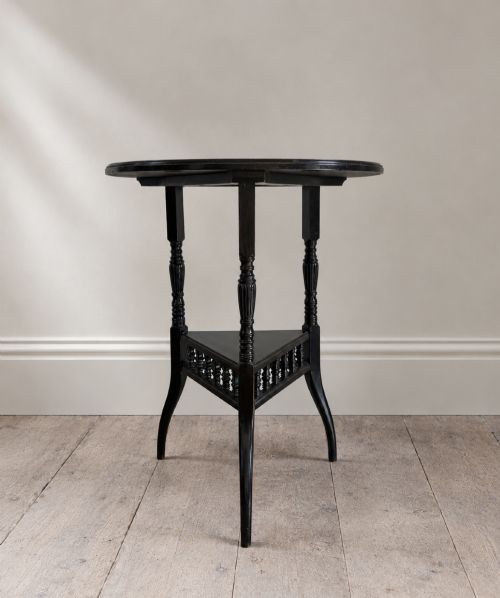
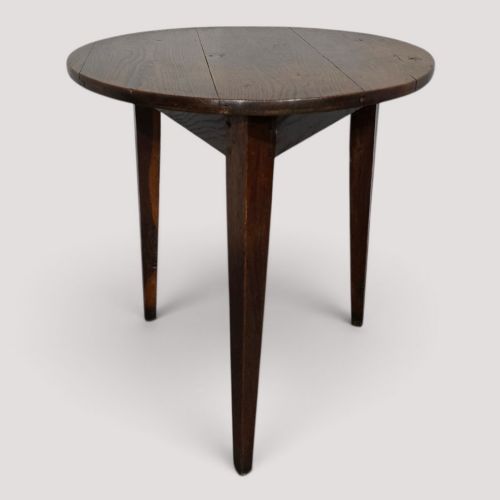
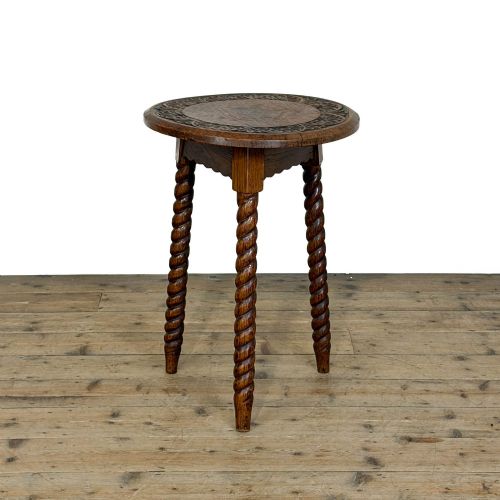
You are most likely to meet examples spanning the Georgian, Victorian, and Edwardian periods on this page, alongside later revivals. They appear in forms such as tilt-top wine tables, fixed-top lamp tables, and rustic cricket tables.
The materials reflect the tastes of their respective eras, running from country oak and fruitwood in earlier pieces to polished mahogany, walnut, and occasional painted finishes in later centuries.
Construction and materials
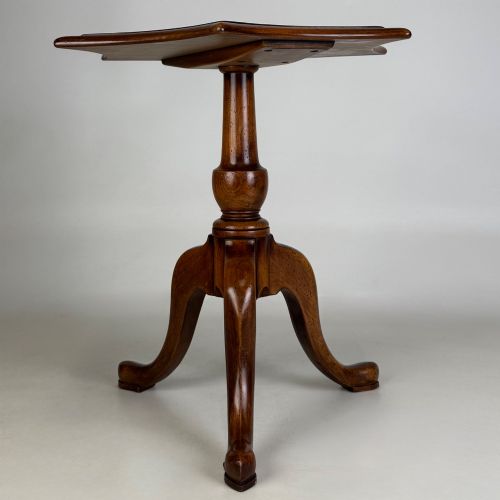
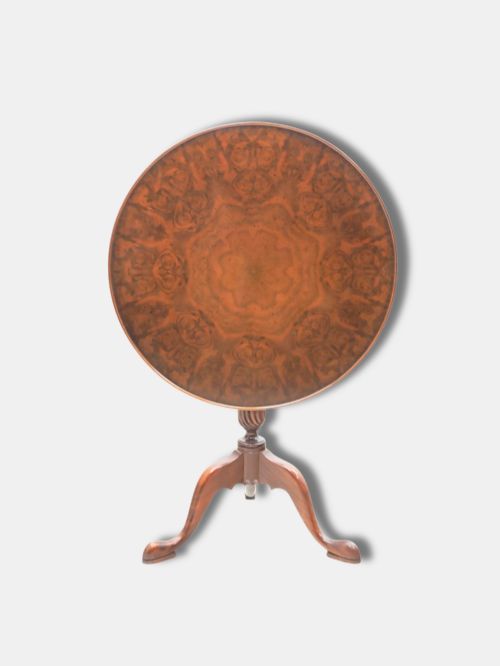
Cabinet makers utilised dense hardwoods such as mahogany, oak, walnut, and fruitwood, often turning the central pedestal on a lathe and shaping three splayed legs to provide stability. Many of these pieces feature tilt-top mechanisms with a birdcage or catch, allowing the circular or shaped top to fold flat when not in use.
Joinery methods varied from country vernacular construction with pegged joints to refined cabinet work featuring birdcage actions, brass fittings, and hand-carved tripod bases.
Listings feature woods ranging from mahogany, oak, and walnut to fruitwood, rosewood, and ebonised hardwood across the Georgian, Victorian, and Edwardian eras.
Judging quality
The distinction between ordinary and exceptional pieces lies in the selection of timber and the crispness of the turning on the central pedestal. Finer examples display figured mahogany or rich patinated oak, balanced proportions, and legs that meet the central column with secure, precise joinery rather than crude reinforcement.
Subtle details such as a turned dish-top edge, a working tilt mechanism without excessive play, and original brass or wooden catches elevate a piece from simple utility to fine craftsmanship.
The Small Tripod Table Glossary
- Tilt-top
- A table top hinged to the pedestal column so it can be folded into a vertical position. This clever space-saving design allowed tables to be stored against a wall when not holding wine or candles.
- Birdcage
- A revolving wooden framework beneath the table top that permits the surface both to rotate and to tilt. It is typically found on finer Georgian pedestal tables.
- Cricket table
- A small, three-legged vernacular table usually made of oak with a round top and a triangular underframe. Originally designed for uneven floors in cottages.
- Pie crust rim
- A raised table edge carved or moulded into decorative undulating curves. This detail is frequently associated with finer 18th-century mahogany tea and wine tables.
- Candlestand
- A tall, slender table designed specifically to hold a single light source. They share the same tripod form as wine tables but often possess smaller surfaces.
Small Tripod Table: Frequently Asked Questions
What was a tripod table used for?
These tables served flexible domestic roles in historic homes, frequently holding wine glasses, tea equipment, or candles near seating areas. Their light frame made them easy to shift around the parlour as needed.
In modern rooms, they work well as compact lamp tables, bedside stands, or display surfaces for small decorative objects without dominating the floor space.
How do I spot a tilt-top mechanism?
Look underneath the table top for a wooden catch or a rotating birdcage block fixed to the top of the central pillar. This allows the surface to unlock and pivot vertically.
Many Georgian and Victorian wine tables utilised this feature so the furniture could sit flat against a wall when the room needed to be cleared.
How do I tell an 18th-century table from a later revival?
Early pieces from the Georgian period often display hand-sawn timber marks, pegged tenons, and deep natural patination built up over generations of use. Revival pieces from the Edwardian era or later frequently show more uniform machine-turned elements and cleaner interior fittings.
Examining the underside and the wear around the feet usually reveals the true age of the timber and construction.