
Small Tripod Accent Table
A small tripod accent table brings genuine period character and compact utility to a room.
Small Tripod Accent Table
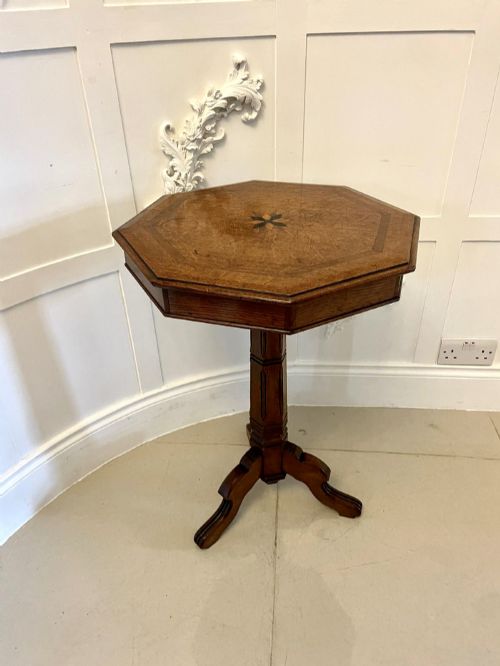
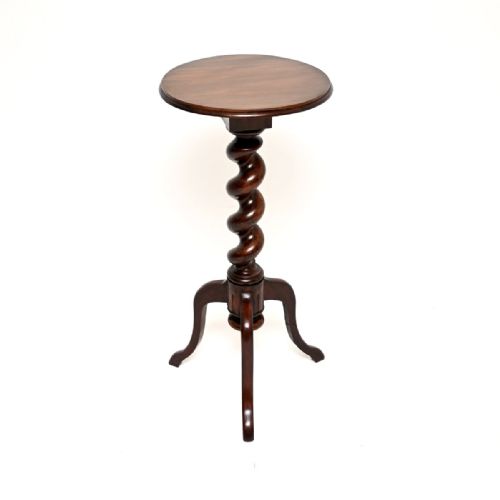
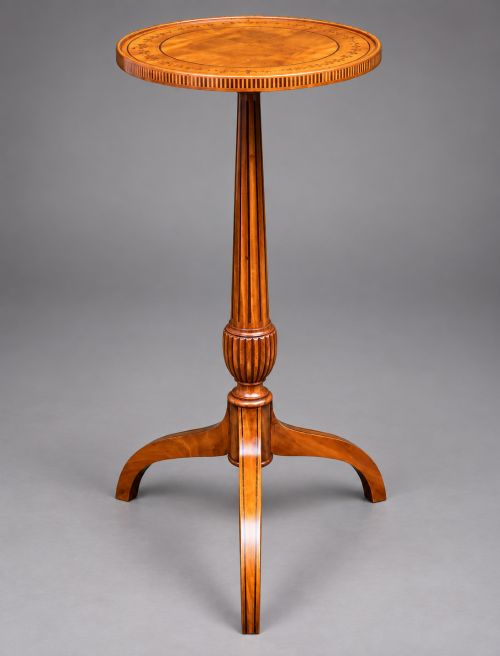
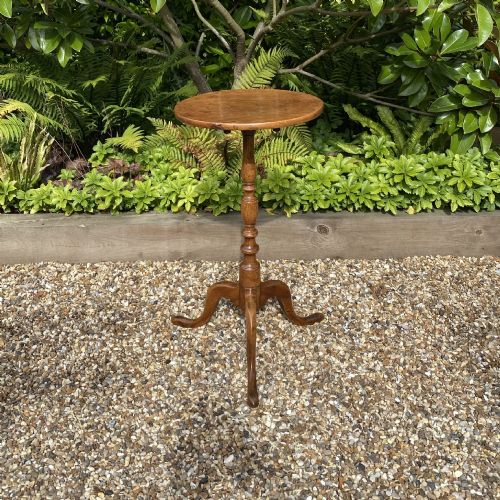
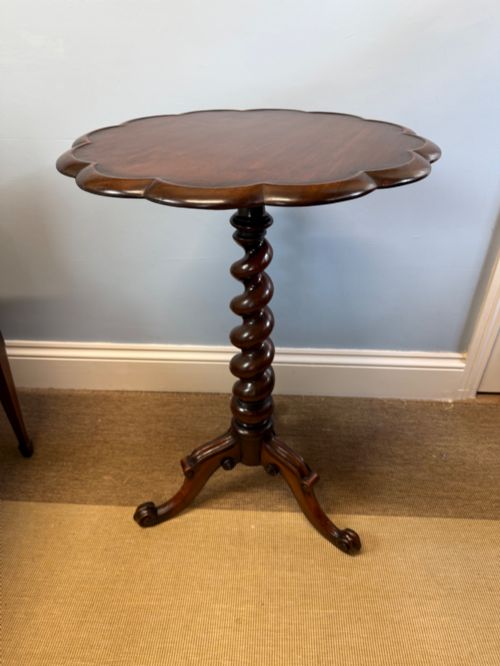
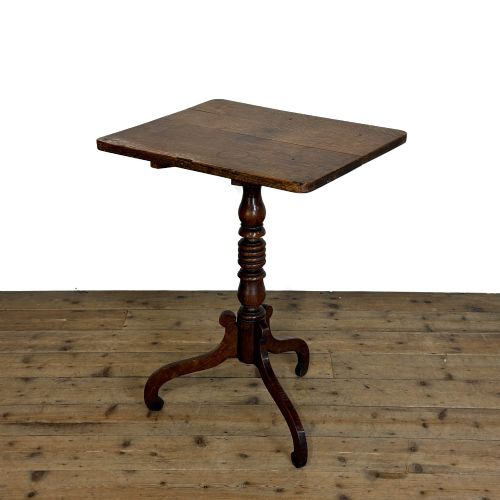
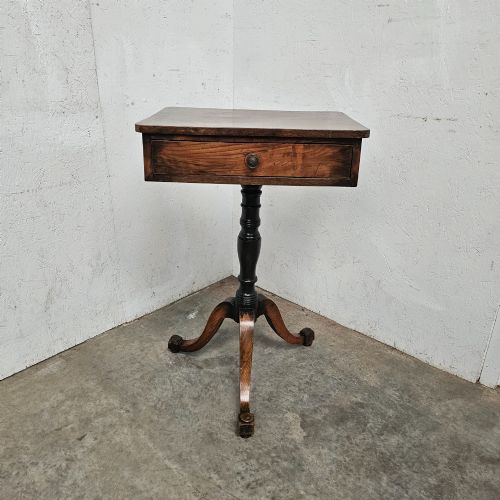
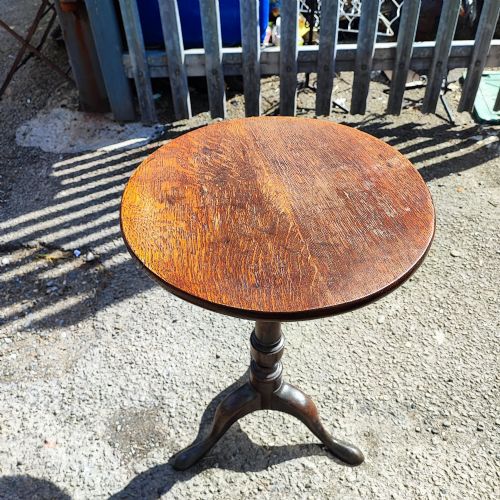
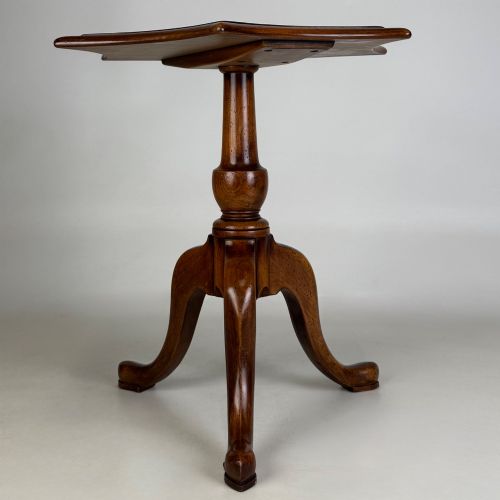
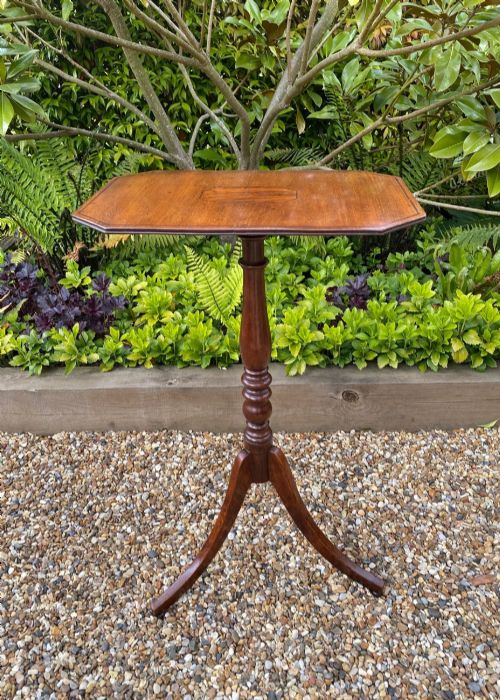
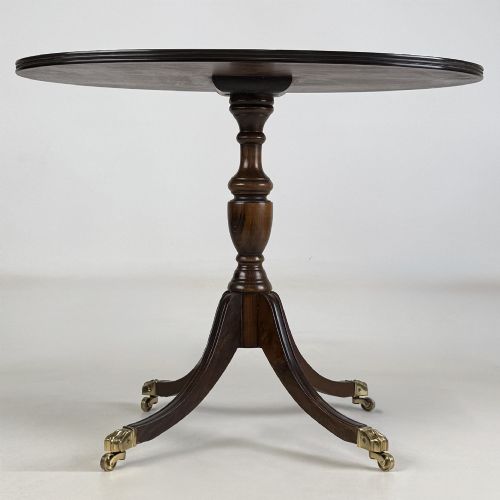
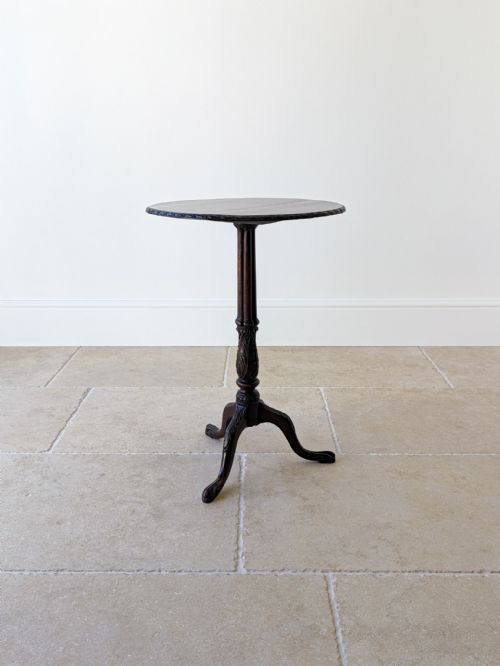
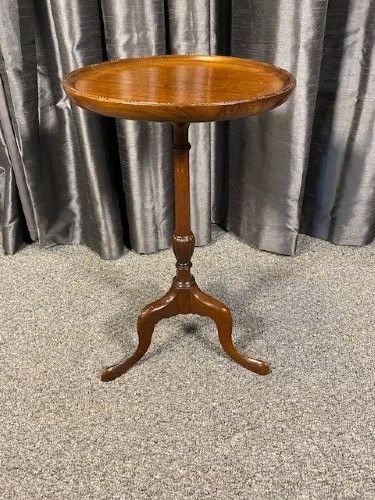
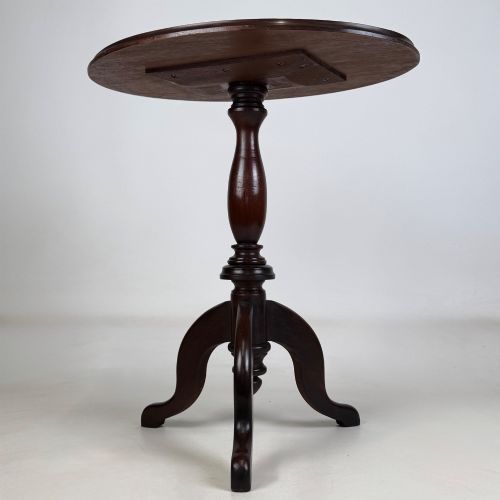
A small tripod accent table serves as a versatile surface for lamps, drinks, or display, supported by a central pillar and three legs. You will frequently encounter mahogany and oak examples spanning the Georgian, Victorian, and Edwardian eras.
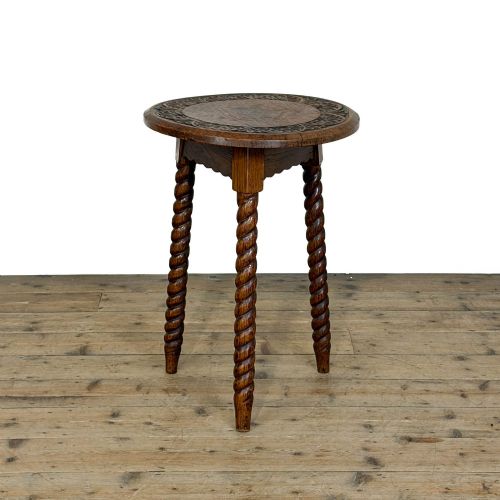
The form encompasses wine tables, lamp tables, and cricket tables designed for specific domestic tasks in compact spaces. These pieces combine portability with stable three-legged construction.
Makers adapted the form across centuries, producing tilt-top mechanisms, fixed tops, and shaped rims tailored to polite interior use. The selections here reflect centuries of British cabinet-making traditions.
How they were made
Cabinet-makers constructed these tables using solid timbers and veneers, predominantly mahogany, oak, and walnut, alongside occasional fruitwood and elm. Joinery focused on stable tenons and turned central pedestals fitted to three splayed legs.
Surface treatments included wax polishing, carving, wood inlay, and penwork decoration, while specialised mechanisms allowed tops to tilt for storage. Artisans also utilised burr veneers to create decorative patterns on tabletop surfaces.
Several tilt-top examples survive because centuries ago, guests accidentally used them as oversized palettes during impromptu painting sessions.
What varies in quality
Quality rests in the choice of timber and the crispness of the turning on the central pillar and legs. Superior examples display well-figured mahogany or burr walnut paired with robust joints that prevent wobble at the column connection.
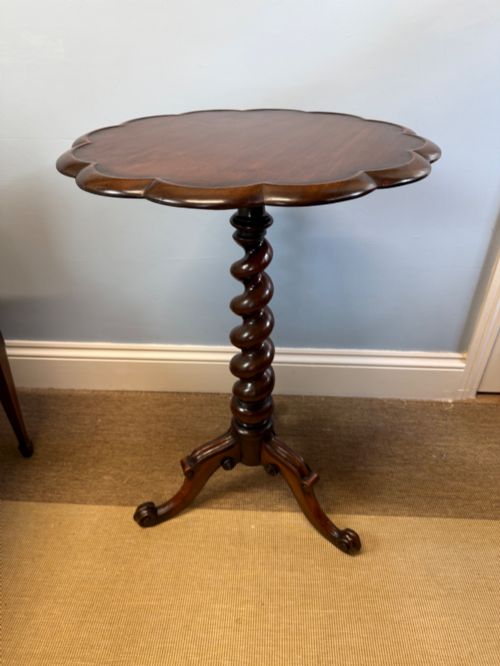
Refined detailing such as pie crust rims, carved tripod bases, or balanced proportions elevate a piece from utilitarian furniture to high-status craftsmanship.
The Small Tripod Accent Table Glossary
- Tripod table
- A small freestanding table supported by a central pedestal resting on three feet. This construction ensured stability on uneven floors.
- Tilt-top
- A hinged tabletop mechanism that allows the surface to fold vertical when not in use. It saved valuable floor space in historic interiors.
- Cricket table
- A small circular wooden table with three splayed legs, traditionally associated with early vernacular English domestic use. They often feature lower tiers or robust peg construction.
- Pie crust rim
- A raised, decoratively carved tabletop edge shaped to resemble pastry work. It prevented items from sliding off small wine tables.
- Burr walnut
- Timber taken from a tree growth that produces intricate, swirling grain patterns. Cabinet-makers used it as veneer on high-status tabletops.
Small Tripod Accent Table: Frequently Asked Questions
What was a wine table used for?
A wine table provided a convenient surface for holding bottles and glasses during evening gatherings.
Their compact size allowed servants to move them easily around a drawing room as needed.
How do I identify a Georgian tripod table?
Georgian examples typically feature elegant proportions, slender turned columns, and pad or snake feet on the tripod base.
They rely on native timbers like mahogany and oak without excessive ornamentation.
Can I place a lamp on a tilt-top table?
Yes, provided the tilt mechanism locks securely into the horizontal position.
Many antique examples function well as permanent lamp tables in modern reception rooms.
What is the difference between an occasional table and a wine table?
Wine tables generally have smaller circular tops specifically proportioned for drinks.
Occasional tables span a broader range of shapes and sizes for general display use.
How do I care for an antique wood table surface?
Maintain the finish by applying natural beeswax periodically and buffing gently with a soft cloth.
Avoid placing them near direct heat sources or moisture to protect the timber.