
Small Regency Side Table
A small regency side table brings compact elegance to a room, offering a functional surface shaped by nineteenth-century proportion and cabinet-making skill.
Small Regency Side Table
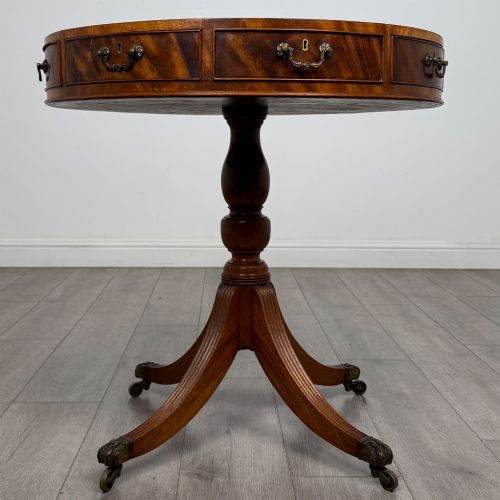
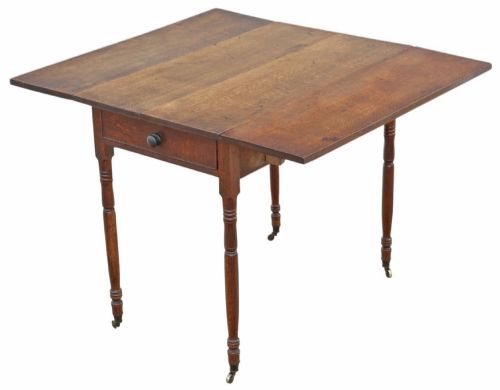
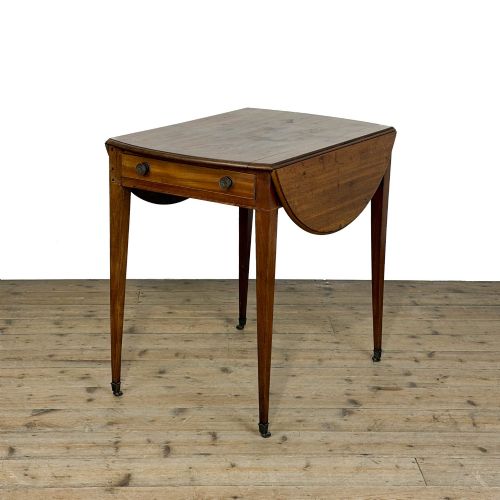
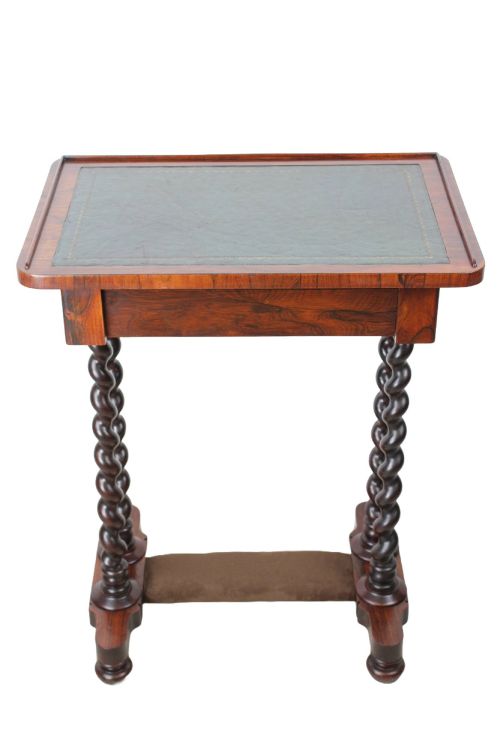
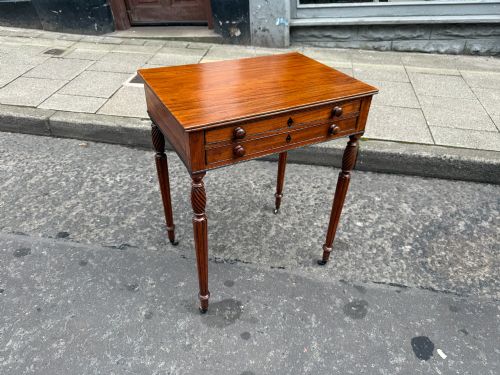
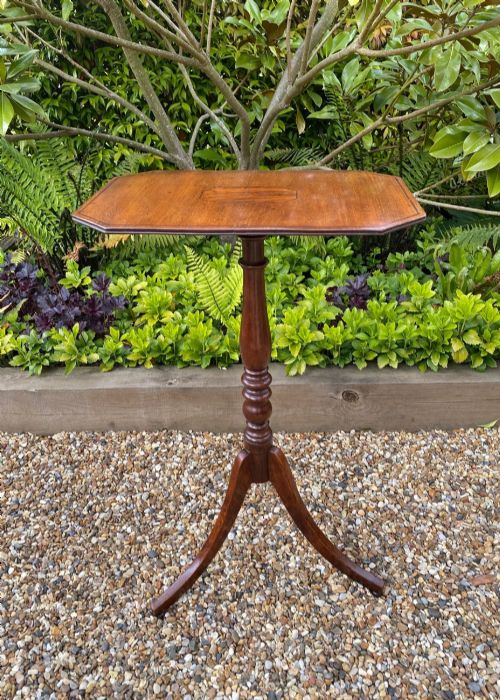
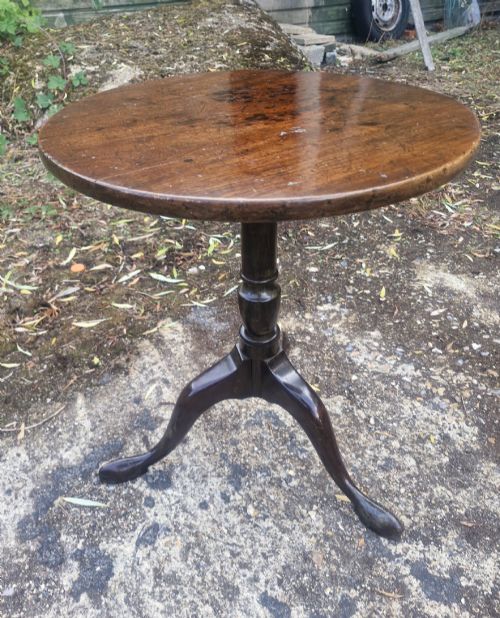
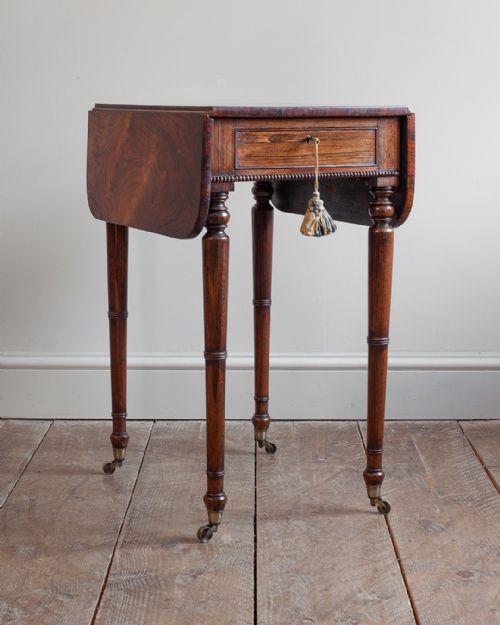
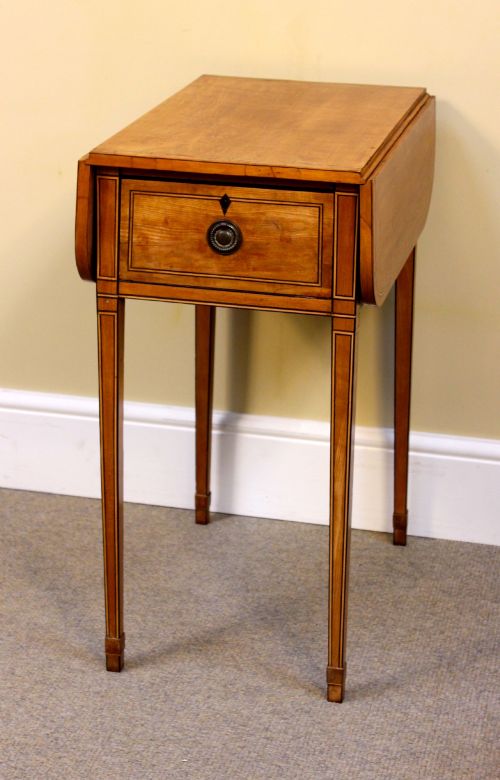
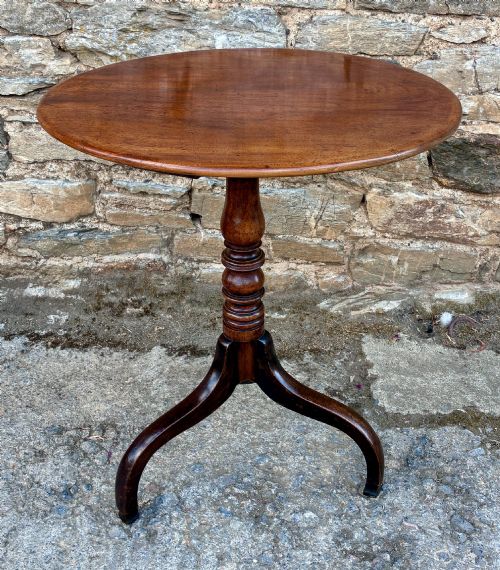
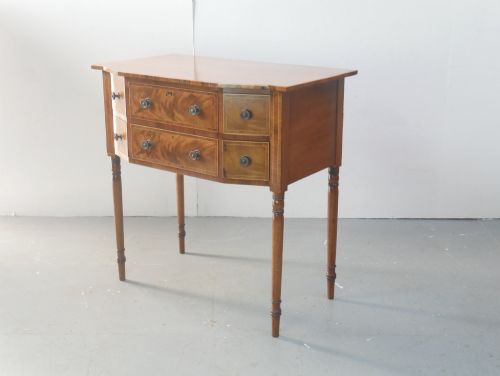
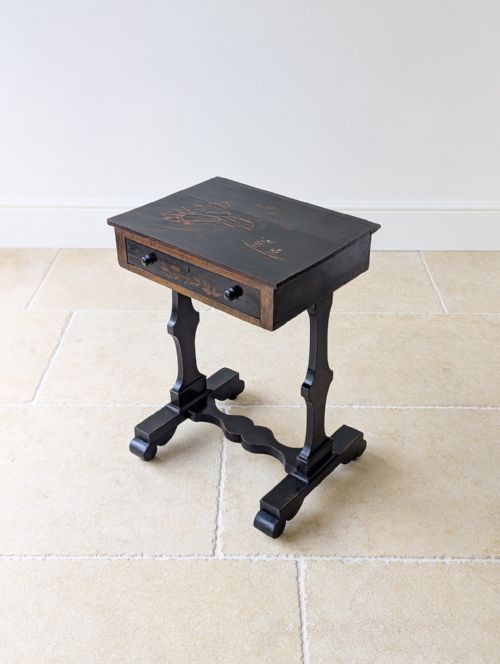
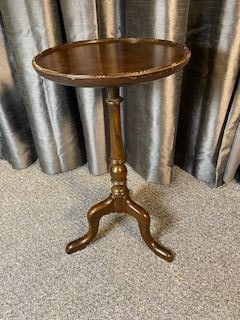
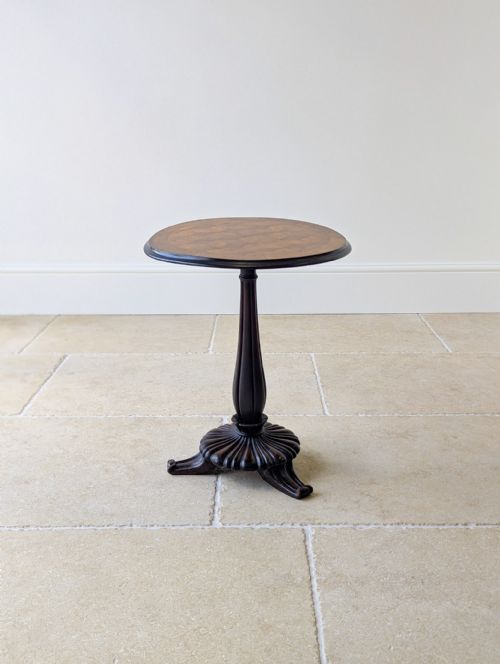
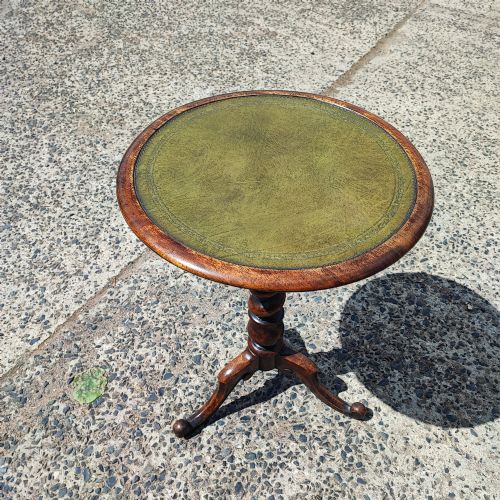
A small regency side table encompasses a variety of compact occasional furniture designed for domestic utility during the early nineteenth century and later revival periods. Buyers seeking this phrase encounter tripod wine tables, Pembroke drop-leaf designs, and slender rosewood or mahogany surfaces intended for lamps and books.
The material palette spans rich rosewood, figured mahogany, and lighter satinwood timbers, frequently incorporating brass inlay or delicate boxwood stringing. These tables originate from the Regency, Georgian, and William IV eras, alongside Edwardian revivals that replicate the neat proportions of the original period.
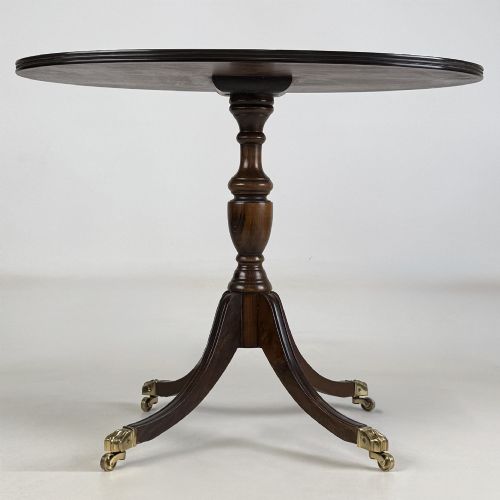
Forms vary from drum tables and work tables with fitted compartments to rectangular occasional stands and pedestal tables supported by central pillars. Their compact footprints make them adaptable for placement beside seating or in hallways.
How they were made
Cabinet-makers relied upon solid timbers and carefully selected veneers, applying flame mahogany, rosewood, and satinwood over secondary woods. Surfaces frequently display linear stringing in boxwood or ebony, alongside detailed brass inlay set directly into the primary wood.
Construction techniques included pegged joints, turned pedestals with tripod legs, and drop-leaf mechanisms supported by swing brackets on Pembroke tables. Drawers utilised hand-cut dovetailing, reflecting the functional requirements of writing and work tables.
Several diminutive tables retain tiny interior compartments originally designed for nineteenth-century sewing tools and secret correspondence.
What varies in quality
The degree of refinement in timber selection and secondary details separates standard pieces from exceptional examples. Figured veneers with strong natural grain patterns and intricate brass work indicate a higher tier of workshop production.
Proportion and execution of turned pedestals or inlaid borders determine the visual balance of an individual table. Finer pieces demonstrate precise joinery and balanced scaling across compact surfaces.
Gillows·George Oakley·Donald Ross
The Small Regency Side Table Glossary
- Pembroke table
- A small rectangular table featuring two hinged drop leaves on opposing sides, often fitted with a single drawer.
- Tripod table
- A freestanding small table supported by a central pillar resting on three spreading feet.
- Satinwood
- A lustrous, hard timber native to the tropics, used for fine veneers and detailed inlay work during the Regency period.
- Drum table
- A circular library or occasional table with a deep top resembling a drum, frequently containing drawers around the circumference.
- Stringing
- Thin inlay lines of contrasting wood used to outline geometric borders on table tops and legs.
Small Regency Side Table: Frequently Asked Questions
Where should I place a small regency side table?
These tables suit placement beside sofas, armchairs, or in narrow hallways where floor space remains limited. Their finished backs and compact footprints allow them to stand freely within a room layout.
They function effectively as lamp stands, book tables, or small writing surfaces without dominating the surrounding furniture.
How do I distinguish Regency from Edwardian revival tables?
Original nineteenth-century pieces exhibit period construction methods, timber ageing, and hand-cut joinery consistent with Georgian and Regency workshops. Revival examples produced around nineteen hundred often display lighter secondary woods and standardised machine machining.
Examining the underside, drawer linings, and overall wear patterns helps clarify the actual period of manufacture.
Can these tables be used for daily writing tasks?
Certain variants, such as writing tables and work tables, were specifically constructed with fitted drawers and flat surfaces for correspondence. Other smaller occasional tables serve better for display or holding lighting fixtures rather than active writing.
Checking the height and knee clearance beneath the drawer frame helps determine suitability for seating use.