







Small Persian Rug Bag
These small persian rug bag items are nomadic weaving fragments crafted for daily utility, offering portable colour and texture for modern interiors.
Small Persian Rug Bag
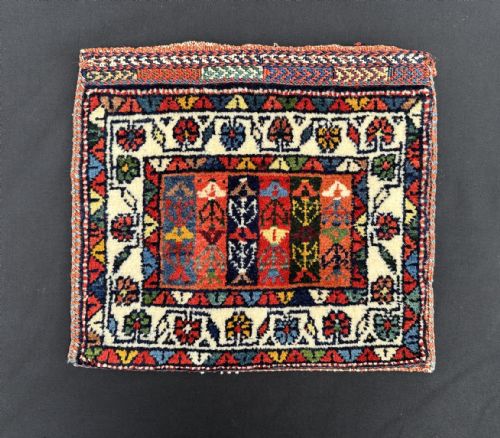
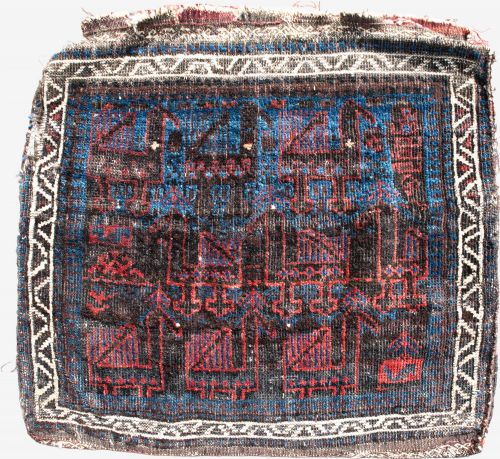
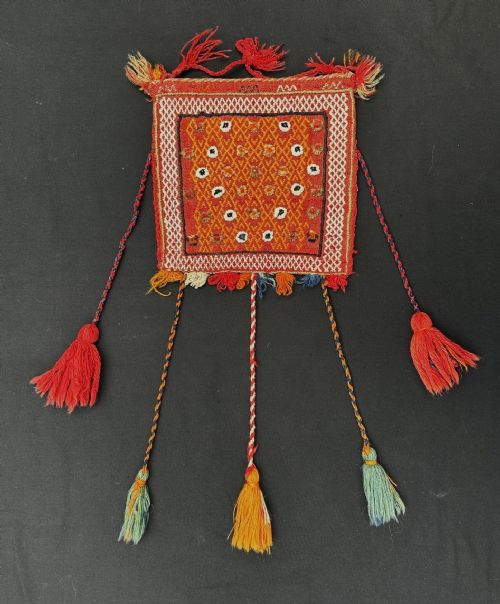
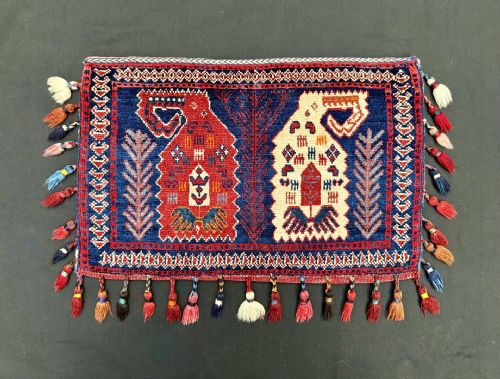
When you search for a small persian rug bag, you encounter tribal and nomadic textiles originating from various regions of Persia during the nineteenth and early twentieth centuries. These objects typically take the form of saddlebag faces, chantehs, vanity bags, and pushti faces woven by tribal groups such as the Afshar, Baluch, Kurdish, Qashqai, and Shahsevan.
The pieces on this page span several decades from the late nineteenth century through to the early decades of the twentieth century, reflecting distinct tribal traditions. You find compact formats ranging from square saddlebag faces to rectangular personal carriers, each displaying traditional geometric, tile, or medallion motifs.
What separates the best from the rest
Quality rests in the fineness of the knotting, the complexity and clarity of the tribal design, and the integrity of the natural dyes. Superior examples exhibit exceptional wool lustre and precise geometric execution that reveal the weaver's deliberate aesthetic choices.
Lesser pieces often display coarser pile structures, less distinct motifs, or a lack of nuance in the colour palette. The distinction lies in how successfully the weaver integrated traditional symbols into a harmonious, balanced surface.
Nomads wove these portable treasures on horizontal ground looms staked directly into the dust of the Persian plains.
Shahsevan Nomads·Afshar Tribes·Baluch·Luri Tribes
The Small Persian Rug Bag Glossary
- Chanteh
- A small personal bag or container woven by nomadic tribesmen and women for carrying small belongings. These pieces frequently feature expressive tribal iconography and compact proportions.
- Khorjin
- The traditional Persian term for a double saddlebag utilised for transport during nomadic migrations. Many surviving examples present just the face of the original pair.
- Pushti
- A small mat or bag face used domestically for leaning against or sitting upon within a tent. They share the structural qualities of larger floor rugs in miniature scale.
- Medallion
- A central decorative motif placed in the field of the textile, common in Persian tribal weaving. It anchors the symmetrical composition of the design.
Small Persian Rug Bag: Frequently Asked Questions
How were these bags used originally?
Nomadic tribes utilised these textile containers to store personal items, salt, or provisions during seasonal migrations across Persia. They travelled loaded upon horses, camels, or donkeys as functional elements of daily camp life.
Over time, many double saddlebags were separated into individual bag faces as the original utility faded and collectors sought smaller decorative textile fragments.
How do I display a bag face at home?
These compact textile fragments lend themselves well to mounting on walls as textile art or placing upon small tables and chests as decorative accents. Their dense wool pile and rich natural dye colours bring warmth to concentrated spaces.
Ensure you avoid hanging them in direct, strong sunlight to preserve the natural dye colours over the years.
How can I tell different tribal designs apart?
Different tribal groups employed distinct structural palettes, such as the tile designs associated with Baluch weaving or the geometric medallion formats seen in Afshar and Qashqai work. Each confederacy maintained a distinct visual vocabulary passed down through generations.
Examining the specific wool quality, colour saturation, and fringe finish helps attribute a piece to regions like Kerman, Fars, or Luristan.
What does a chanteh mean?
A chanteh is a small personal carrying bag produced by Persian nomads for individual use. They represent some of the most intimate weaving examples created within tribal households.
Because they were made for personal utility rather than commercial trade, they frequently showcase highly creative individual designs by the weaver.