

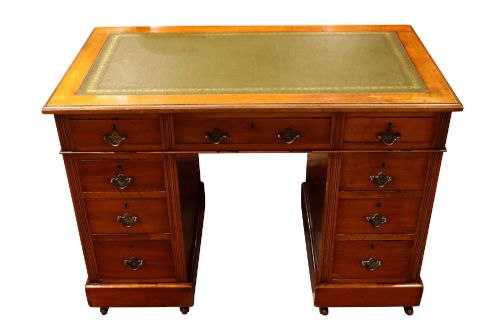
Small Pedestal Table
A small pedestal table is a versatile surface raised on a central column, offering practical charm across Georgian, Victorian and Edwardian interiors.
Small Pedestal Table
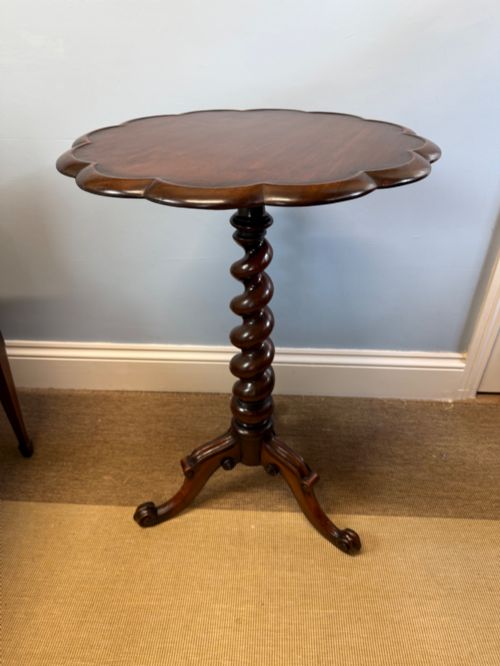
When you search for a small pedestal table, you encounter diverse single-column forms ranging from wine tables and occasional tables to lamp stands and tilt-top designs. These pieces appear across Georgian, Victorian, Regency and Edwardian periods, reflecting changing domestic habits over two centuries.
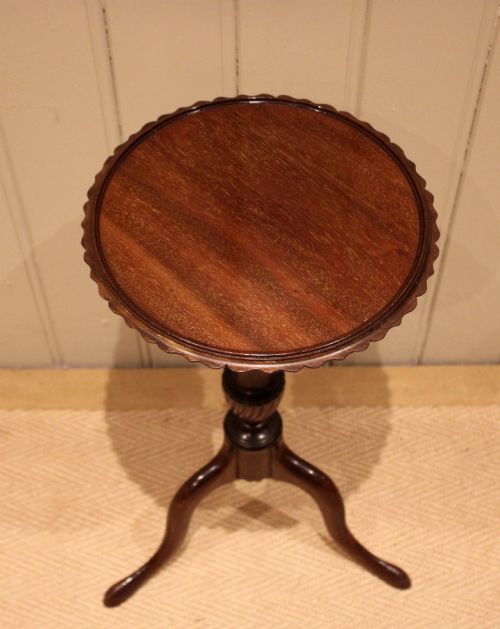
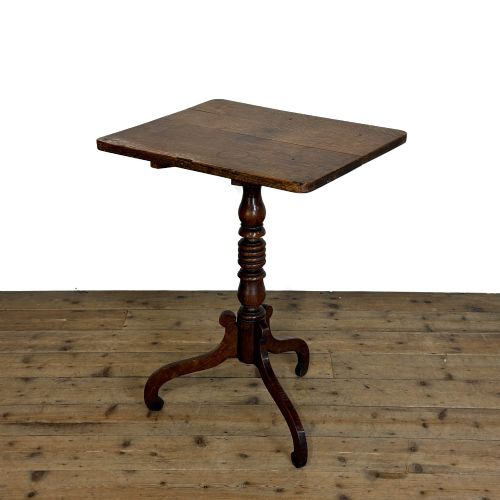
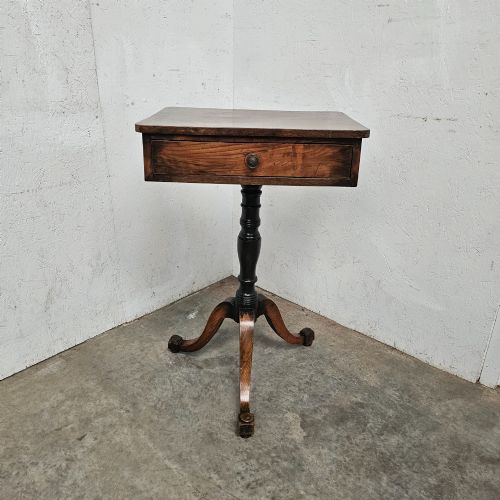
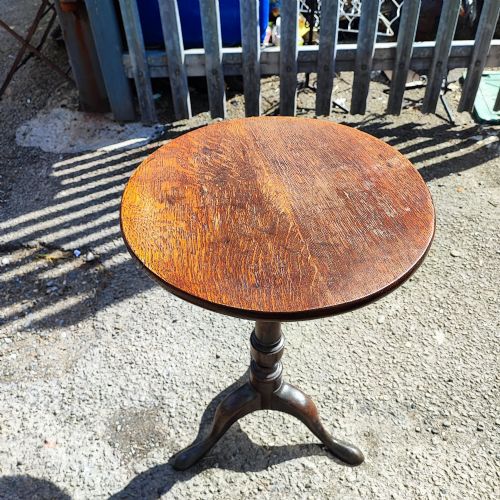
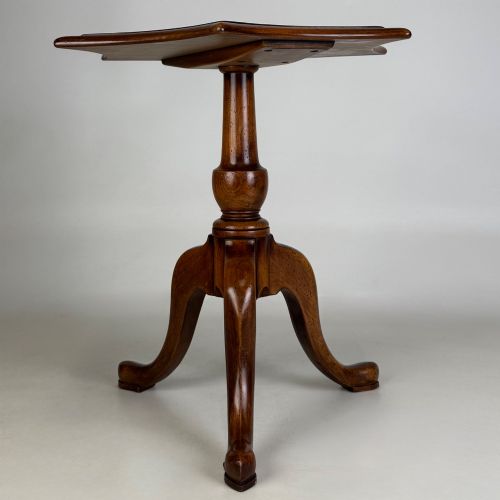
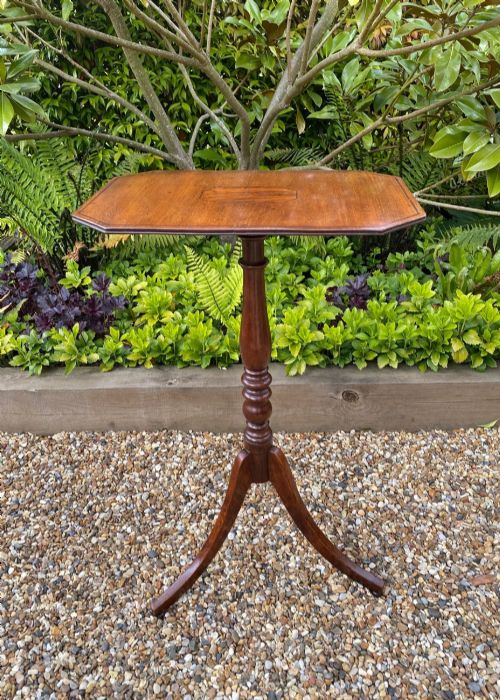
The version you are most likely to meet on this page is the tripod wine table or occasional table in mahogany, supported by three splayed legs. These compact pieces served specific historical functions in the home, from holding candles and wine glasses to displaying decorative objects.
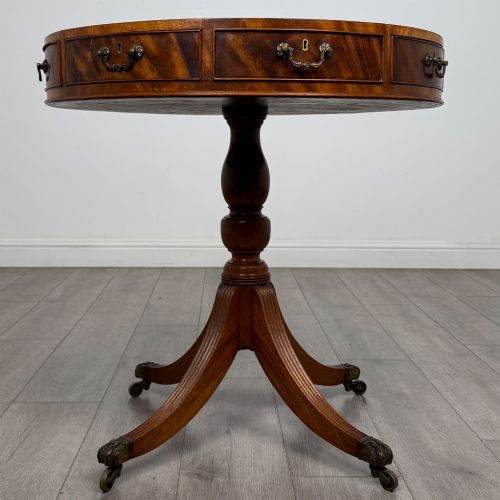
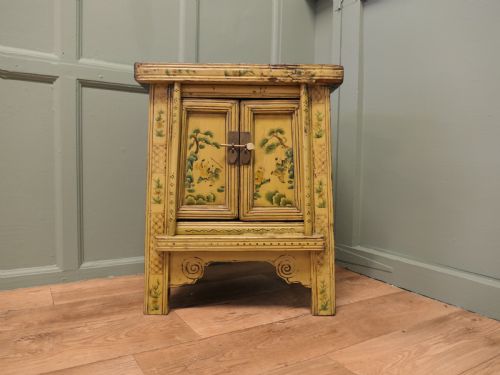
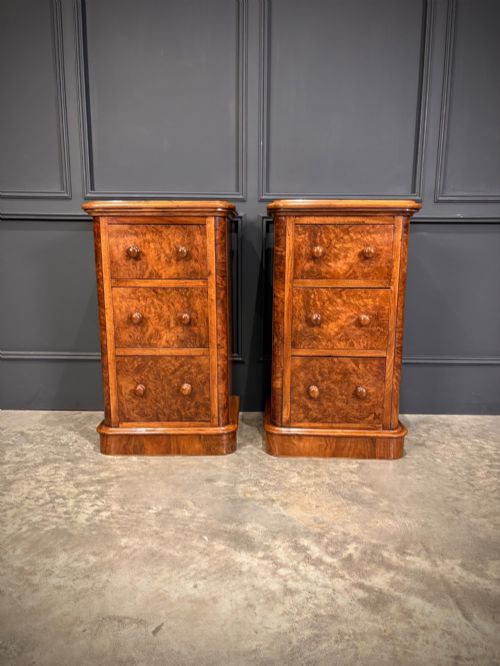
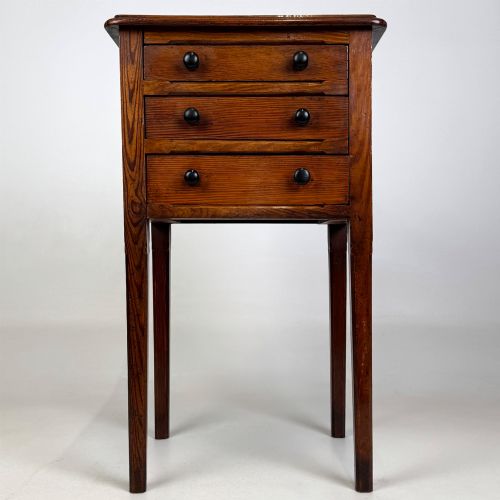
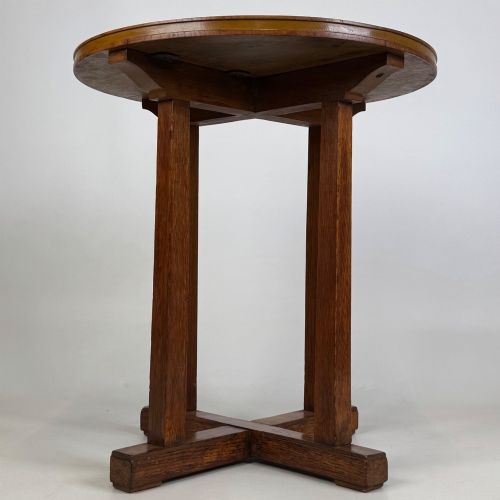
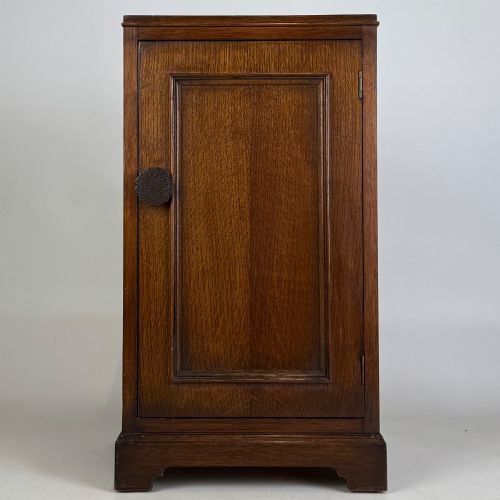
Beyond standard tripod designs, the selection includes drum tables, bedside cabinets with pedestal forms, and occasional tables in oak, walnut and burr veneer. Each variation demonstrates how cabinet makers adapted the central column support for different rooms and uses.
How they were made
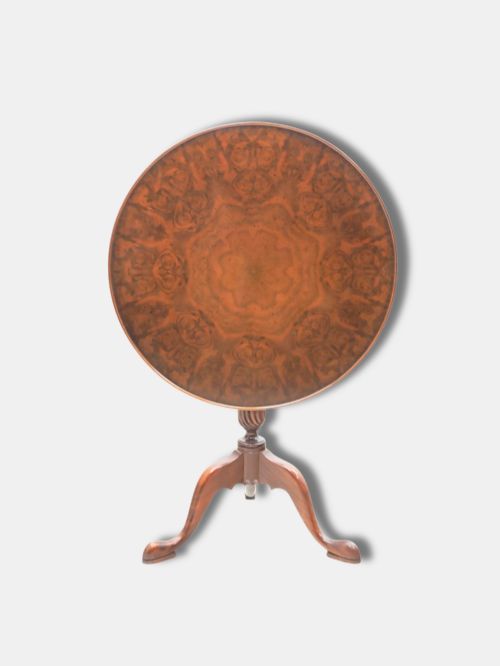
Cabinet makers relied primarily on solid mahogany, oak and walnut, frequently enhancing surfaces with burr walnut or burr birch veneers and decorative inlays. Timber selection dictated both the structural stability of the central shaft and the visual richness of the tabletop.
Construction techniques combined turned central pedestals with tenoned or dovetailed legs, often incorporating tilt-top mechanisms using catch mechanisms and brass hardware. Tripod bases required precise joinery to ensure the three splayed legs balanced the weight of the circular or oval top evenly.
Tilt-top tables let you fold the surface flat against the wall, acting as miniature wall art when you need your floor space back.
What varies in quality
Quality rests in the proportional harmony between the diameter of the top, the height of the column, and the spread of the base. Finer examples display crisply turned pillars and elegantly profiled legs rather than heavy or unrefined timber turnings.
The choice of timber grain significantly elevates a piece, particularly when cabinet makers selected highly figured mahogany, burr walnut or matched veneers for the top. Superior construction is further evident in the seamless operation of tilt-top catches and the tight integration of joints in the pedestal block.
The Small Pedestal Table Glossary
- Tilt-top
- A tabletop hinged to the central pedestal that can be pivoted vertically to save space when not in use. This clever mechanism allowed tables to stand flush against walls in period parlours.
- Tripod base
- A supporting structure featuring three legs radiating from a central column. It ensures stability on uneven floorboards by resting firmly on three points.
- Wine table
- A small circular occasional table designed specifically to hold glasses and bottles during evening gatherings. They frequently feature raised rims or shaped pie crust edges.
- Drum table
- A circular table with a deep friere cabinet resembling a drum, mounted on a central pillar and platform base. These larger pedestal pieces often contained drawers around the circumference.
- Pie crust rim
- A carved and moulded tabletop edge featuring undulating raised curves resembling pastry work. This decorative flourish appears on finer Georgian and revival wine tables.
Small Pedestal Table: Frequently Asked Questions
What were small pedestal tables used for?
These tables served flexible domestic functions, primarily holding drinks, candles or reading material beside seating areas. Wine tables and lamp stands could easily be moved around a room as needed.
Larger pedestal forms, such as drum tables or centre tables, acted as permanent focal points in libraries, halls and parlours for display and writing.
How do I date a pedestal table?
Dating relies on observing timber choices, leg profiles, and construction methods characteristic of specific eras like the Georgian or Victorian periods. Georgian pieces often show hand-cut joinery and simpler mahogany grains, while later revival pieces incorporate machine tooling.
Stylistic cues such as barley twist legs, pie crust rims, or specific veneer types help narrow down whether a piece originates from the eighteenth, nineteenth, or early twentieth century.
Are tilt-top mechanisms original?
Tilt-top mechanisms on tripod tables are typically original to the piece, comprising a wooden birdcage or block catch secured with iron or brass fixings. Inspecting the underside reveals whether the pivot block and pivot pins show consistent age and wear with the rest of the frame.
Replacement screws or modern hinges usually indicate later repair work rather than original factory construction.
Where should I place a pedestal table at home?
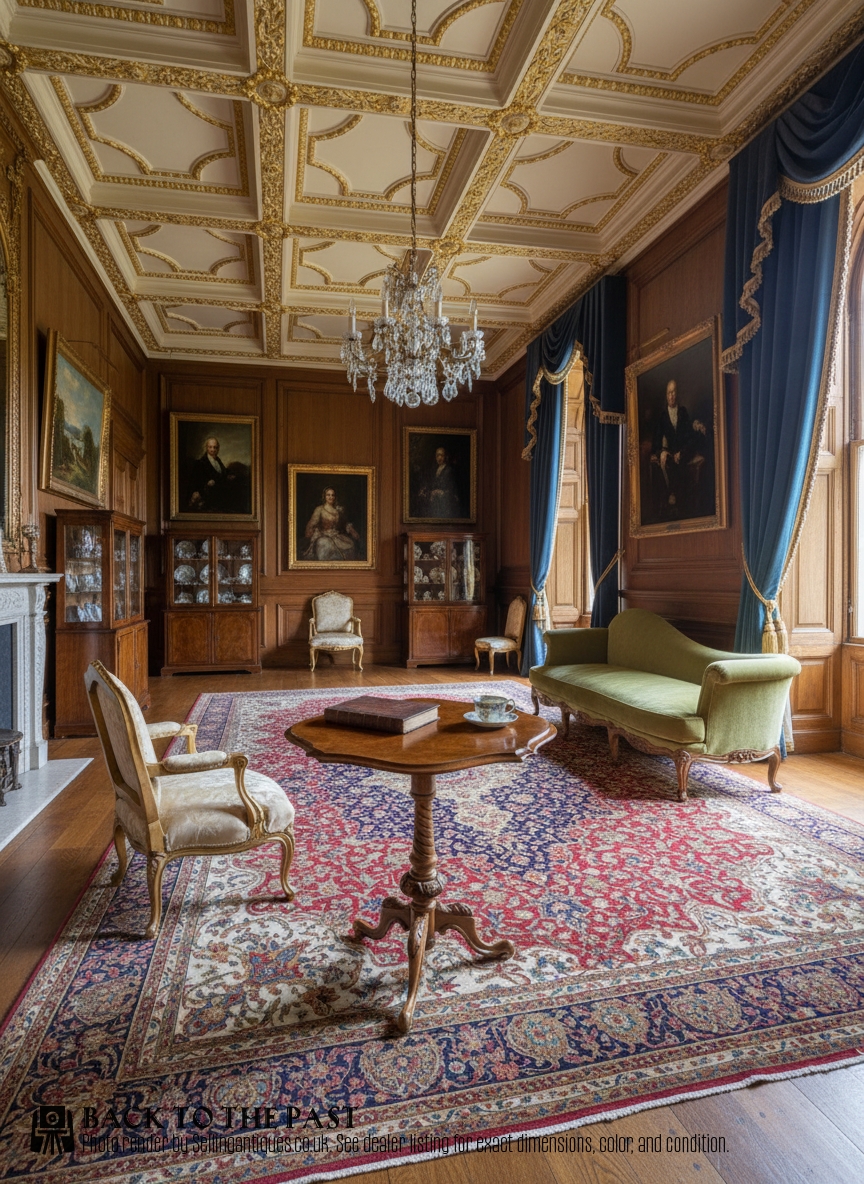
A small pedestal table fits naturally beside armchairs, sofas or in empty corners where a surface is needed without occupying much floor space. Their compact footprints make them ideal for holding table lamps or small decorative items.
Tilt-top versions can also be displayed upright against a wall as decorative art pieces when floor space is at a premium.