

Small Pedestal Occasional Table
A small pedestal occasional table is a compact support for lamps or wine, offering elegance and convenience in any reception room.
Small Pedestal Occasional Table
When you search for a small pedestal occasional table, you encounter compact circular stands designed to hold lamps, wine, or books beside seating. These pieces span centuries of British and continental domestic life, appearing across Georgian, Victorian, and Edwardian periods.
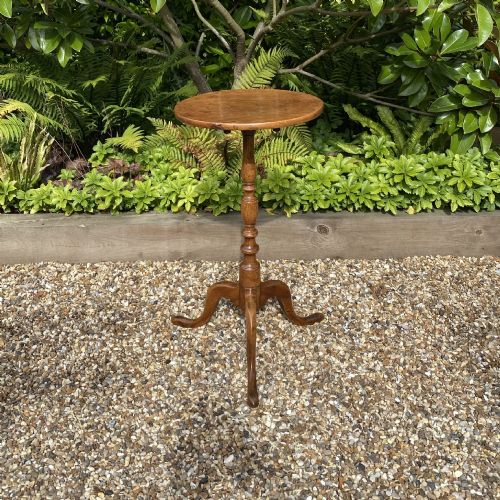
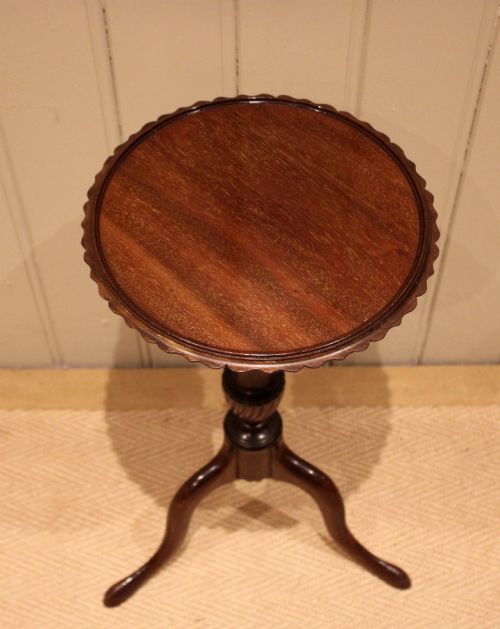
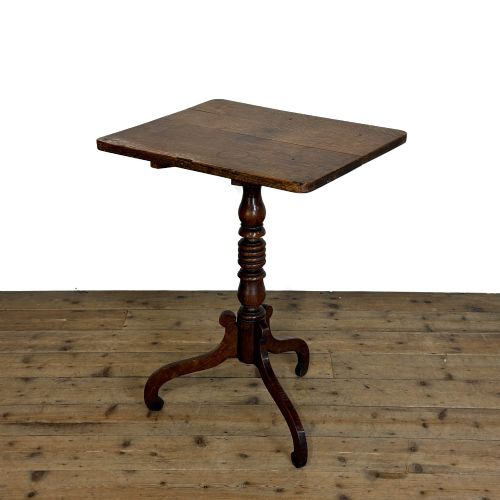
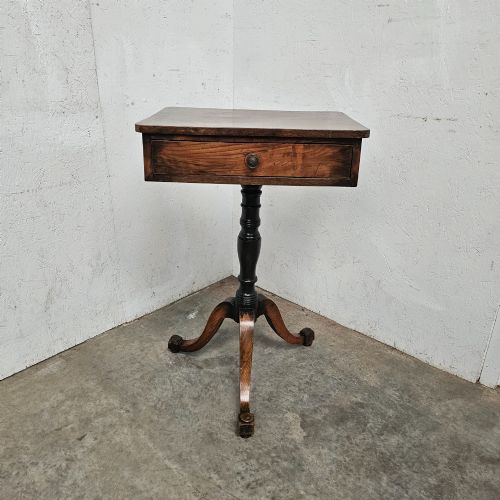
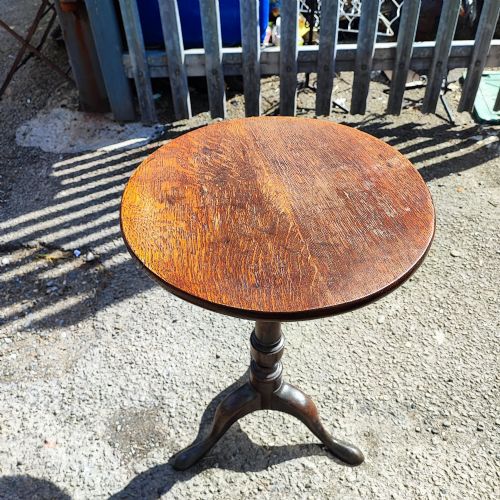
The most common version met on this page is the tripod wine table in mahogany, often featuring a tilt-top mechanism and a slender central pillar. Alongside these, oak, walnut, and rosewood examples surface in various side, lamp, and centre table formats.
Origins range from English country workshops to Swedish houses, demonstrating how makers adapted the single-pillar format for domestic utility. Pieces often reflect specific revivals, including Georgian style and Arts and Crafts movements, alongside authentic period items.
How they were made
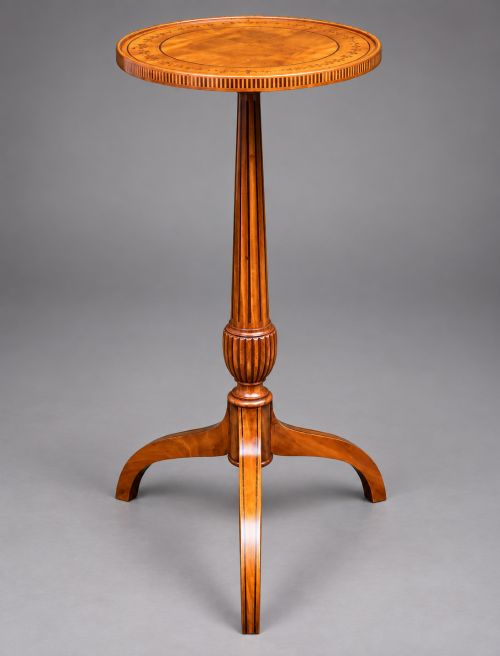
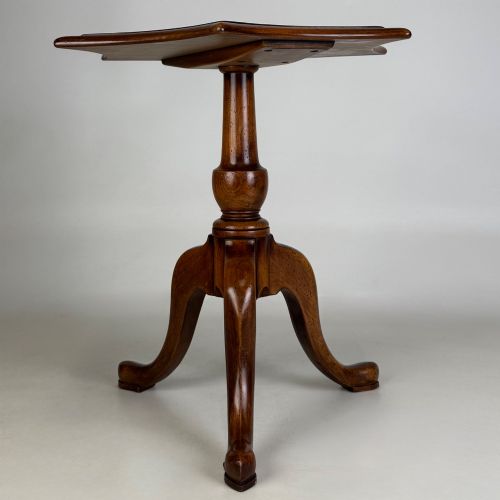
Timbers like mahogany, oak, walnut, and rosewood form the primary structure of these tables, frequently paired with burr veneers and boxwood inlay for decorative contrast. Craftsmen turned central pedestals on lathes and shaped tripod legs to balance the top securely.
Tilt-top mechanisms incorporate wooden catches and brass fittings, allowing tables to fold flat against walls when not in use. Joinery relies on traditional methods, securing pillars to tops and legs with sturdy tenons and pegs.
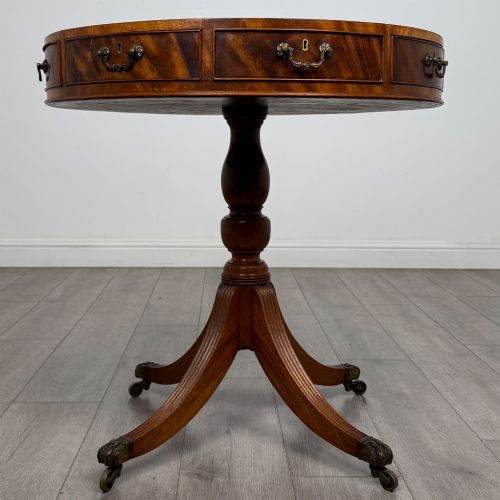
Object formats on this page include side tables, occasional tables, wine tables, centre tables, and lamp tables.
What varies in quality
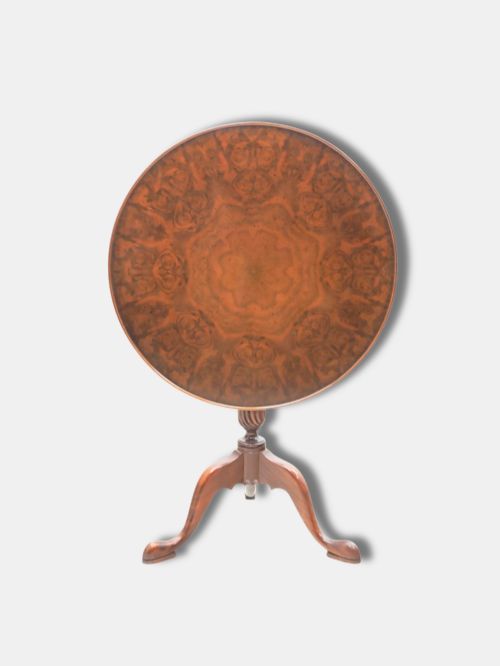
The distinction between standard examples and finer pieces lies in the choice of timber figure and the crispness of the turning on the pedestal. Selected burr walnut or figured mahogany displays depth and rich grain that plain boards lack.
Proportion and stability dictate overall excellence, as superior tables maintain a balanced weight distribution across the tripod base without listing. Subtle details such as pie crust rims, boxwood stringing, and well-fitted brass catches elevate the standard of manufacture.
The Small Pedestal Occasional Table Glossary
- Tilt top
- A table top hinged to the pedestal so it can pivot vertically when not in use. This clever mechanism saved precious floor space in historic drawing rooms.
- Tripod table
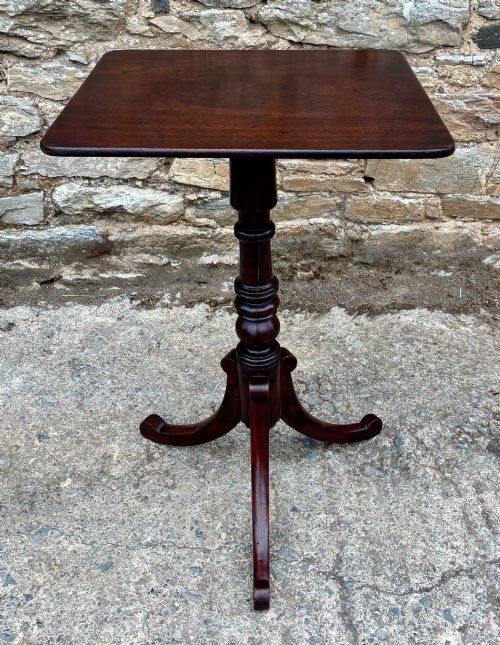
- A small stand supported by three legs radiating from a central pillar. This three-legged construction ensured the table sat firmly even on uneven floorboards.
- Wine table
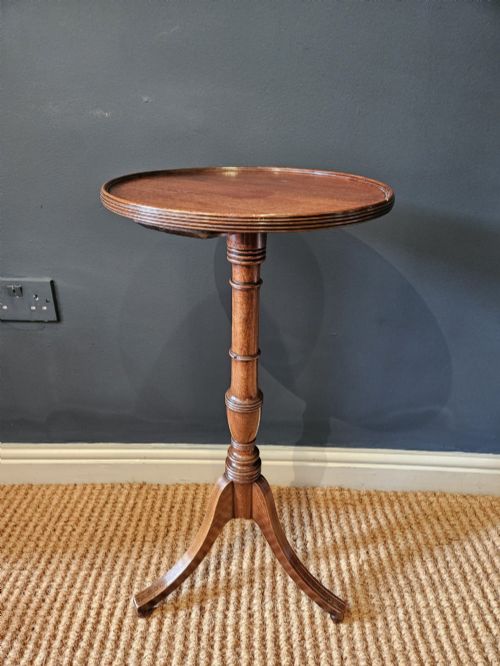
- A compact single-pedestal table historically used for holding glasses and bottles. These surfaces generally feature circular tops sized for intimate gatherings.
- Pie crust rim
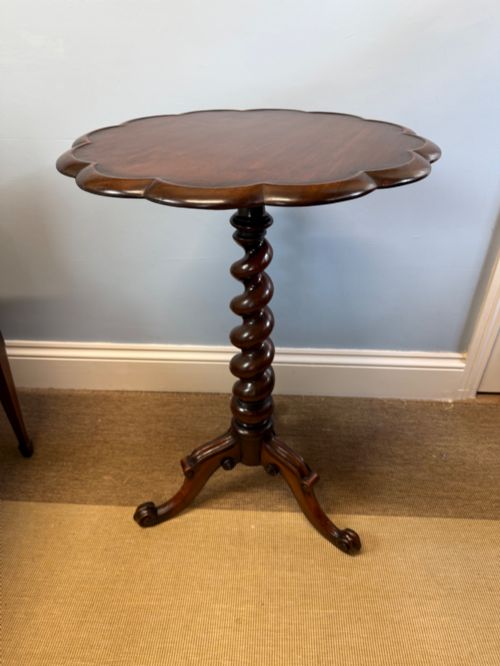
- A carved, undulating edge raised around the perimeter of a circular tabletop. This decorative border stopped small items from rolling off the surface.
- Barley twist
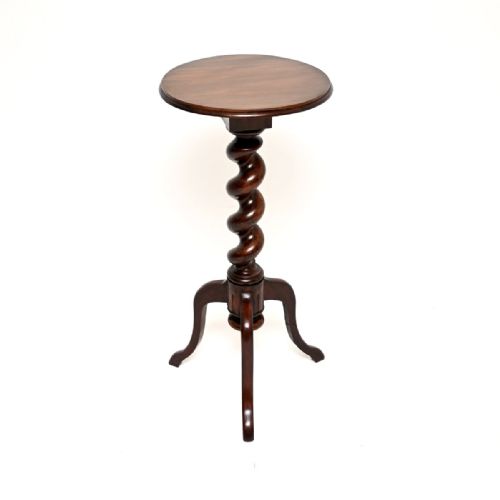
- A spiral turning resembling a twisted rope, carved into table legs or central pillars. This decorative motif appears frequently on Edwardian oak furniture.
Small Pedestal Occasional Table: Frequently Asked Questions
What is a tilt top table used for?
These tables served primarily to hold drinking vessels, candles, or small lamps beside seating areas during evening gatherings.
When not in use, the hinged top tilted vertically so the piece could stand flat against a wall and clear the floor.
How do I identify a Georgian wine table?
Georgian wine tables typically feature solid mahogany or oak timbers with hand-turned tripod bases and simple, elegant proportions.
Authentic examples from this era often show subtle signs of age in the grain and joinery without modern machine marks.
Where should I place an occasional table?
These compact pieces fit easily beside armchairs, sofas, or in awkward corners that require a functional surface for lighting.
Their narrow footprints allow them to act as lamp stands or display points without crowding a smaller room.
What distinguishes Edwardian tables from Victorian ones?
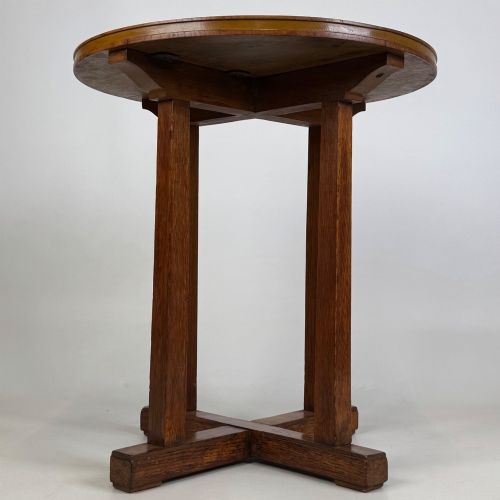
Edwardian versions often embrace lighter oak frames, barley twist stems, and Arts and Crafts simplicity compared to heavier dark woods.
Victorian pieces lean towards rich mahogany, burr walnut veneers, and elaborate turnings that reflect a more formal aesthetic.