
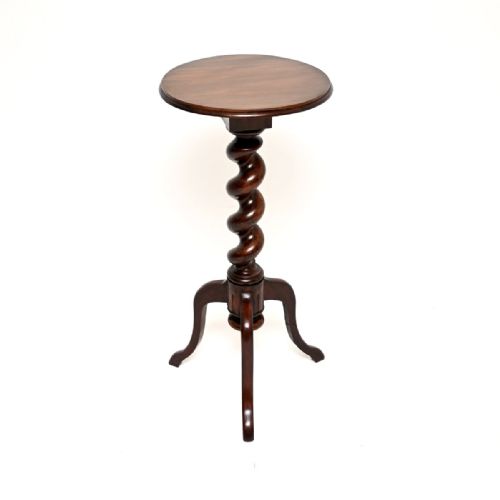
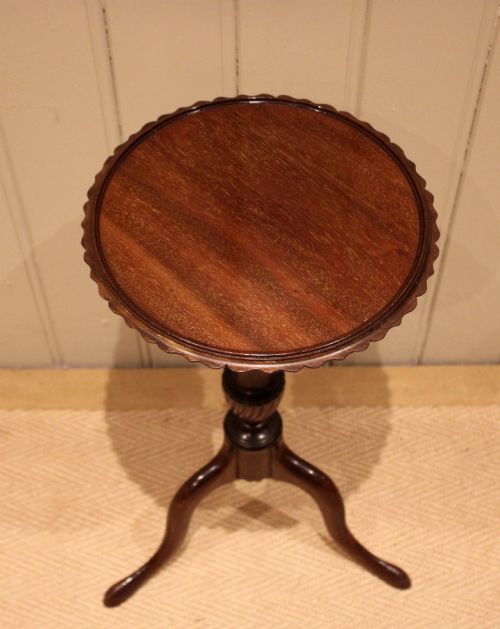
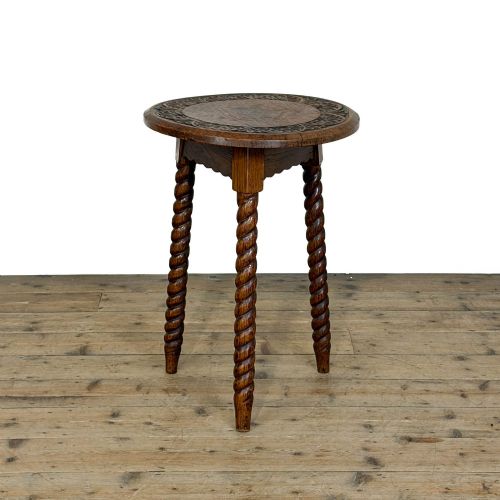
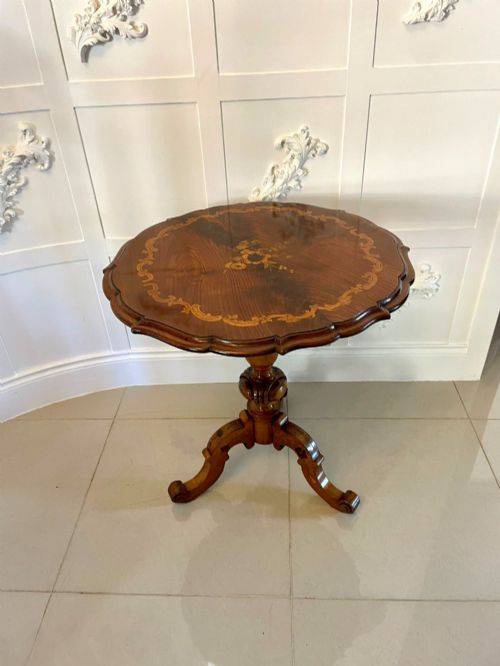


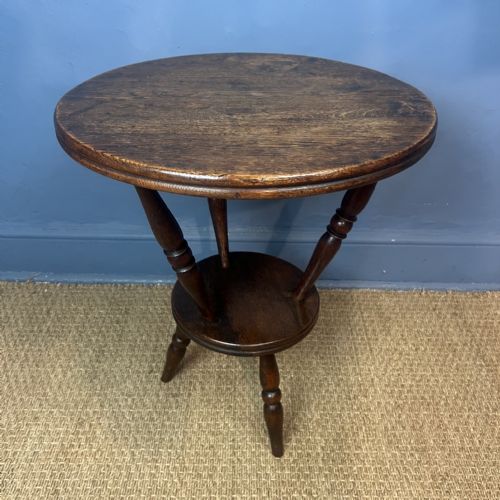

Vintage Tripod Lamp Table
A vintage tripod lamp table brings compact elegance to a corner, uniting stable three-legged bases with useful small surfaces for lighting.

Vintage Tripod Lamp Table
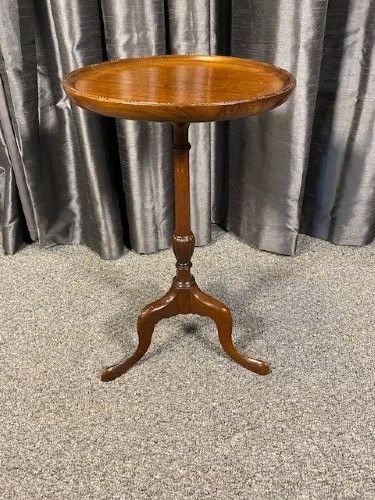
A vintage tripod lamp table combines small occasional surfaces with three-legged supports, emerging across the nineteenth century through the Edwardian era. These pieces frequently appear as wine tables, cricket tables, or tailored occasional stands designed to hold lighting.
Makers shaped these items in forms ranging from Georgian style mahogany models to Arts and Crafts oak versions. Buyers encounter variations that include tilt-top mechanisms, circular tops, and two-tier structures suited for domestic corners.
How they were made
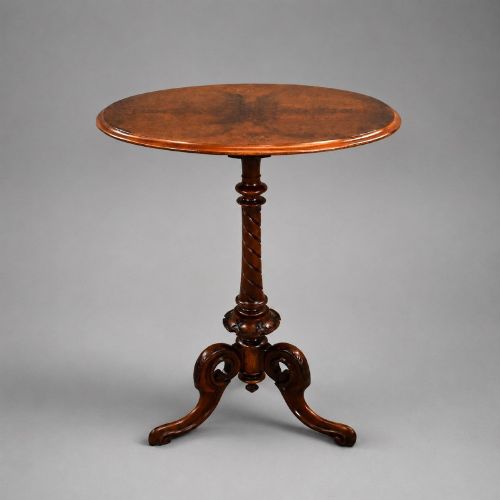
Craftsmen built these tables using solid hardwoods such as mahogany, oak, walnut, and teak, frequently selecting burr veneers for decorative tops. Turned tripod legs provided balanced support while minimising floor space usage.
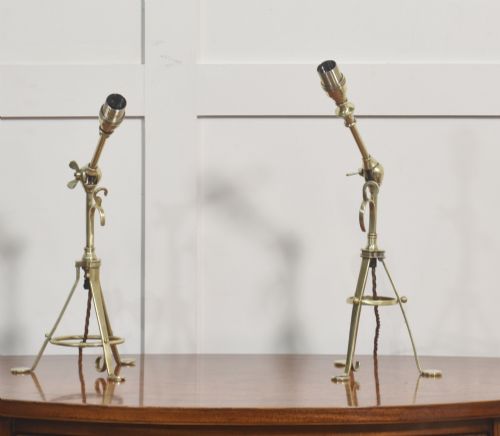
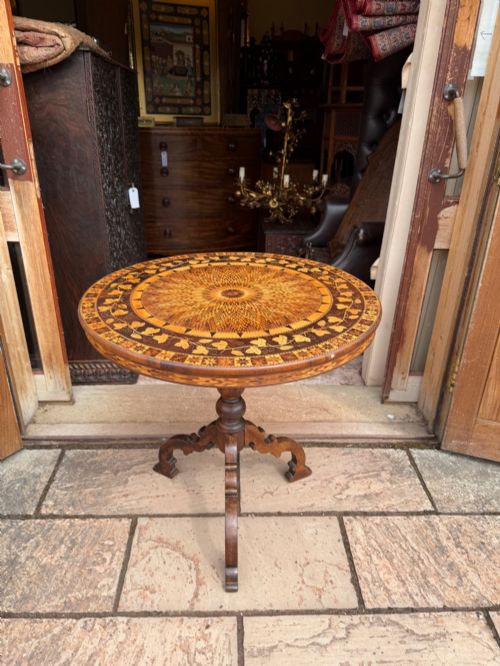
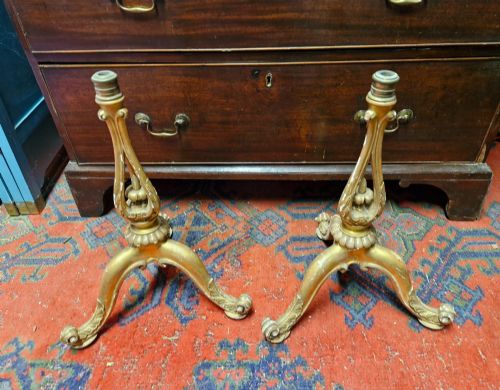
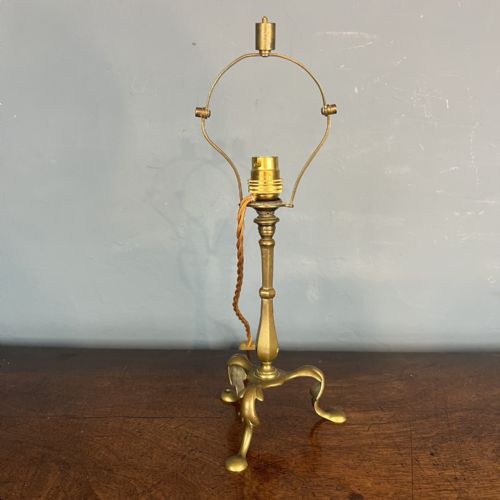
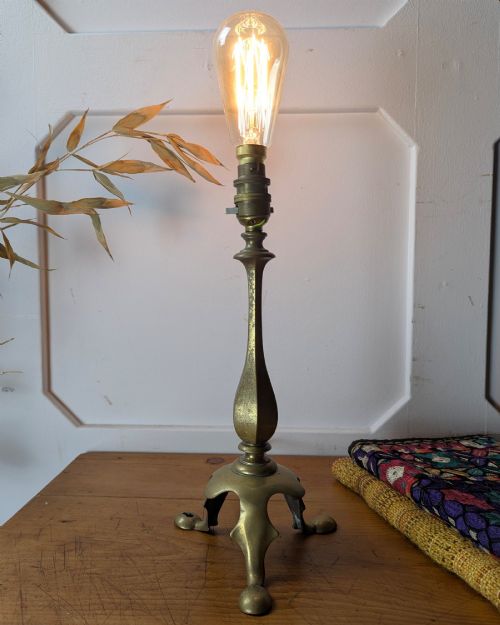
Joining techniques relied on traditional stable framing, occasionally incorporating marquetry inlay, pie crust edges, or carved ornamentation. Metal components on related lighting pieces integrated brass, ormolu, and adjustable fittings.
Listings feature pieces spanning the Georgian period, the Victorian era, and the Arts and Crafts movement, constructed in mahogany, walnut, oak, and brass.
What varies in quality
Quality rests upon timber selection and the crispness of turning on the tripod stem and legs. Fine examples exhibit well-figured grain, such as burr walnut or rich mahogany, matched with stable, seamless joints that resist wobble.
Decorative ambition separates standard pieces from superior items, seen in detailed marquetry inlay, carved borders, or specialist galleried tops. The integrity of the tilt mechanism and balance of the three-legged base dictate daily utility.
W.A.S. Benson·Faraday & Sons
The Vintage Tripod Lamp Table Glossary
- Tripod table
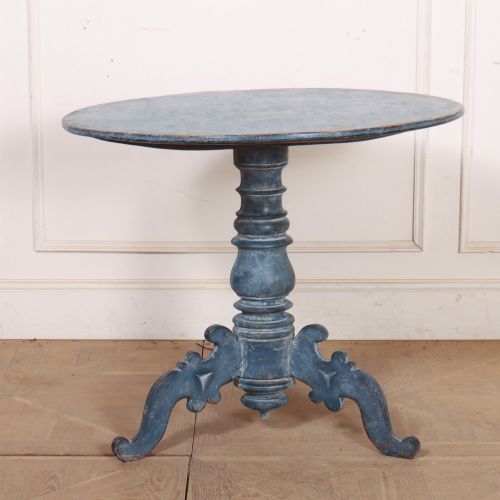
- A small stand supported by a central pillar resting on three legs. This design ensures stability on uneven floors.
- Cricket table
- A small circular wooden table with three splayed legs and a lower tier. Traditional versions offered sturdy utility in domestic spaces.
- Wine table
- A compact occasional table designed for holding glasses or small items beside seating. They often feature circular tops and tilt mechanisms.
- Marquetry
- The art of applying decorative veneer pieces to a structure to form intricate patterns. It highlights superior craftsmanship on table tops.
- Tilt-top
- A hinged table top that pivots to a vertical position for storage. This clever mechanism saved space when the furniture was not in use.
Vintage Tripod Lamp Table: Frequently Asked Questions
What is a vintage tripod lamp table used for?
These compact tables serve as convenient stands for table lamps, reading lights, or drinks beside a chair or sofa. Their small footprint makes them ideal for filling awkward corners without crowding a room.
Historically, similar forms functioned as wine tables or small occasional surfaces in sitting rooms and libraries. Today, they remain practical accent pieces that combine display space with stable support.
How do I identify an Edwardian tripod table?
Edwardian examples often feature lighter timbers like mahogany or oak, sometimes displaying understated stringing or simpler turned pedestals. They reflect a domestic shift toward versatile, easily moveable furniture.
Comparing the proportions and joinery helps distinguish them from heavier Victorian or earlier Georgian pieces. Look for clean lines and functional design suited to comfortable Edwardian interiors.
Are these tables stable on carpet?
Three-legged furniture naturally finds three points of contact on any surface, preventing the annoying rock common in four-legged tables on uneven floors. However, thick carpets can soften the stance of slender spade or pad feet.
Positioning the table carefully ensures the balanced weight distribution functions properly. The spread of the tripod base inherently provides reliable equilibrium.
What woods were commonly used?
Mahogany and walnut dominate the selection, offering rich colour and durable surfaces that resisted heavy daily use. Oak and teak also appear frequently, particularly in Arts and Crafts or regional variations.
Finer pieces utilise burr walnut or yew wood veneers to create striking decorative patterns on the top. Pine often served as a secondary timber for structural bases.