



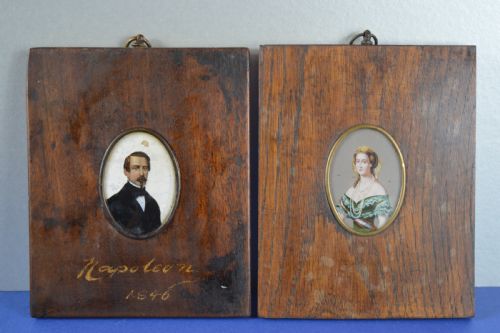

Small Oval Painting
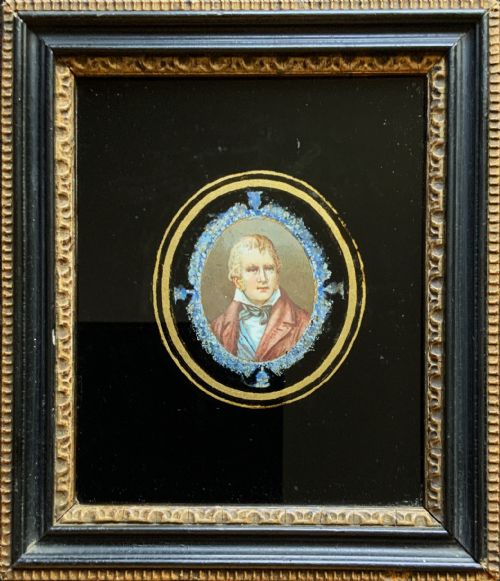
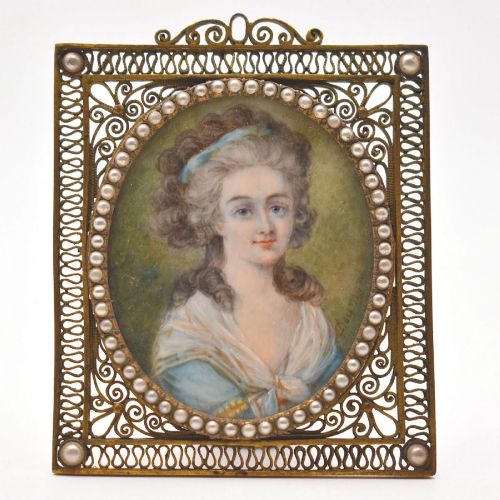
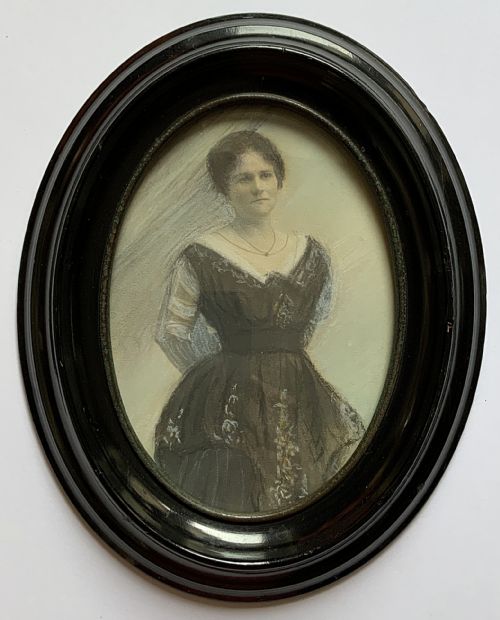
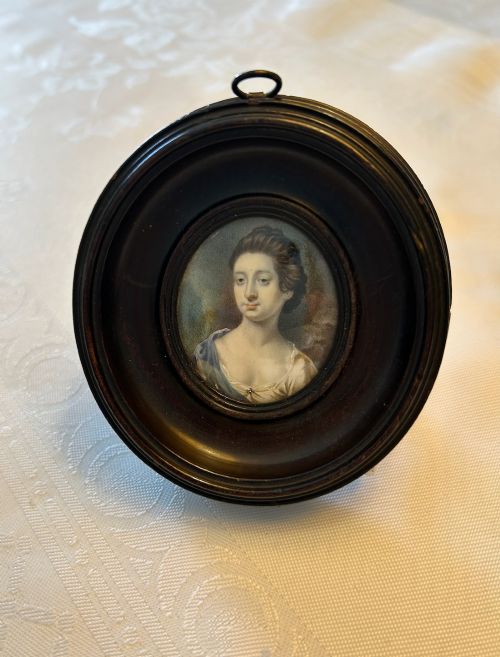
A small oval painting condenses portraiture and landscape into a portable scale framed in brass, ebonised wood, or gilt metal.
Small Oval Painting
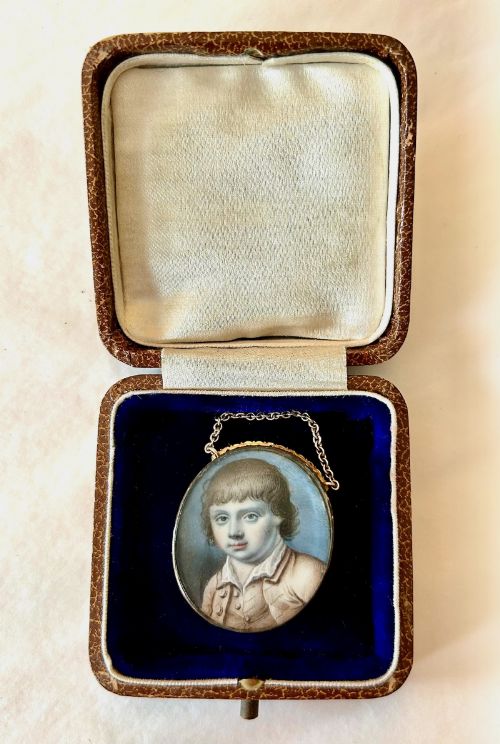
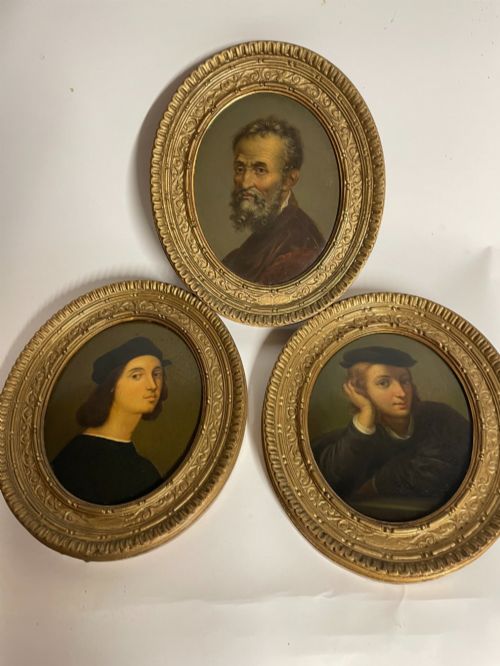
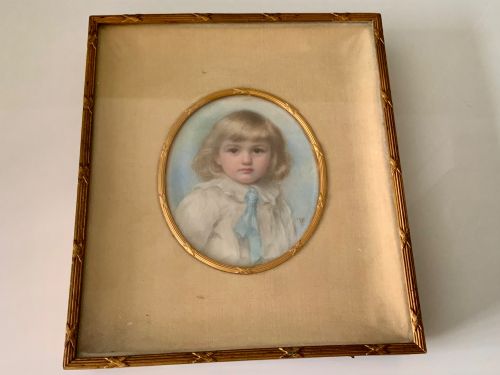
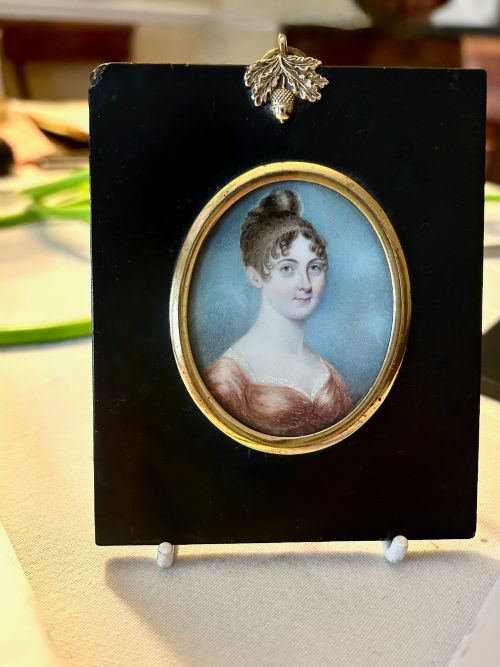
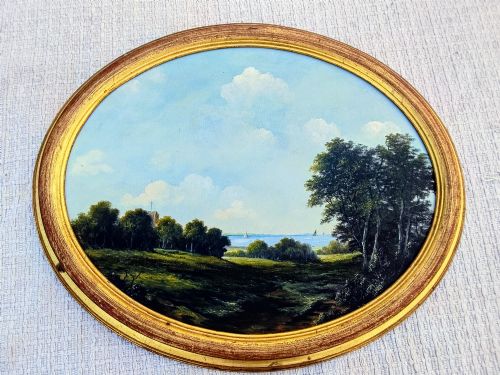
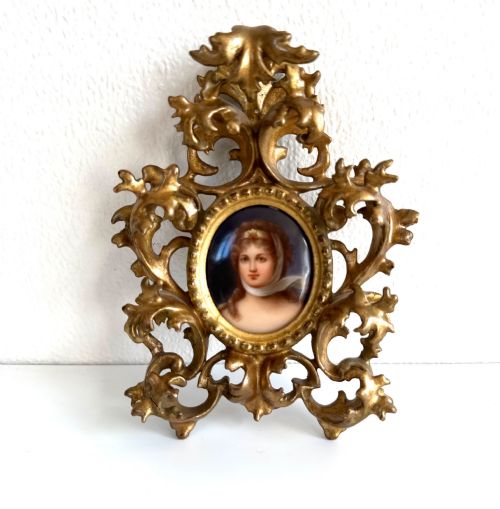
A small oval painting takes the form of portrait miniatures, miniature paintings, and occasionally sea views executed on paper, glass, or canvas. These pieces span the Georgian, Regency, Victorian, and 18th century periods, often capturing likenesses of historical figures or family members.
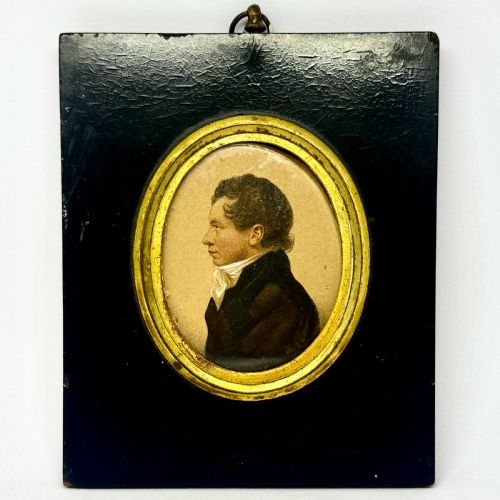
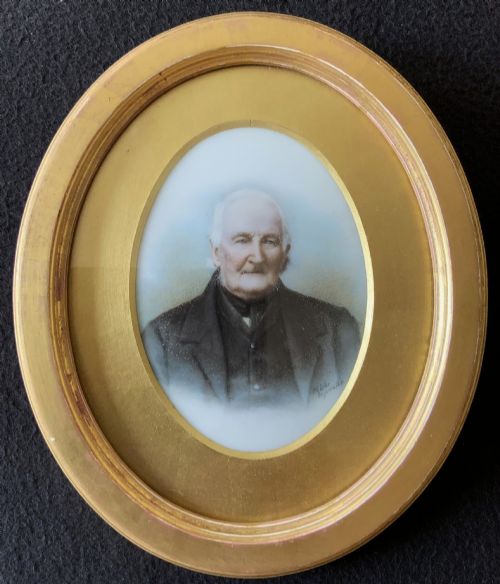
The version most frequently met on this page is the portrait miniature rendered in watercolour or oil, housed within a distinctive curved frame of ebonised wood or gilt metal. Subjects range from named sitters like Napoleon and Prince Albert to anonymous ladies and gentlemen.
Makers and schools represented include traditional maritime and continental traditions, alongside British works from the 18th and 19th centuries. Collectors encounter both single studies and paired companion pieces depicting couples or family members.
How they were made
Artists painted these works on materials such as paper, glass, ivory, and canvas, applying watercolour, pastel, or oil paints with fine brushes. Reverse painting on glass required meticulous layering from foreground details to background elements.
Frames play an integral part in the construction, utilising brass, gilt metal, and ebonised wood, sometimes accented with seed pearls or gold leaf. Stands and specialised enclosures protected the delicate painted surfaces from dust and handling.
Small Oval Painting Retail Price Guide 2026
Typical asking prices for small oval painting among the pieces listed under this phrase on Sellingantiques today, from the lower quarter to the upper quarter. They describe what is for sale here now, not the wider market.
Napoleon and Empress Eugenie gaze out from their frames alongside an Earl and a lady in a riding habit.
What varies in quality
The refinement of brushwork and the psychological depth of the sitter's expression distinguish accomplished portraiture from naive or purely decorative output. Finer examples capture subtle facial contours and textile textures within a very restricted compass.
The material integrity and originality of the surrounding frame, whether gilt brass or ebonised wood, contribute significantly to the standing of the piece. Period mountings and intact glass or protective panels preserve the painted surface beneath.
Richard Cosway·Dumont·George Hargreaves·Isaac Wane Slater
The Small Oval Painting Glossary
- Portrait Miniature
- A small-scale painting, usually a portrait, executed with meticulous detail. These were often kept as personal mementos or worn as jewellery.
- Reverse Painting on Glass
- A technique where the artist paints directly onto the reverse side of a glass sheet so the image is viewed through the front. This method imparts a glossy sheen and protects the pigments.
- Ebonised Wood
- Timber treated to resemble ebony, typically featuring a deep black, polished finish. It provides a stark, dark contrast to gilt frames and pale watercolours.
- Trompe L'oeil
- An art technique that creates optical illusions of three-dimensional space or objects. In occasional tables or panels, it tricks the eye into seeing flat items as real objects.
- Gilt Metal
- Metal treated with a thin layer of gold or gold-coloured wash to give a metallic sheen. It appears frequently on frames and stands for miniatures.
Small Oval Painting: Frequently Asked Questions
What are portrait miniatures?
Portrait miniatures are small paintings that capture the likeness of an individual, usually created during the 18th and 19th centuries. They were designed for personal intimacy and portability.
Artists used watercolour, oil, or enamel on surfaces like ivory, paper, or glass, setting the finished work inside protective metal or wood frames.
How were these paintings displayed?
These pieces were typically hung on walls in small groupings, placed on occasional tables using stands, or carried as personal tokens. Their compact scale allowed them to furnish intimate domestic spaces.
Frames often featured hanging loops, gilt brass mounts, or ebonised borders to complement the interior decoration of Georgian and Victorian homes.
How do I date a miniature painting?
Dating relies on the costume, hair styling, and framing materials characteristic of periods like the Regency or Victorian eras. Signed works or identifiable sitters also provide clear chronological markers.
Backings, handwritten labels, and the type of glass or housing give further clues to whether a piece originates from the 18th century or later.
Are these paintings always watercolours?
While watercolour on paper or ivory is common, many examples employ oil paint on canvas or glass. Some pieces incorporate pastel or mixed media.
Artists selected their medium based on the desired level of detail and the specific surface being painted, whether a sea view or a formal portrait.