
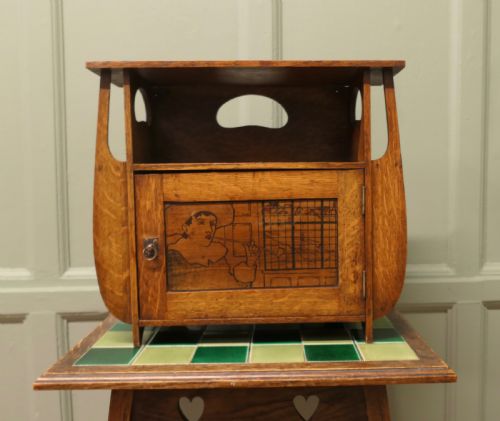


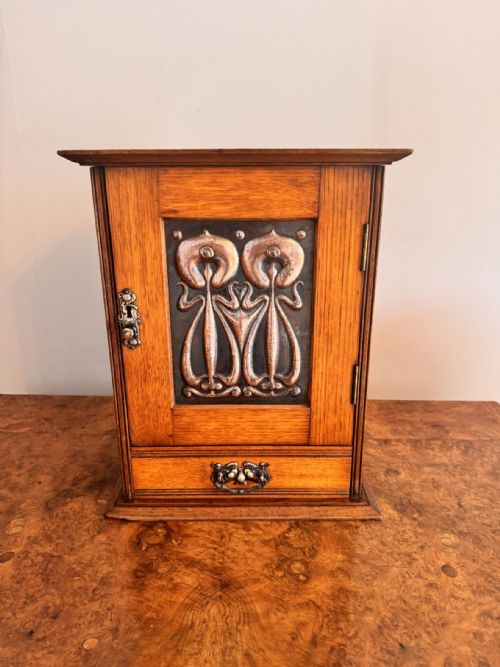
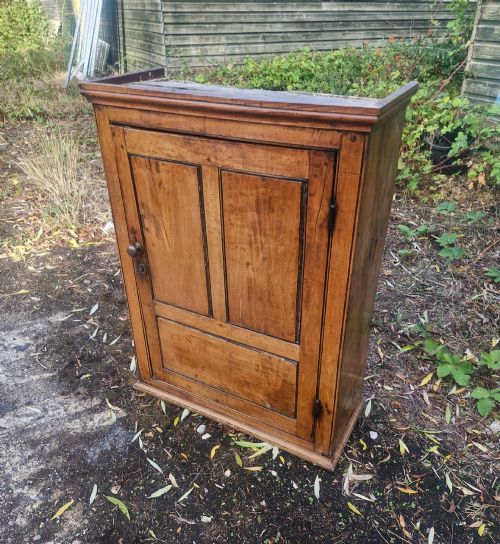
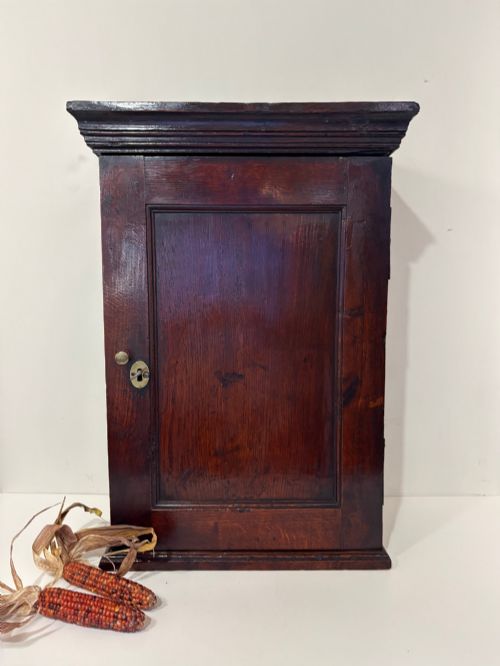


Small Oak Wall Cupboard
A small oak wall cupboard is a compact hanging storage piece built to hold spices, keys, or dry goods, prized for warmth and practicality.
Small Oak Wall Cupboard
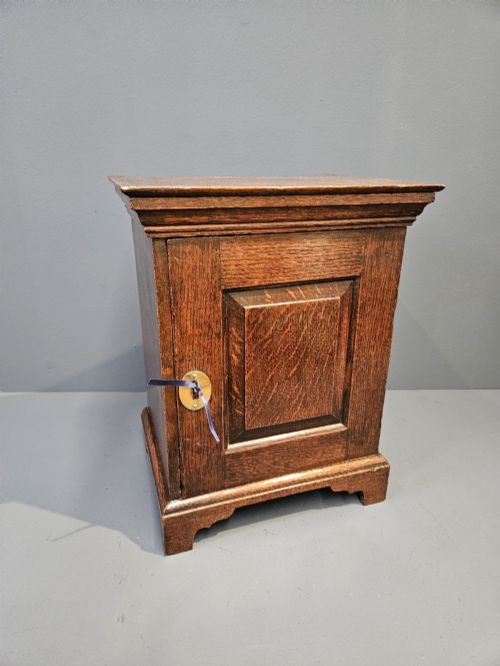
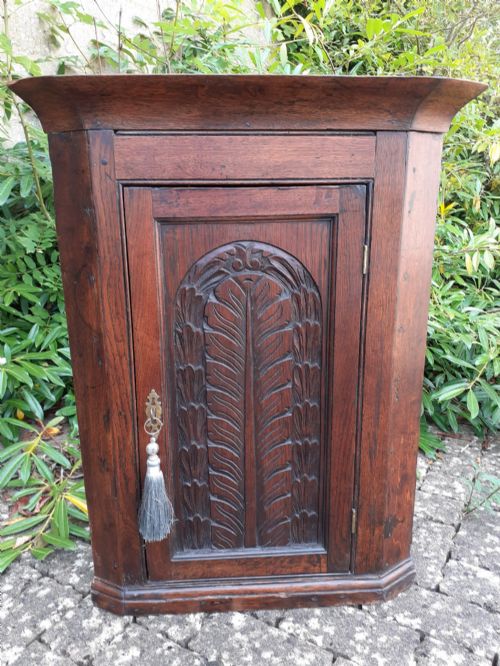
A small oak wall cupboard is a timber hanging cabinet designed to save floor space while keeping domestic essentials secure and close to hand. These pieces range from flat-backed wall units to corner cupboards configured to fit tight room angles.
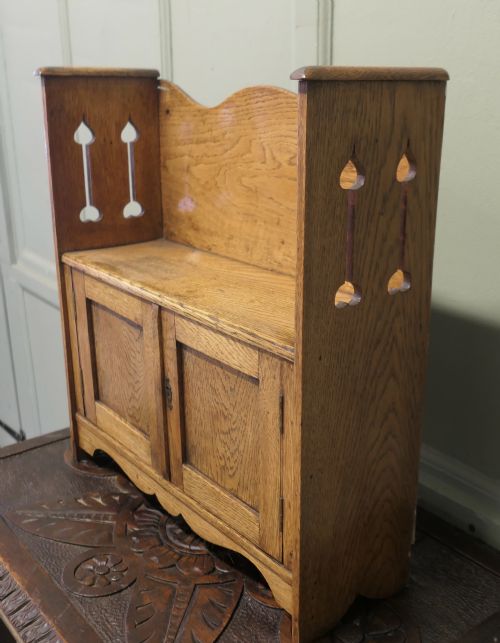
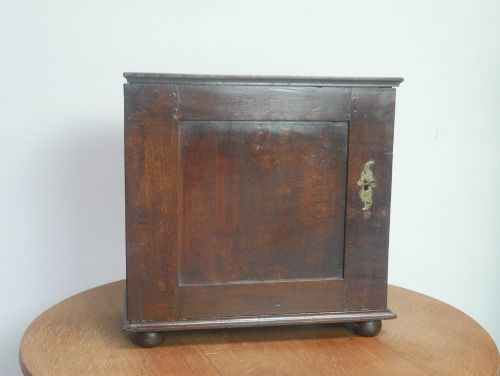
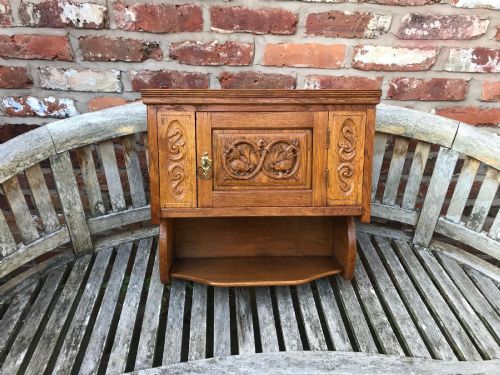
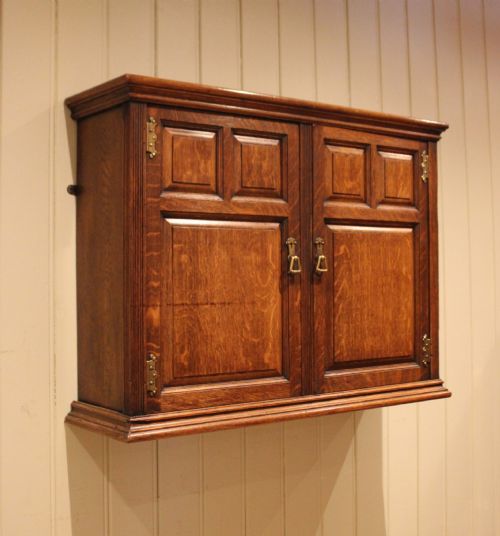
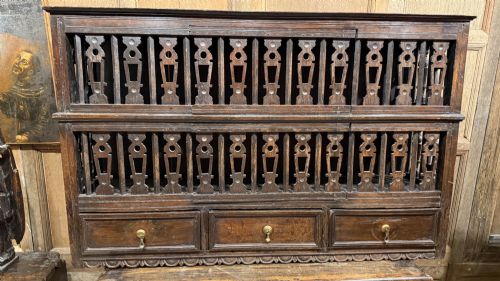
The versions most commonly found here date from the eighteenth and nineteenth centuries, taking the form of spice cupboards, corner units, and simple provincial hanging cabinets. Many incorporate small internal drawers or shelving arranged behind a single panelled door.
How they were made
Cabinet makers built these pieces primarily from solid oak, often pairing it with secondary woods like pine for internal elements and backs. Joinery relied on pegged mortise and tenon frames, panelled doors, and hand-cut dovetails for internal drawers.
Hardware played an essential structural and decorative role, featuring brass hinges, escutcheons, and iron latches secured by hand. Surfaces received finishes of natural wax or oil, which allowed the grain and colour of the timber to deepen over centuries of handling.
Small Oak Wall Cupboard Retail Price Guide 2026
Typical asking prices for small oak wall cupboard among the pieces listed under this phrase on Sellingantiques today, from the lower quarter to the upper quarter. They describe what is for sale here now, not the wider market.
Recorded pieces span from the late seventeenth century through the Arts and Crafts era, constructed in oak, brass, iron, and glass.
What varies in quality
Quality rests upon the selection of timber and the precision of the joinery, distinguishing sturdy provincial work from finer urban cabinet making. Pieces featuring well-figured oak grain, carved panels, or original brass furniture command greater respect.
Proportion and structural integrity define the overall merit of a piece, particularly whether cornices remain intact and doors hang true without modern intervention. The presence of period hinges and undisturbed timber surfaces carries substantial weight.
The Small Oak Wall Cupboard Glossary
- Corner cupboard
- A triangular cabinet designed to fit neatly into the corner of a room, maximising wall space.
- Spice cupboard
- A diminutive wall-mounted cabinet traditionally fitted with multiple tiny internal drawers for storing valuable dry ingredients and herbs.
- Escutcheon
- A protective brass or iron plate surrounding a keyhole, often shaped to enhance the appearance of the door.
- Dovetail
- A traditional interlocking joint used to construct drawers and carcases securely without reliance on metal fasteners.
- Provincial
- A term describing items made in regional workshops outside major metropolitan centres, usually displaying utilitarian charm.
Small Oak Wall Cupboard: Frequently Asked Questions
How were small oak wall cupboards used?
These cupboards served multiple domestic purposes, frequently mounted in kitchens to store spices, salt, and precious foodstuffs away from damp floors. Others functioned in hallways or parlours to hold keys, pipes, or household ledgers.
Their elevated position kept contents secure and easily accessible during daily household routines without cluttering limited table space.
How do I hang a heavy oak wall cupboard safely?
Hanging antique oak furniture requires locating solid wall studs or masonry to support the considerable weight of dense timber. Internal fixing points or sturdy rear hanging brackets must be checked and utilised correctly.
Professional installation is often recommended to distribute the load evenly and prevent strain on historic joints.
How do I tell an eighteenth century cupboard from a later copy?
Examination of the timber surfaces, tool marks, and construction methods reveals the true age of a piece. Eighteenth-century examples display hand-sawn timber, pegged joinery, and natural wear patterns that modern reproductions struggle to replicate accurately.
Iron and brass hardware should also correspond to the period of the cabinet carcase.
How should I care for the oak surface?
Maintaining the wood involves applying natural beeswax sparingly and buffing with a soft cloth to nourish the dry grain. Avoid placing cupboards in direct sunlight or near heat sources that could cause the timber to split.
Regular dusting with a dry cloth prevents grime accumulation without damaging the historic patina.