


Small Nomadic Tribal Carpet
When you search for small nomadic tribal carpet, you discover hand-woven textiles created by nomadic and village weavers across Persia, Central Asia, and the Caucasus.
Small Nomadic Tribal Carpet
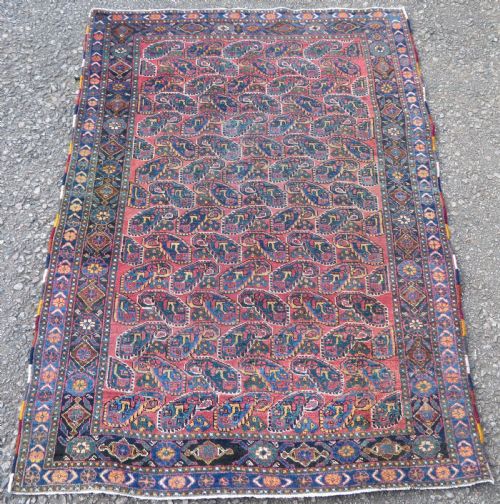
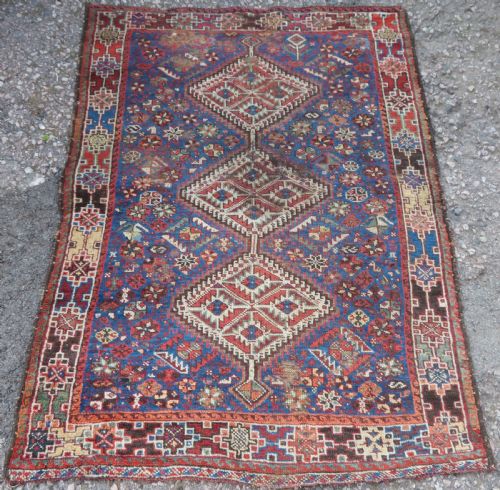
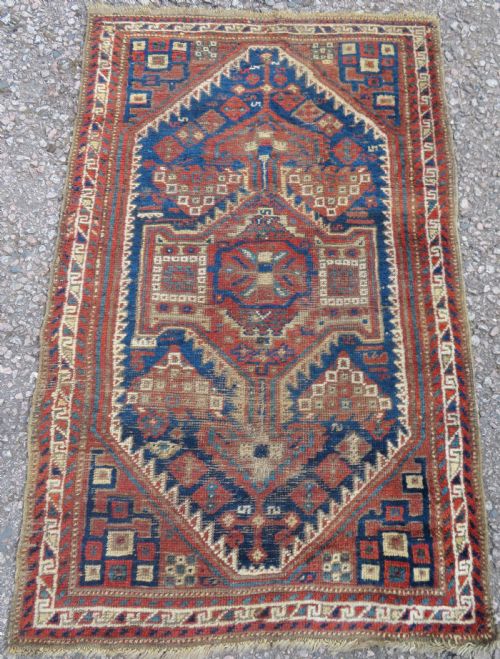
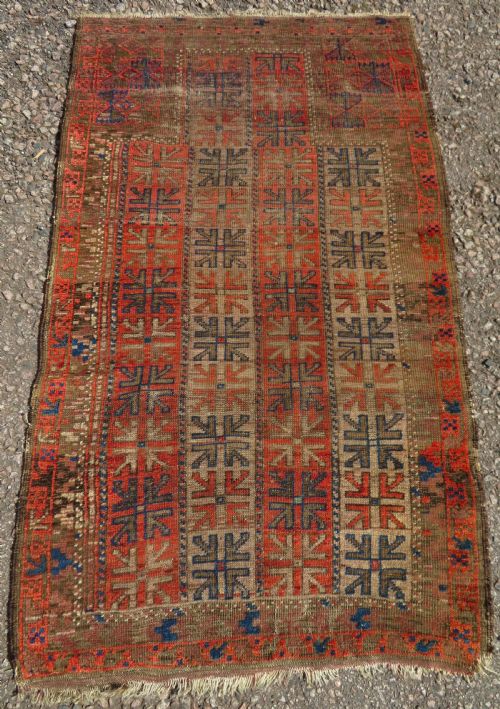
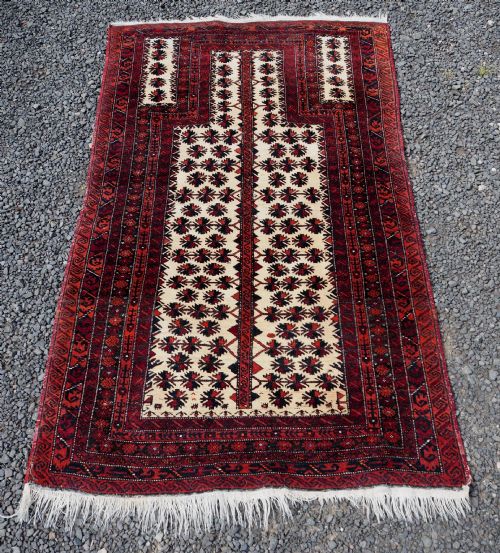
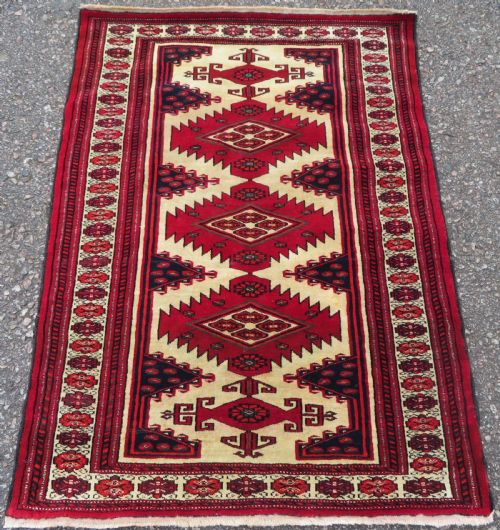
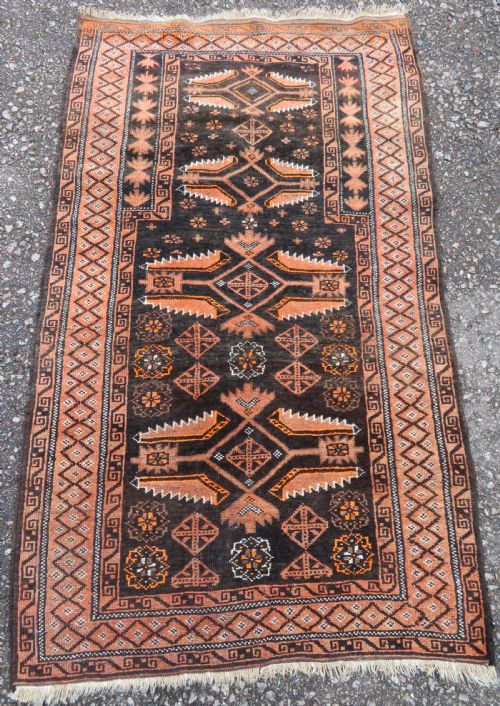
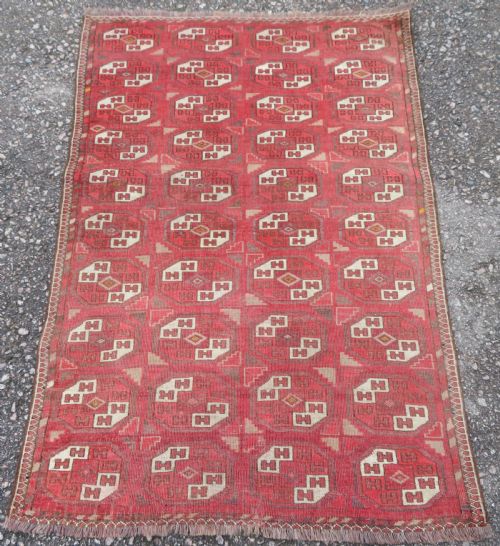
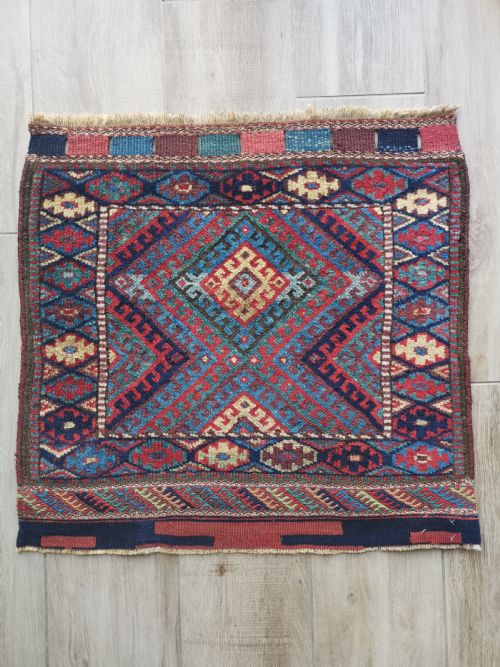
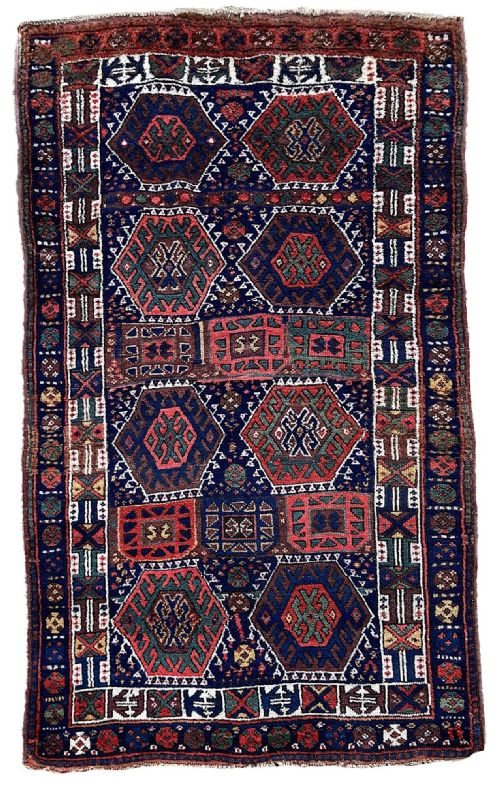
A small nomadic tribal carpet encompasses village rugs, prayer rugs, bag faces, and tent trappings created by groups such as the Baluch, Afshar, Khamseh, and various Turkmen tribes. These pieces originate from regions including Persia, Afghanistan, and Central Asia, dating from the nineteenth century into the early decades of the twentieth century.
The formats vary from compact prayer rugs and square torba faces to long, narrow formats and bag faces like chuvals and mafrash panels. On this page, buyers primarily encounter antique woven formats produced for domestic utility or nomadic migration rather than large urban workshops.
Materials and construction
Weavers constructed these textiles using hand-spun wool foundations and pile, occasionally incorporating cotton or camel hair for contrast and structural durability. Natural dyes provide the palette, yielding deep madder reds, indigos, and earthy browns that soften gracefully over time.
The physical structure relies on traditional tribal knotting and flatweaving techniques, executed on portable horizontal looms set up in camps or villages. Artisans employed geometric guls, prayer mihrabs, and shrub motifs passed down through generations within specific tribal groups.
The inventory records pieces originating from diverse regions, spanning Persian tribal areas, Afghan villages, and Central Asian Turkmen oases.
Evaluating quality and character
Quality in these textiles rests upon the handle of the wool, the saturation and purity of the natural dyes, and the crispness of the tribal design execution. Finer knot density and balanced proportions elevate certain bag faces and prayer rugs above standard utilitarian examples.
The integrity of the original borders, the retention of natural dye variations, and the overall tension of the weave distinguish superior examples. Wear and distress alter the visual impact, shifting an object from a crisp graphic statement to a softer, patinated artefact of nomadic life.
Afshar Tribes·Khamseh Arabs·Baluch Weavers·Ersari Turkmen·Yomut Turkmen
The Small Nomadic Tribal Carpet Glossary
- Gul
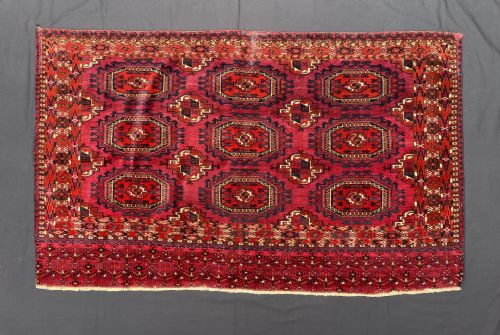
- A medallion or repeating octagonal motif characteristic of Turkmen and Central Asian tribal weaving. These designs often identify the specific tribe or clan that produced the textile.
- Mihrab
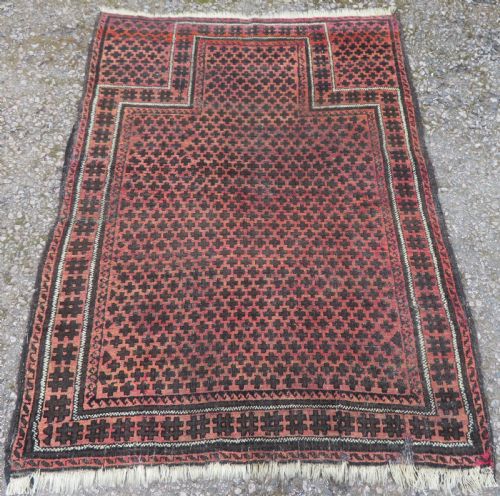
- An arch-shaped design element found on prayer rugs, representing the direction of prayer. It typically frames the central field of the rug.
- Torba
- A small storage bag or wall hanging produced by Turkmen tribes. They feature wide horizontal formats with distinct gul patterns.
- Mafrash
- A rectangular storage chest panel woven in sumakh or pile technique by tribes such as the Yomut or Shahsavan. These panels were originally part of baggage containers used during migration.
Small Nomadic Tribal Carpet: Frequently Asked Questions
Where were small nomadic tribal carpets made?
These textiles were woven by nomadic and semi-nomadic groups residing across Persia, Afghanistan, and Central Asia. Tribes such as the Baluch, Afshar, and various Turkmen confederations produced them for personal use within their camps and settlements.
The geographical origins dictate the specific wool types, dye palettes, and geometric motifs found in the weave. Each tribal group maintained distinct design traditions passed down across generations.
How do I use a small tribal rug at home?
Small formats like prayer rugs, bag faces, and torbas function well as decorative wall hangings, table covers, or accent pieces on wooden floors. Their compact dimensions allow them to fit into hallways, entryways, or intimate seating areas.
Because antique tribal wool and natural dyes are sensitive to heavy foot traffic and direct sunlight, placing them in lower-traffic zones preserves their condition. Using a quality underlay prevents slipping and protects the fragile antique foundation.
How do I tell different tribal designs apart?
Distinguishing between tribes relies on identifying repeating motifs, such as the octagonal guls of Turkmen weavers or the angular shrub patterns of Baluch prayer rugs. Colour palettes also provide clues, as different regions utilised local plants and minerals for dyeing.
Structural details, including edge finishes, end board constructions, and knotting styles, offer further evidence of origin. Comparing the primary field design against documented tribal patterns clarifies attribution.
What is a prayer rug?
A prayer rug is a smaller format textile featuring a distinct arched niche, known as a mihrab, at one end. Weavers designed these pieces to be laid down during daily prayers within nomadic tents or village homes.
The direction of the arch points the worshipper during ritual use. Today, collectors value them for their balanced composition and symbolic iconography.