
Small Mahogany Storage Chest
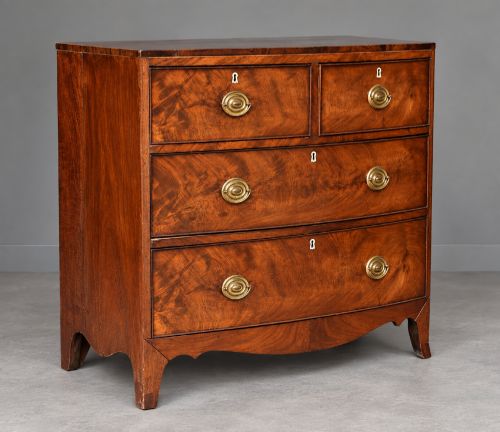
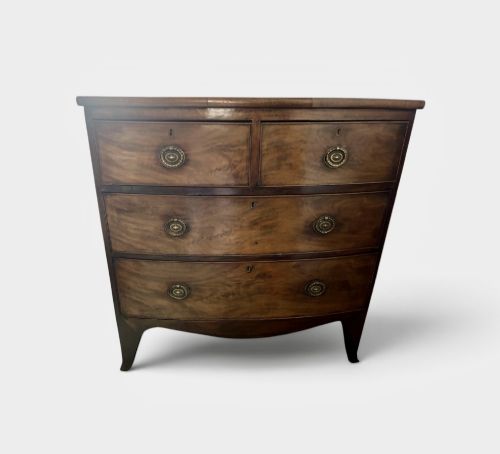
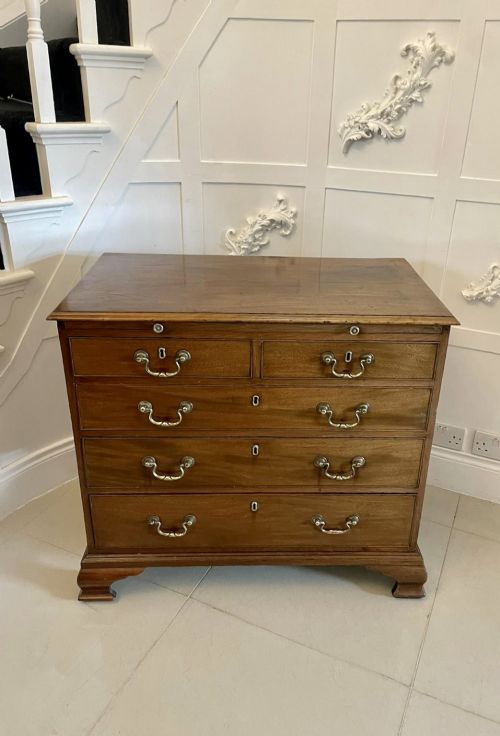
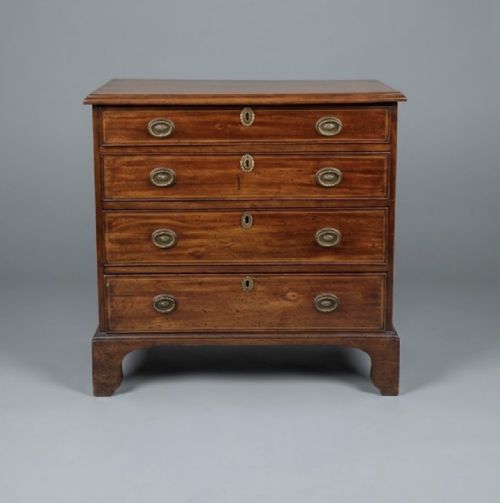
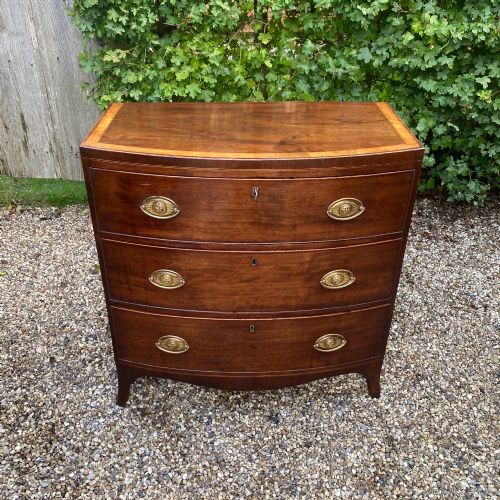
A small mahogany storage chest brings compact proportion and rich timber tone to a room, offering practical storage disguised in period elegance.
Small Mahogany Storage Chest
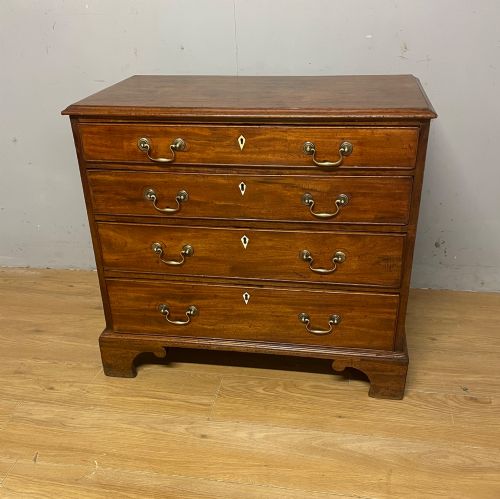
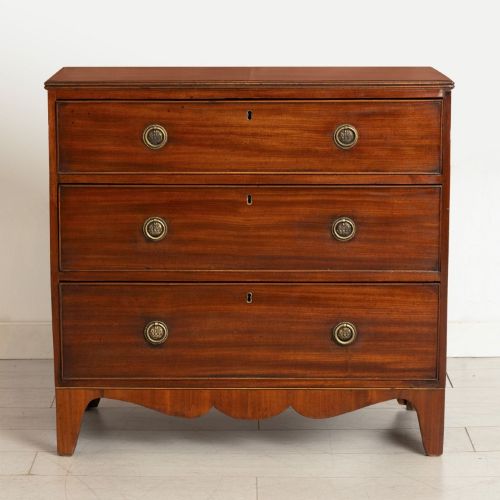
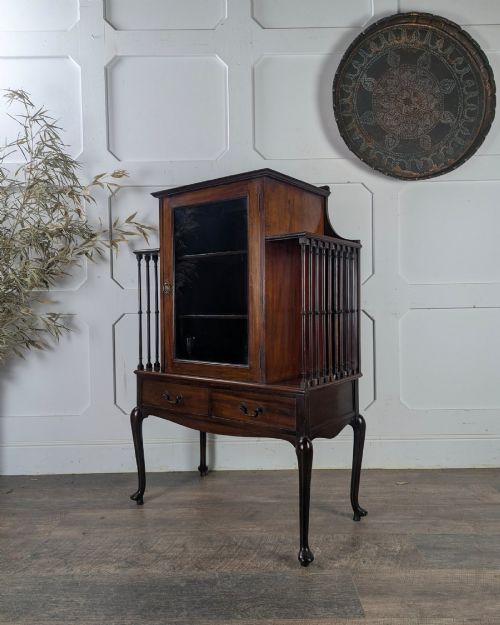
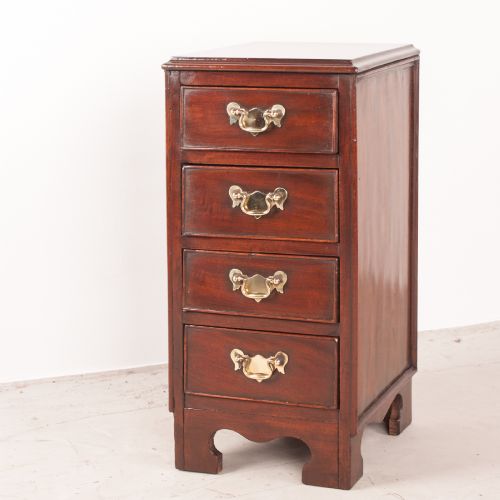
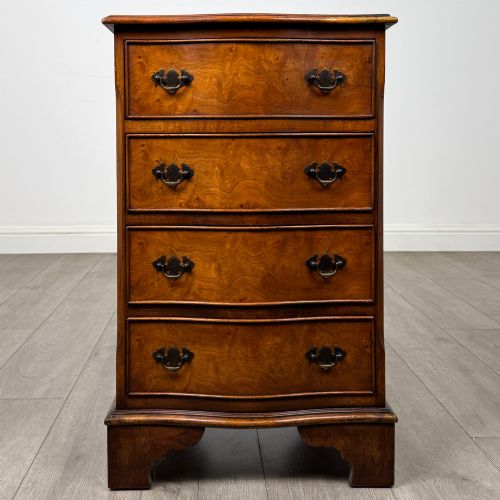
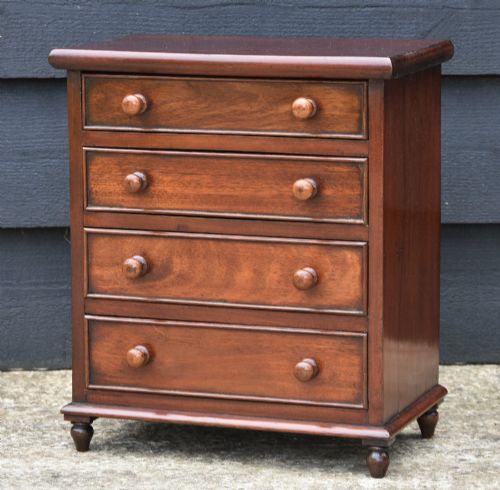
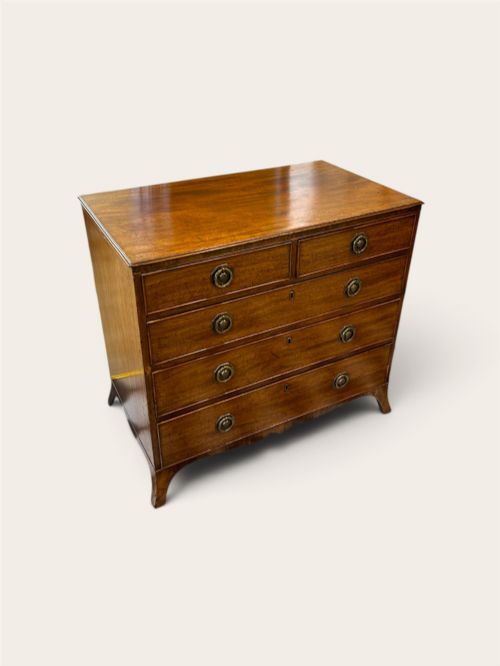
When searching for a small mahogany storage chest, a buyer encounters pieces spanning the eighteenth century through to the early twentieth century, with Georgian and Victorian examples appearing most frequently. These items take several functional forms, principally chests of drawers, miniature apprentice pieces, apothecary boxes, tea caddies, and low linen cupboards.
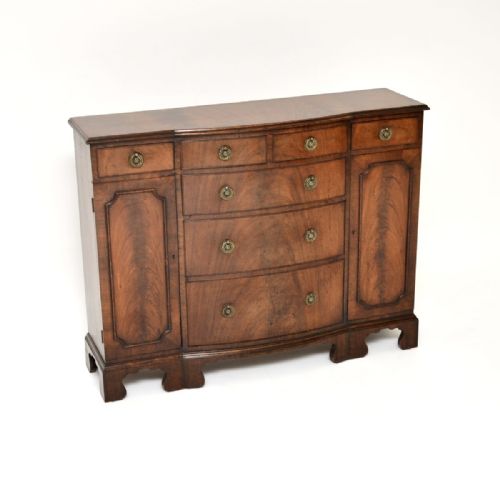
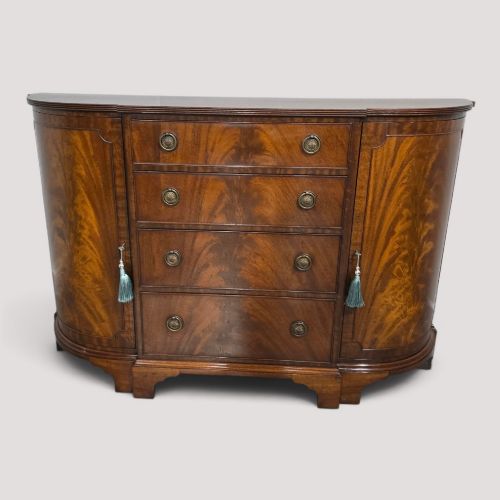
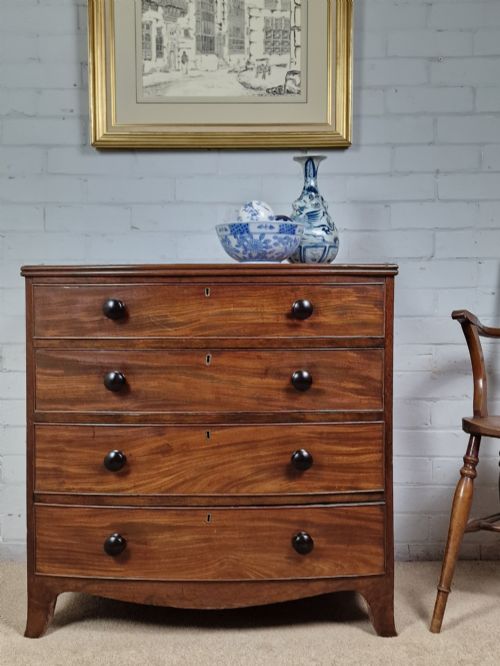
Many items display refined details such as bow fronts, serpentine outlines, brushing slides, and crossbanded tops. Cabinet makers also produced sideboards, music cabinets, tallboys, and campaign style collectors' cabinets within this timber.
The selection ranges from full-scale domestic drawer chests of compact proportions down to tabletop trinket chests and jewellery boxes. Regional variations and later revival styles also emerge among the listed pieces.
Distinctions in quality and execution
Quality reveals itself in the selection of the timber grain, particularly where figured mahogany or flame veneer is matched symmetrically across drawer fronts. The crispness of hand-cut dovetails and the retention of original brass handles and bracket feet separate superior examples from altered pieces.
Some chests conceal secret drawers hidden behind internal framing, designed to safeguard family ledgers and small valuables from prying eyes.
The Small Mahogany Storage Chest Glossary
- Bowfront
- A convex curved cabinet front that projects outward in a smooth arc. This shape became popular during the Georgian and Regency periods.
- Brushing slide
- A pull-out shelf integrated above the top drawer of a chest, historically used for writing or brushing clothes. It slides flush into the frame when not in use.
- Serpentine
- A shaped furniture front featuring a central convex curve flanked by two concave curves. It requires advanced woodworking skill to execute properly.
- Crossbanding
- A border technique where thin strips of veneer are laid perpendicular to the grain of the main surface. This frames the drawer front or top.
- Apprentice piece
- A miniature furniture item created by a trainee craftsman to demonstrate mastery of joinery techniques. They often replicate full-sized chests in every structural detail.
Small Mahogany Storage Chest: Frequently Asked Questions
What is an apprentice chest?
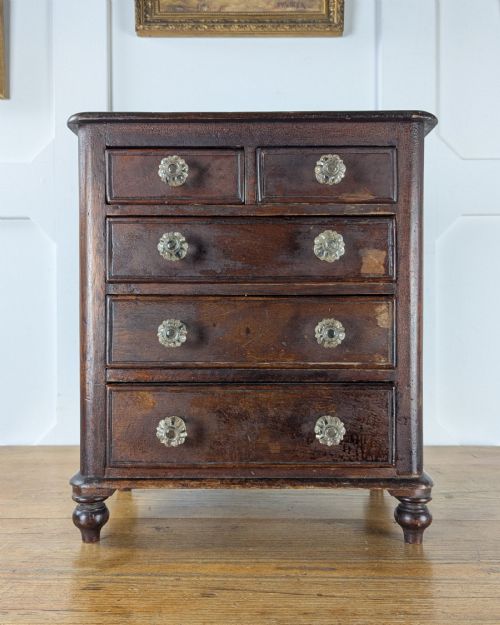
An apprentice chest is a small-scale model of a full-sized chest of drawers, constructed by a trainee woodworker to demonstrate skill to a guild or master. These pieces replicate standard joinery methods, including dovetailed drawers and bracket feet, on a miniature scale.
Craftsmen often used them as salesman samples or display items rather than children's toys. Their compact size makes them popular today as decorative tabletop storage for jewellery or small trinkets.
How do I date a mahogany chest?
Dating relies on examining construction methods, hardware styles, and overall proportions. Eighteenth-century pieces often feature hand-cut dovetails, oak secondary woods, and bracket feet, while Victorian examples may use pine linings and turned feet.
Drawer configuration and edge moulding also provide clues to the era of manufacture. Examining the backboards and interior timber helps confirm the period against known regional styles.
What is a bachelor chest?
A bachelor chest is a small drawer chest that incorporates a fold-over top or a sliding board designed for writing and grooming. These versatile pieces appeared during the Georgian period for use in smaller bedchambers.
They combine compact storage with a functional surface area. Original brass handles and bracket feet are key indicators of period authenticity.
Are campaign cabinets different?
Campaign cabinets were built for travel, featuring recessed brass handles and reinforced corners to withstand frequent transport by military officers. These storage units often separate into modular sections for ease of movement.
Mahogany was chosen for its durability and resistance to warping in varied climates. Their distinctive brass hardware gives them an industrial yet refined aesthetic.